

In The Media
David Rothkopf
{
  "authors": [
    "David Rothkopf"
  ],
  "type": "legacyinthemedia",
  "centerAffiliationAll": "",
  "centers": [
    "Carnegie Endowment for International Peace"
  ],
  "collections": [],
  "englishNewsletterAll": "",
  "nonEnglishNewsletterAll": "",
  "primaryCenter": "Carnegie Endowment for International Peace",
  "programAffiliation": "",
  "programs": [],
  "projects": [],
  "regions": [
    "North America",
    "United States"
  ],
  "topics": []
}
Source: Getty
As American political leaders continue to borrow from future generations to pay for the present, American society as a whole needs to remember that the American dream was never about "having it all."
Source: Foreign Policy

The article explores the conundrums successful women face in achieving work-life balance with the kind of candor and nuance it rarely receives but richly deserves. And though Slaughter reasserts her belief that it is theoretically possible for women (and men) to "have it all," she notes that under current conditions, with American society, laws, and customs as they are, it can't be done today.
But contained within in this discussion are signs of a deeper problem dogging America, one that goes beyond this core social issue and extends deeply into the national crisis we are currently confronting. It is that we are society that believes in and actively promotes the myth of "having it all" in the first place. We elevate the rejection of compromise to the level of national ideal.You see it in the imagery offered up in the fiction of Hollywood, not to mention the confections of Madison Avenue, Wall Street, and Washington, D.C. In each, images of achievement without sacrifice, of weight loss without diet or exercise, of gain without risk, and of economic growth without investment or prudence are dispensed like crack in a schoolyard. With each tantalizing idea -- live large today, pay later, follow Dr. Phil's three-minute prescriptions and enjoy love like you read about it in romance novels -- Americans are more drawn to a web of interconnected, impossible ideals and hooked on the expensive loans, get-rich-quick courses, wonder drugs, political schemes, and schemers who are the only beneficiaries of the perpetuation of such rose-colored fantasies.
This is not to say that the American dream is not real. But the dream was never having it all. It was always about having enough and perhaps, generation to generation, having it a little bit better. It was about tapping potential, not about confounding the laws of physics, biology, finance, or reason.
Yet, here is America trapped in political and policy debates that suggest having-it-all-ism might not just be a big problem for us -- it may be our downfall. Mitt Romney is out selling the standard Republican line that it is possible to fix budget deficits by cutting taxes further (the political equivalent of a quick weight-loss regime that lets you eat more and exercise less). However the Supreme Court rules on health care this week, it will not reverse the reality that Democratic reforms have failed to meaningfully change the rules, retirement ages, payouts, and fee structures that are driving the system into bankruptcy. Both political parties seem to want to remain the world's hyperpower without actually doing the hard work of setting priorities and accepting the sacrifices that go with maintaining that power. And the voters are letting them get away with it.
Internationally, America also wants to have it all. We want to cut back our spending on international institutions, foreign aid, and military interventions and still maintain the influence we had before. We want to be seen as welcoming the rise of new powers without actually ceding any power to them in the international system. We want to champion global ideals while still selectively obeying the international system of laws we helped established.
The reality is that having it all, for people and countries, is in the best instances a poor choice of words and in the worst, an illusion. For women seeking work-life balance, it is not about "having it all" (as Helen Gurley Brown described the goal in her book on the subject 30 years ago) but rather being able to make career and lifestyle choices that have long been available to men. That means the freedom to choose. And make no mistake: choices have to be made. But in life as in public policy, the only way to the best possible outcome is through having the courage to make tough calls. Even when the United States was in its ascendancy -- think Vietnam -- the sweet siren's song of politicians offering it all has always led to the rocky reality that you can't spend dollars and save them too. Eventually you've got to choose between guns and butter.
On a deeper level, America's problem turns on precisely the core issue Slaughter identifies: The current generation of U.S. leaders has lost sight of the fact that the primary responsibility of any generation is not to itself but to that of the generations to follow. This is why "the Greatest Generation" is acknowledged as such -- they sacrificed to ensure better futures for their families. We Baby Boomers have earned no such accolades, nor will we, borrowing from our children and our grandchildren to pay for our excesses.
Because in the end, it all comes down to our children. As Slaughter puts it, we must "properly focus on how we can help all Americans have healthy, happy, productive lives, valuing the people they love as much as the success they seek." If that's our guide, we're more likely to start making better choices -- and start realizing that it's not about having it all but rather, about passing along what we can to those who will come after us. That is not only the formula for strong families but for strong nations.

Former Visiting Scholar
David Rothkopf was a visiting scholar at the Carnegie Endowment as well as the former CEO and editor in chief of the FP Group.
Recent Work
David Rothkopf
David Rothkopf
Carnegie does not take institutional positions on public policy issues; the views represented herein are those of the author(s) and do not necessarily reflect the views of Carnegie, its staff, or its trustees.

It seems likely that, no matter what, the power of the U.S. nuclear arsenal will face erosion, not least in the credibility of its commitments to defend allies and the political durability of those alliances.


James M. Acton, Ankit Panda
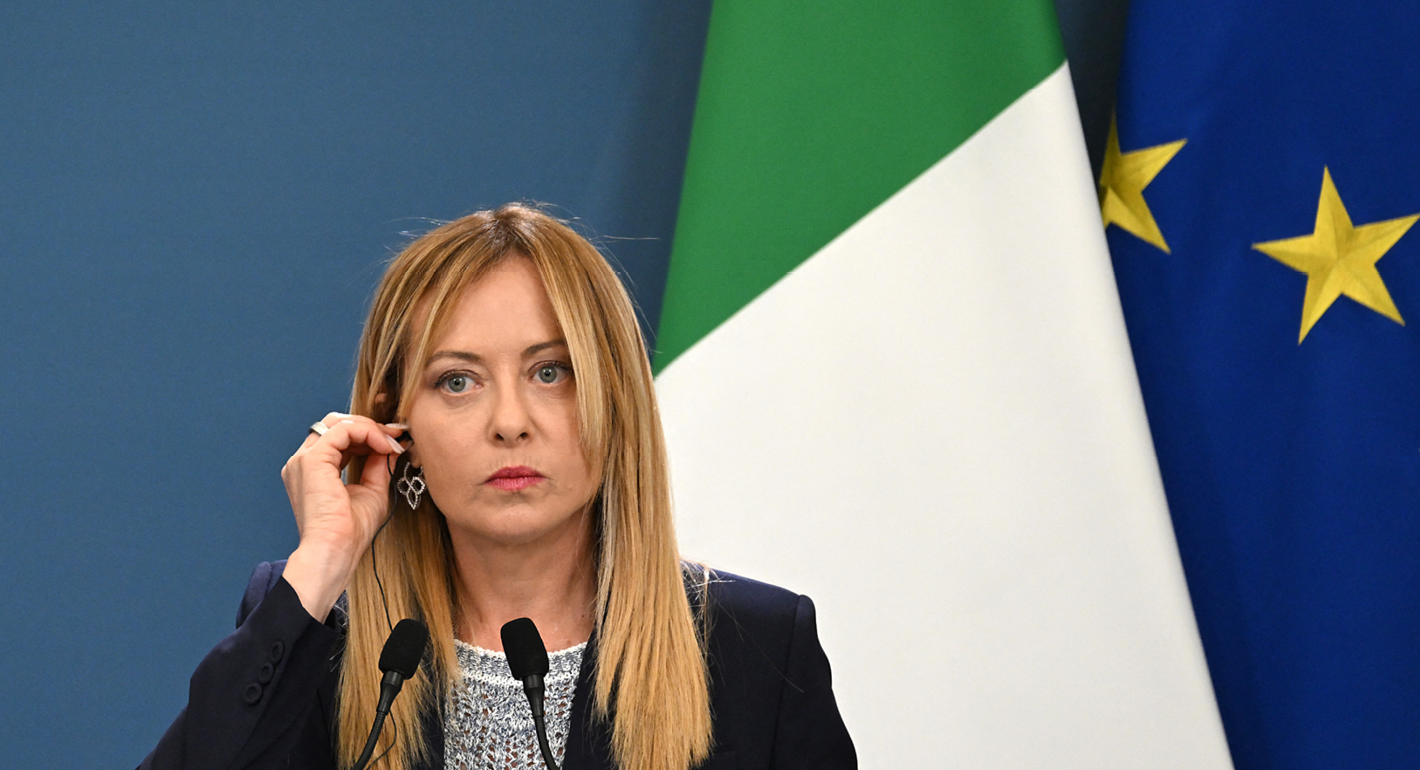
When Giorgia Meloni very publicly rebuked Donald Trump’s disparaging remarks about her, it surprised many who saw her as a European extension of Trumpism. Is the spat a sign of trouble in the radical right’s transatlantic axis?

Rym Momtaz, ed.
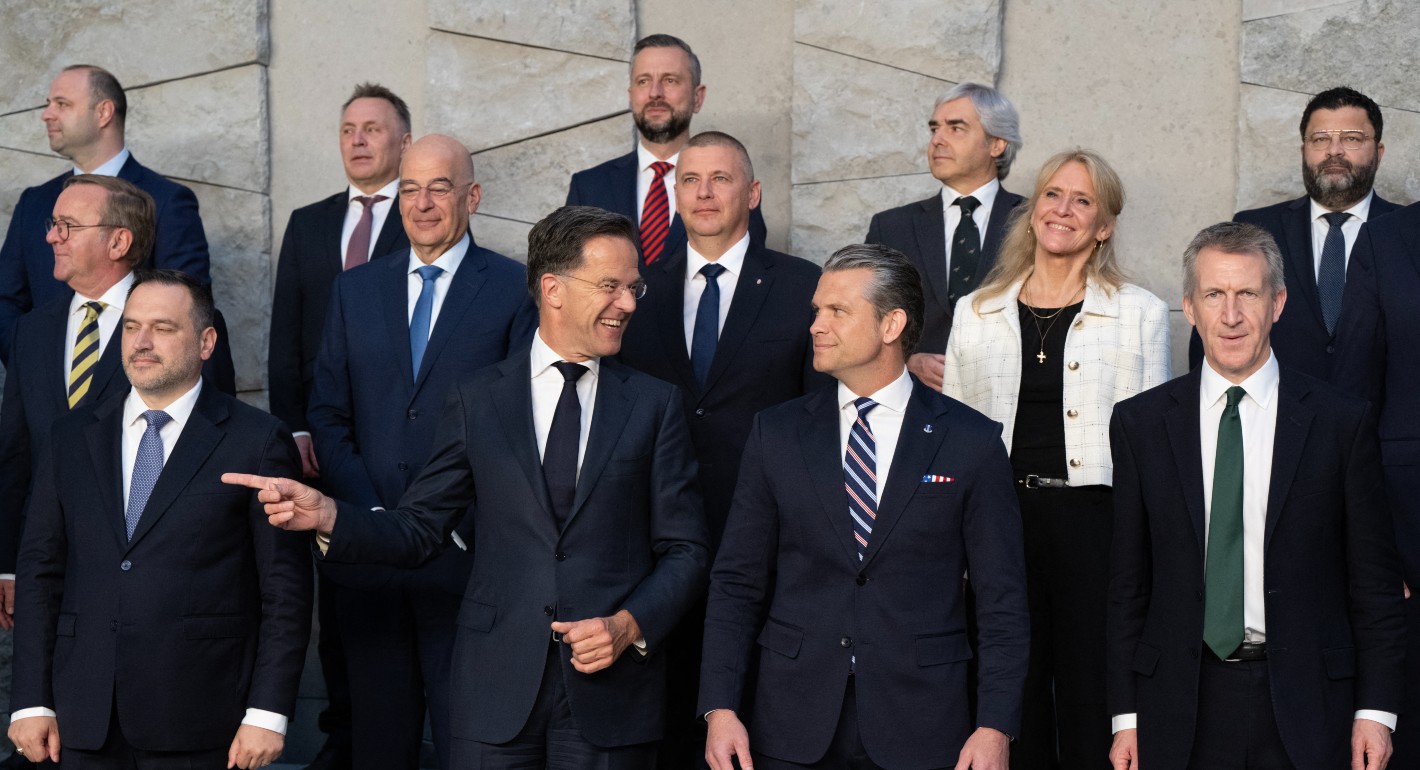
European allies are less focused on appeasing Trump and more focused on smoothing the transition to a Europe-led alliance.

Sophia Besch, Alper Coşkun, Nate Reynolds, …

Middle powers in the region will keep hedging between Washington and Beijing. It’s in the great powers’ interests to play along.

Amr Hamzawy, Kathryn Selfe

Democratic erosion is undercutting four key elements of U.S. power, with mounting and likely lasting effects.

Thomas Carothers