

Article
Wang Tao
{
  "authors": [
    "Wang Tao"
  ],
  "type": "legacyinthemedia",
  "centerAffiliationAll": "",
  "centers": [
    "Carnegie Endowment for International Peace",
    "Carnegie China"
  ],
  "collections": [],
  "englishNewsletterAll": "",
  "nonEnglishNewsletterAll": "",
  "primaryCenter": "Carnegie China",
  "programAffiliation": "",
  "programs": [],
  "projects": [],
  "regions": [],
  "topics": [
    "Security"
  ]
}
Source: Getty
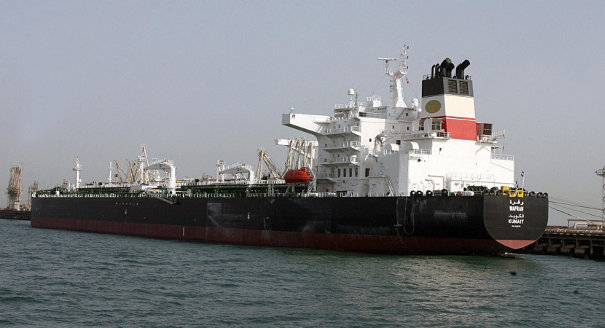
Although the South China Sea offers the potential to alleviate China's dependence on foreign oil, maintaining peace in the region is more critical to China’s energy security than the exploitation of the resources in the region.
Source: CCTV
Speaking to CCTV, Carnegie’s Wang Tao discussed the regional sensitivities surrounding the South China Sea and the area's potential to alleviate China’s dependence on foreign oil imports. He also outlined some of the serious regional and environmental concerns raised by the South China Sea.
Emphasizing the environmental risks of deep sea oil exploration in the South China Sea and the strategic importance of the region to China, Wang said that the priority for Beijing should be developing sophisticated oil extraction technologies to produce oil as safely as possible. He added that since this area is critical to the transport of China’s global oil imports, maintaining peace in the South China Sea is more important to China’s oil supply and energy security than the exploitation of the resources in the region.
Former Nonresident Scholar, Carnegie-Tsinghua Center for Global Policy
Wang Tao was a nonresident scholar in the Energy and Climate Program based at the Carnegie–Tsinghua Center for Global Policy.
Recent Work
Wang Tao
Wang Tao, Yang Yifang
Carnegie does not take institutional positions on public policy issues; the views represented herein are those of the author(s) and do not necessarily reflect the views of Carnegie, its staff, or its trustees.
Arguing that Chinese policy is hung on alliances—with imputations of obligation—misses the point.

Evan A. Feigenbaum
Arms supplies from Russia to Iran will not only continue, but could grow significantly if Russia gets the opportunity.

Nikita Smagin
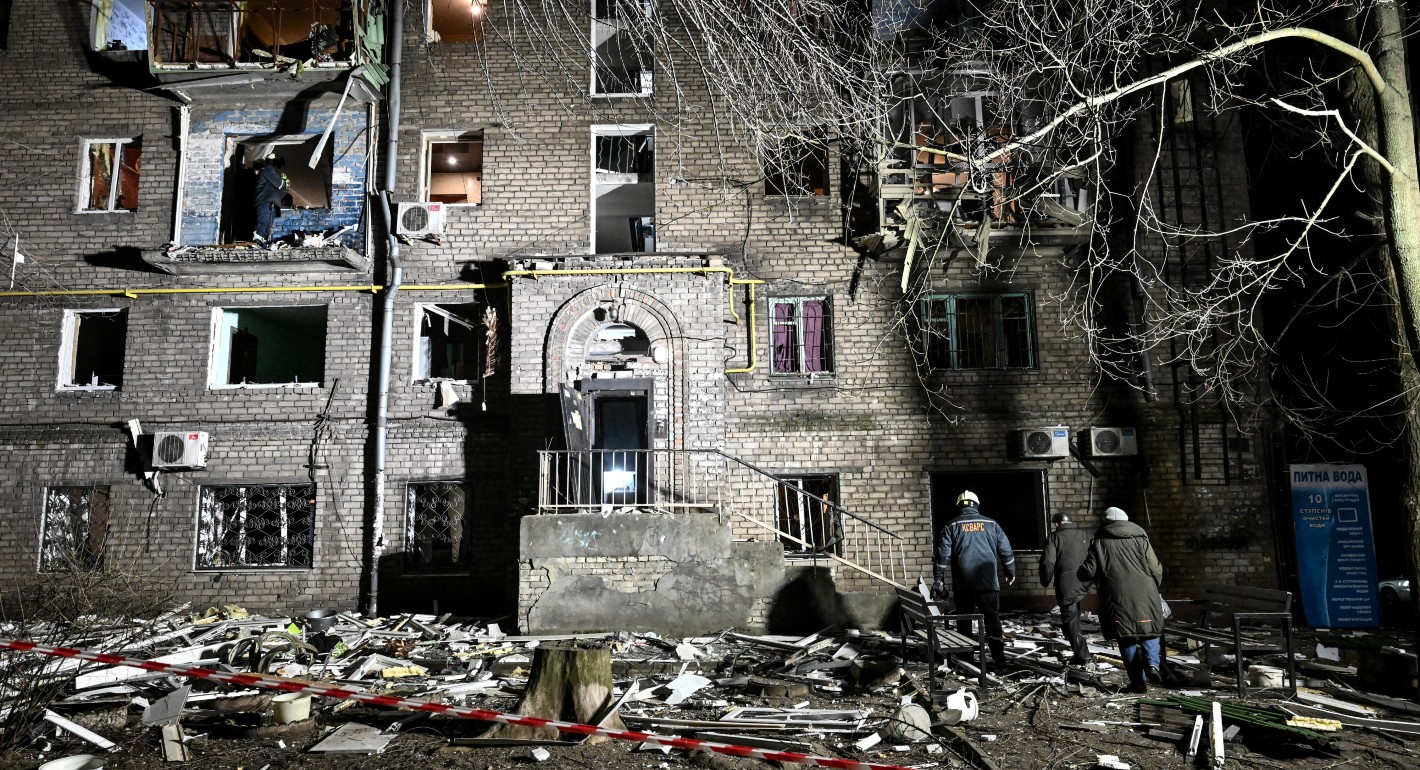
On the fourth anniversary of Russia’s full-scale invasion, Carnegie experts discuss the war’s impacts and what might come next.

Eric Ciaramella, Aaron David Miller, Alexandra Prokopenko, …
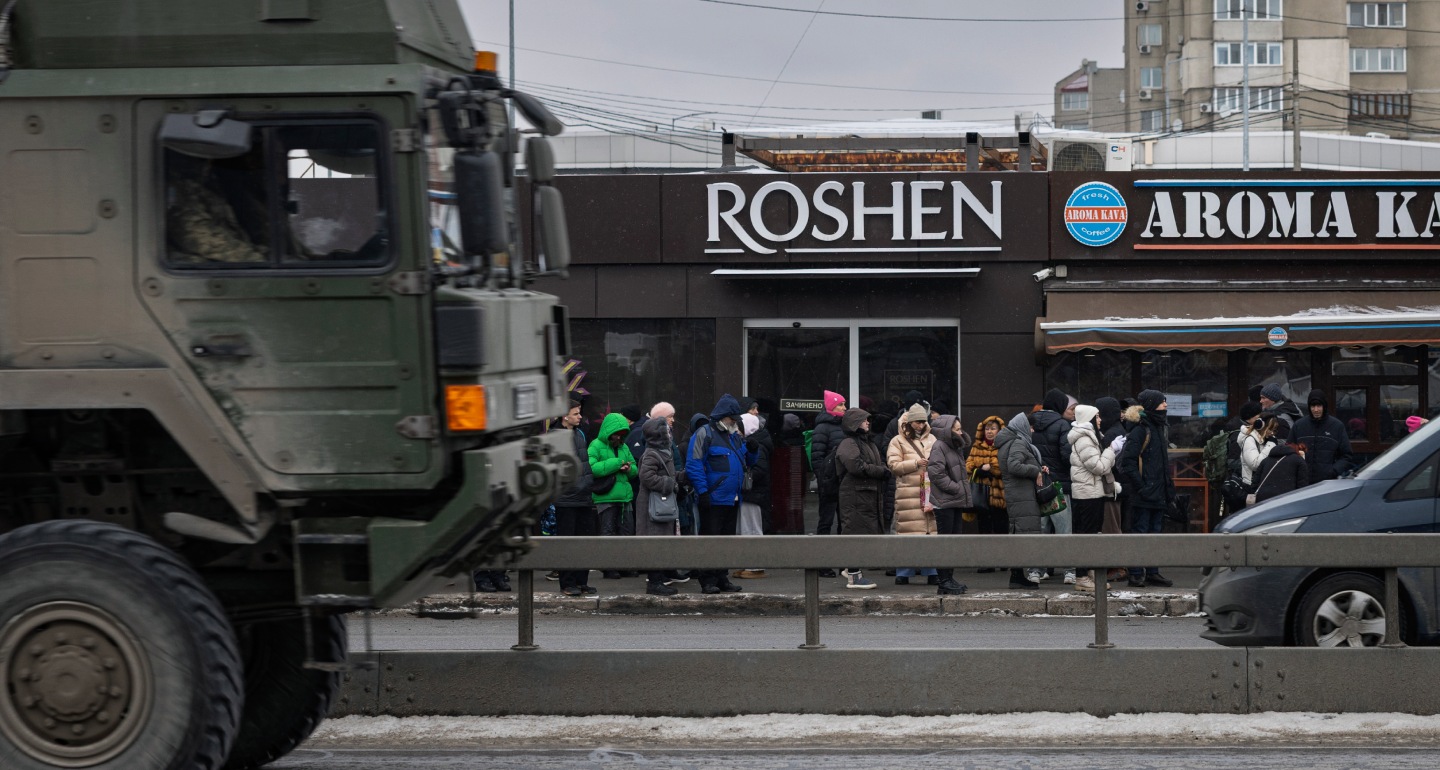
Putin is stalling, waiting for a breakthrough on the front lines or a grand bargain in which Trump will give him something more than Ukraine in exchange for concessions on Ukraine. And if that doesn’t happen, the conflict could be expanded beyond Ukraine.

Alexander Baunov
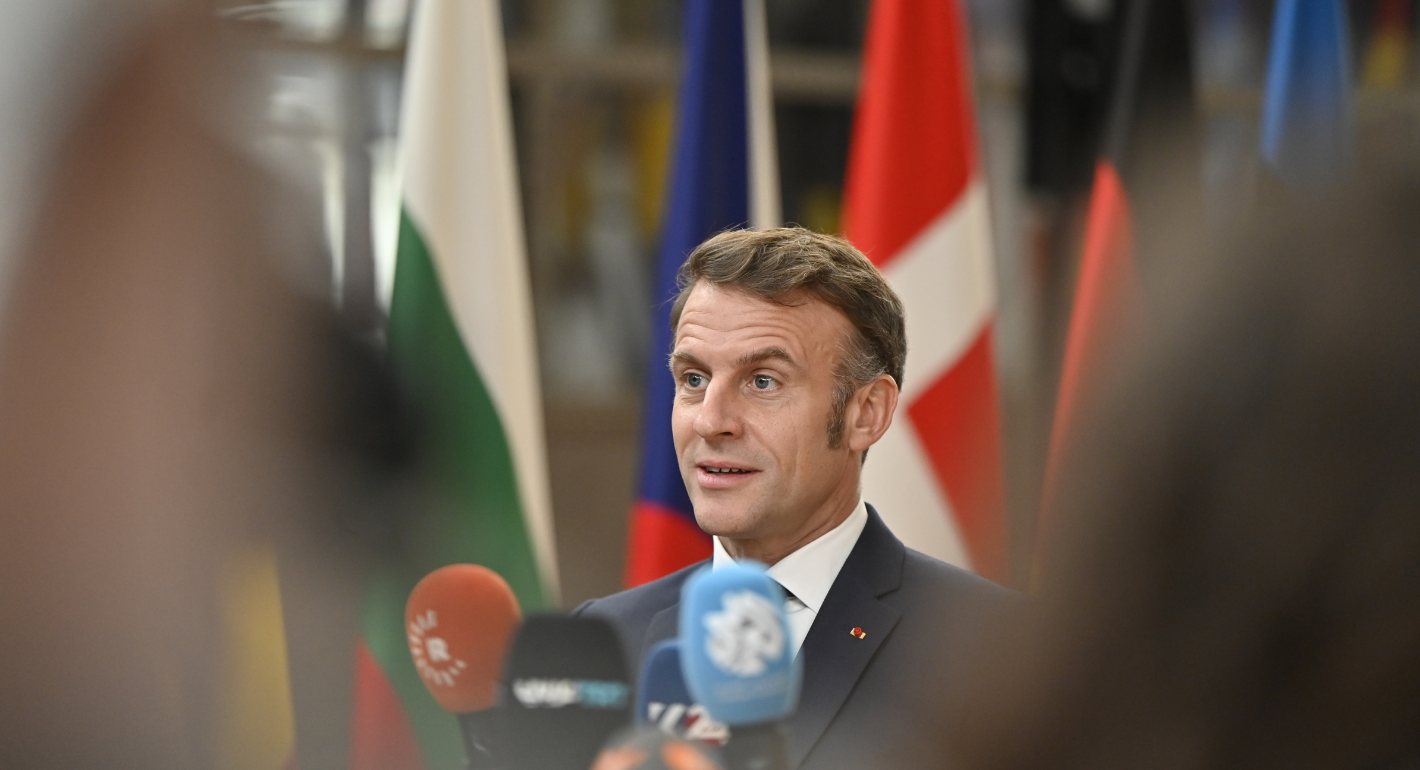
France has stopped clinging to notions of being a great power and is embracing the middle power moment. But Emmanuel Macron has his work cut out if he is to secure his country’s global standing before his term in office ends.

Rym Momtaz