

Commentary
A summer of escalation in the Black Sea has hurt Ukraine economically and is exacerbating world food security. A truce is needed—as is a broader reframing of Europe’s Ukraine strategy.
Thomas de Waal
{
  "authors": [
    "Sun Xuefeng"
  ],
  "type": "other",
  "centerAffiliationAll": "",
  "centers": [
    "Carnegie Endowment for International Peace",
    "Carnegie China"
  ],
  "collections": [
    "China’s Foreign Relations"
  ],
  "englishNewsletterAll": "",
  "nonEnglishNewsletterAll": "",
  "primaryCenter": "Carnegie China",
  "programAffiliation": "",
  "programs": [],
  "projects": [
    "Window Into China"
  ],
  "regions": [],
  "topics": [
    "Security",
    "Economy"
  ]
}
Source: Getty
China is a rising power that must define its identity as a global player and balance its domestic needs against those of an increasingly multipolar world.
Source: Real Instituto Elcano

Why are there such contrasting perceptions on China’s rise between the Chinese and the rest of the world? What dilemmas is China beginning to face in the context of these different perceptions about its rise? What ways out of these dilemmas has China been seeking? This essay will explore these thought-provoking questions and present an academic analysis on China’s strategic thinking about its rising dilemmas. It presents three arguments: (1) for most Chinese officials, scholars and the public, China is a multi-faceted rising power; (2) a rising China faces two daunting dilemmas –the dilemma of rising powers and an identity dilemma–; and (3) China has adopted a strategic approach to its rising dilemmas, characterised by patience, reassurance and coherence.
This article was published as part of the Window into China series
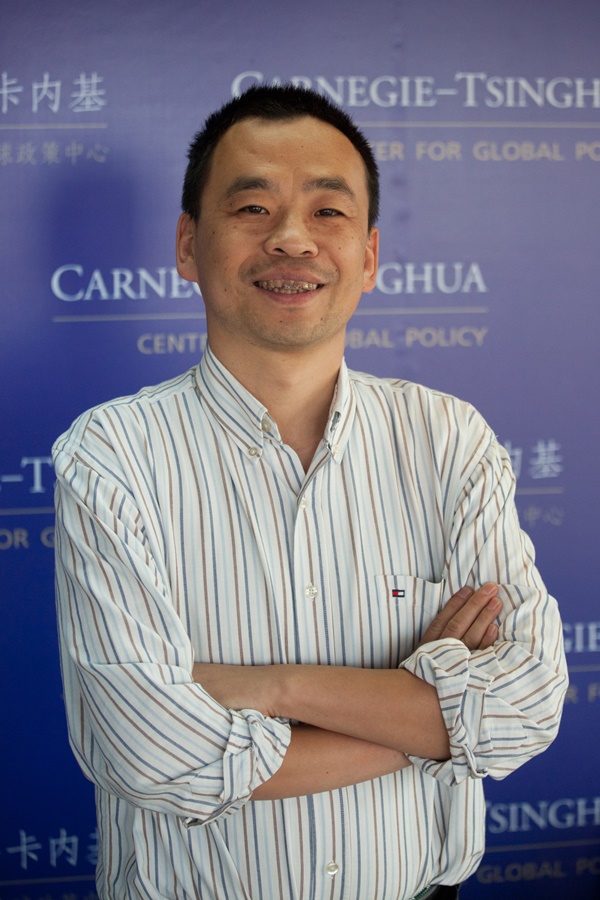
Sun Xuefeng
Former Resident Scholar, Carnegie-Tsinghua Center for Global Policy
Sun Xuefeng was a resident scholar at the Carnegie-Tsinghua Center until June 2020.

A summer of escalation in the Black Sea has hurt Ukraine economically and is exacerbating world food security. A truce is needed—as is a broader reframing of Europe’s Ukraine strategy.

Thomas de Waal

Are Germany’s economic, industrial, and political struggles becoming a liability for the EU’s ability to rise to the geopolitical moment?

Rym Momtaz, ed.
The world is at a critical inflection point, where a combination of ever more powerful AI systems, accelerating proliferation, and a corresponding norms vacuum is setting up a dangerous set of conditions.

Steve Feldstein

China’s police training infrastructure construction projects provide benefits to recipient countries, promote China’s image as a major global security provider, and are likely to reinforce alignment between Beijing’s security priorities and those of countries in the Global South.


Cameron Waltz, Sheena Chestnut Greitens, Kim Nguyen, …

The Bureau of Industry and Security needs to adjust its focus and practices to maintain its position as the U.S. government’s primary champion of international technological competition.

Geoffrey Irving