

Article
- +1
Toby Dalton, Mark Hibbs, Nicole Grajewski, …
{
  "authors": [
    "Mark Hibbs"
  ],
  "type": "legacyinthemedia",
  "centerAffiliationAll": "dc",
  "centers": [
    "Carnegie Endowment for International Peace"
  ],
  "collections": [],
  "englishNewsletterAll": "",
  "nonEnglishNewsletterAll": "",
  "primaryCenter": "Carnegie Endowment for International Peace",
  "programAffiliation": "NPP",
  "programs": [
    "Nuclear Policy"
  ],
  "projects": [],
  "regions": [
    "Middle East",
    "Iran"
  ],
  "topics": [
    "Nuclear Policy"
  ]
}
Source: Getty
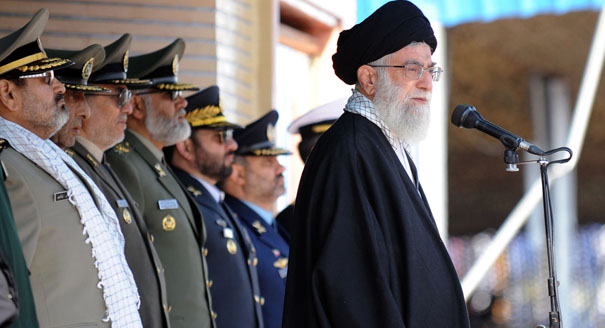
Although Iran has been making enriched uranium fuel, it is less clear if it is able to actually take nuclear material and make it into an explosive device.
Source: Sun News

"All these things are not trivial," Hibbs said, but "we know that Iran has been making the enriched uranium fuel, and they continue to do this." A report that came out this week speculates about how much of the needed fissile material Iran has, could make, and how it wants to use the material.
Hibbs pointed out, however, that it remains to be seen how much of the explosive work Iran can do or carry out to actually take nuclear material and make it into an explosive device. "It is a highly contentious issue," Hibbs said, adding "some evidence in the hands of the International Atomic Energy Agency explores this issue."
The concern for many people, Hibbs concluded, is the possibility that Iran still has undeclared, clandestine activities which no one knows about. "We don't really know much about what activities Iran has carried out outside of the declared activities."
Nonresident Senior Fellow, Nuclear Policy Program
Hibbs is a Germany-based nonresident senior fellow in Carnegie’s Nuclear Policy Program. His areas of expertise are nuclear verification and safeguards, multilateral nuclear trade policy, international nuclear cooperation, and nonproliferation arrangements.
Recent Work

Toby Dalton, Mark Hibbs, Nicole Grajewski, …
Mark Hibbs
Carnegie does not take institutional positions on public policy issues; the views represented herein are those of the author(s) and do not necessarily reflect the views of Carnegie, its staff, or its trustees.
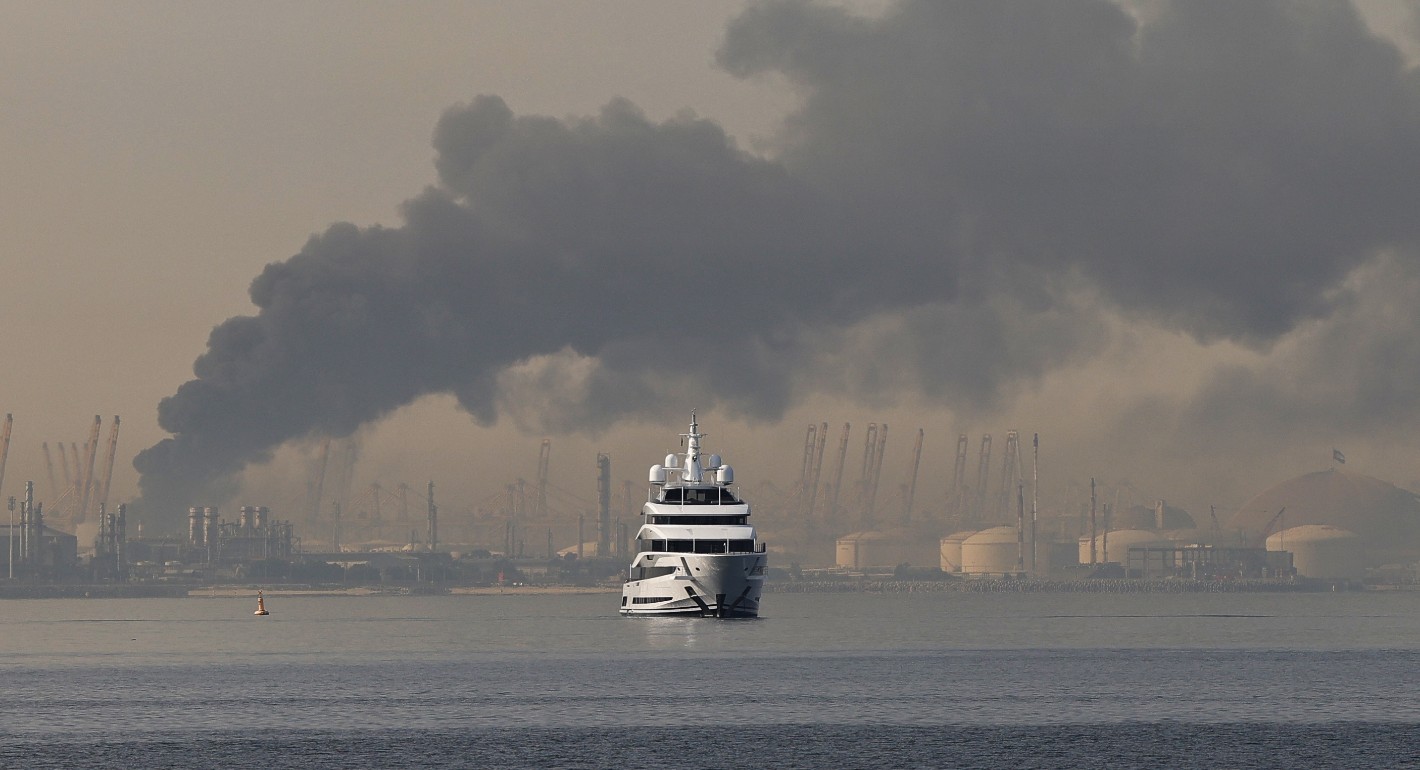
Only collective security can protect fragile economic models.

Andrew Leber
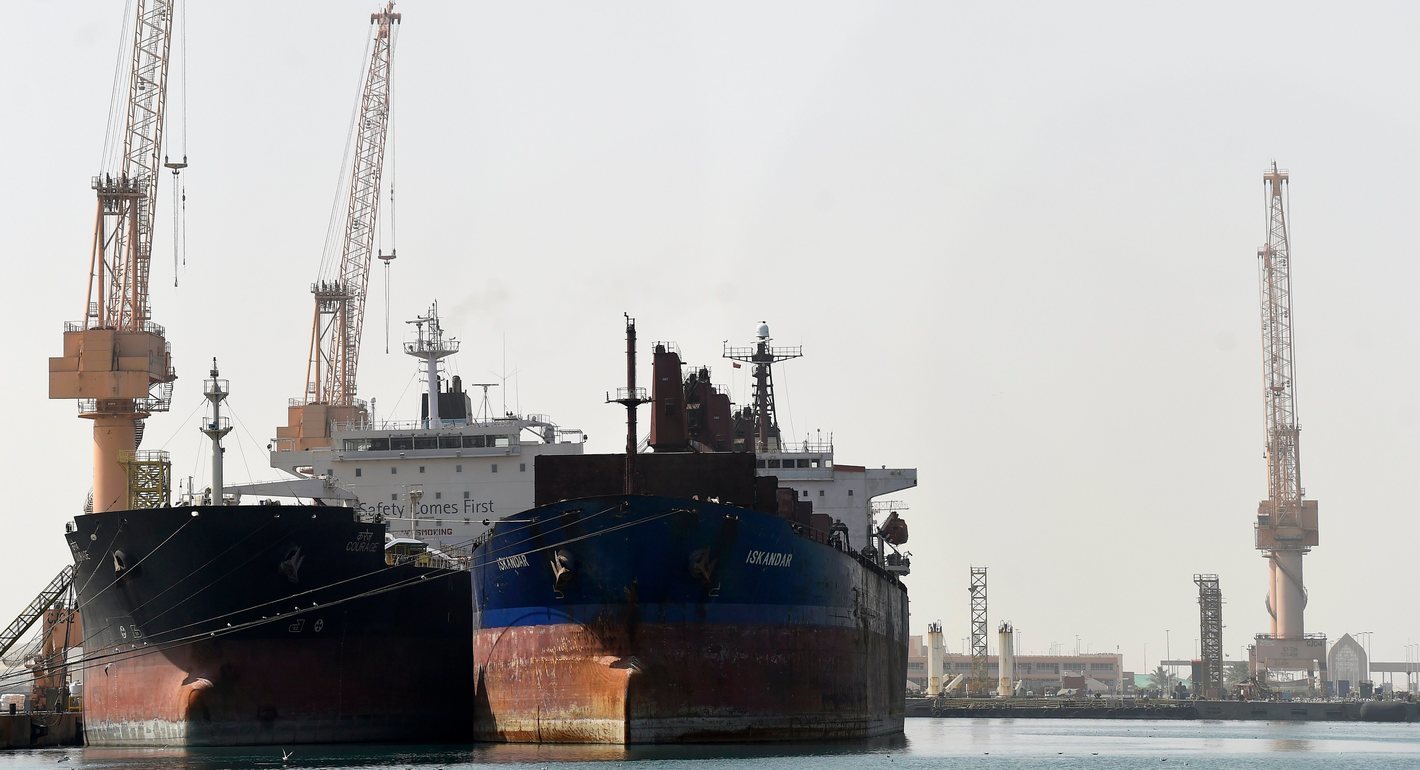
In a volatile Middle East, the Omani port of Duqm offers stability, neutrality, and opportunity. Could this hidden port become the ultimate safe harbor for global trade?
Giorgio Cafiero, Samuel Ramani
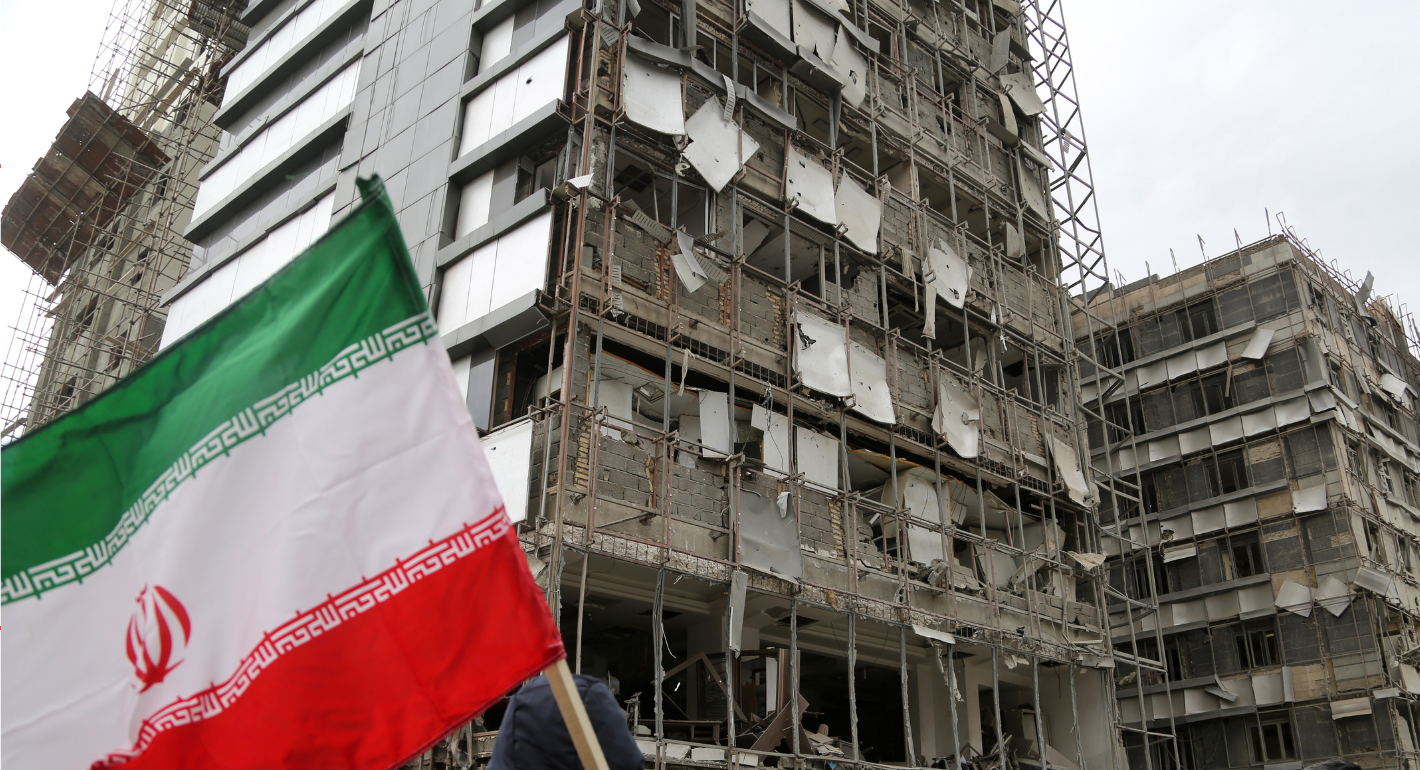
Europe’s reaction to the war in Iran has been disunited and meek, a far cry from its previously leading role in diplomacy with Tehran. To avoid being condemned to the sidelines while escalation continues, Brussels needs to stand up for international law.

Pierre Vimont
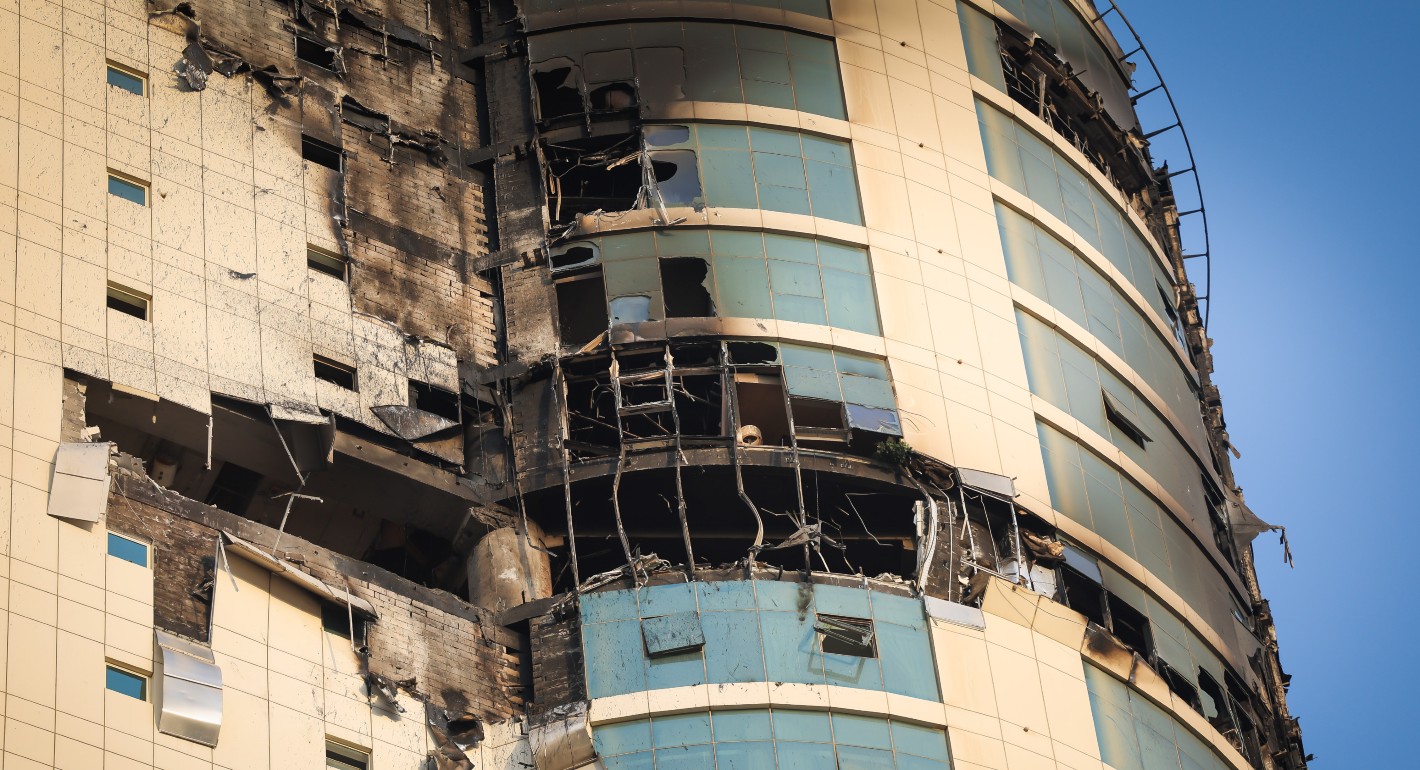
Two experts discuss how drone technology is shaping yet another conflict and what the United States can learn from Ukraine.
Steve Feldstein, Dara Massicot
Arguing that Chinese policy is hung on alliances—with imputations of obligation—misses the point.

Evan A. Feigenbaum