

Research
- +5
Alper Coşkun, Fatih Ceylan, Tacan İldem, …
{
  "authors": [
    "Sinan Ülgen"
  ],
  "type": "legacyinthemedia",
  "centerAffiliationAll": "",
  "centers": [
    "Carnegie Endowment for International Peace",
    "Carnegie Europe",
    "Malcolm H. Kerr Carnegie Middle East Center"
  ],
  "collections": [
    "Turkey’s Transformation",
    "Arab Awakening"
  ],
  "englishNewsletterAll": "",
  "nonEnglishNewsletterAll": "",
  "primaryCenter": "Carnegie Europe",
  "programAffiliation": "",
  "programs": [],
  "projects": [],
  "regions": [
    "Middle East",
    "Europe",
    "Türkiye",
    "Levant",
    "Syria"
  ],
  "topics": [
    "Political Reform",
    "Security"
  ]
}
Source: Getty
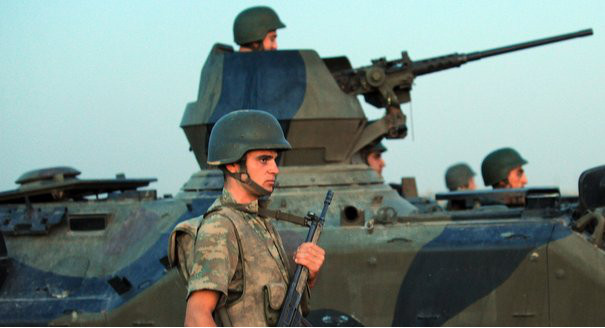
With Turkey’s decision to authorize military action in Syria, the wave of Arab uprisings threatens to degenerate into interstate conflict, with potentially disastrous consequences for regional stability.
Source: Financial Times

However, this does not mean that the crisis cannot be contained. A direct confrontation would damage Bashar al-Assad, the Syrian president. More active involvement by a large neighbour can only strengthen the opposition and precipitate regime change. But it would also be very costly for Turkey. Economic growth, the main achievement of the government, is already slowing. The uncertainties ushered in by a crisis with Syria would be bound to hit investment and growth further.
Turkey is also in the middle of constitutional reform, an exercise that does not mix well with war. The worsening security environment may make it impossible for politicians to make the trade-offs that would be required to establish a more liberal social contract. But above all, a direct confrontation with Syria would complicate the Turkish government’s efforts to deal with a resurgence of Kurdish terrorism.
However strong the arguments for containing the conflict, there is no hiding the fact that the dynamics unleashed by the Arab revolts now make the regional order extremely fragile. The international system has so far proved incapable of dealing with these regional consequences. It was relatively easy when revolts turned into reforms, as in Egypt or Tunisia. But when revolts failed and reforms became elusive, the internal fractures became sources of regional tension, now raising the possibility of interstate conflict. The international consensus that emerged for intervention to support the Libyan opposition is very unlikely to be replicated here, given Moscow’s position on Syria.
The emerging conflict between Turkey and Syria must therefore be seen as a reflection of the international system’s failure. The west’s reluctance to act on the responsibility to protect in Syria – an allegedly cherished concept – put Turkey in the vanguard of the reaction to the Assad regime. The international community must now face the consequences of its inaction.
But it must also begin a far broader debate, to reassess how and when safe zones should be set up within war-torn countries to prevent conflicts spreading to neighbouring nations and the region. Any future prospect of collective action based on the responsibility to protect depends on this discussion taking place now. A failure to undertake this critical dialogue will deal a fatal blow to the ability of the international system to uphold a moral order and punish violations of fundamental freedoms.
The immediate conclusion ought to be a shared decision to intervene in Syria and establish havens for Syrians fleeing the massacres orchestrated by the regime.
But in a world where the US is immersed in its election campaign, with little sympathy or attention to spare for international woes, and where the EU continues to battle one existential crisis after another over the euro, this is unlikely to happen. In its absence, the potential for this regional crisis to escalate suddenly is very real. The security blanket the international order once provided to prevent armed conflict breaking out between states, during the bipolar cold war era and the unipolar post-cold war years, is gone. This is a stark illustration of the risks the region now faces in its absence.

Senior Fellow, Carnegie Europe
Sinan Ülgen is a senior fellow at Carnegie Europe in Brussels, where his research focuses on Turkish foreign policy, transatlantic relations, international trade, economic security, and digital policy.
Recent Work

Alper Coşkun, Fatih Ceylan, Tacan İldem, …
Carnegie does not take institutional positions on public policy issues; the views represented herein are those of the author(s) and do not necessarily reflect the views of Carnegie, its staff, or its trustees.

An overwhelming victory by a far-right-wing party in a small state in eastern Germany will have major repercussions for Chancellor Friedrich Merz’s coalition.

Judy Dempsey

With the growth in points of friction between the great powers, organizations like the SCO will continue to play a role in the strategic adaptation of the smaller powers caught between them.

Temur Umarov
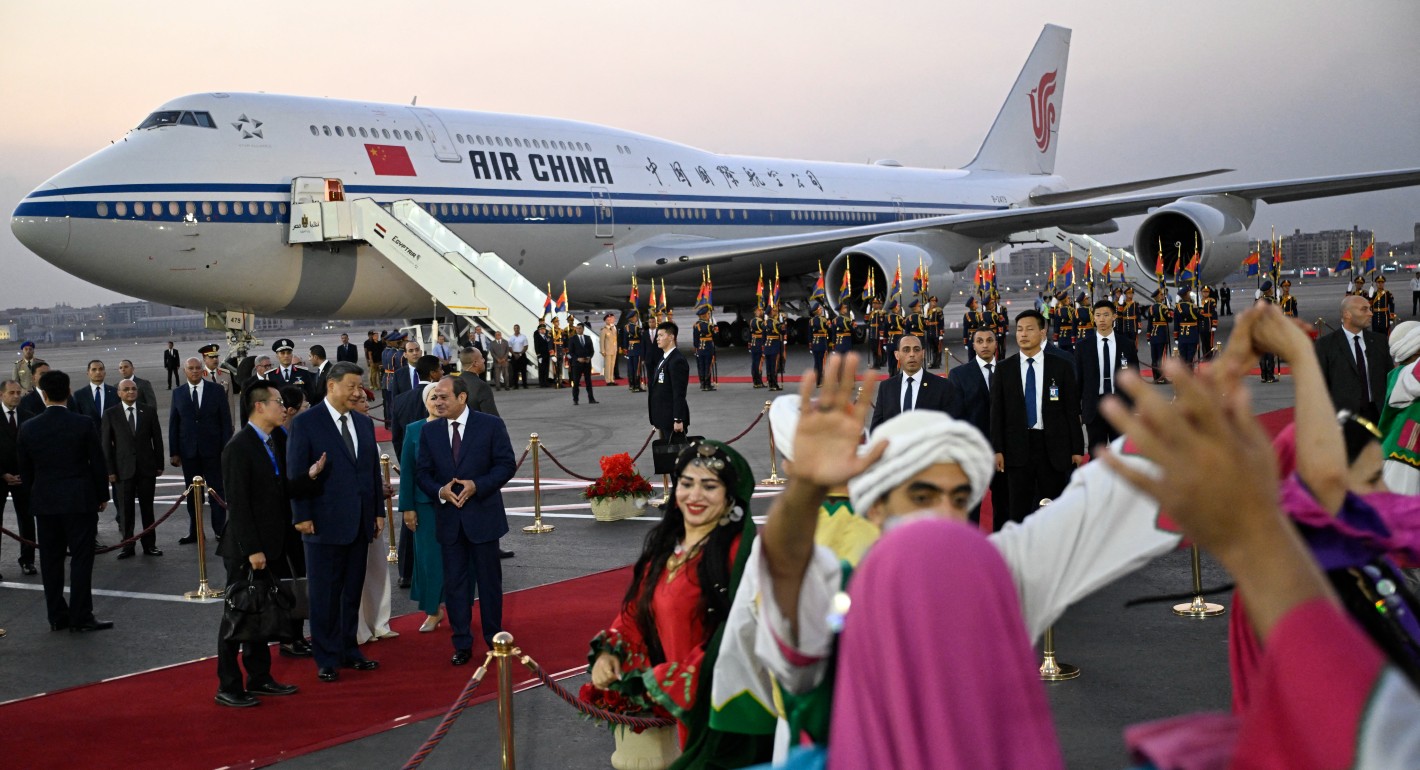
Amid celebrations of bilateral ties was a deeper focus on stability in the Middle East.

Amr Hamzawy

Canadian Prime Minister Mark Carney has twice inspired praise for standing up to U.S. President Donald Trump: at the 2026 World Economic Forum in Davos and on Canada-U.S. trade negotiations. Is Carney showing a third way better than the EU has in dealing with the Trump administration?

Rym Momtaz, ed.
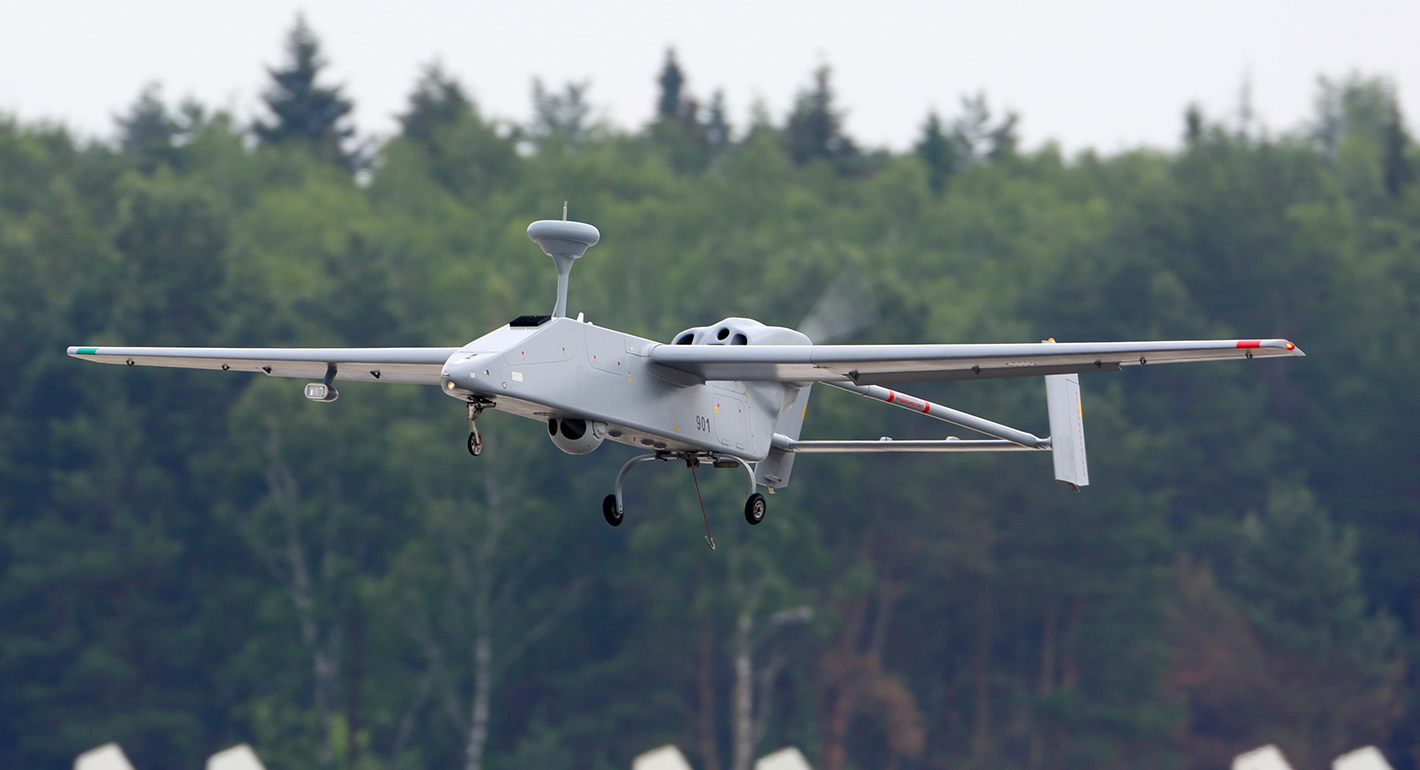
Moscow is testing Europe’s defenses with drone incursions and could decide to use drones against the continent on a much larger scale once the war in Ukraine pauses. European countries will need Kyiv to help them prepare for such a possibility.
Pavlo Zvenyhorodskyi