

Article
Marc Pierini
{
  "authors": [
    "Marc Pierini"
  ],
  "type": "legacyinthemedia",
  "centerAffiliationAll": "",
  "centers": [
    "Carnegie Endowment for International Peace",
    "Carnegie Europe",
    "Malcolm H. Kerr Carnegie Middle East Center"
  ],
  "collections": [
    "Arab Awakening"
  ],
  "englishNewsletterAll": "",
  "nonEnglishNewsletterAll": "",
  "primaryCenter": "Carnegie Europe",
  "programAffiliation": "",
  "programs": [],
  "projects": [],
  "regions": [
    "Middle East",
    "Levant",
    "Syria"
  ],
  "topics": [
    "Foreign Policy",
    "Political Reform",
    "Security"
  ]
}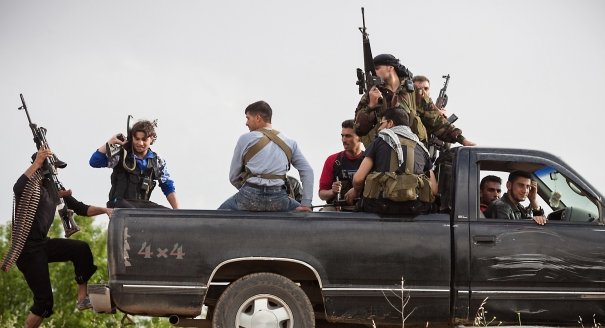
Source: Getty
There is a dire need for a moderating voice capable of steering the Damascus regime toward a reassessment of its situation and a more reasonable course of action towards a transition process.
Source: Hurriyet Daily News

Syria is now a country where nothing can work normally anymore, where even regular troops do not have functioning supply lines, a country where entire city districts have been destroyed, homes and infrastructure, schools and hospitals alike. This will need years of costly efforts to rebuild. One wonders if the Damascus regime has a clear objective at all. Or if it even has a clear picture of the real situation.
Can the social fabric be sewn together again? Assuming the Syrian president survives all this, what would his relationship be with the Syrian people? How many real supporters would such a president still enjoy? Ten thousand, 100,000? Where would he shelter them from popular rage?So far, the Damascus regime has enjoyed unlimited support from Tehran, Beijing and Moscow. But maybe this is now cracking at the seams.
Tehran has its own set of reasons to oppose the West, including by proxy. But a few days ago, Tehran went public against the eventual use of chemical weapons by Damascus. This is new.
Beijing is sticking to its position of no foreign interference whatsoever, wherever. Apart from the sheer value of the principle, what are China’s gains in letting the bloodshed continue without interference? Or in seeing cross-border incidents develop? When will come the time for Beijing to exert a moderating influence?
Russia has a naval base in Tartus, that’s an important fact indeed. But at the same time, Moscow has firmly called Damascus to moderation in the recent skirmishes at Turkish border. And it has obviously not been pleased with the recent arrest of the few opposition activists still present in Syria. With Syria heading for lasting chaos, where would Russia find its long-term interests served?
As unpredictability sets in at the People’s Palace in Damascus, the hitherto appreciated authoritarian ally in Damascus might well turn into an embarrassing ally: The longer the revolution drags on, the more religiously radical the opposition becomes, and the higher the probability of an Islamist regime becomes.
Yet, there is worse. As its situation deteriorates and as it feels increasingly desperate, the predictable temptation of the Damascus regime will be to internationalize the conflict. The recent Akçakale incidents with Turkey are a first indication. Yet, much worse things could happen involving heavy artillery, aircrafts, missiles and chemical weapons.
A simple question then arises: How does this fit the interests of Moscow or Beijing? Why would they let the Damascus regime spread fire to the region, with all the consequences one can easily foresee?
At this stage of the Syrian revolution, with no end in sight to the fighting, there is a dire need for a moderating voice capable of steering the Damascus regime toward both a sober reassessment of its situation and a more reasonable course of action towards a transition process.
Let’s assume that nobody in the People’s Palace would listen to Ankara anymore, let’s assume Washington, London or Paris are somewhat neutralized by the deadlock in the U.N. Security Council.
Then a huge and immediate responsibility falls on Moscow and Beijing: steering Syria toward something other than just more bloodshed. They may have the clout necessary to engineer a transitional solution which proves palatable enough for Mr. al-Assad. With hopefully the help of Europe, Turkey and the United States.
This article originally appeared in the Hurriyet Daily News.

Senior Fellow, Carnegie Europe
Marc Pierini is a senior fellow at Carnegie Europe, where his research focuses on developments in the Middle East and Turkey from a European perspective.
Recent Work
Marc Pierini
Marc Pierini
Carnegie does not take institutional positions on public policy issues; the views represented herein are those of the author(s) and do not necessarily reflect the views of Carnegie, its staff, or its trustees.

The books, podcasts, and films that explain the world it made.

Andrew Leber
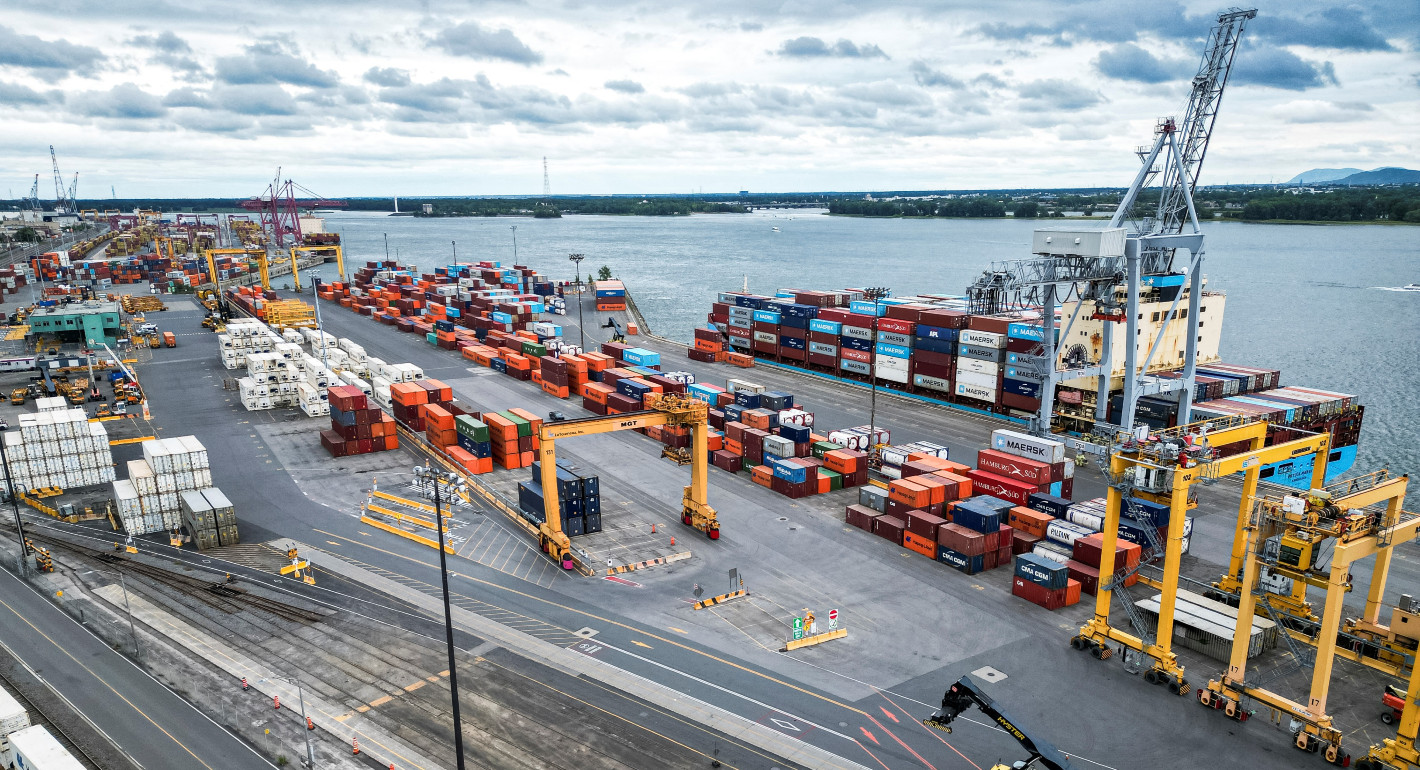
U.S. trading partners in Asia are closely watching the dispute for signs of how it may affect their own interests.
Barbara Weisel

The aftermath of the Ceuta crisis shows Europe has drawn the wrong lessons. Rather than doubling down on failed migration policies, the EU needs to address the underlying roots of such episodes.

Richard Youngs
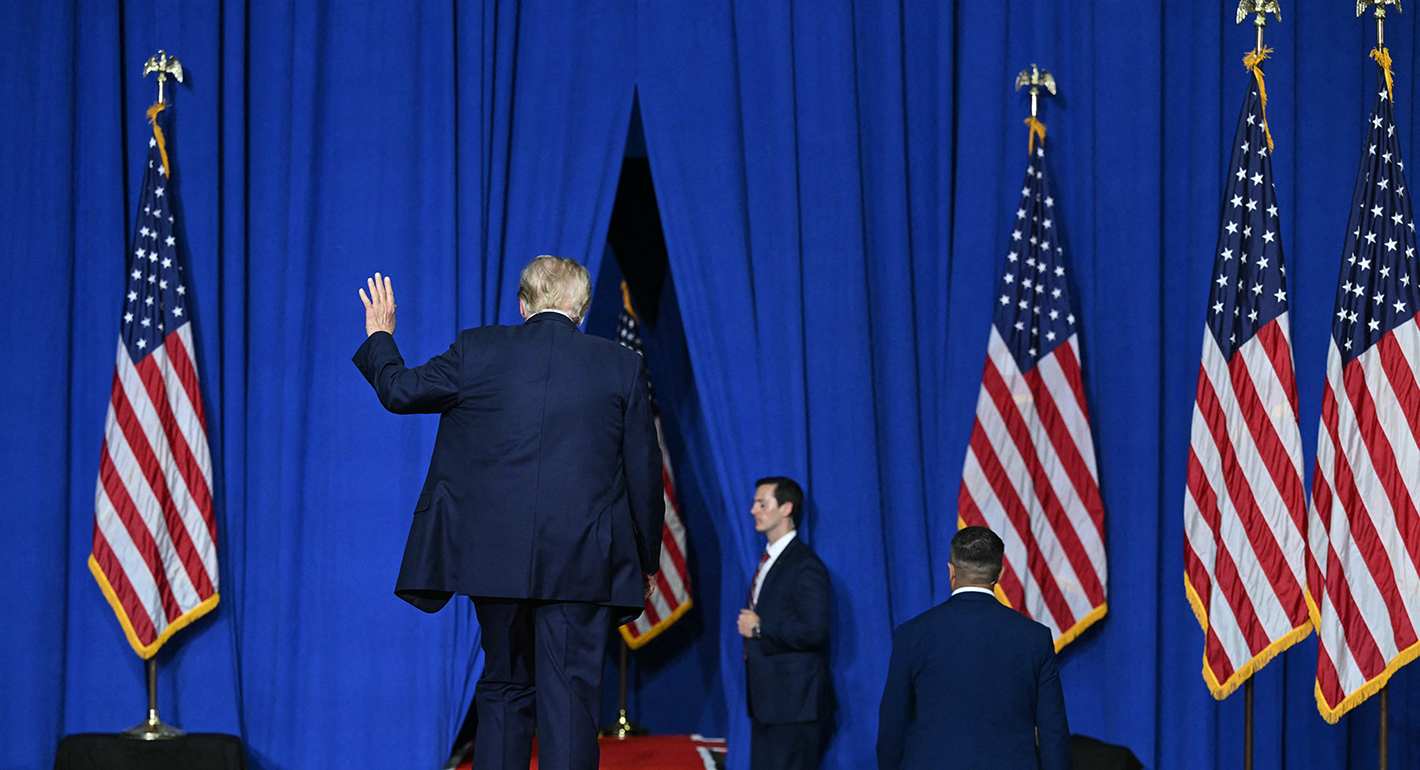
By abandoning past U.S. pro-democracy policies and adopting several lines of pro-autocratic action, the Trump administration has fundamentally repositioned the United States vis-à-vis democracy in the world.

Thomas Carothers
Chinese strategists are once again debating whether American power is declining and whether U.S. hegemony is experiencing irreversible decay.
Wu Xinbo