

Article
Marc Pierini
{
  "authors": [
    "Marc Pierini"
  ],
  "type": "legacyinthemedia",
  "centerAffiliationAll": "",
  "centers": [
    "Carnegie Endowment for International Peace",
    "Carnegie Europe",
    "Malcolm H. Kerr Carnegie Middle East Center"
  ],
  "collections": [
    "Turkey’s Transformation"
  ],
  "englishNewsletterAll": "",
  "nonEnglishNewsletterAll": "",
  "primaryCenter": "Carnegie Europe",
  "programAffiliation": "",
  "programs": [],
  "projects": [],
  "regions": [
    "Middle East",
    "Europe",
    "Türkiye"
  ],
  "topics": [
    "Political Reform",
    "Democracy"
  ]
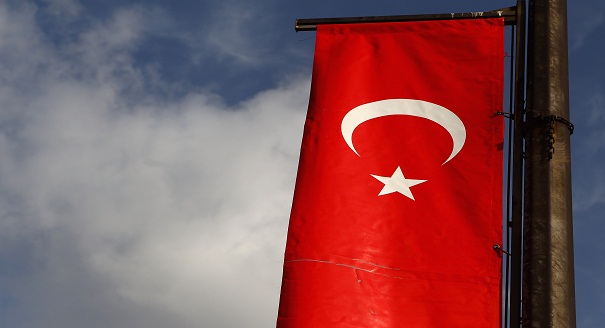
}
Source: Getty
Journalist Mehmet Ali Birand never focused his analyses on personalities but rather on subject matters and in doing so, he avoided excessive polarization and opted to look at the future with hope.
Source: Hürriyet Daily News

The day after I took up my duties in Ankara in November 2006, I asked my press officer who were the “big names” in Turkish journalism. Mehmet Ali was of course at the top of the list, so within a couple of weeks I went to visit him at the Doğan Media Complex in Istanbul. Aware that in the few years before the relationship between the EU Delegation and him wasn’t intense, I started up with a smile: “I am here to fill a gap and to benefit from your expertise in the EU-Turkey relationship” (of which he was a major expert, as everybody knows). He replied with his legendary laughter and we became instant friends. Ever so after, I was able to see him regularly, either one-on-one in his office overlooking one of Istanbul’s busiest highways or in my press lunches with a small group of “regulars” whom I was so fond of.
What struck me with Mehmet Ali was his even-tempered approach to all things and, when confronted with hot pieces of news, his way of stepping back, pausing and coming up with a naturally “mature” analysis. Never bowing to influence, never excessive in his comments, always honest to his interviewee (for an ambassador, this is a defining characteristic), he was a star for the diplomatic corps and an example for Turkish journalists, as can be seen in the many tributes paid to him since his demise.Why is Mehmet Ali Birand’s example important in the current debate about advancing press freedom in Turkey? Why should he inspire all those concerned, in the media world and in the political sphere? As a keen foreign observer of Turkey, I would simply answer this: contrary to Turkish political habits, Mehmet Ali never focused his analyses on personalities but rather on subject matters. In so doing, he avoided excessive polarization and opted to look at the future with hope.
Read again his last column about the funerals in Diyarbakır and the Halki Seminary. On both subjects, Mehmet Ali drew attention to the core issues. In Diyarbakır, both the Kurdish side and the state should avoid provocation, he said, and give a chance to the ongoing process of discussion (which they actually did). In Halki, the return of the land to the Monastery Foundation is a great step taken by the government, yet another step is still to come, the opening of the seminary. What is the common thread here? Turkey is rich in its diversity and should patiently organize coexistence and tolerance among all its citizens.
This is exactly what a free press is all about: uninhibited debate that is aimed at making society better and attaining consensus, not fueling hatred. This is exactly Mehmet Ali’s great legacy.
Thank you, friend, and rest in peace.
This article was originally published, in a slightly different form, in the Hürriyet Daily News.

Senior Fellow, Carnegie Europe
Marc Pierini is a senior fellow at Carnegie Europe, where his research focuses on developments in the Middle East and Turkey from a European perspective.
Recent Work
Marc Pierini
Marc Pierini
Carnegie does not take institutional positions on public policy issues; the views represented herein are those of the author(s) and do not necessarily reflect the views of Carnegie, its staff, or its trustees.

Amid celebrations of bilateral ties was a deeper focus on stability in the Middle East.

Amr Hamzawy

Canadian Prime Minister Mark Carney has twice inspired praise for standing up to U.S. President Donald Trump: at the 2026 World Economic Forum in Davos and on Canada-U.S. trade negotiations. Is Carney showing a third way better than the EU has in dealing with the Trump administration?

Rym Momtaz, ed.
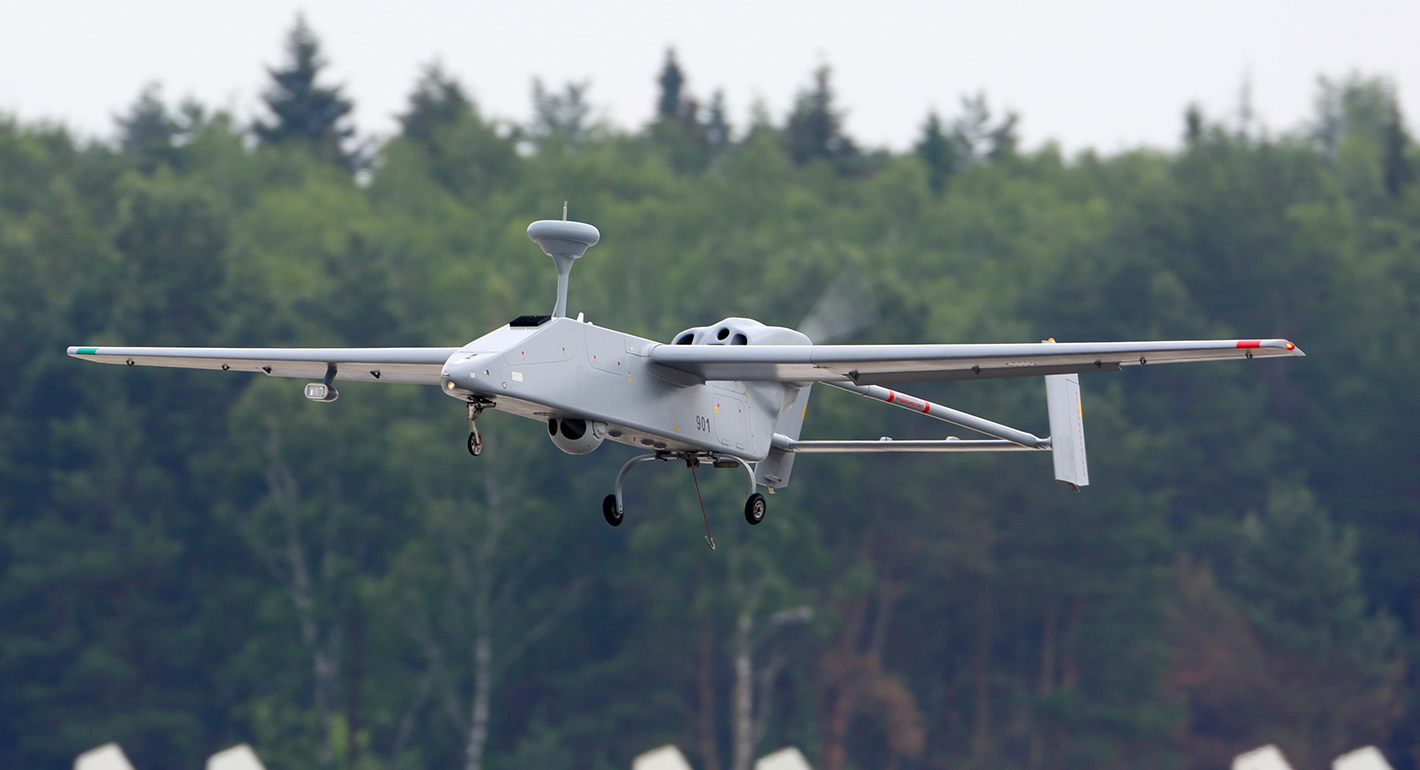
Moscow is testing Europe’s defenses with drone incursions and could decide to use drones against the continent on a much larger scale once the war in Ukraine pauses. European countries will need Kyiv to help them prepare for such a possibility.
Pavlo Zvenyhorodskyi

The EU’s responses to two recent incidents expose the gulf between European perceptions and capabilities. Unless the union can bridge that gap, it will never become a real geostrategic power.
Rym Momtaz
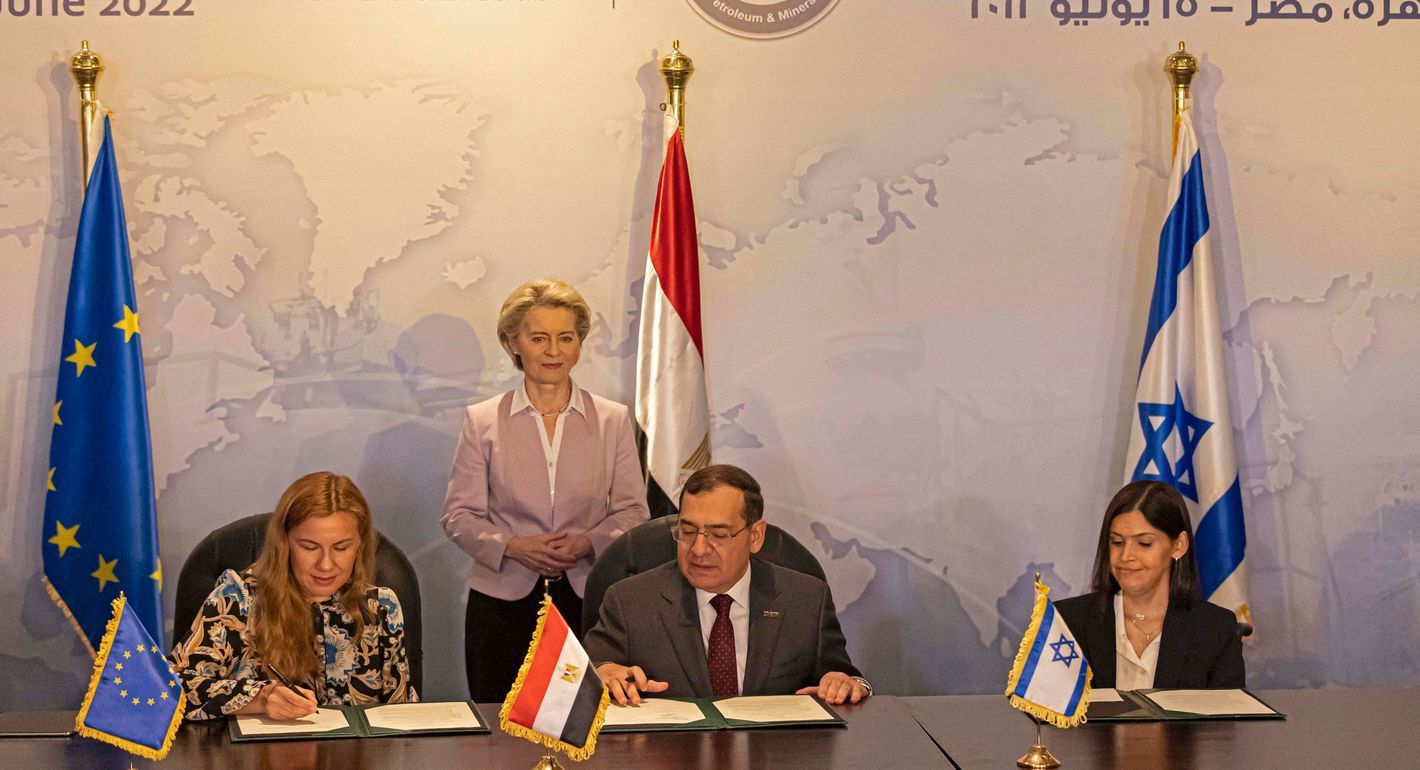
Can economic ties help contain conflict between Egypt and Israel, or do they simply postpone confrontation? Drawing on the German-Russian experience, the article examines how the gas deal creates mutual dependence, keeps channels of cooperation open, and raises the cost of conflict, without necessarily delivering lasting peace.
Nourhan Hefzy