• Research
  • Emissary
  • About
  • Experts
Carnegie Global logoCarnegie lettermark logo
DemocracyIran
  • Donate
{
  "authors": [
    "Deborah Gordon"
  ],
  "type": "other",
  "centerAffiliationAll": "dc",
  "centers": [
    "Carnegie Endowment for International Peace"
  ],
  "collections": [],
  "englishNewsletterAll": "ctw",
  "nonEnglishNewsletterAll": "",
  "primaryCenter": "Carnegie Endowment for International Peace",
  "programAffiliation": "SCP",
  "programs": [
    "Sustainability, Climate, and Geopolitics"
  ],
  "projects": [],
  "regions": [
    "North America",
    "United States"
  ],
  "topics": [
    "Climate Change"
  ]
}
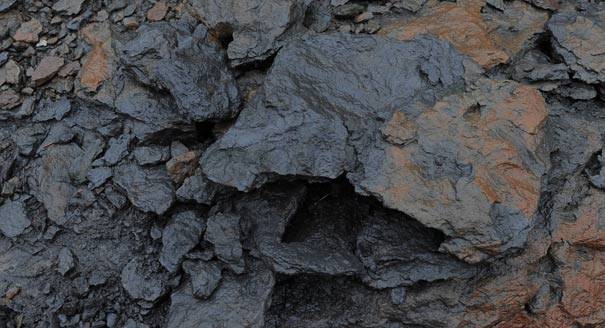
Source: Getty

Other

Unconventional Oil and Climate Impacts

While worldwide supplies of accessible oil are growing, the array of emerging unconventional oil is diversifying. These new oil sources pose important energy, environmental, security, and climate challenges.

Link Copied
By Deborah Gordon
Published on Jan 9, 2013
Program mobile hero image

Program

Sustainability, Climate, and Geopolitics

The Sustainability, Climate, and Geopolitics Program explores how climate change and the responses to it are changing international politics, global governance, and world security. Our work covers topics from the geopolitical implications of decarbonization and environmental breakdown to the challenge of building out clean energy supply chains, alternative protein options, and other challenges of a warming planet.

Learn More

While worldwide supplies of accessible oil are growing, the array of emerging unconventional oil is diversifying. These new oil sources pose important energy, environmental, security, and climate challenges.

About the Author

Deborah Gordon

Former Director and Senior Fellow, Energy and Climate Program

Gordon was director of Carnegie’s Energy and Climate Program, where her research focuses on oil and climate change issues in North America and globally.

    Recent Work

  • Article
    Petroleum Companies Need a Credible Climate Plan

      Deborah Gordon, Stephen D. Ziman

  • Article
    Advancing Public Climate Engineering Disclosure

      Deborah Gordon, Smriti Kumble, David Livingston

Deborah Gordon
Former Director and Senior Fellow, Energy and Climate Program
Deborah Gordon
Climate ChangeNorth AmericaUnited States

Carnegie does not take institutional positions on public policy issues; the views represented herein are those of the author(s) and do not necessarily reflect the views of Carnegie, its staff, or its trustees.
More Work from Carnegie Endowment for International Peace

  • Commentary
    Diwan
    Why Does the Middle East Suffer “Forever Wars”?

    Because perpetual conflict enhances control, offers economic benefits, and allows leaders to ignore popular preferences.

      • Angie Omar

      Angie Omar

  • Commentary
    Strategic Europe
    How the EU Can Become Energy Independent

    The closure of the Strait of Hormuz has triggered a global energy crisis, but Europe is stuck in reaction mode. Without more strategic foresight, the EU will remain dependent on fossil fuels and will never be truly secure.

      Milo McBride, Pauline Gerard

  • Commentary
    Cities Have a Crucial Role to Play in Advancing Climate Mobility Priorities

    Ensuring that cities’ perspectives shape international discussions at this year’s forums is not just equitable; it is likely to produce better outcomes.

      • Marissa Jordan

      Liliana Gamboa, Marissa Jordan

  • Article
    Climate Pressures in Algeria: The Crisis in Rural Kabylie

    Understanding how farmers in the Oued Sahel-Soummam Valley grapple with climate change is essential for addressing the paradoxes through which adaptation, operating at both individual and institutional levels, deepens the region’s vulnerability and erodes the social fabric and agrarian identity that once defined life.

      Ilyssa Yahmi

  • Commentary
    Strategic Europe
    Taking the Pulse: Is it Worth it for Europeans to Placate Trump?

    After spending much of 2025 trying to placate Donald Trump, some European leaders are starting to change posture. But is even a hostile Washington still so important to Europe that the U.S. president’s outbursts are worth putting up with?

      • Rym Momtaz

      Rym Momtaz, ed.

Get more news and analysis from
Carnegie Endowment for International Peace
Carnegie global logo, stacked
1779 Massachusetts Avenue NWWashington, DC, 20036-2103Phone: 202 483 7600
  • Research
  • Emissary
  • About
  • Experts
  • Donate
  • Programs
  • Events
  • Blogs
  • Podcasts
  • Contact
  • Annual Reports
  • Careers
  • Privacy
  • For Media
  • Government Resources
Get more news and analysis from
Carnegie Endowment for International Peace
© 2026 Carnegie Endowment for International Peace. All rights reserved.