

Article
Wang Tao
{
  "authors": [
    "Wang Tao"
  ],
  "type": "legacyinthemedia",
  "centerAffiliationAll": "",
  "centers": [
    "Carnegie Endowment for International Peace",
    "Carnegie China"
  ],
  "collections": [
    "China’s Foreign Relations"
  ],
  "englishNewsletterAll": "",
  "nonEnglishNewsletterAll": "",
  "primaryCenter": "Carnegie China",
  "programAffiliation": "",
  "programs": [],
  "projects": [],
  "regions": [
    "East Asia",
    "China",
    "Russia"
  ],
  "topics": [
    "Climate Change",
    "Foreign Policy"
  ]
}
Source: Getty
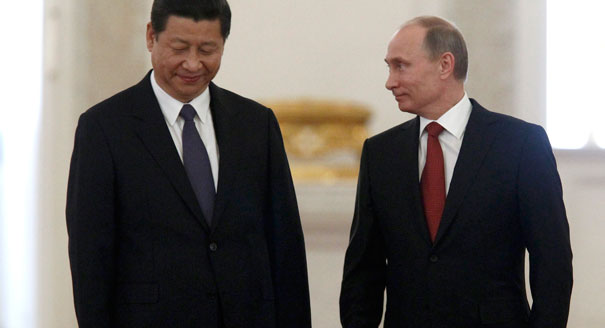
China should not lose sight of the need to develop more sustainable and renewable ways of meeting its energy demands, even as the country looks set to form new energy ties with Russia.
Source: CCTV
Speaking to CCTV, Carnegie’s Wang Tao discussed the future of energy cooperation between China and Russia as the two powers seek to implement a series of agreements currently impeded by disagreements over gas prices and pipeline construction. While “strong energy cooperation” would be a “great breakthrough,” Wang Tao recognized that such collaboration will need time to develop.
Turning to the growing role of energy as a major contributor to Chinese diplomacy, Wang highlighted that China’s oil and energy state owned enterprises have been investing abroad for years to meet rising energy demands in China. Nevertheless, Wang said that China should be simultaneously investing in renewable and sustainable energy sources and technologies to secure China’s energy needs in the long run. <
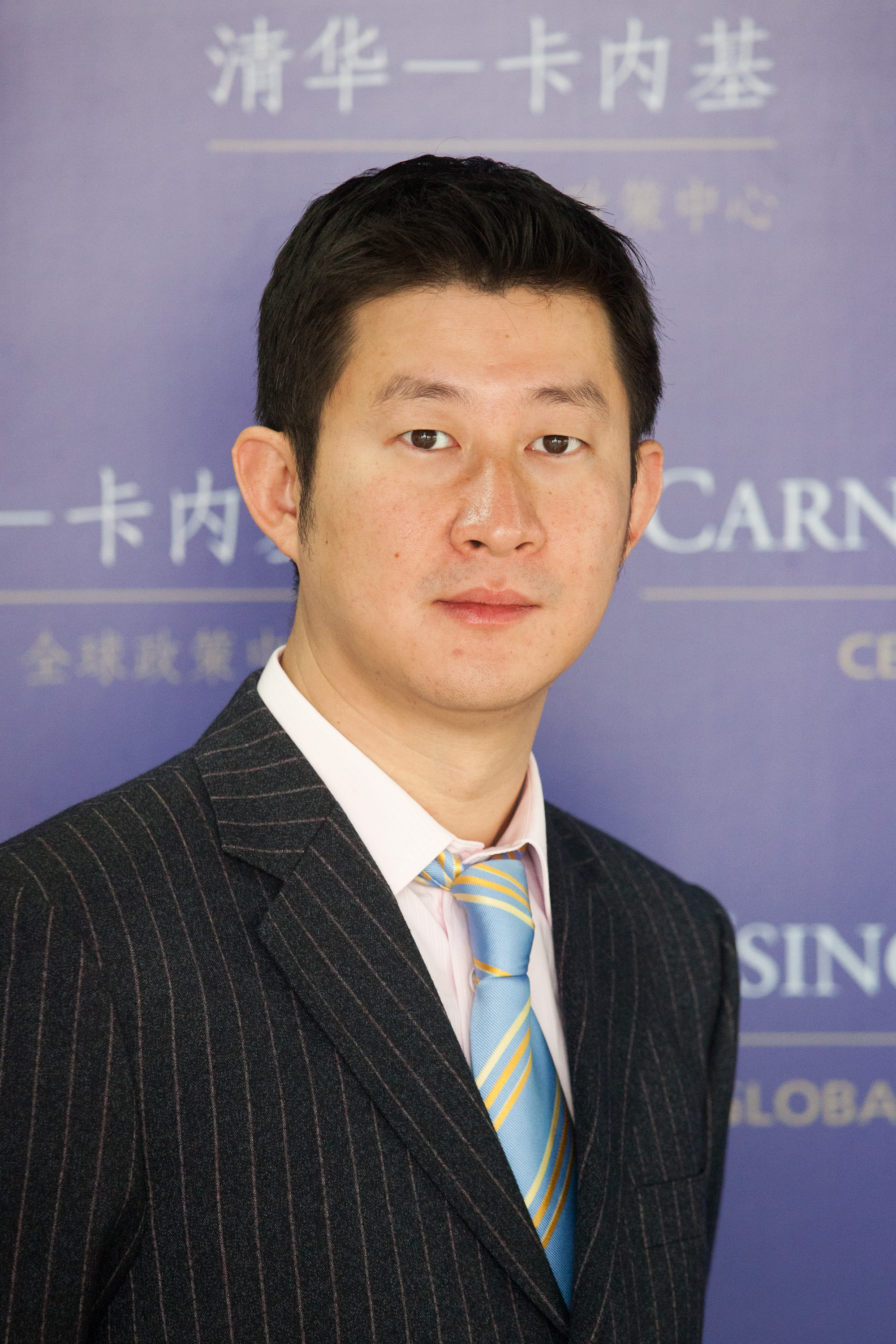
Former Nonresident Scholar, Carnegie-Tsinghua Center for Global Policy
Wang Tao was a nonresident scholar in the Energy and Climate Program based at the Carnegie–Tsinghua Center for Global Policy.
Recent Work
Wang Tao
Wang Tao, Yang Yifang
Carnegie does not take institutional positions on public policy issues; the views represented herein are those of the author(s) and do not necessarily reflect the views of Carnegie, its staff, or its trustees.
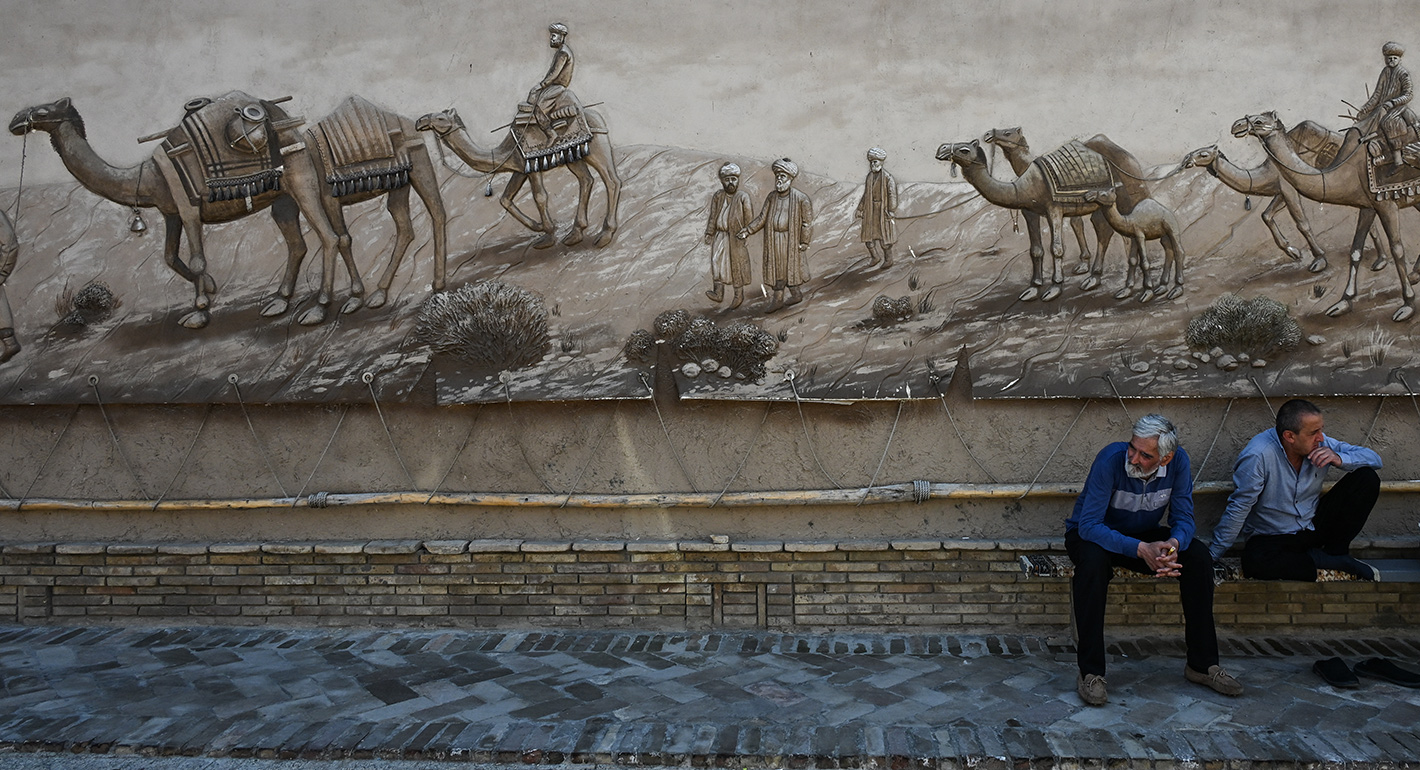
“Central Asia” as an analytical category is itself part of the problem. The term is a Soviet administrative inheritance, drawn along lines that served the convenience of Moscow. The Central Asian states the Soviets named no longer see themselves through this category alone and are not aligning across political blocs but are instead building external partnerships sector by sector, assigning different partners to different functions.

Jennifer B. Murtazashvili
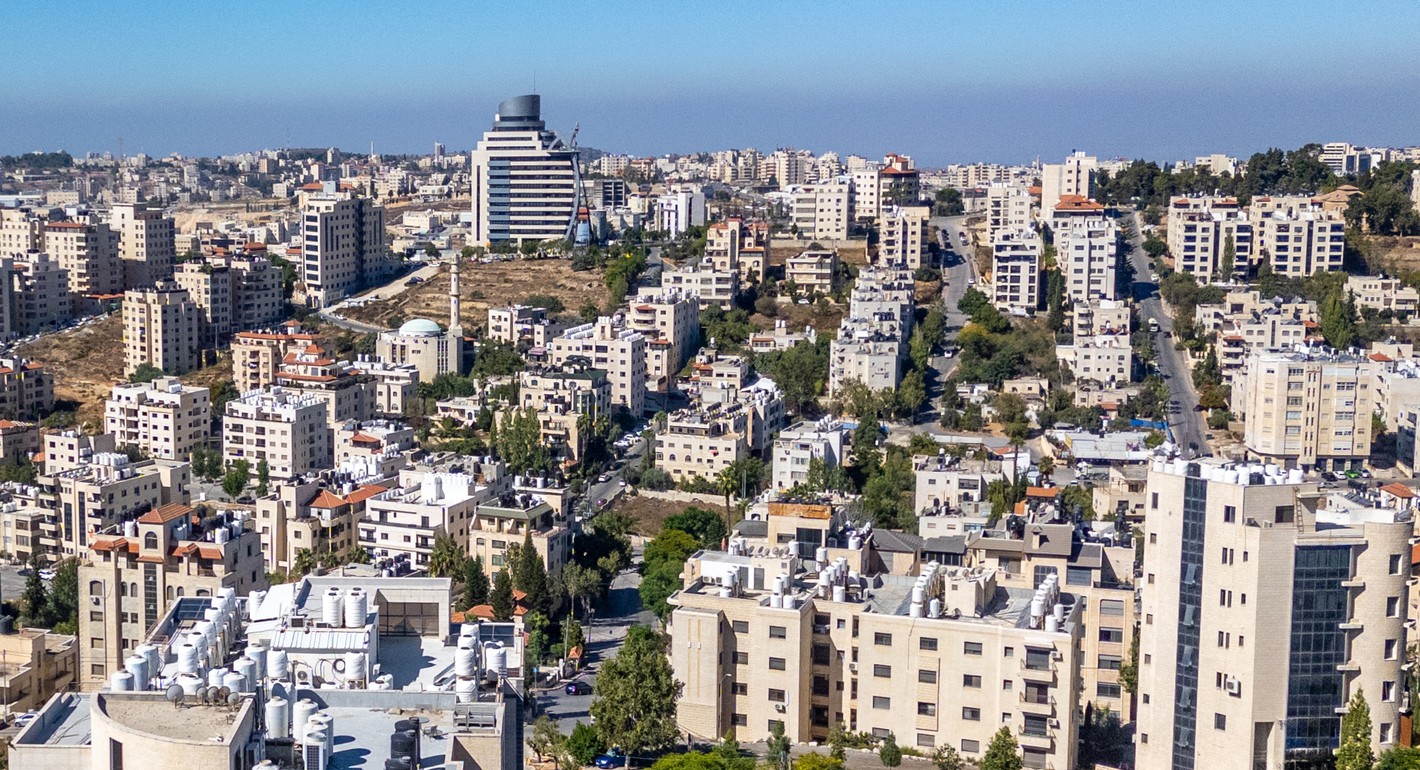
Barriers ranging from weak legal frameworks to ongoing, occupation-related limitations are constraining Palestine from achieving its ambitious climate targets.
Joy Arkeh, Nabil Nasser

The cost of air defense has become an unregistered tax on revenue for businesses. While military rents are consolidated in the federal budget, the costs of defense are being spread across the balance sheets of companies and regional governments.

Alexandra Prokopenko
Previous dialogues ended in failure. This time could be different.

Scott Singer
Why the outcomes of the U.S.-China meetings may be limited.

Aaron David Miller, David Rennie