

Article
Wang Tao
{
  "authors": [
    "Wang Tao"
  ],
  "type": "legacyinthemedia",
  "centerAffiliationAll": "",
  "centers": [
    "Carnegie Endowment for International Peace",
    "Carnegie China"
  ],
  "collections": [
    "China’s Foreign Relations"
  ],
  "englishNewsletterAll": "",
  "nonEnglishNewsletterAll": "",
  "primaryCenter": "Carnegie China",
  "programAffiliation": "",
  "programs": [],
  "projects": [],
  "regions": [
    "East Asia",
    "China",
    "Russia"
  ],
  "topics": [
    "Climate Change",
    "Foreign Policy"
  ]
}
Source: Getty
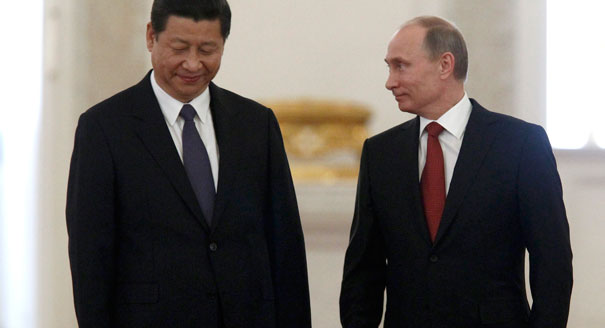
China should not lose sight of the need to develop more sustainable and renewable ways of meeting its energy demands, even as the country looks set to form new energy ties with Russia.
Source: CCTV
Speaking to CCTV, Carnegie’s Wang Tao discussed the future of energy cooperation between China and Russia as the two powers seek to implement a series of agreements currently impeded by disagreements over gas prices and pipeline construction. While “strong energy cooperation” would be a “great breakthrough,” Wang Tao recognized that such collaboration will need time to develop.
Turning to the growing role of energy as a major contributor to Chinese diplomacy, Wang highlighted that China’s oil and energy state owned enterprises have been investing abroad for years to meet rising energy demands in China. Nevertheless, Wang said that China should be simultaneously investing in renewable and sustainable energy sources and technologies to secure China’s energy needs in the long run. <
Former Nonresident Scholar, Carnegie-Tsinghua Center for Global Policy
Wang Tao was a nonresident scholar in the Energy and Climate Program based at the Carnegie–Tsinghua Center for Global Policy.
Recent Work
Wang Tao
Wang Tao, Yang Yifang
Carnegie does not take institutional positions on public policy issues; the views represented herein are those of the author(s) and do not necessarily reflect the views of Carnegie, its staff, or its trustees.
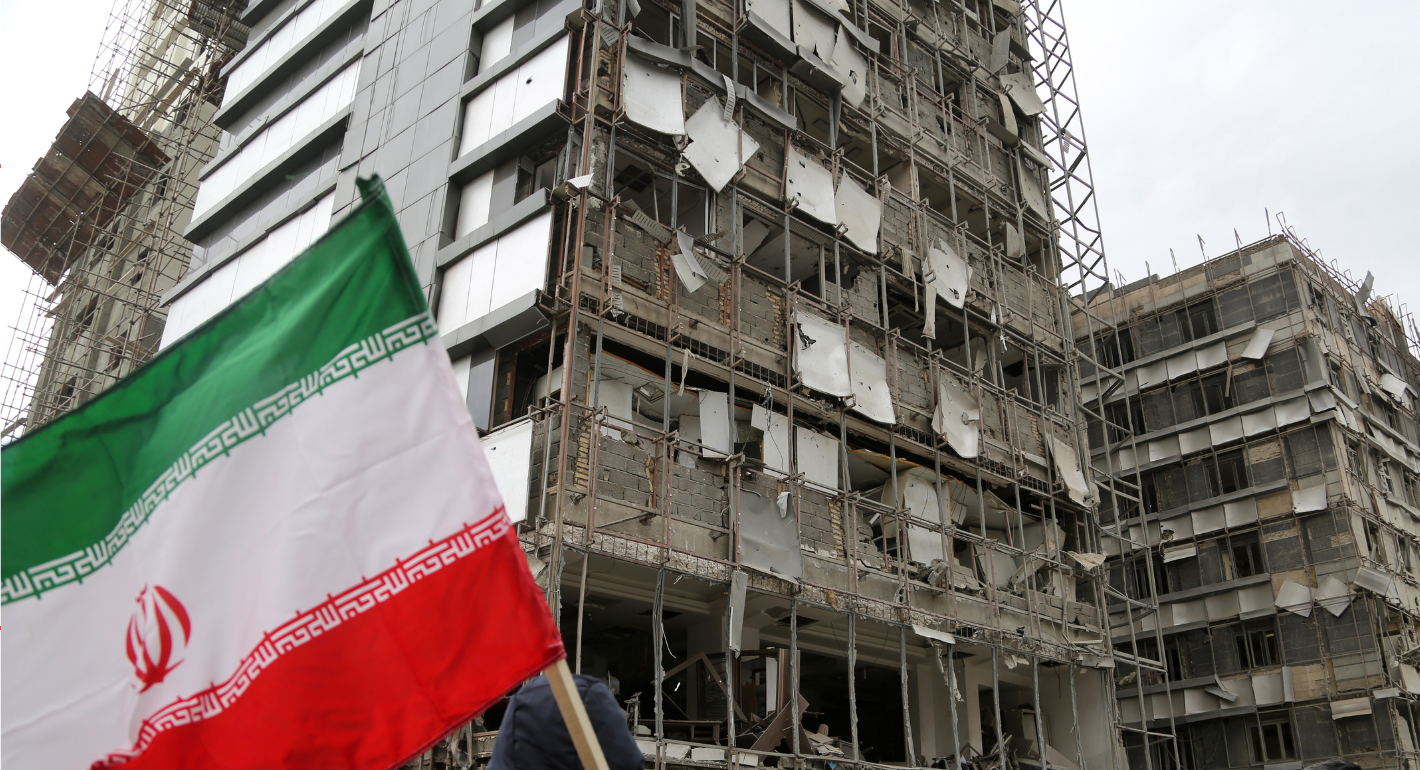
Europe’s reaction to the war in Iran has been disunited and meek, a far cry from its previously leading role in diplomacy with Tehran. To avoid being condemned to the sidelines while escalation continues, Brussels needs to stand up for international law.

Pierre Vimont
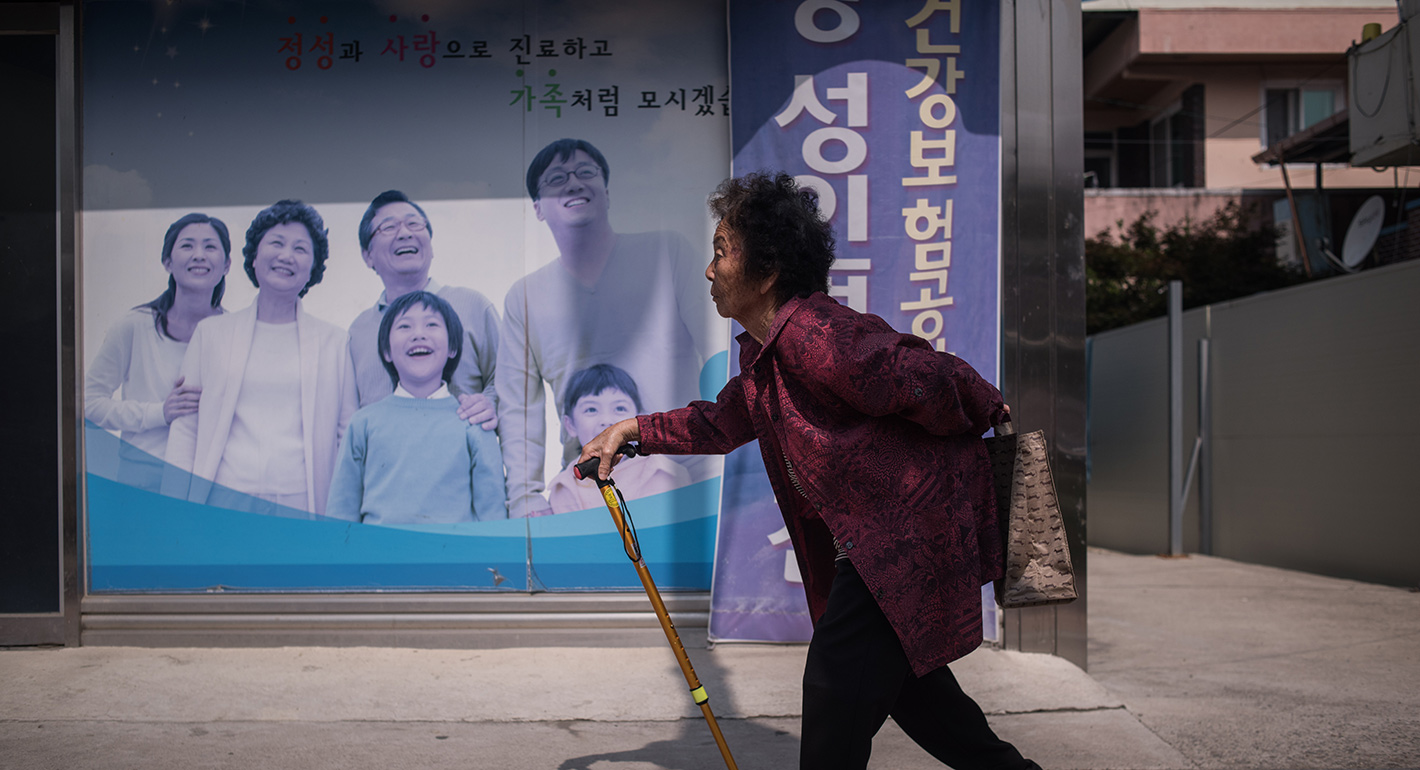
South Korea’s rapid demographic transition previews governance challenges many advanced and middle-income economies will face. This paper argues that aging is not only a care issue but a structural governance challenge—reshaping welfare, productivity, and fiscal sustainability, and reorganizing responsibilities across the state, private sector, and society.

Darcie Draudt-Véjares
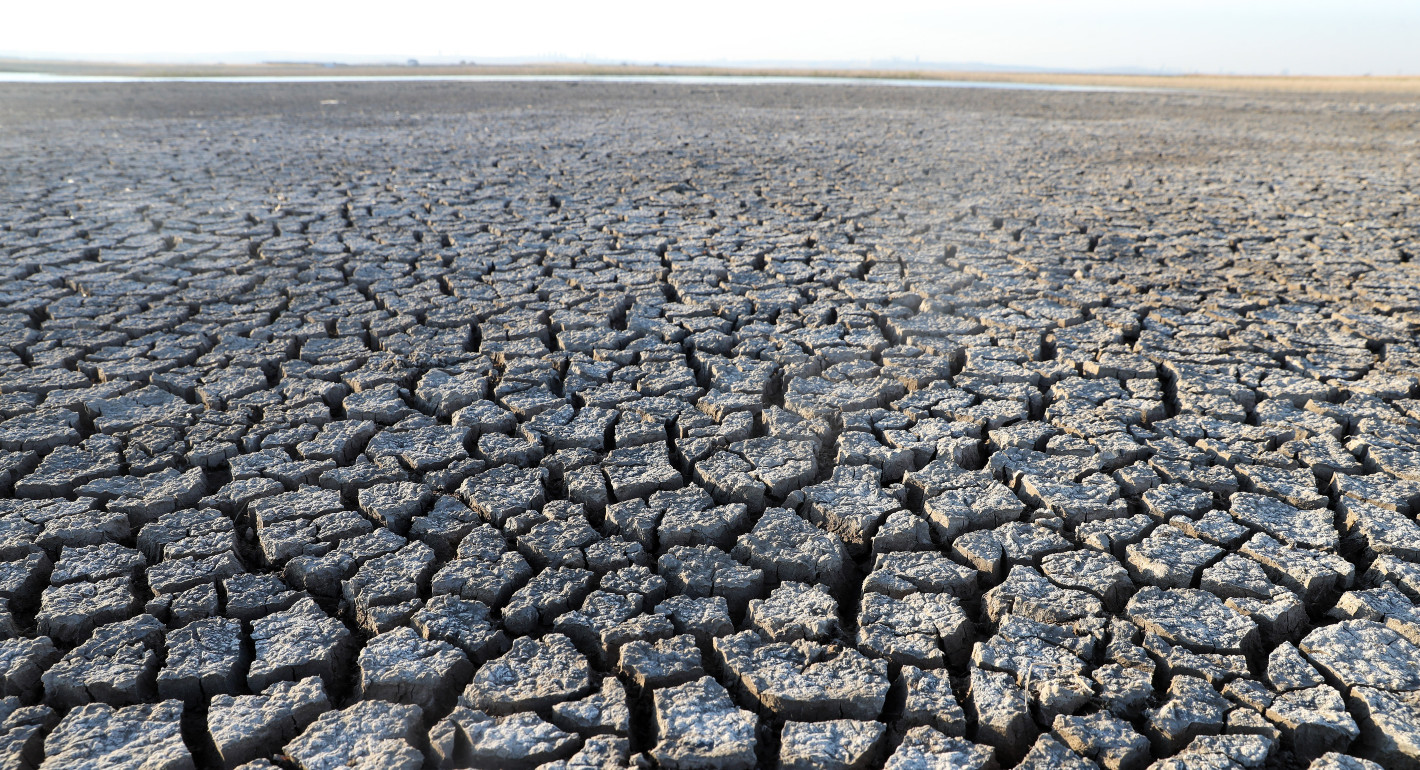
In 2021, the U.S. government began to consider how to address climate migration. The outcomes of that process offer useful takeaways for other governments.
Jennifer DeCesaro
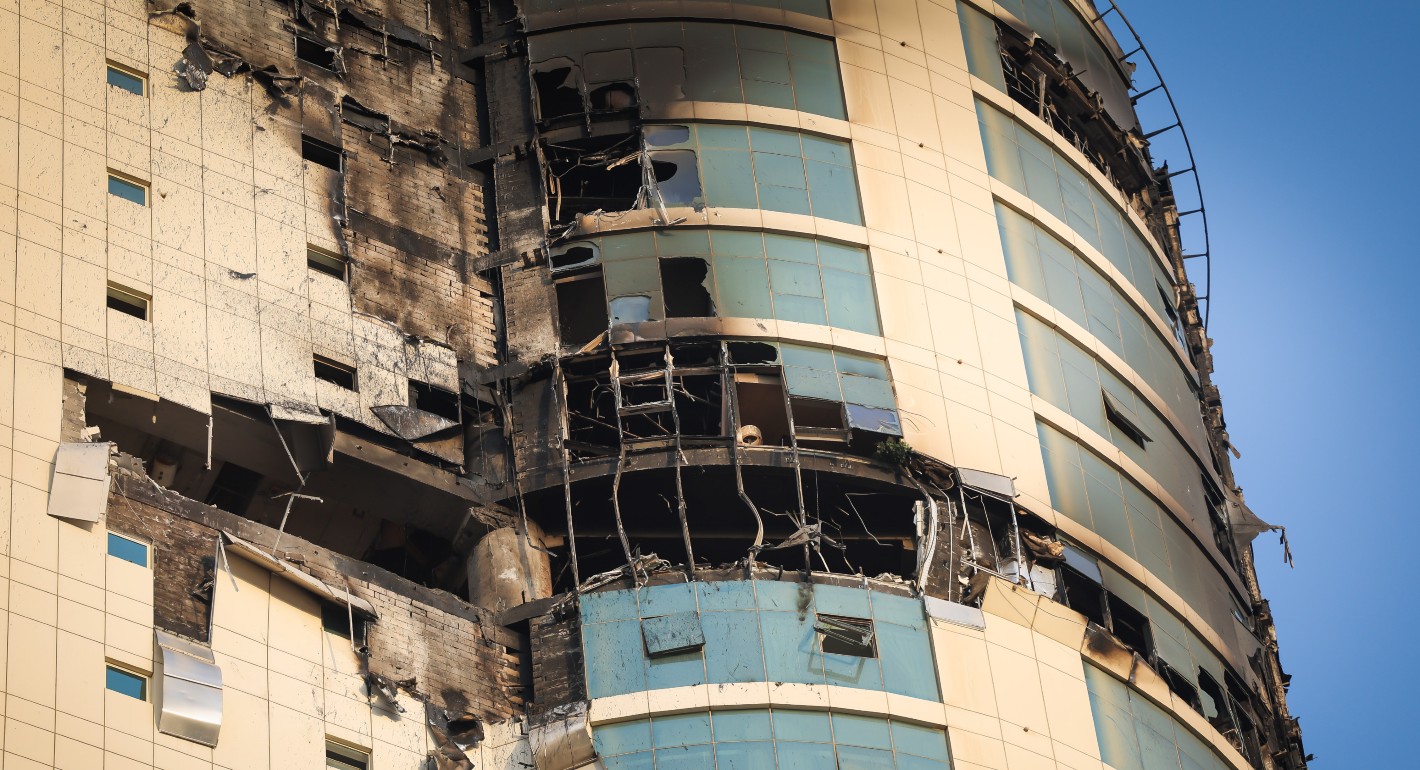
Two experts discuss how drone technology is shaping yet another conflict and what the United States can learn from Ukraine.


Steve Feldstein, Dara Massicot
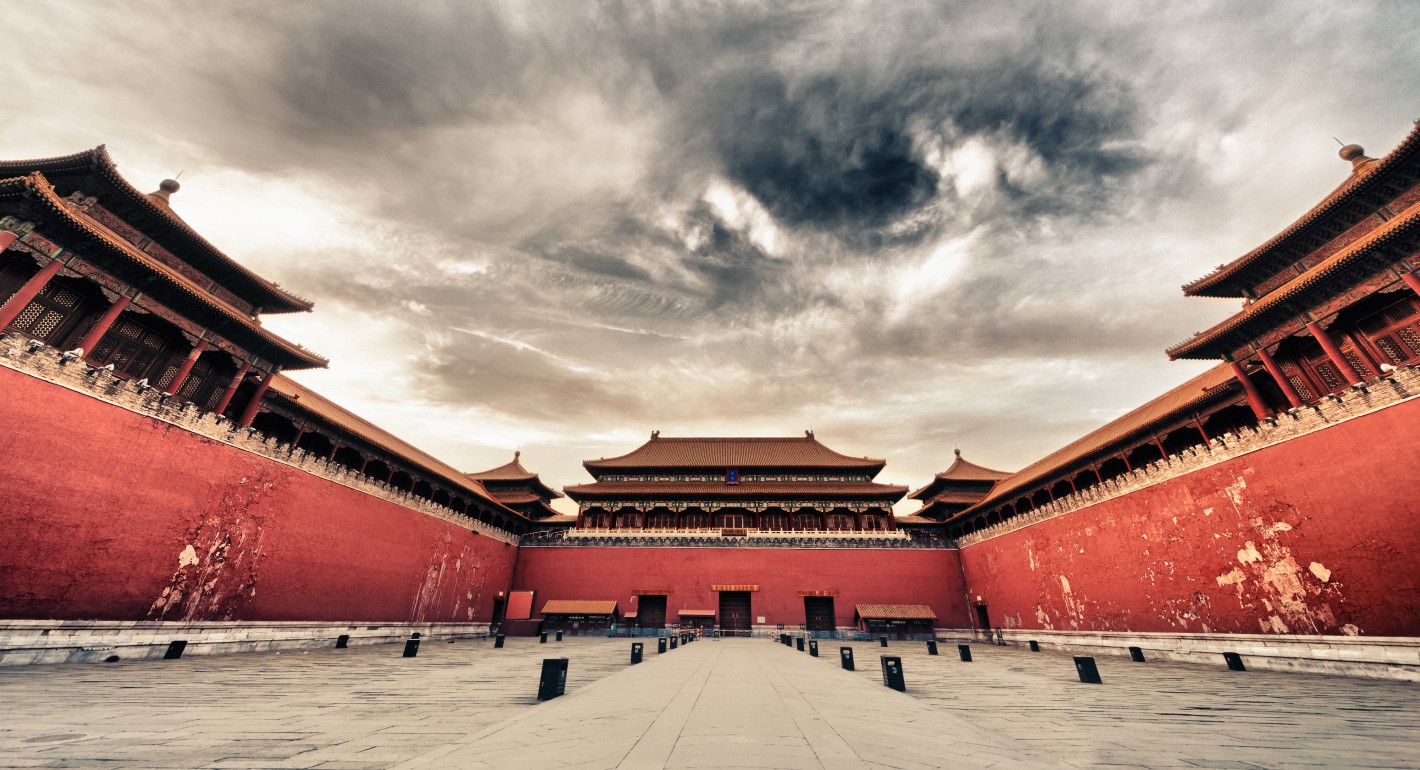
Arguing that Chinese policy is hung on alliances—with imputations of obligation—misses the point.

Evan A. Feigenbaum