

In The Media
Petr Topychkanov
{
  "authors": [
    "Petr Topychkanov"
  ],
  "type": "legacyinthemedia",
  "centerAffiliationAll": "",
  "centers": [
    "Carnegie Endowment for International Peace",
    "Carnegie Russia Eurasia Center"
  ],
  "collections": [],
  "englishNewsletterAll": "",
  "nonEnglishNewsletterAll": "",
  "primaryCenter": "Carnegie Russia Eurasia Center",
  "programAffiliation": "",
  "programs": [],
  "projects": [
    "Eurasia in Transition"
  ],
  "regions": [
    "South Asia",
    "Pakistan"
  ],
  "topics": [
    "Political Reform",
    "Military"
  ]
}
Source: Getty
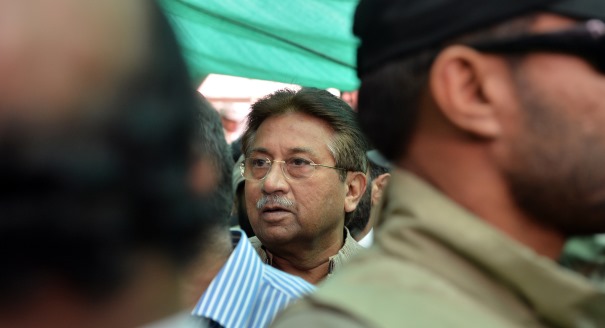
The arrest of Pervez Musharraf is a momentous event for Pakistan, since his conviction would deprive the country’s military establishment of impunity it has long enjoyed.
Source: Voice of Russia's Morning Show
After returning from a four-year exile, Pervez Musharraf is in custody. Carnegie Moscow Center’s Petr Topychkanov spoke about reasons for Musharraf’s return to Pakistan after four years of exile and his recent arrest with Voice of Russia’s Ric Young.Regarding Musharraf’s reasons to return and participate in elections, Topychkanov noted that the former Pakistani president and top commander hoped for the support of the military establishment and military-owned businesses. However, while in exile he was unable to accurately gauge the changes in the Pakistan’s political environment , Topychkanov said. Musharraf thus made a mistake deciding to return to the country, where he actually had no support whatsoever.
According to Topychkanov, the arrest of Musharraf is a momentous event for Pakistan since his conviction would deprive the country’s military establishment of the legal impunity it has been enjoying for a long time.
Topychkanov admitted that there is no doubt the judges will try to bring all the possible charges against Musharraf, including the assassination of Benazir Bhutto. However, it is hard to predict whether he will be imprisoned since he will try to reach some sort of agreement with Pakistani judges and current politicians, Topychkanov concluded.
Former Fellow, Nonproliferation Program, Moscow Center
Topychkanov was a fellow in the Carnegie Moscow Center’s Nonproliferation Program.
Recent Work
Petr Topychkanov
Petr Topychkanov
Carnegie does not take institutional positions on public policy issues; the views represented herein are those of the author(s) and do not necessarily reflect the views of Carnegie, its staff, or its trustees.
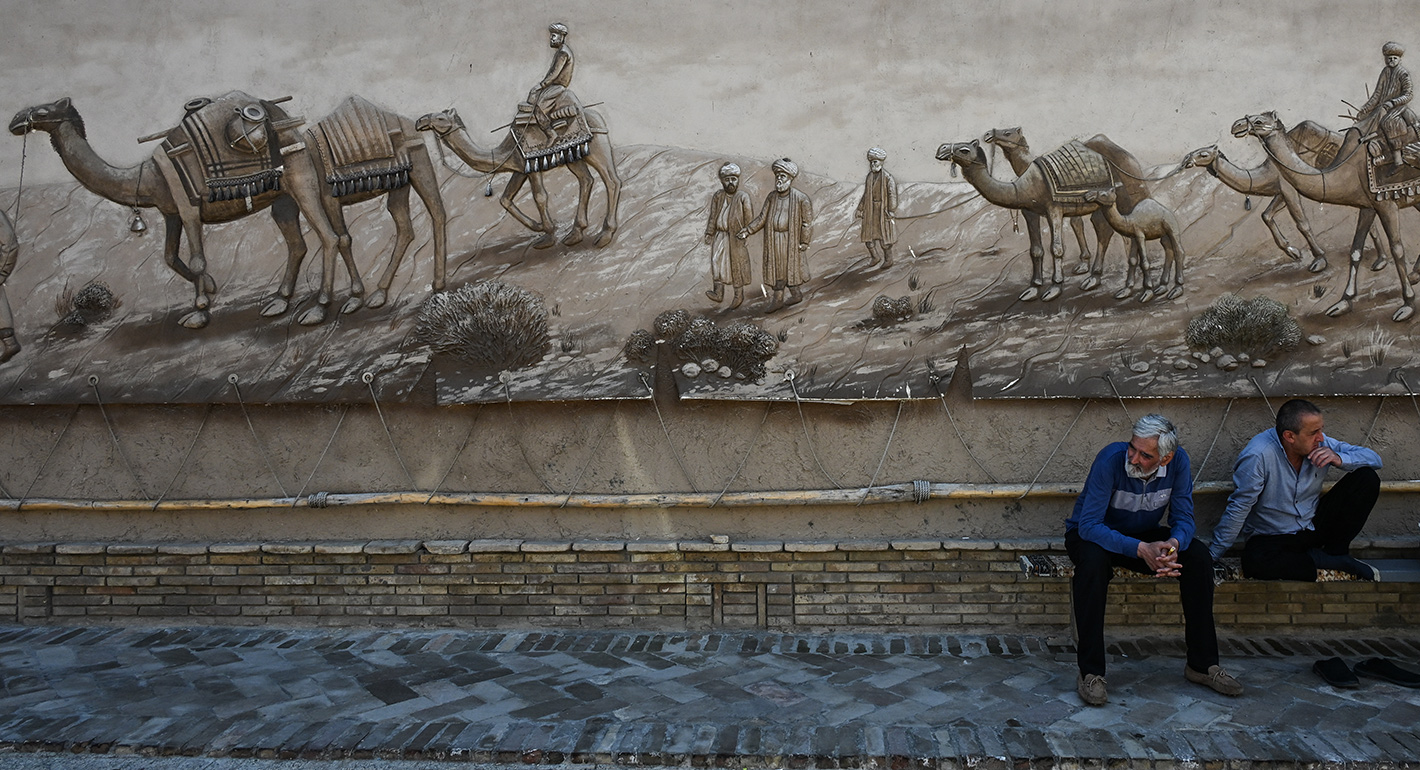
“Central Asia” as an analytical category is itself part of the problem. The term is a Soviet administrative inheritance, drawn along lines that served the convenience of Moscow. The Central Asian states the Soviets named no longer see themselves through this category alone and are not aligning across political blocs but are instead building external partnerships sector by sector, assigning different partners to different functions.

Jennifer B. Murtazashvili
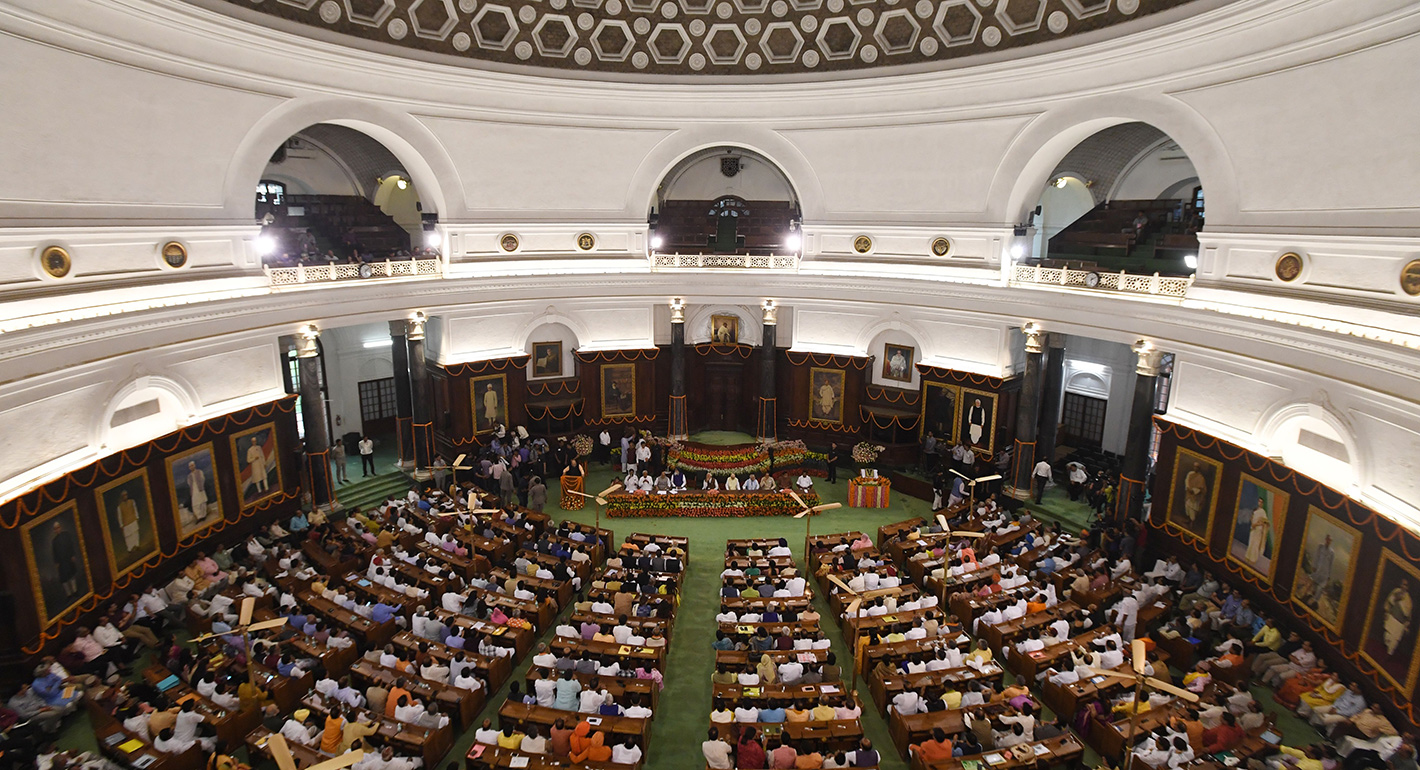
The battle over representation and regional power has been delayed—not resolved—and will shape the future of India’s federal balance.

Louise Tillin, Milan Vaishnav, Andy Robaina

Ensuring that cities’ perspectives shape international discussions at this year’s forums is not just equitable; it is likely to produce better outcomes.

Liliana Gamboa, Marissa Jordan
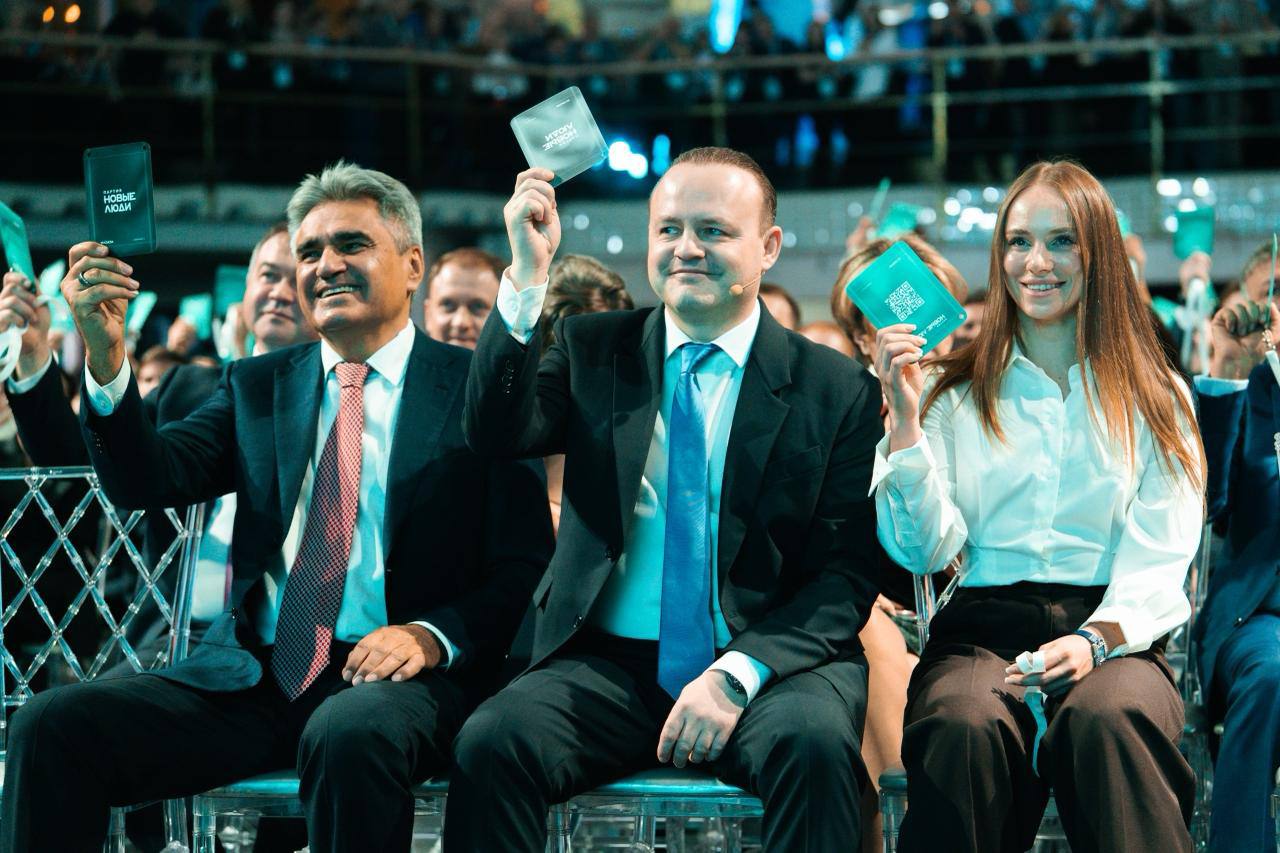
Anger over online restrictions has led to a surge in support for the New People party, which has replaced the Communists as Russia’s second most popular political party.

Andrey Pertsev
The Russian regime is now visibly motivated by fear.

Alexander Baunov