
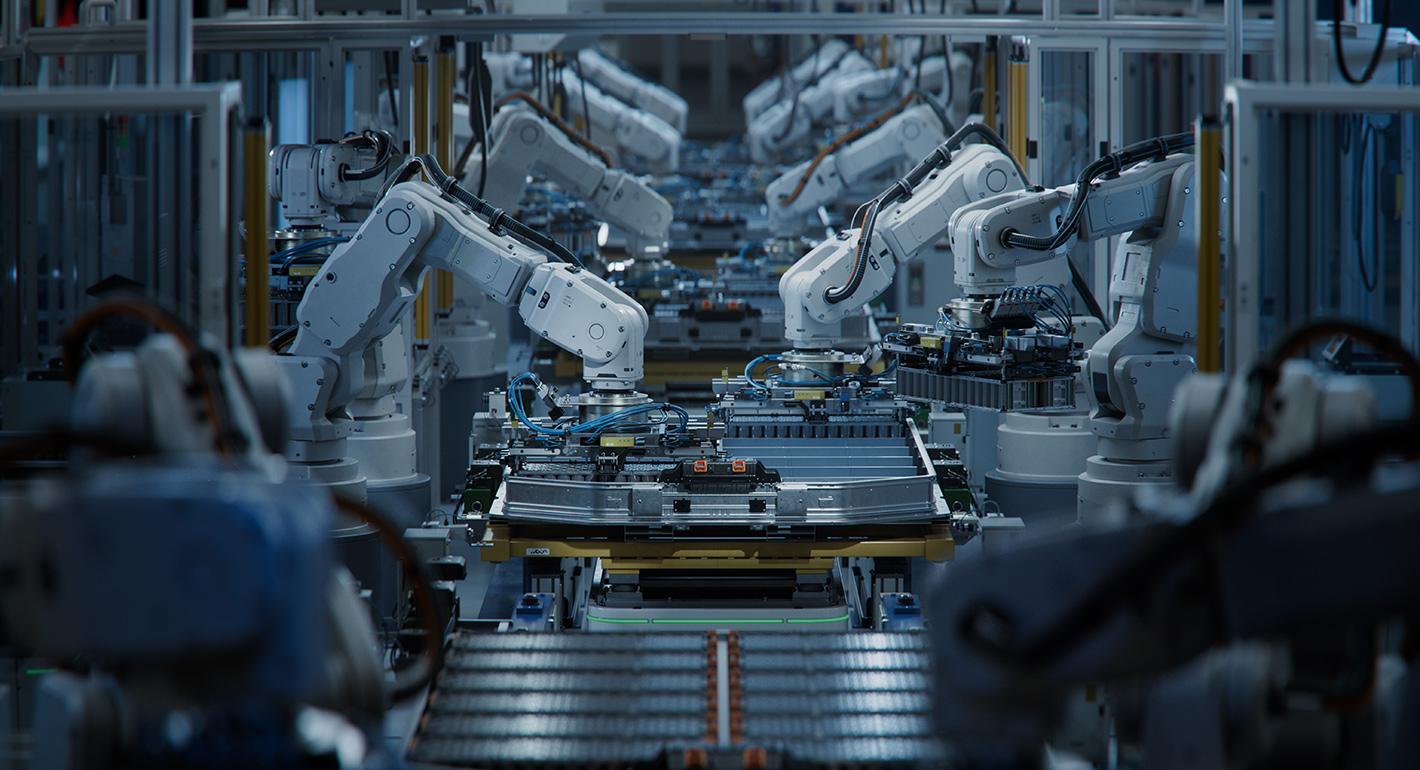
The debate over AI and work too often centers on displacement. Facing aging populations and shrinking workforces, East Asian policymakers view AI not as a threat, but as a cross-sectoral workforce strategy.
Darcie Draudt-Véjares, Sophie Zhuang

{
"authors": [
"Zhang Chuanjie"
],
"type": "questionAnswer",
"centerAffiliationAll": "",
"centers": [
"Carnegie Endowment for International Peace",
"Carnegie China"
],
"collections": [
"U.S.-China Relations"
],
"englishNewsletterAll": "",
"nonEnglishNewsletterAll": "",
"primaryCenter": "Carnegie China",
"programAffiliation": "",
"programs": [],
"projects": [],
"regions": [
"North America",
"United States",
"East Asia",
"China"
],
"topics": []
}Source: Getty
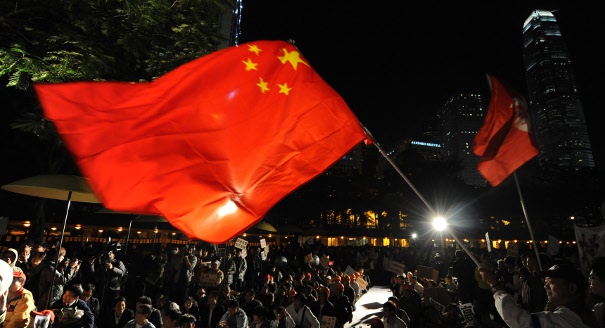
Public opinion influences the foreign policies of China and the United States
Public opinion influences the foreign policies of China and the United States. In a Q&A, Zhang Chuanjie examines public opinion in both countries and how it impacts bilateral relations. Zhang says Beijing and Washington need strong leaders and visionary thinking to facilitate the positive elements of public opinion and help overcome negative perceptions about the China-U.S. relationship.
Zhang Chuanjie
Former Resident Scholar, Carnegie-Tsinghua Center for Global Policy
Zhang Chuanjie was a resident scholar at the Carnegie-Tsinghua Center until June 2020.
Carnegie does not take institutional positions on public policy issues; the views represented herein are those of the author(s) and do not necessarily reflect the views of Carnegie, its staff, or its trustees.
The debate over AI and work too often centers on displacement. Facing aging populations and shrinking workforces, East Asian policymakers view AI not as a threat, but as a cross-sectoral workforce strategy.
Darcie Draudt-Véjares, Sophie Zhuang

In its version of an AI middle power strategy, Seoul is pursuing alignment with the United States not as an endpoint but as a strategy to build industrial and geopolitical leverage. Whether this balance holds remains an open question.
Darcie Draudt-Véjares, Seungjoo Lee
China’s rapid technological progress and its first-rate infrastructure are often cited as refuting the claim that China has been systematically overinvesting in non-productive projects for many years. In fact, as the logic of overinvestment and the many historical precedents show, the former is all-too-often consistent with the latter.
Michael Pettis
For the Middle Corridor to fulfill its promises, one of these routes must become scalable. At present, neither is.
Friedrich Conradi
If Washington cannot adapt to the ongoing transformations of a multipolar world, its superiority will become a liability.
Amr Hamzawy