

Q&A
Suzanne Maloney, Aaron David Miller, Karim Sadjadpour
{
  "authors": [
    "Karim Sadjadpour"
  ],
  "type": "legacyinthemedia",
  "centerAffiliationAll": "dc",
  "centers": [
    "Carnegie Endowment for International Peace"
  ],
  "collections": [],
  "englishNewsletterAll": "menaTransitions",
  "nonEnglishNewsletterAll": "",
  "primaryCenter": "Carnegie Endowment for International Peace",
  "programAffiliation": "MEP",
  "programs": [
    "Middle East"
  ],
  "projects": [],
  "regions": [
    "Middle East",
    "Iran"
  ],
  "topics": [
    "Political Reform"
  ]
}
Source: Getty
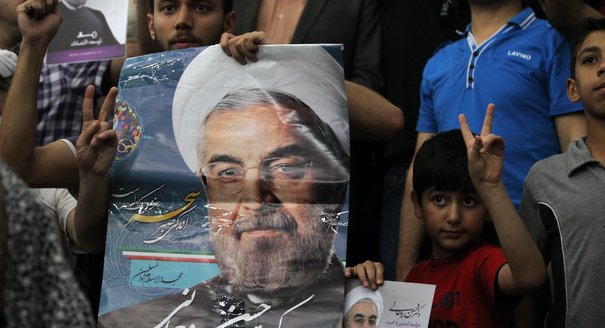
While the outcome of Iran’s presidential election will not change the country’s external behavior with regard to its nuclear program, support for the Assad regime, or opposition to the United States and Israel, the new president will likely impact Iran’s internal atmosphere.
Source: BBC World News America
In the lead up to the Iranian presidential elections, Carnegie's Karim Sadjadpour told BBC World News America that while the outcome of this election will not change Iran’s external behavior with regard to its nuclear program, support for the Assad regime, or opposition to the United States and Israel, the new president will likely impact Iran’s internal atmosphere. While all of the candidates are conservative, the lone reformist candidate is Hassan Rowhani who is not a “fire breathing anti-American ideologue.” Sadjadpour predicted that there would most likely be a runoff election and that protests on the scale of those that occurred in 2009 were unlikely. He also argued that the incoming president will face serious economic challenges as Iran is dealing with draconian sanctions, an oil embargo, and colossal economic mismanagement and corruption.
This interview was originally aired on BBC World News America.

Senior Fellow, Middle East Program
Karim Sadjadpour is a senior fellow at the Carnegie Endowment for International Peace, where he focuses on Iran and U.S. foreign policy toward the Middle East.
Recent Work


Suzanne Maloney, Aaron David Miller, Karim Sadjadpour

Aaron David Miller, Karim Sadjadpour, Robin Wright
Carnegie does not take institutional positions on public policy issues; the views represented herein are those of the author(s) and do not necessarily reflect the views of Carnegie, its staff, or its trustees.

In the discussions made possible by the State Duma election campaign, one question is being asked more and more loudly. “What next?”

Andrey Pertsev
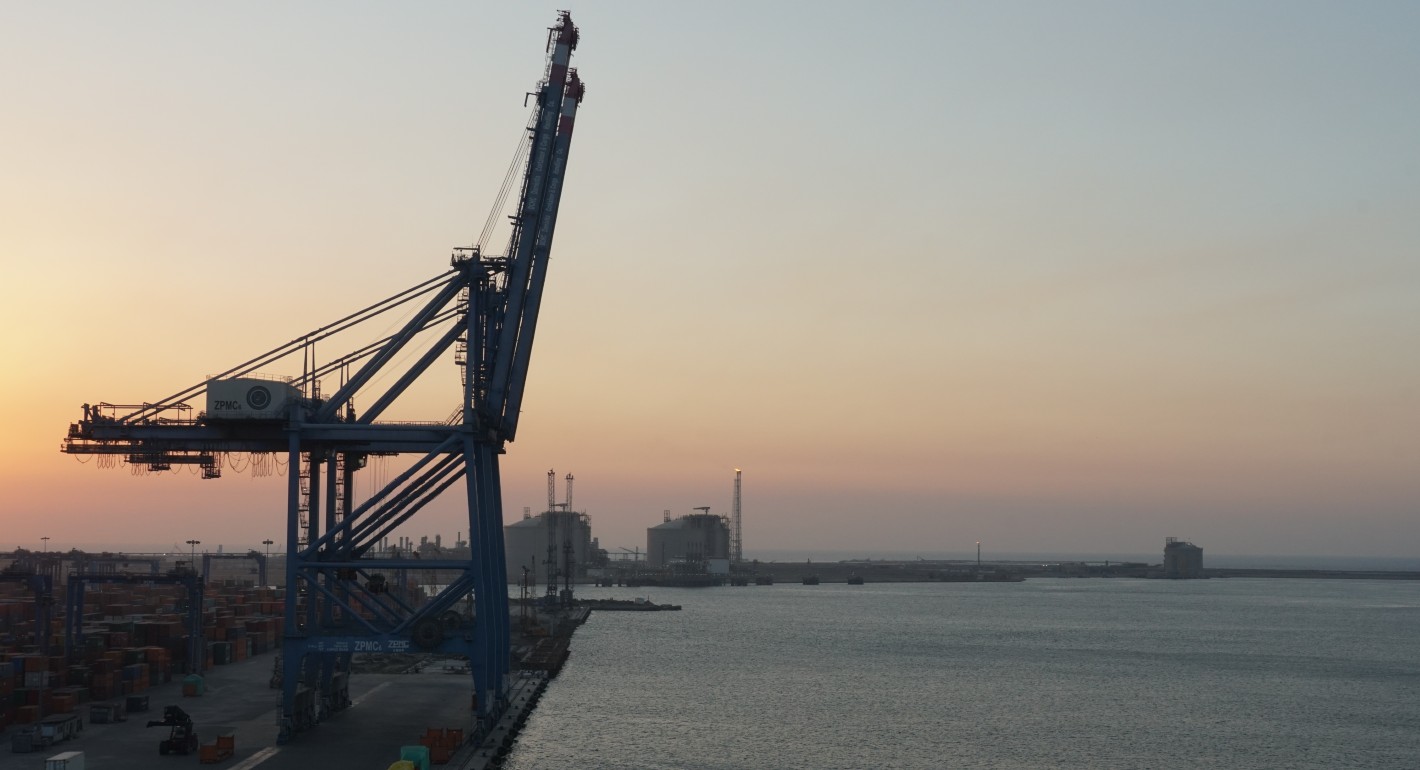
The targeting of Damietta Port appears to be more than a mere security message.

Amr Hamzawy
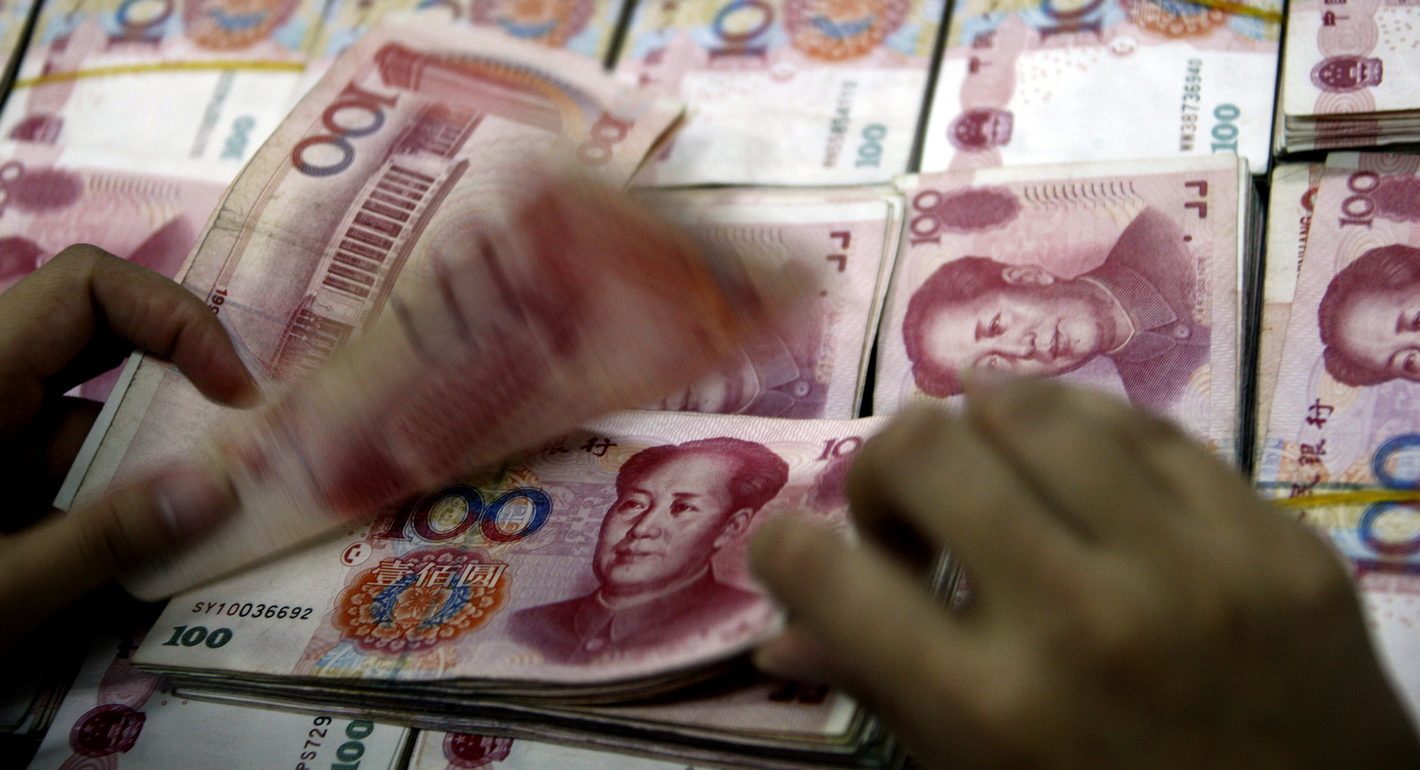
Is the Gulf moving beyond the dollar? This article examines how China is expanding the renminbi's role across Gulf markets, what that means for regional finance, and why the future of global currencies is more complex than the de-dollarization debate suggests.
Andrew Bonney
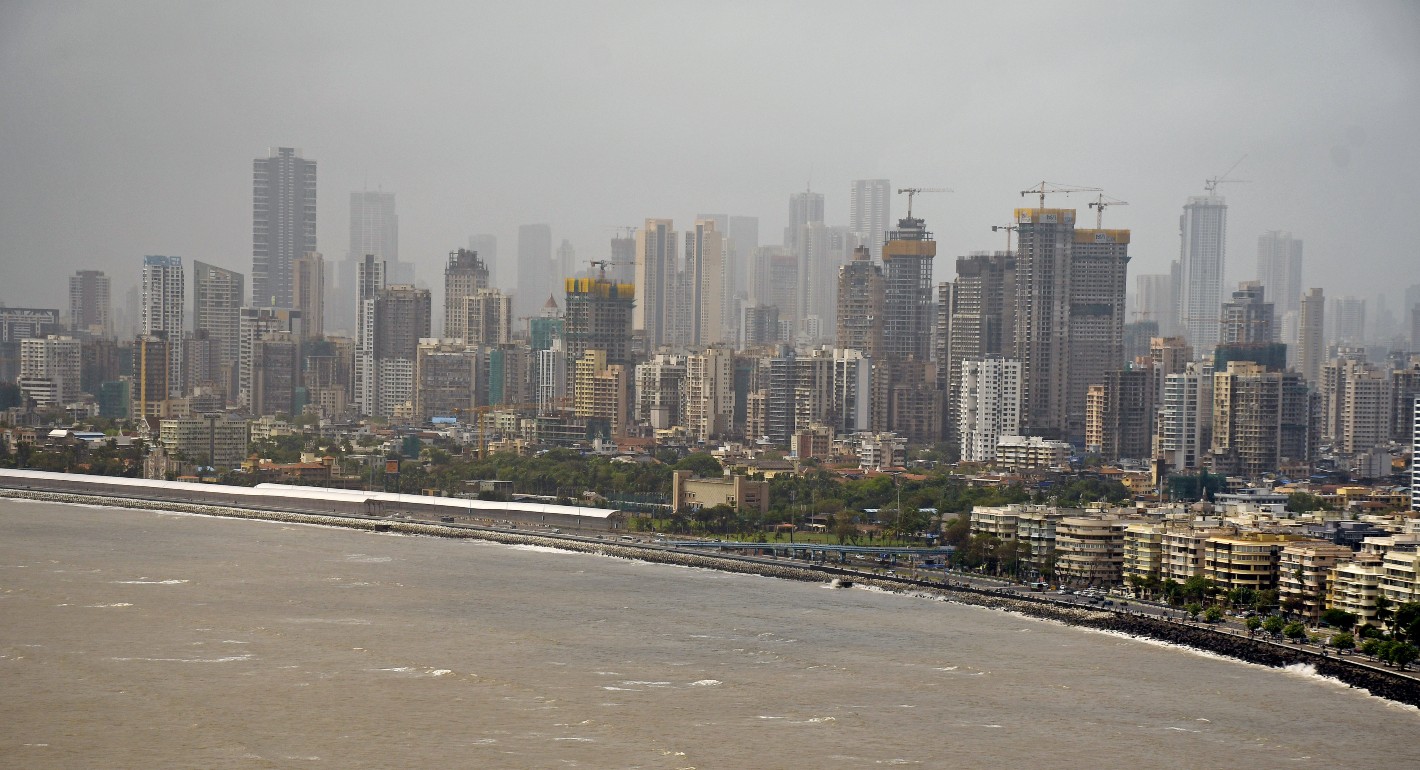
As India undergoes a demographic transition, its cities will be its economic powerhouse—but only if it accurately captures city growth and empowers cities to support their citizens.
Apoorva Jadhav
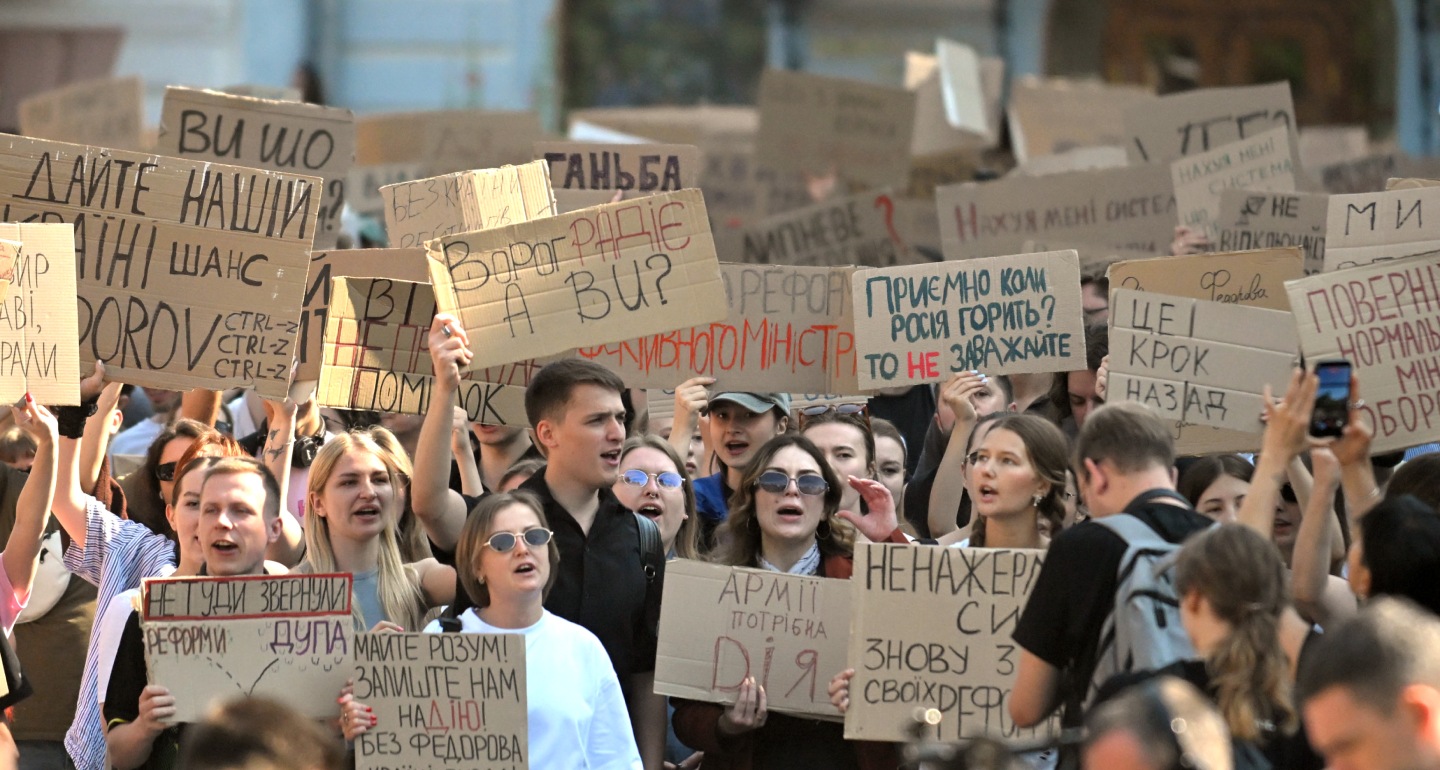
Even if the terms of a ceasefire or peace settlement are satisfactory to most Ukrainians, the country’s democracy will face its fair share of challenges.
Petro Burkovskyi, Olexiy Haran