

Article
Wang Tao
{
  "authors": [
    "Wang Tao"
  ],
  "type": "legacyinthemedia",
  "centerAffiliationAll": "",
  "centers": [
    "Carnegie Endowment for International Peace",
    "Carnegie China"
  ],
  "collections": [
    "China’s Foreign Relations"
  ],
  "englishNewsletterAll": "",
  "nonEnglishNewsletterAll": "",
  "primaryCenter": "Carnegie China",
  "programAffiliation": "",
  "programs": [],
  "projects": [],
  "regions": [
    "East Asia",
    "China"
  ],
  "topics": [
    "Climate Change"
  ]
}
Source: Getty
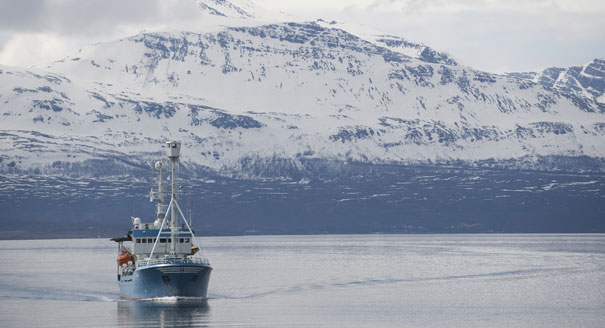
As a result of hastened climate change, shipping lanes in the Arctic region have opened and interest in its considerable natural resources has been piqued.
Source: CCTV
Speaking to CCTV, Carnegie-Tsinghua’s Wang Tao explained that China, which has observer status at the Arctic Council, can contribute a lot to the Arctic region. As a stakeholder in the Arctic area and a rising global power, “China is responsible for improving the global governance of the environment,” said Wang. Talking about climate change and the environment more broadly, Wang highlighted that China is coming under increasing pressure to sign on to binding emissions targets and that China should focus on improving both domestic and international environmental situations simultaneously, not domestic first.
There have been no geological surveys so far to gauge resources under the Arctic sea-bed, Wang continued, and the primary purpose of the Arctic Council is environmental preservation, not resource exploitation. Nevertheless, the five Asian countries joining the Arctic Council as observers highlights how these “energy hungry” countries are very interested in the potential natural resources stored in the Arctic, concluded Wang.
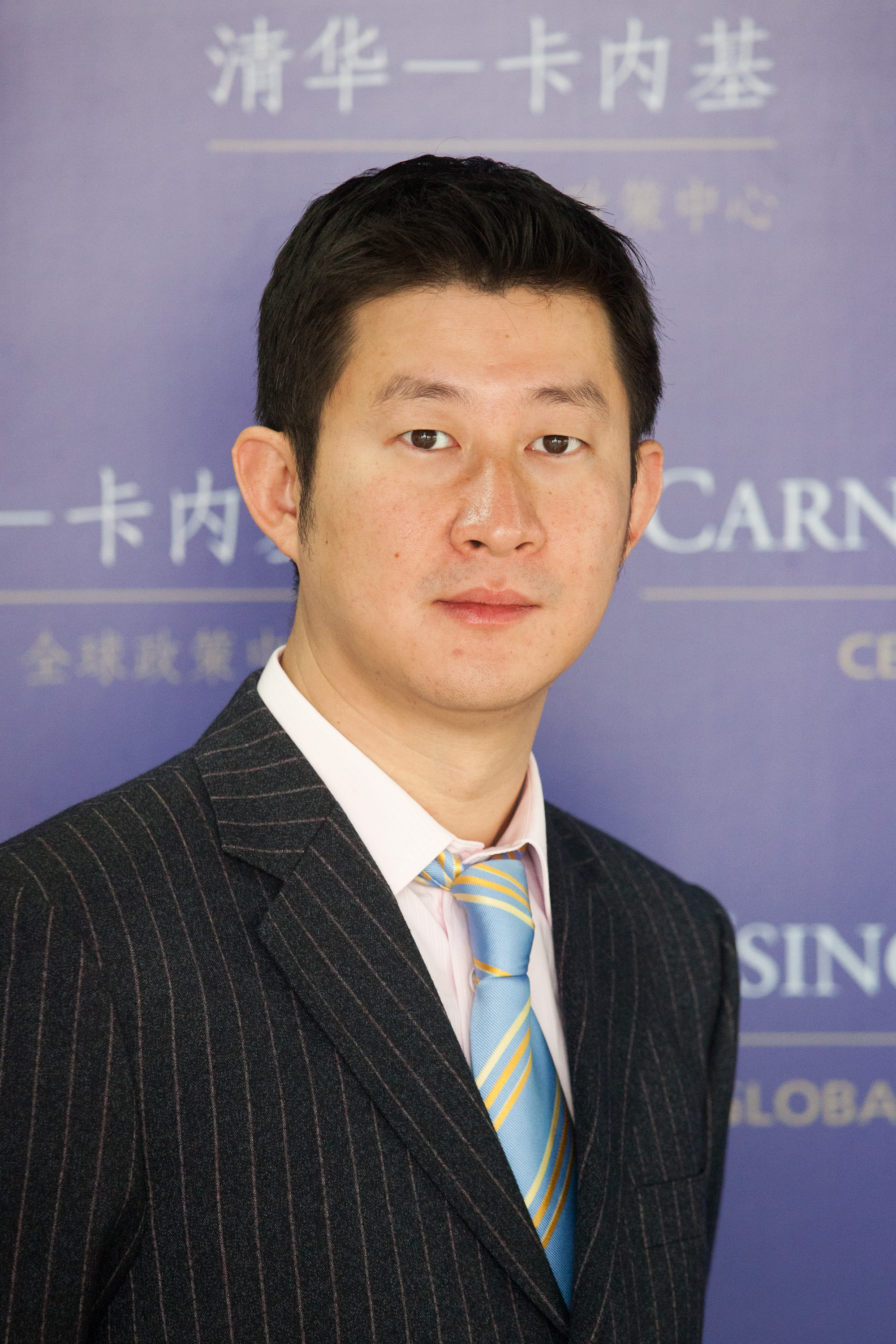
Former Nonresident Scholar, Carnegie-Tsinghua Center for Global Policy
Wang Tao was a nonresident scholar in the Energy and Climate Program based at the Carnegie–Tsinghua Center for Global Policy.
Recent Work
Wang Tao
Wang Tao, Yang Yifang
Carnegie does not take institutional positions on public policy issues; the views represented herein are those of the author(s) and do not necessarily reflect the views of Carnegie, its staff, or its trustees.

The acknowledgment has sparked fears of a new arms race with China and Russia.

Chris O’Meara

The European Commissioner for Trade is headed to China. But after President Xi’s bridge-building visit to Washington, can a more isolated EU overcome Beijing’s stranglehold on critical raw materials? Who will blink first?

Rym Momtaz, ed.
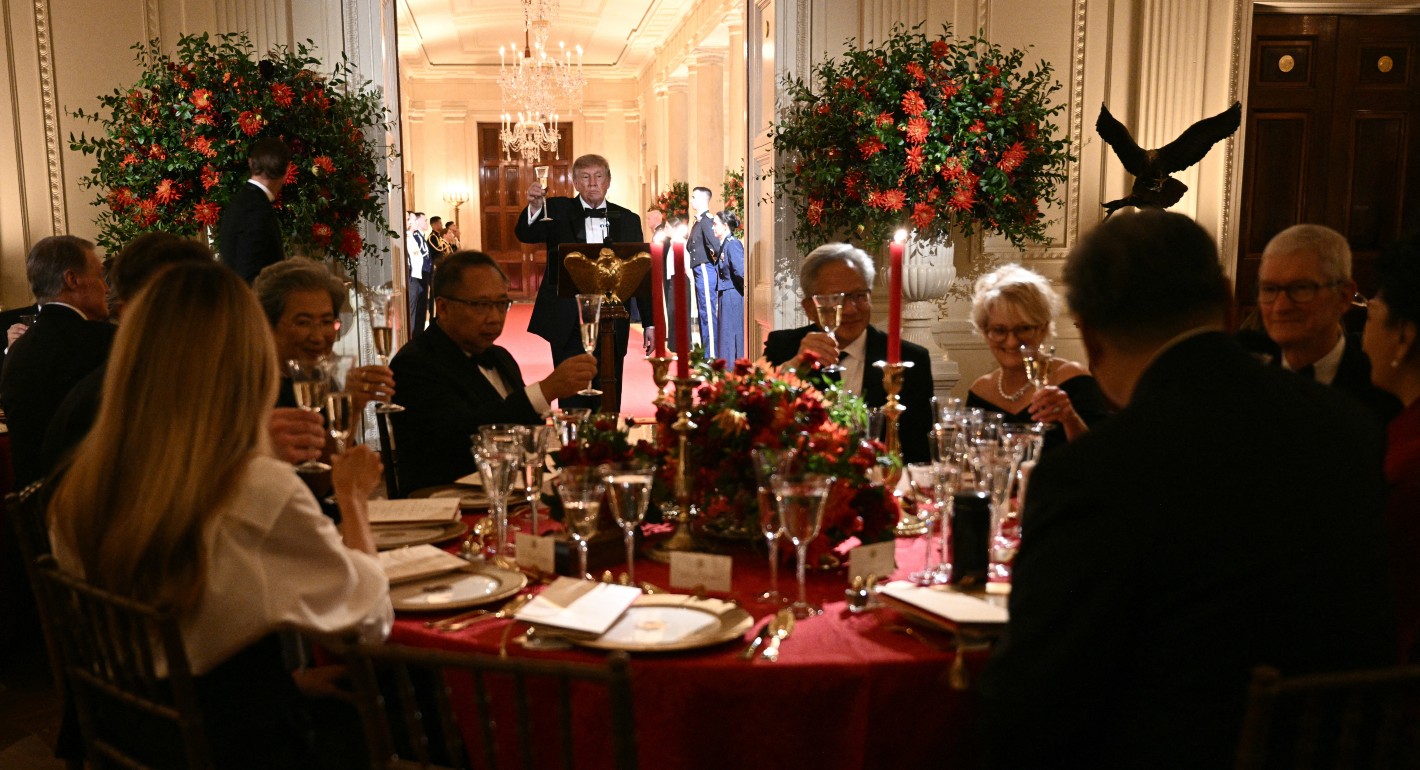
The summit may be remembered as a fatal blunder, when Washington, Beijing, and the AI industry collectively chose ceremony over action.
Jeffrey Prescott

A deep dive into the policy ecosystems behind battery development in China, South Korea, Japan, the European Union (including some of its member states), the United States, Canada, and India.


Milo McBride, Herbert Crowther, Darcie Draudt-Véjares, …

The Plaza Accord was not an externally imposed punishment of Japan but part of a broader restructuring that Japanese economists and policymakers themselves recognized was necessary. Its effects were undermined, however, when Tokyo responded to the resulting slowdown with policies that exacerbated investment, credit expansion, and the very imbalances the adjustment was intended to resolve.

Michael Pettis