• Research
  • Emissary
  • About
  • Experts
Carnegie Global logoCarnegie lettermark logo
DemocracyIran
  • Donate
{
  "authors": [
    "Michael Pettis"
  ],
  "type": "legacyinthemedia",
  "centerAffiliationAll": "dc",
  "centers": [
    "Carnegie Endowment for International Peace"
  ],
  "collections": [],
  "englishNewsletterAll": "asia",
  "nonEnglishNewsletterAll": "",
  "primaryCenter": "Carnegie Endowment for International Peace",
  "programAffiliation": "AP",
  "programs": [
    "Asia"
  ],
  "projects": [],
  "regions": [
    "East Asia",
    "China"
  ],
  "topics": [
    "Economy",
    "Trade"
  ]
}
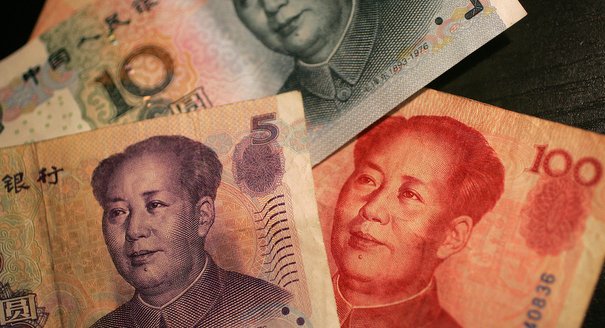
Source: Getty

In The Media

Up Shibor Creek

Overinvestment in China is creating debt problems, an experience that is similar to other historical investment-led growth miracles.

Link Copied
By Michael Pettis
Published on Jul 12, 2013
Program mobile hero image

Program

Asia

The Asia Program in Washington studies disruptive security, governance, and technological risks that threaten peace, growth, and opportunity in the Asia-Pacific region, including a focus on China, Japan, and the Korean peninsula.

Learn More

Source: Financial Times

Carnegie's Michael Pettis joined the Financial Times'  Alphavilla podcast with Cardiff Garcia, Kate MacKenzie and David Keohane to discuss China's growth rate, the Shibor spike and associated drive to constrain credit growth, and the risk of social unrest and the dangers of social control.

This podcast was originally published by the Financial Times.

About the Author

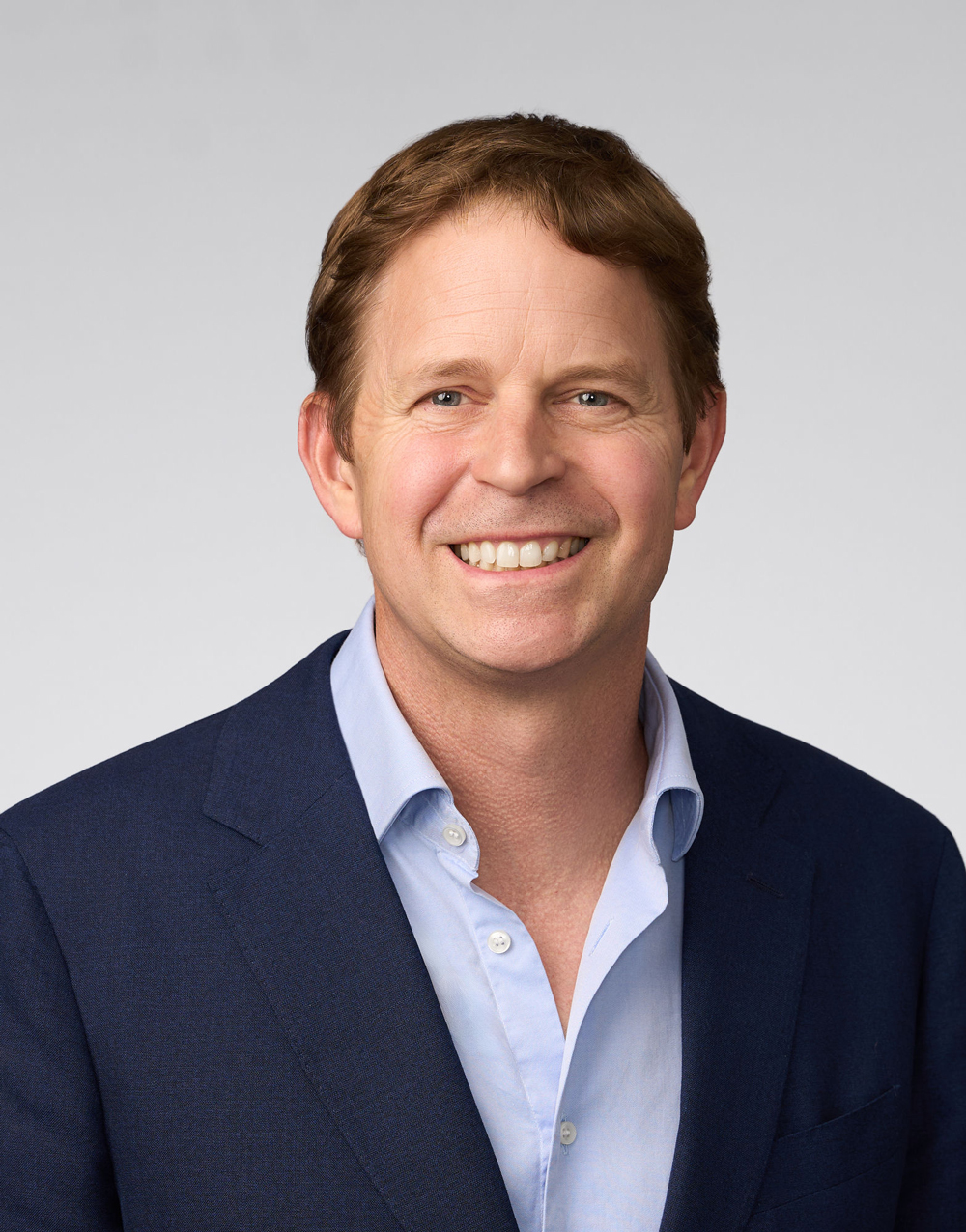
Michael Pettis

Nonresident Senior Fellow, Carnegie China

Michael Pettis is a nonresident senior fellow at the Carnegie Endowment for International Peace. An expert on China’s economy, Pettis is professor of finance at Peking University’s Guanghua School of Management, where he specializes in Chinese financial markets. 

    Recent Work

  • Commentary
    What GDP Means in a Soft Budget Economy Like China

      Michael Pettis

  • Commentary
    What’s New about Involution?

      Michael Pettis

Michael Pettis
Nonresident Senior Fellow, Carnegie China
Michael Pettis
EconomyTradeEast AsiaChina

Carnegie does not take institutional positions on public policy issues; the views represented herein are those of the author(s) and do not necessarily reflect the views of Carnegie, its staff, or its trustees.

More Work from Carnegie Endowment for International Peace

  • Commentary
    Southeast Asia’s Agency Amid the New Oil Crisis

    There is no better time for the countries of Southeast Asia to reconsider their energy security than during this latest crisis.

      Gita Wirjawan

  • Commentary
    Fuel Crisis Forces Politically Perilous Trade-Offs in Indonesia

    As conflict in the Middle East drives up fuel costs across Asia, Indonesia faces difficult policy trade-offs over subsidies, inflation, and fiscal credibility. President Prabowo’s personalized governance style may make these hard choices even harder to navigate.

      Sana Jaffrey

  • Commentary
    Emissary
    In Its Iran War Debate, Washington Has Lost the Plot in Asia

    The United States ignores the region’s lived experience—and the tough political and social trade-offs the war has produced—at its peril.

      Evan A. Feigenbaum

  • Commentary
    China Financial Markets
    What GDP Means in a Soft Budget Economy Like China

    The GDP measure is an attempt to measure value creation in an economy. This measure, however, can vary greatly between economies that have disciplinary mechanisms that force them to recognize investment losses quickly and economies that don’t, and can postpone this recognition for many years.

      Michael Pettis

  • A White man in a tan jacket stands with his back to the camera, plugging in an electric car to a row of green and white chargers.
    Commentary
    Emissary
    Some Countries Are Better Prepared for an Energy Crisis This Time

    As the Iran war shocks oil prices, countries that have invested in renewables, EVs, and battery development since the 2022 Russian invasion of Ukraine are seeing the value of their investments.

      • Noah  Gordon ​​​​

      Noah Gordon

Get more news and analysis from
Carnegie Endowment for International Peace
Carnegie global logo, stacked
1779 Massachusetts Avenue NWWashington, DC, 20036-2103Phone: 202 483 7600Fax: 202 483 1840
  • Research
  • Emissary
  • About
  • Experts
  • Donate
  • Programs
  • Events
  • Blogs
  • Podcasts
  • Contact
  • Annual Reports
  • Careers
  • Privacy
  • For Media
  • Government Resources
Get more news and analysis from
Carnegie Endowment for International Peace
© 2026 Carnegie Endowment for International Peace. All rights reserved.