

Article
Wang Tao
{
  "authors": [
    "Wang Tao"
  ],
  "type": "legacyinthemedia",
  "centerAffiliationAll": "",
  "centers": [
    "Carnegie Endowment for International Peace",
    "Carnegie China"
  ],
  "collections": [
    "China and the Developing World"
  ],
  "englishNewsletterAll": "",
  "nonEnglishNewsletterAll": "",
  "primaryCenter": "Carnegie China",
  "programAffiliation": "",
  "programs": [],
  "projects": [],
  "regions": [
    "East Asia",
    "China"
  ],
  "topics": [
    "Economy",
    "Climate Change"
  ]
}
Source: Getty
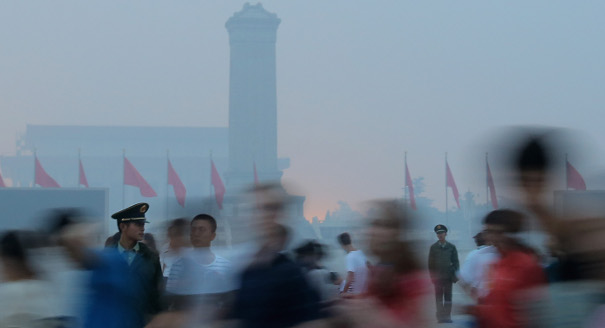
China’s coal-dependent economy, the overabundance of cars in Beijing, and the arid and windy climate are some of the chief causes of air pollution in Beijing, Tianjin, and Hebei.
Source: CCTV News
Carnegie–Tsinghua’s Wang Tao spoke on CCTV News’ China 24 about the multiple causes behind the pollution problems in Beijing, Tianjin, and Hebei. Wang listed three factors behind the air pollution: China’s coal-dependent economy, the overabundance of cars in Beijing, and the arid and windy climate.
The importance of industry and economic development to the local government, explained Tao, meant that environmental protection is not a top priority. But Wang called for patience and joint efforts between the government and the public to combat air pollution.
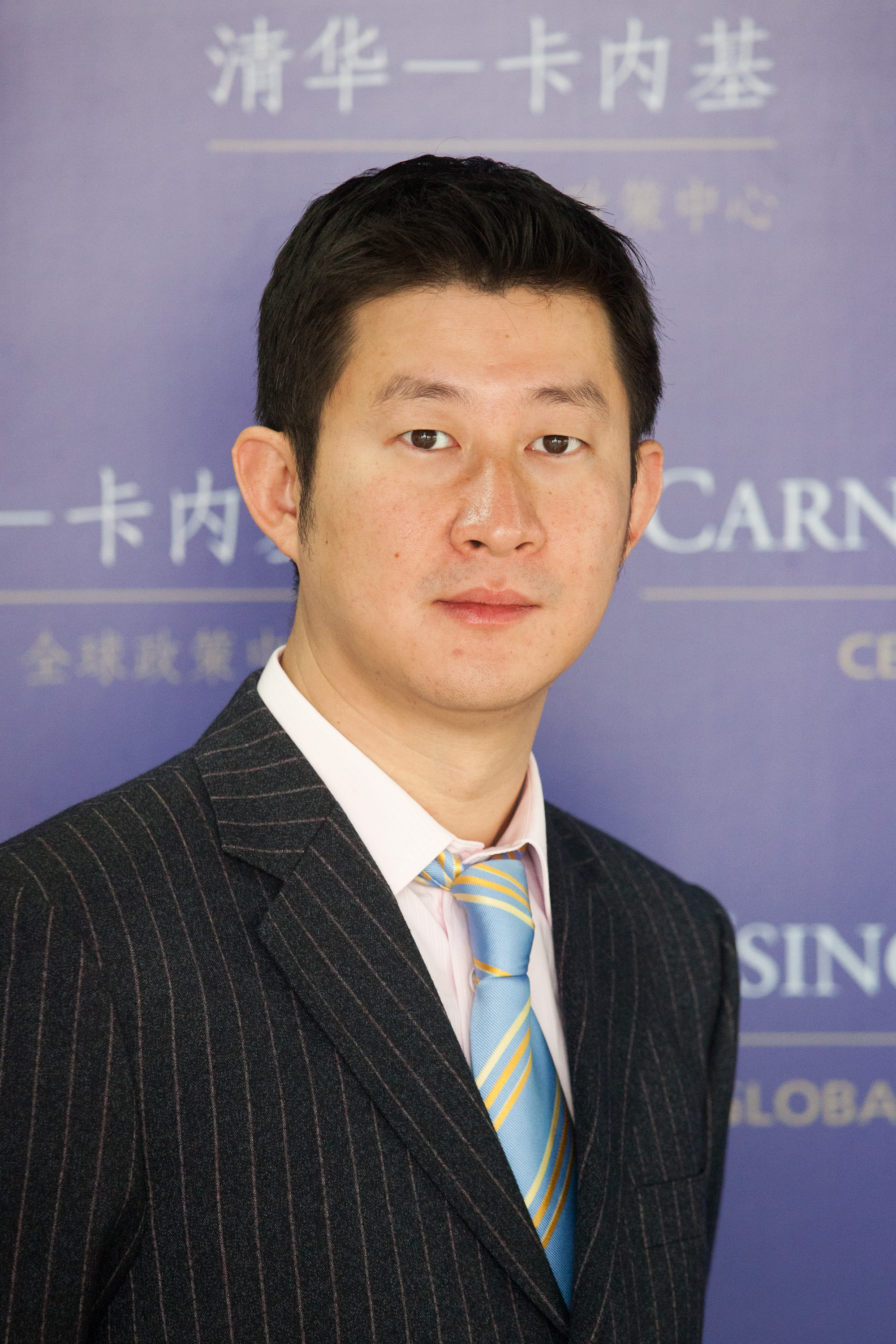
Former Nonresident Scholar, Carnegie-Tsinghua Center for Global Policy
Wang Tao was a nonresident scholar in the Energy and Climate Program based at the Carnegie–Tsinghua Center for Global Policy.
Recent Work
Wang Tao
Wang Tao, Yang Yifang
Carnegie does not take institutional positions on public policy issues; the views represented herein are those of the author(s) and do not necessarily reflect the views of Carnegie, its staff, or its trustees.

Beijing’s AI diplomacy is pivoting from infrastructure and associated technical standards toward a more comprehensive effort aimed at recrafting global norms and institutions of AI governance.

Arindrajit Basu
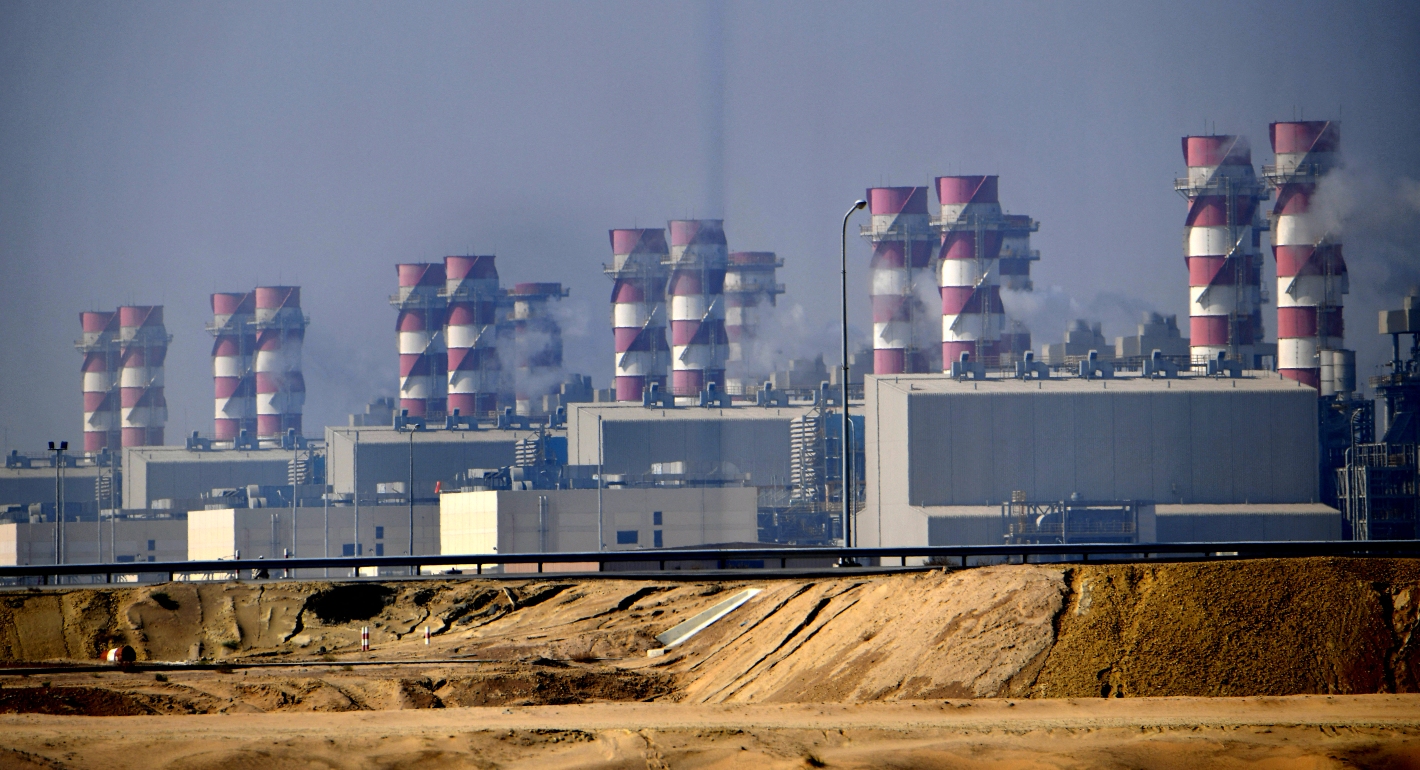
The U.S.-Iran war has crossed a dangerous threshold: water infrastructure in the Gulf is now a target. Ecological statecraft is no longer peripheral to security, it's part of its foundations.


Olivia Lazard, Ali Bin Shahid
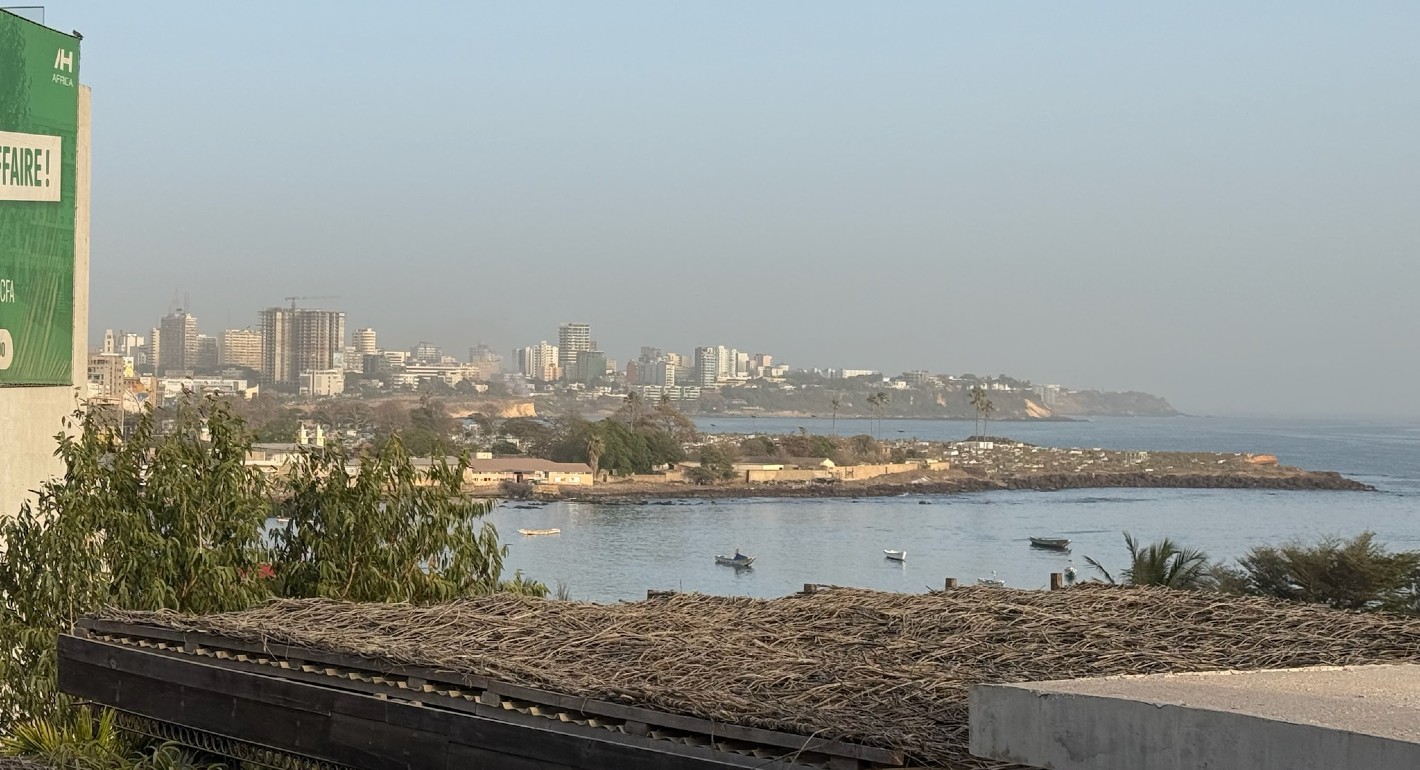
During our visit, we observed a democracy that has learned from its difficult past and is working toward an even more dynamic future.

Sarah Yerkes, Natalie Triche
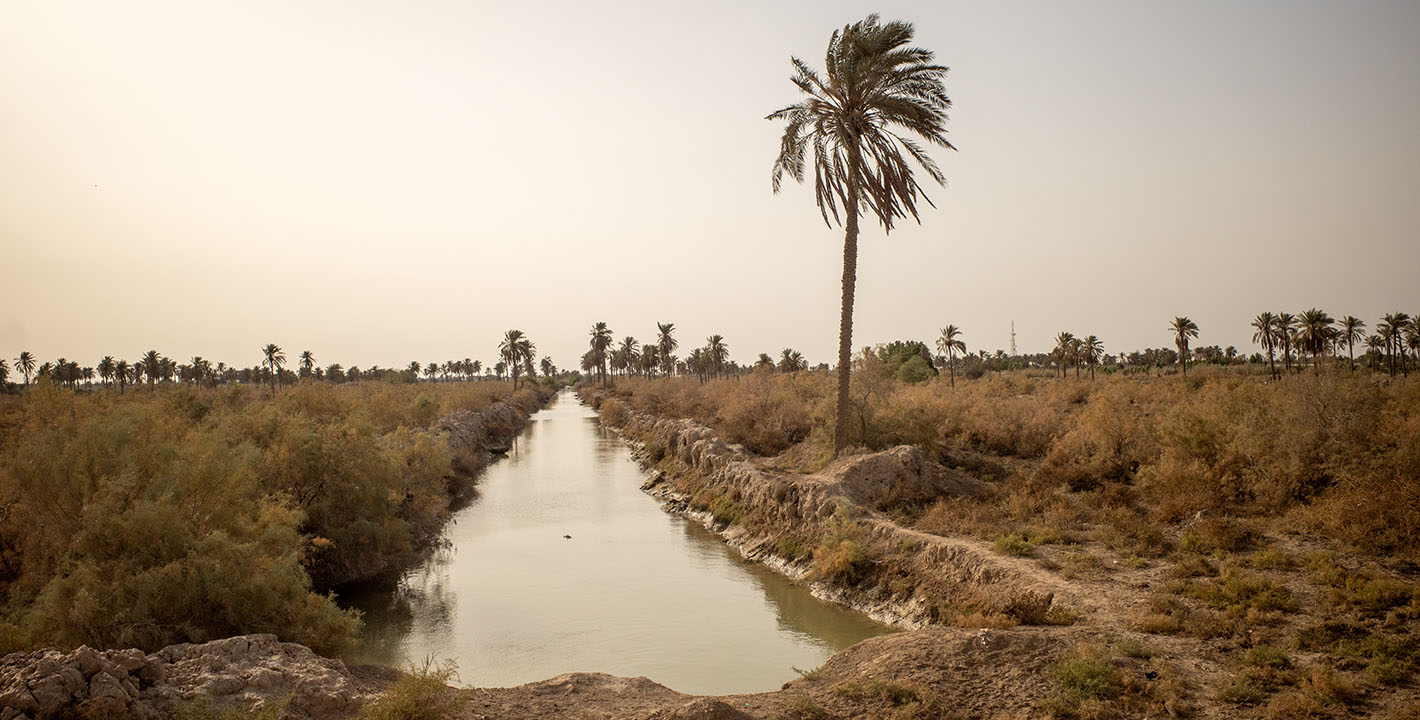
Across the Middle East and North Africa, climate stress interacts with economic fragility, governance failures, social marginalization, and conflict.
Camille Ammoun
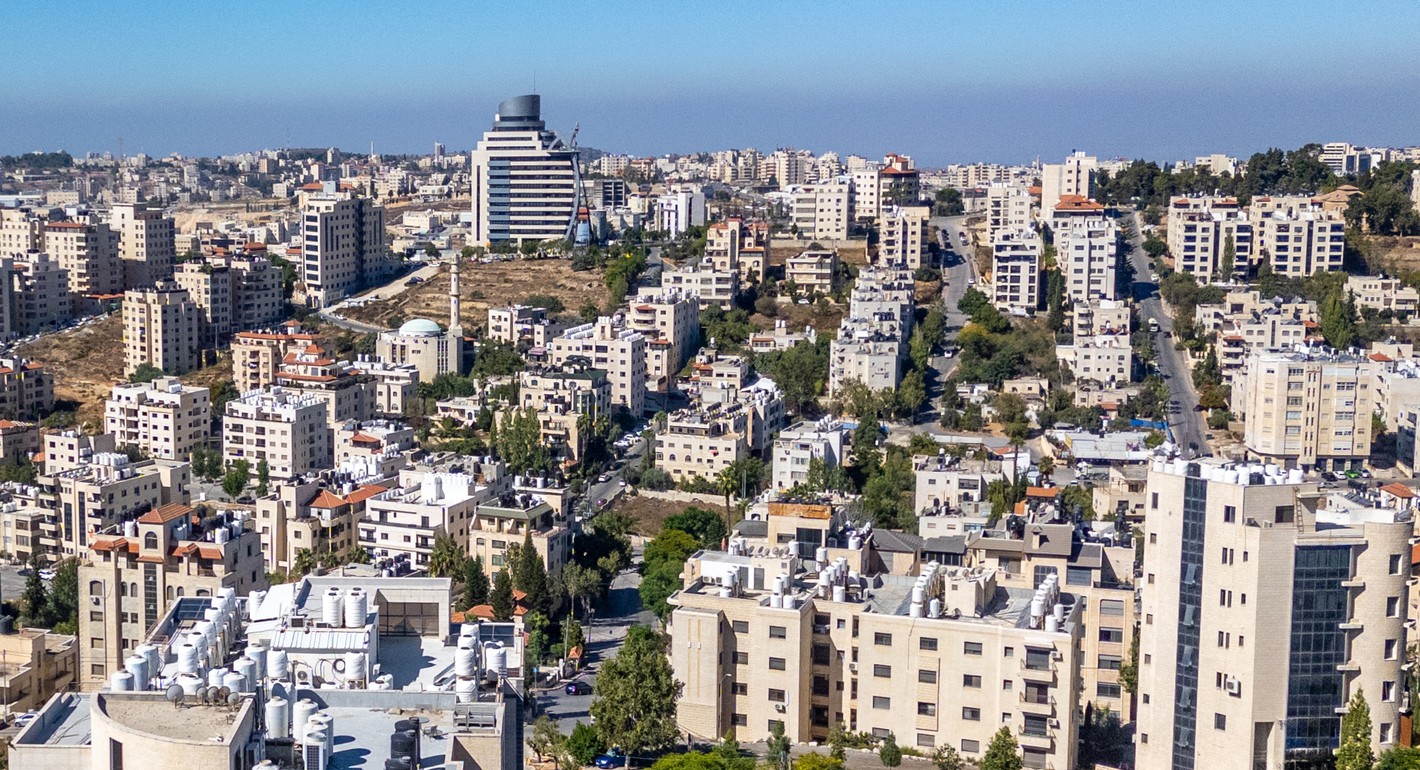
Barriers ranging from weak legal frameworks to ongoing, occupation-related limitations are constraining Palestine from achieving its ambitious climate targets.

Joy Arkeh, Nabil Nasser