• Research
  • Emissary
  • About
  • Experts
Carnegie Global logoCarnegie lettermark logo
DemocracyIran
  • Donate
{
  "authors": [
    "Intissar Fakir"
  ],
  "type": "legacyinthemedia",
  "centerAffiliationAll": "dc",
  "centers": [
    "Carnegie Endowment for International Peace",
    "Malcolm H. Kerr Carnegie Middle East Center"
  ],
  "collections": [
    "Arab Awakening"
  ],
  "englishNewsletterAll": "menaTransitions",
  "nonEnglishNewsletterAll": "",
  "primaryCenter": "Carnegie Endowment for International Peace",
  "programAffiliation": "MEP",
  "programs": [
    "Middle East"
  ],
  "projects": [],
  "regions": [
    "North Africa",
    "Morocco",
    "Tunisia",
    "Maghreb"
  ],
  "topics": [
    "Political Reform",
    "Religion"
  ]
}

Source: Getty

In The Media

Calls to Ban Takfir Will Merely Widen Religious Divisions

Tunisia and Morocco are stuck between competing secularist and Islamist conceptions of the true and ideal nation and the role of religion in it.

Link Copied
By Intissar Fakir
Published on Jan 29, 2014
Program mobile hero image

Program

Middle East

The Middle East Program in Washington combines in-depth regional knowledge with incisive comparative analysis to provide deeply informed recommendations. With expertise in the Gulf, North Africa, Iran, and Israel/Palestine, we examine crosscutting themes of political, economic, and social change in both English and Arabic.

Learn More

Source: National

A series of hot-button debates between Islamists and secularists in Tunisia and Morocco are distracting both sides from their countries’ more pressing issues and fuelling already dangerous currents of polarisation.

A key example is the recent discussion about banning or criminalising the practice of takfir – the declaration by one Muslim that another is an apostate, the term for a former adherent who now rejects Islam as a religion.

Read Full Text

This article was originally published in the National.

About the Author

Intissar Fakir

Former Fellow, Middle East Program, Editor in Chief, Sada

Intissar Fakir was a fellow and editor in chief of Sada in Carnegie’s Middle East Program.

Intissar Fakir
Former Fellow, Middle East Program, Editor in Chief, Sada
Intissar Fakir
Political ReformReligionNorth AfricaMoroccoTunisiaMaghreb

Carnegie does not take institutional positions on public policy issues; the views represented herein are those of the author(s) and do not necessarily reflect the views of Carnegie, its staff, or its trustees.

More Work from Carnegie Endowment for International Peace

  • Article
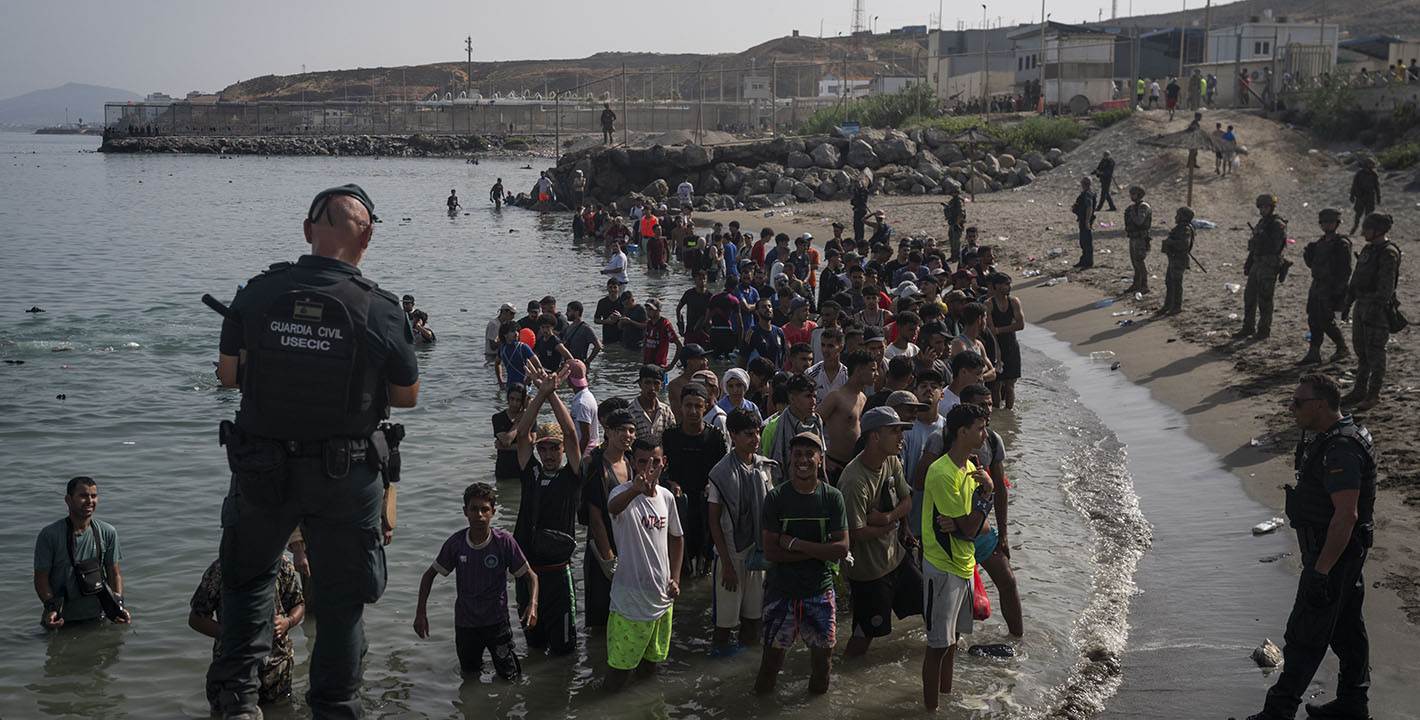
    Beyond the Ceuta Border Spectacle

    A recent incident in which tens of thousands of people suddenly crossed into an overseas Spanish territory from neighboring Morocco has spurred Spain and other European countries to further lean into the often myopic logic of frontier security, all the while ignoring the economic, political, and social processes that give rise to irregular migration.

      Yasmine Zarhloule
  • Serbia election student list vucic
    Article
    Serbia Still Has a Steep Hill to Climb

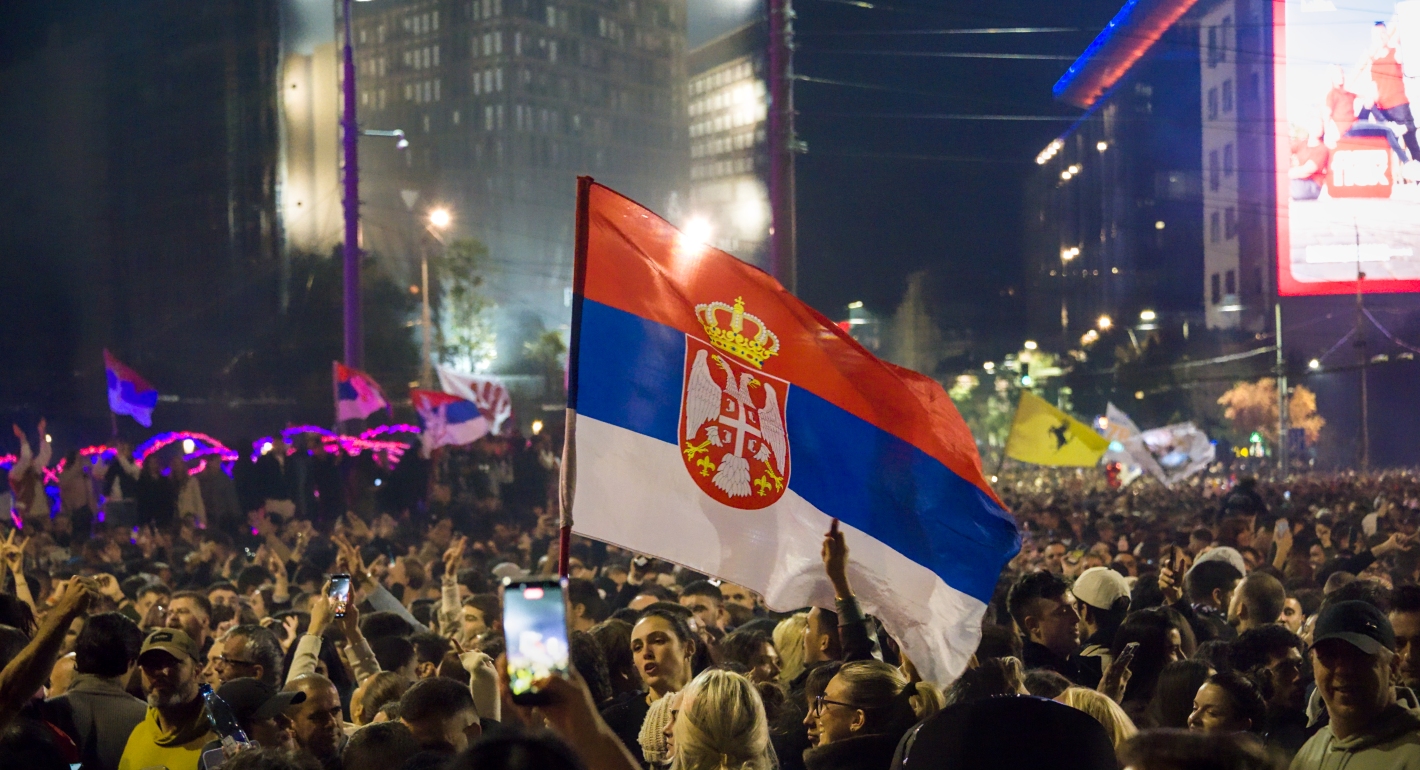
    After two years of mass protests, Serbia’s student-led movement has ousted Aleksandar Vučić. Now the Student List must prove it can deliver on its promises.

      Dimitar Bechev

  • military personnel standing around a helicopter
    Commentary
    Emissary
    How a U.S.-Russia Standoff Ended a Decades-Old UN Mission in Western Sahara

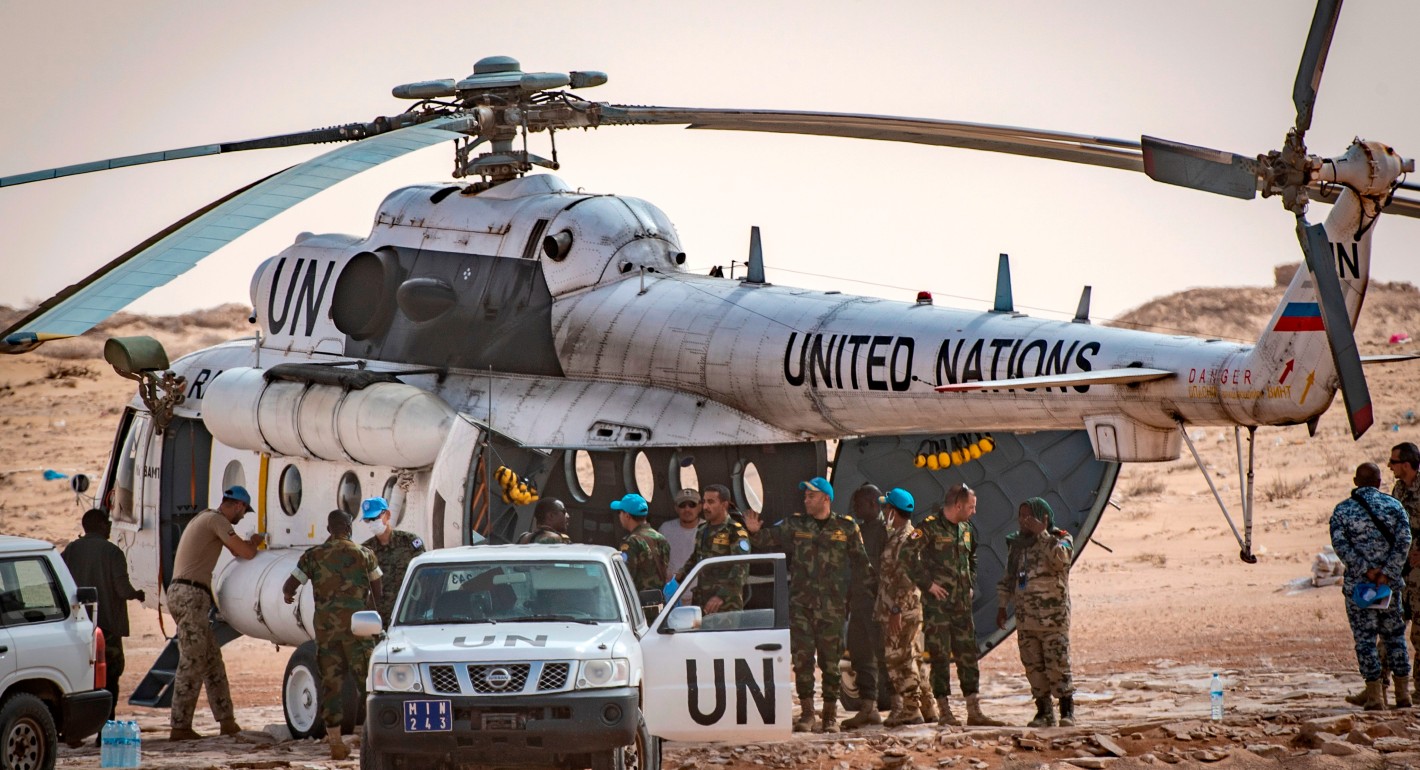
    MINURSO’s renewal by the Security Council became highly politicized. Its expiration brings concerns about renewed violence and the future of demining efforts.

      • Sarah Yerkes

      Sarah Yerkes

  • Commentary
    Carnegie Politika
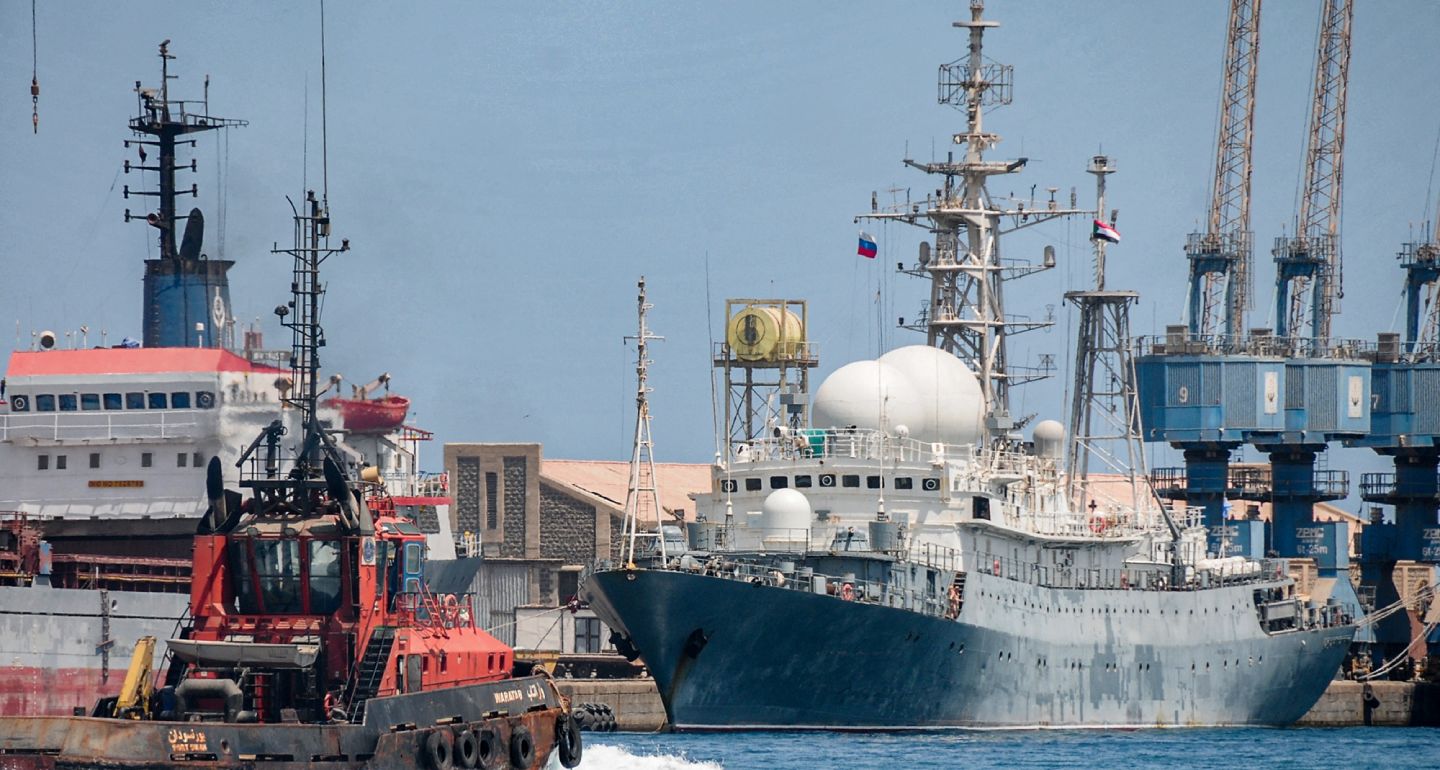
    Red Sea Mirage: Why Russia Is Still Waiting on a Military Base in Sudan

    Russia’s coveted Red Sea naval base has fallen victim to its erratic foreign policy.

      Sergey Konyashin

  • Paper
    The Twilight of Oil in an Age of Uncertainty: From a Vicious to a Virtuous Cycle

    The global hydrocarbon order is changing. Economic diversification and developing productive economies have become essential for Middle Eastern and North African states, requiring them to address social and political challenges and rethink domestic, regional, and global settlements.

      • +1

      Nur Arafeh, Ishac Diwan, Hamza Meddeb, …

Get more news and analysis from
Carnegie This Week
Carnegie global logo, stacked
1779 Massachusetts Avenue NWWashington, DC, 20036-2103Phone: 202 483 7600
  • Research
  • Emissary
  • About
  • Experts
  • Donate
  • Programs
  • Events
  • Blogs
  • Podcasts
  • Contact
  • Annual Reports
  • Careers
  • Privacy
  • For Media
  • Government Resources
Get more news and analysis from
Carnegie This Week
© 2026 Carnegie Endowment for International Peace. All rights reserved.