

Other
- +18
James M. Acton, Saskia Brechenmacher, Cecily Brewer, …
{
  "authors": [
    "Eugene Rumer"
  ],
  "type": "legacyinthemedia",
  "centerAffiliationAll": "dc",
  "centers": [
    "Carnegie Endowment for International Peace"
  ],
  "collections": [],
  "englishNewsletterAll": "ctw",
  "nonEnglishNewsletterAll": "",
  "primaryCenter": "Carnegie Endowment for International Peace",
  "programAffiliation": "russia",
  "programs": [
    "Russia and Eurasia"
  ],
  "projects": [],
  "regions": [
    "Russia",
    "Eastern Europe",
    "Ukraine",
    "Western Europe"
  ],
  "topics": [
    "Political Reform"
  ]
}
Source: Getty
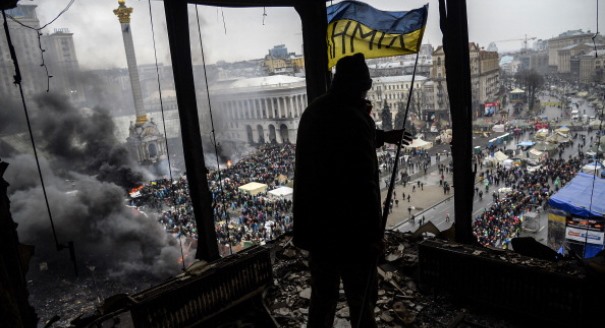
The situation in Ukraine remains fluid and it is not clear whether the agreement between Yanukovych and the opposition leaders will hold.
Source: Bloomberg TV
Speaking to Bloomberg Television’s “Taking Stock," Carnegie’s Eugene Rumer discussed the fluid situation in Ukraine and the volatile nature of the deal between President Yanukovych and opposition leaders. It’s not clear that all parties will accept the ceasefire, he said, and most importantly, it's not clear that the people of the street accept this deal, especially since they are calling for Yanukovych to resign immediately. The number of variables in this very tenuous deal also includes the oligarchs who have thus far supported Yanukovych but may move away from him as he weakens.
Director and Senior Fellow, Russia and Eurasia Program
Rumer, a former national intelligence officer for Russia and Eurasia at the U.S. National Intelligence Council, is a senior fellow and the director of Carnegie’s Russia and Eurasia Program.
Recent Work

James M. Acton, Saskia Brechenmacher, Cecily Brewer, …
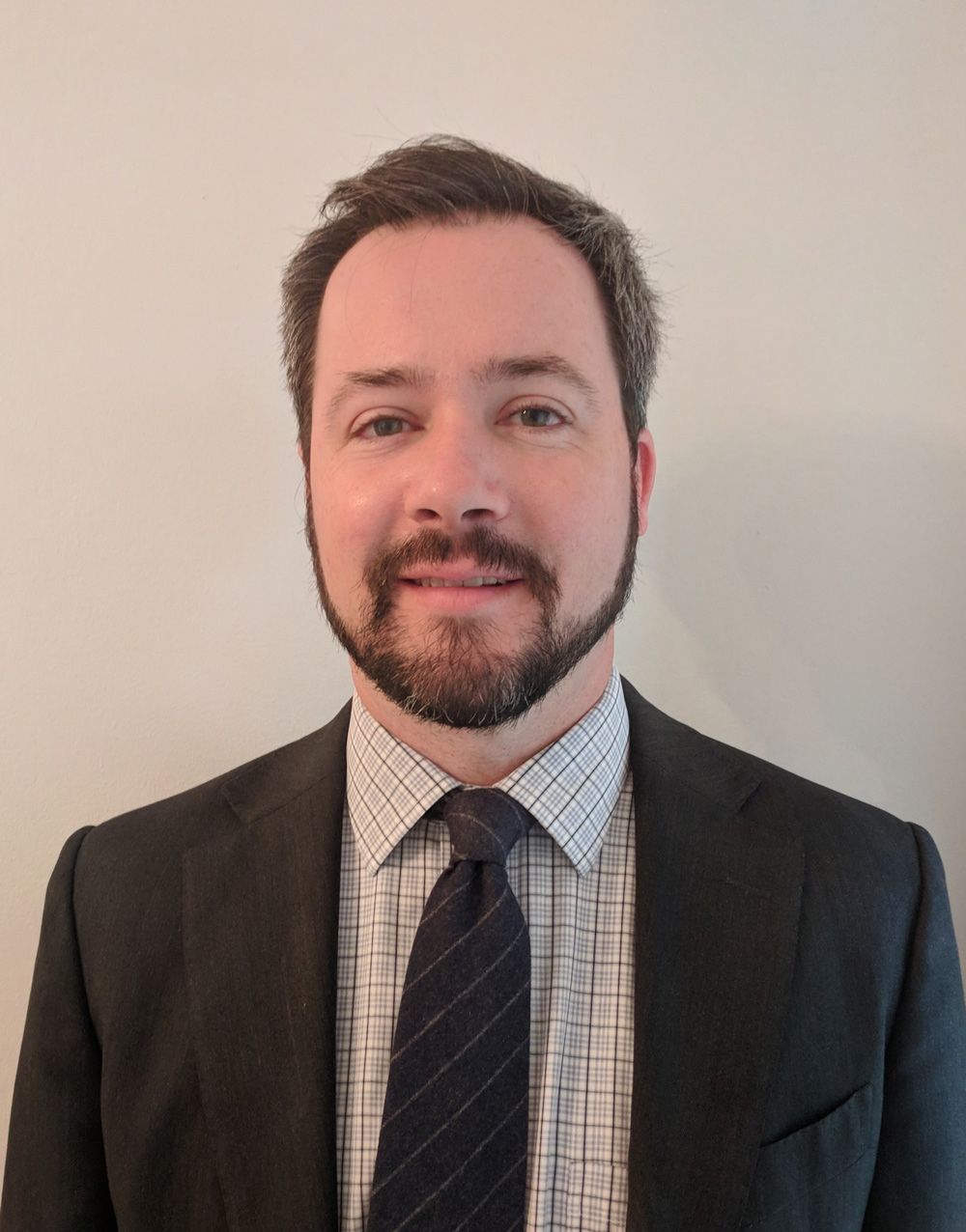
Nate Reynolds, Eugene Rumer
Carnegie does not take institutional positions on public policy issues; the views represented herein are those of the author(s) and do not necessarily reflect the views of Carnegie, its staff, or its trustees.
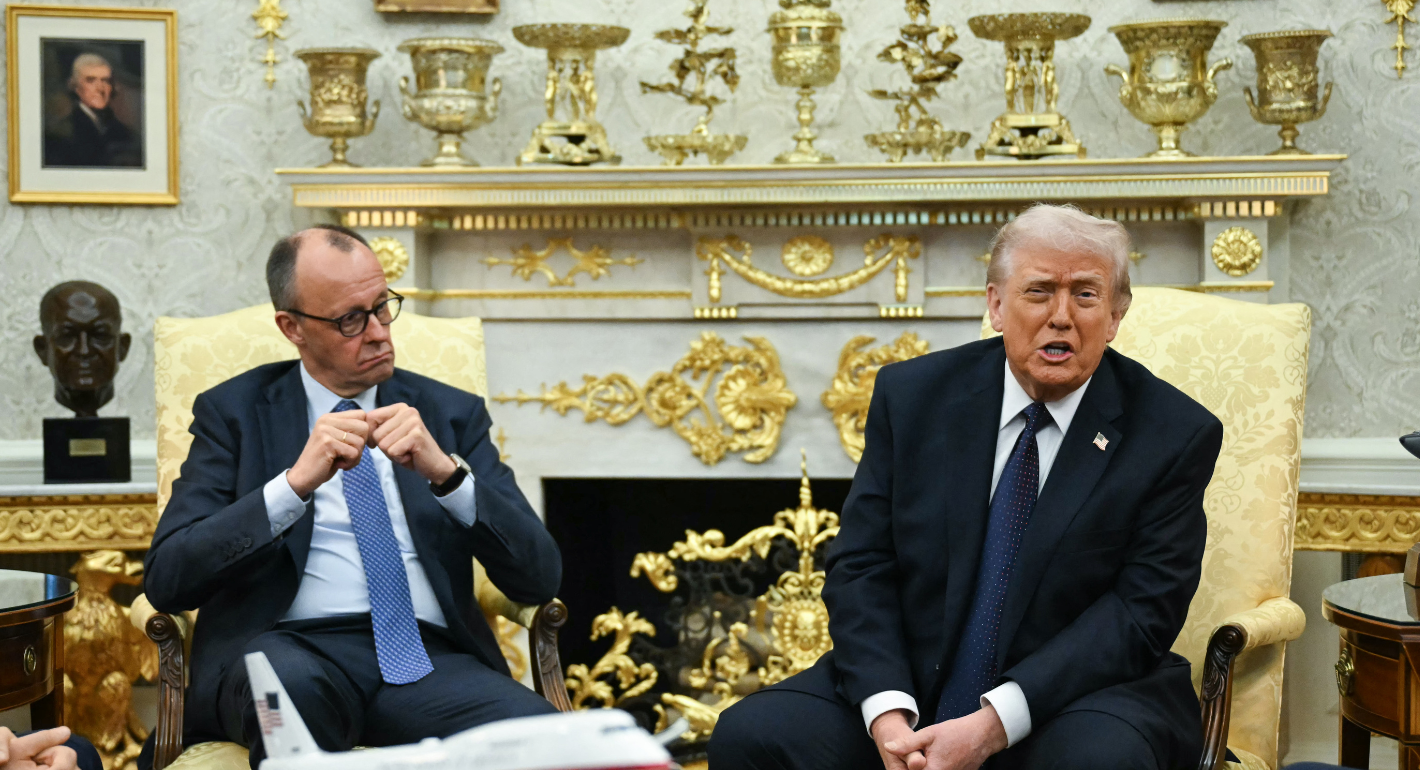
European reactions to the war in Iran have lost sight of wider political dynamics. The EU must position itself for the next phase of the crisis without giving up on its principles.

Richard Youngs
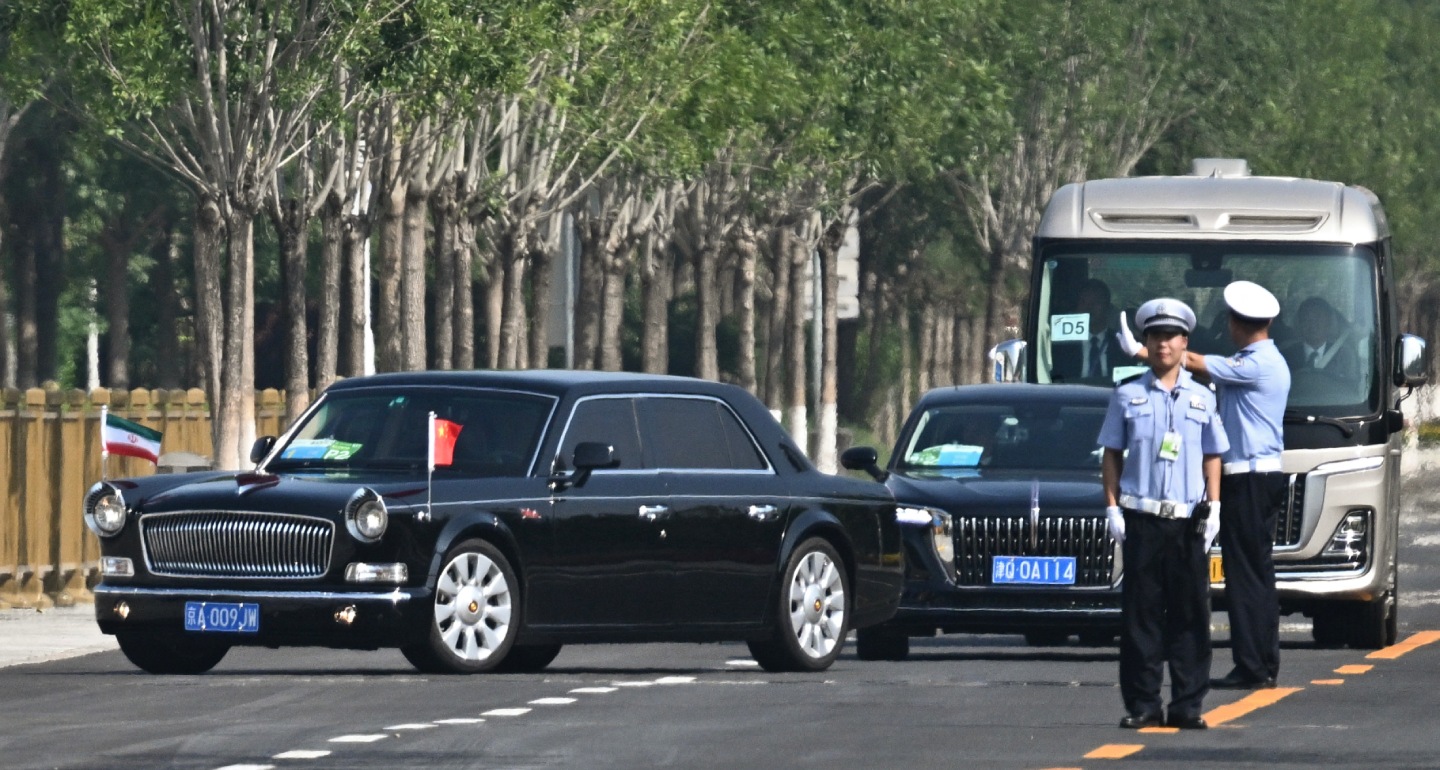
Most of Moscow’s military resources are tied up in Ukraine, while Beijing’s foreign policy prioritizes economic ties and avoids direct conflict.


Alexander Gabuev, Temur Umarov
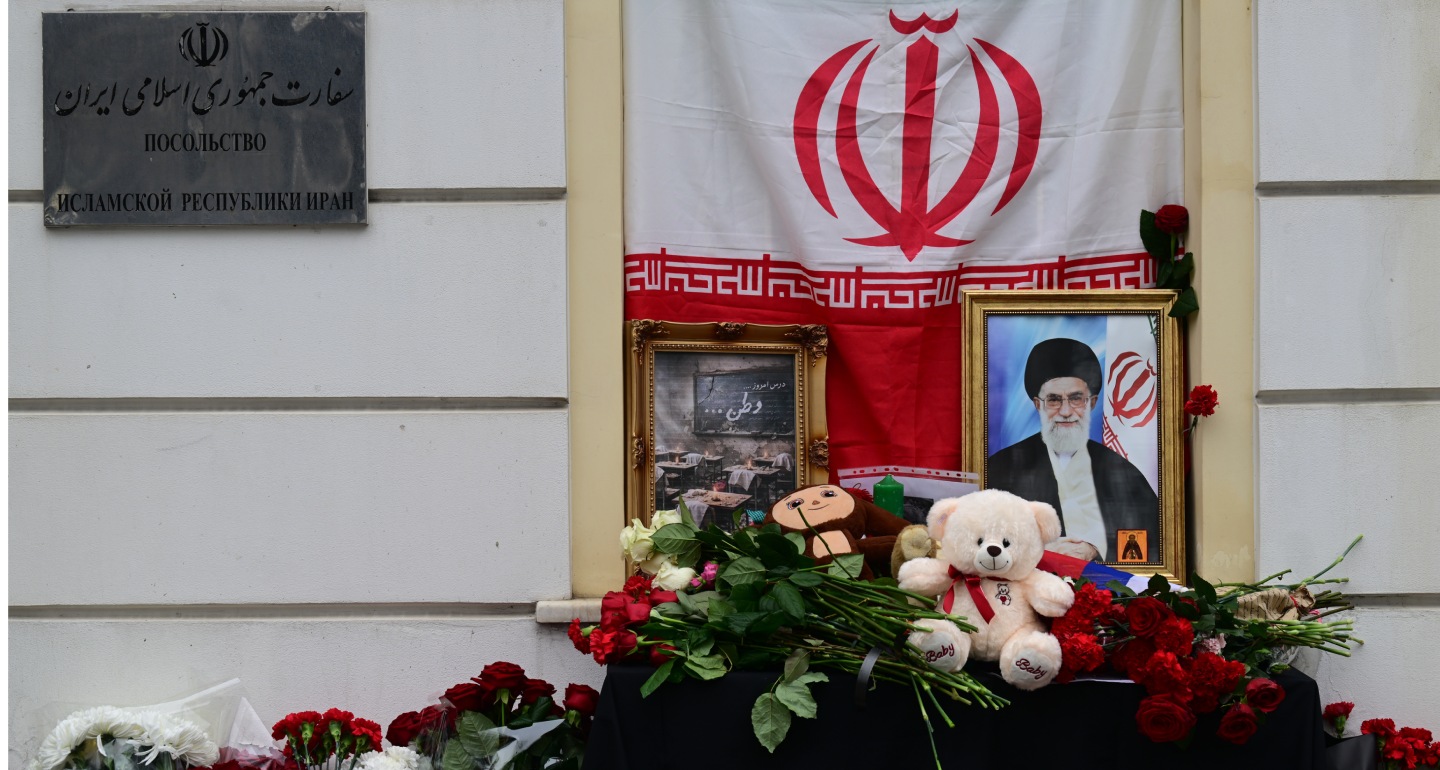
If the regime in Tehran survives, it could be obliged to hand Moscow significant political influence in exchange for supplies of weapons and humanitarian aid.

Nikita Smagin
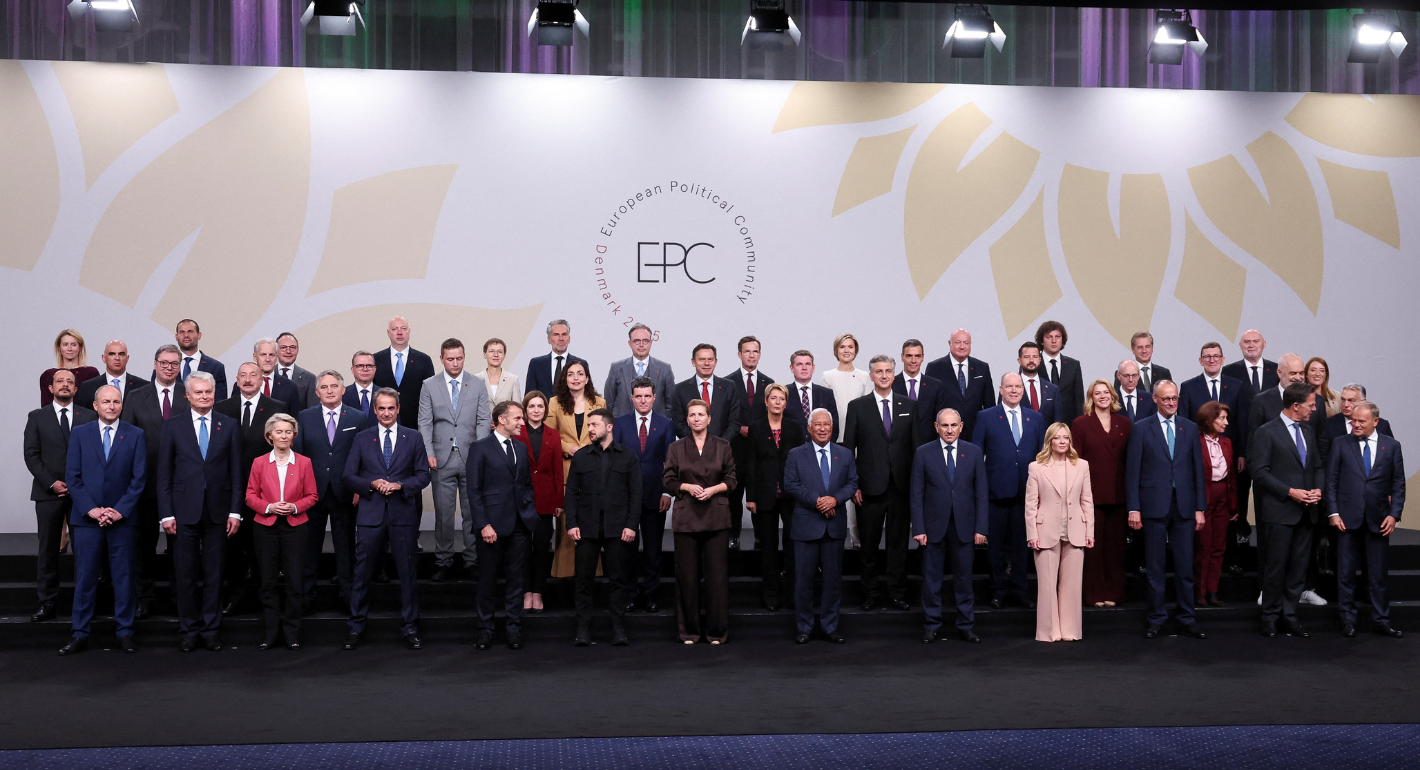
Europe isn’t as weak in the new geopolitics of power as many would believe. But to leverage its assets and claim a sphere of influence, Brussels must stop undercutting itself.

Dimitar Bechev
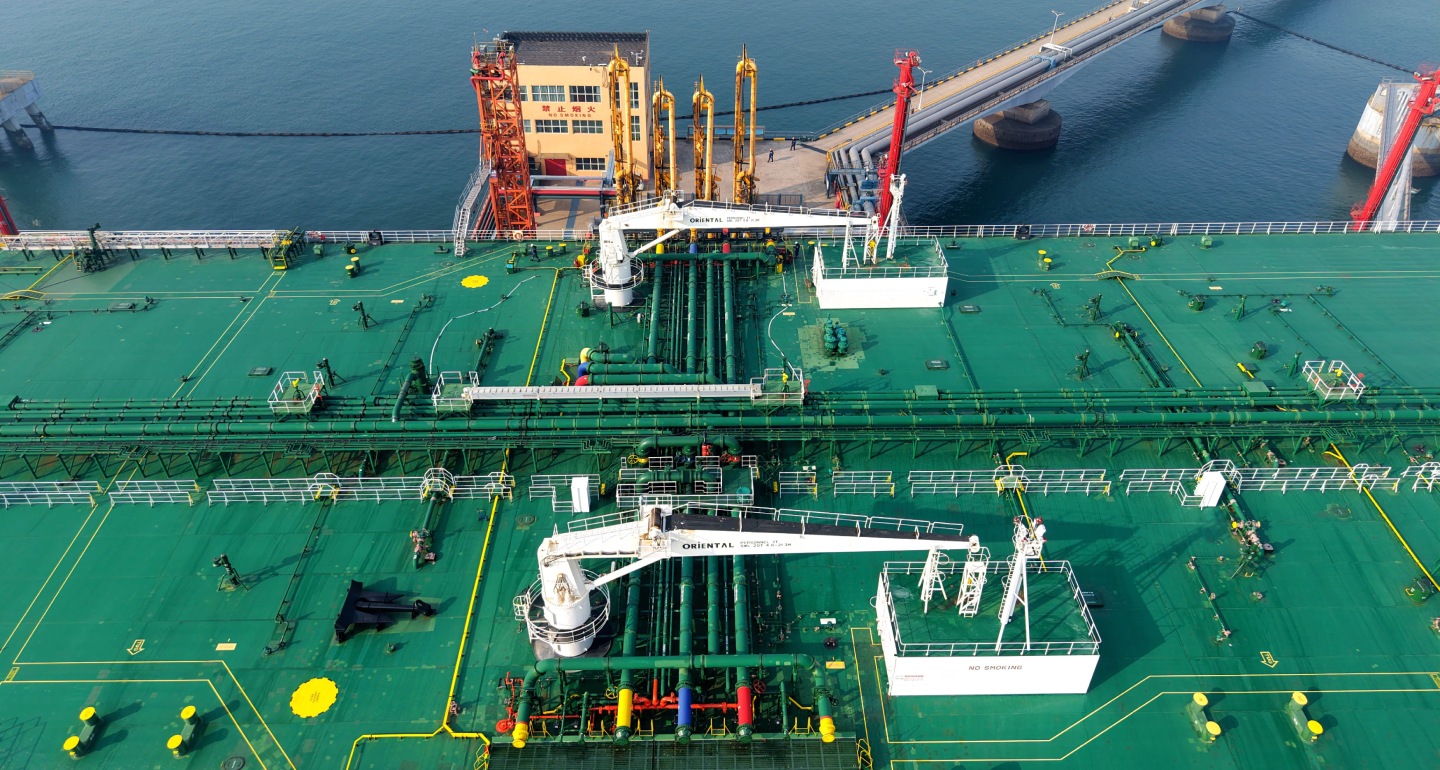
The interventions in Iran and Venezuela are in keeping with Trump’s strategy of containing China, but also strengthen Russia’s position.

Mikhail Korostikov