

Commentary
- +1
Marwan Muasher, Michele Dunne, Perry Cammack, …
{
  "authors": [
    "Tom Carver"
  ],
  "type": "legacyinthemedia",
  "centerAffiliationAll": "",
  "centers": [
    "Carnegie Endowment for International Peace"
  ],
  "collections": [],
  "englishNewsletterAll": "",
  "nonEnglishNewsletterAll": "",
  "primaryCenter": "Carnegie Endowment for International Peace",
  "programAffiliation": "",
  "programs": [],
  "projects": [],
  "regions": [
    "Southern, Eastern, and Western Africa"
  ],
  "topics": []
}
Source: Getty
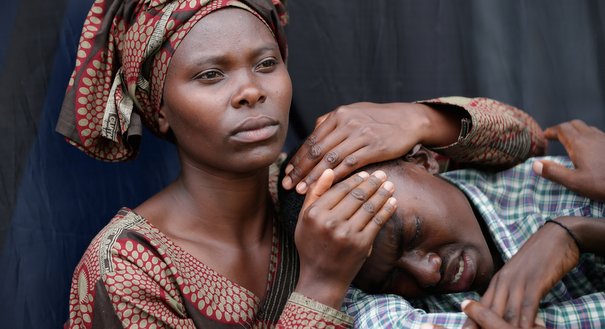
The whole notion of volunteering in Rwanda fits with the awakening of civil society and the desire by communities to determine their own destinies.
Source: Huffington Post
It's hard to believe the Rwandan genocide happened 20 years ago. In April 1994, I was a young BBC reporter who had spent three years covering South Africa's remarkable lurching journey towards democracy. That month, South Africans had elected Nelson Mandela as the country's first black president; it was an improbable story of great hopefulness for the entire continent. But in the midst of the celebrations, I was sent to Rwanda to cover a spasm of violence which quickly escalated (or descended) to horrific levels.
After the genocide was over, I did not return to Rwanda for 18 years, but I have always kept an eye on what was happening from afar. Once you have been part of a seismic event in a country's history, you always feel connected. Then in November 2012, I was invited to return as a member of the board of the international NGO, VSO. Their volunteers work alongside local communities, and they've been in Rwanda for 15 years. I am a big believer in the power of volunteering to effect change, but I wasn't sure what role it might be playing in the country's rehabilitation.Rwanda hardly has any natural advantages. It has no access to the sea, no oil or significant mineral deposits; it is poor, small and overcrowded. As a consequence of the genocide, 40 percent of the population are under the age of 14, more than 70 percent of the population are subsistence farmers and less than 30 percent are in formal employment. But the very lack of any comparative advantages forces Rwandans to rely on the one resource they do have: human ingenuity.
I sat in a room in Nyagatare in Rwanda's Eastern Province listening to the victims of trauma.
The group was called NOUSPR which had sprung up in the aftermath of the genocide to help people deal with and vocalize their grief. These were people who had suffered in the genocide in one way or another wanting to come together to help fellow sufferers. What they lacked were not material objects like computers and so forth but the knowledge of how to build an effective network. NOUSPR needed structure and focus as an organization, so VSO provided them with a Dutch volunteer called Aart Lohmann who had a lot of experience setting up small business networks. He spent a year working with the leaders of the trauma groups in NOUSPR to help them become better organized, devise a business plan to use for fundraising and develop the direction they wanted to take their network.
The notion of active citizenship is something that Rwandans understand very well; after all they have little else to rely on except their own ingenuity and determination. And when a country is as motivated like Rwanda is, volunteering can play a very powerful role. Over the years, VSO volunteers have helped disability groups in Rwanda to campaign more effectively for their voices to be heard, so they can secure resources for Braille and hearing aids, for special needs teachers and even a Paralympics volleyball team that made it to the London Olympics. Through the groups' campaigning the Rwandan government has now developed a policy on disability rights. VSO is also working with the Rwandan government to develop a program to give Rwanda's youth access to skills development and employment opportunities, and the chance to become their own active citizens.
During my short trip, I spoke to people who'd learned an immense amount from a Kenyan teacher or a Dutch businessman who have come into their lives and shared their professional skills. They bring enormous hope to remote rural communities that may have little understanding of best practices that have been successfully formed elsewhere, and as well as helping Rwandan communities to build their own capacity, each of these volunteers takes something back to their home countries from their experience.
When I saw it in action, I realised that the whole notion of volunteering fits with the awakening of civil society and the desire by communities to determine their own destinies. The challenge now is to scale up these kinds of efforts so they reach as many people as possible and help Rwanda achieve its Vision 2020. There is still a lot to do.
The genocide destroyed so many lives but the ability of Rwandans to heal themselves is remarkable. I am impressed, humbled and hopeful.
Former Vice President for Communications and Strategy
Carver was vice president for communications and strategy at the Carnegie Endowment for International Peace. He previously served as senior vice president at Chlopak, Leonard & Schechter. A former award-winning journalist, Carver worked for the BBC from 1984 to 2004.
Recent Work


Marwan Muasher, Michele Dunne, Perry Cammack, …
Marwan Muasher, Michele Dunne, Joseph Bahout, …
Carnegie does not take institutional positions on public policy issues; the views represented herein are those of the author(s) and do not necessarily reflect the views of Carnegie, its staff, or its trustees.

The Horn of Africa countries are among those facing a new security calculus.


Andrew Leber, Lesley Anne Warner
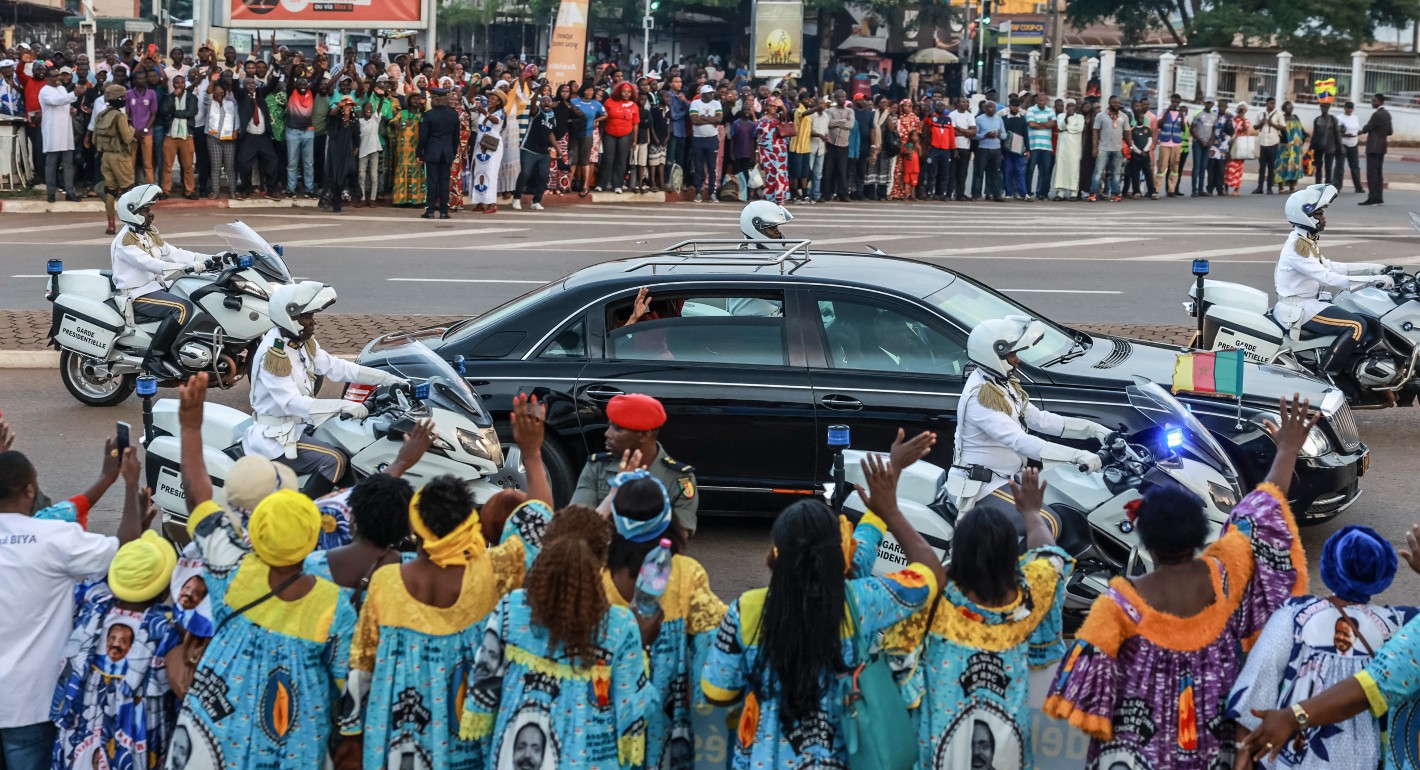
The ninety-three-year-old Biya’s absence and refusal to name a vice president threaten to upend domestic and regional stability.
Lesley Anne Warner
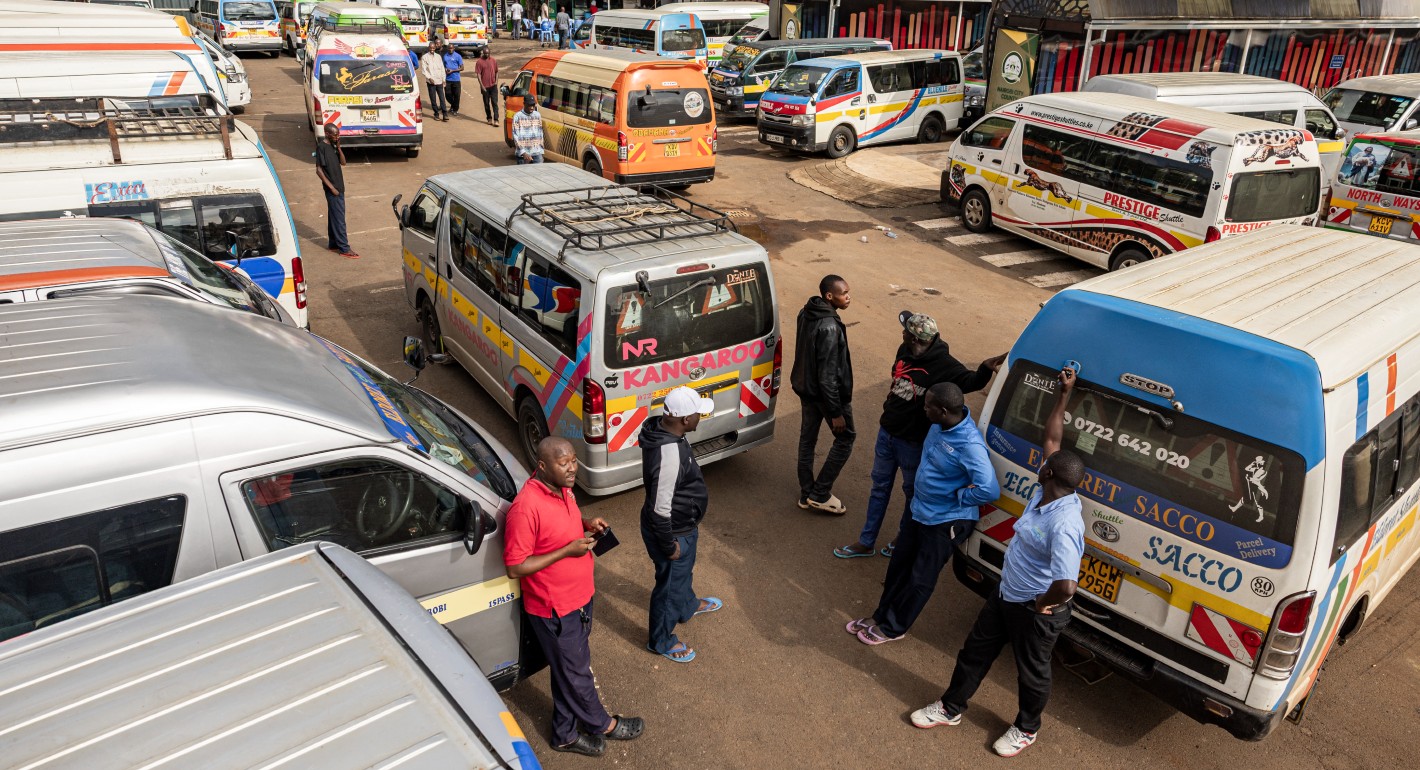
The conflict has sent economic and political shock waves through a country with no representation at the negotiating table—and Kenya is not alone.
Georgia Schaefer-Brown, Jane Munga
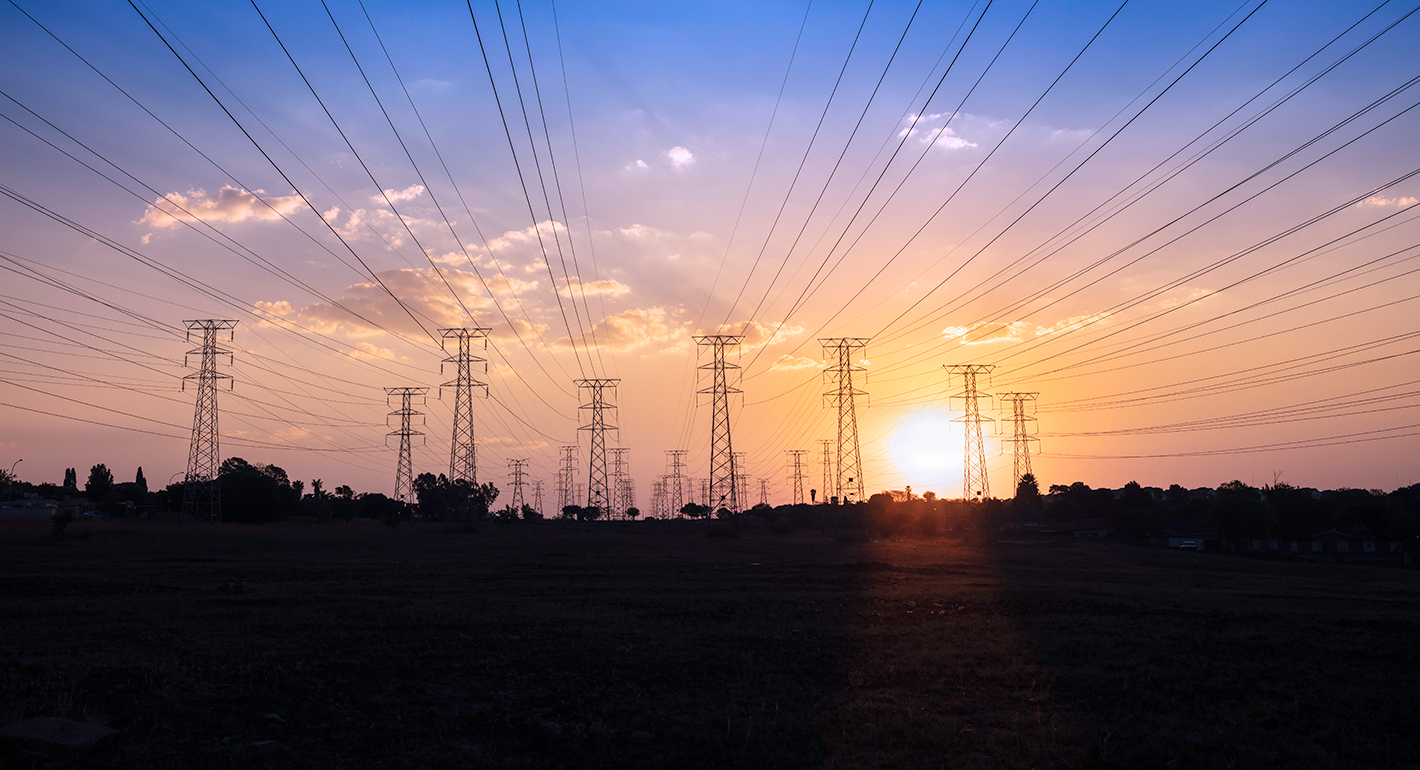
In an era of otherwise deep political division, U.S. government support for electricity infrastructure overseas remains a bright spot of consistent bipartisan consensus. This rare cross-partisan alignment should present huge opportunities for the United States to lead on advancing energy infrastructure in emerging economies.
Katie Auth
President Tshisekedi is implicating Washington in his pursuit of a third term. Staying silent may prove detrimental to the United States in the long run.
Christian-Géraud Neema