

Paper
Christopher S. Chivvis, Rohan Mukherjee, Milan Vaishnav
{
  "authors": [
    "Milan Vaishnav"
  ],
  "type": "legacyinthemedia",
  "centerAffiliationAll": "dc",
  "centers": [
    "Carnegie Endowment for International Peace"
  ],
  "collections": [],
  "englishNewsletterAll": "ctw",
  "nonEnglishNewsletterAll": "",
  "primaryCenter": "Carnegie Endowment for International Peace",
  "programAffiliation": "SAP",
  "programs": [
    "South Asia"
  ],
  "projects": [
    "India Decides 2014"
  ],
  "regions": [
    "South Asia",
    "India"
  ],
  "topics": [
    "Economy"
  ]
}
Source: Getty
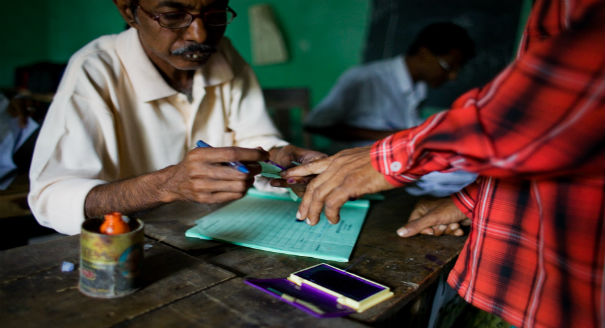
Economic growth, jobs and development, and inflation and corruption are three of the key issues concerning Indian voters as they go to the polls to vote in the general election.
Source: Diplomat
India’s 2014 general election, the largest democratic exercise in history, is underway. The Diplomat spoke with Dr. Milan Vaishnav, an associate in Carnegie’s South Asia program, about the issues driving the election and what the future might hold for India as well as its top two political parties, Congress and the BJP.

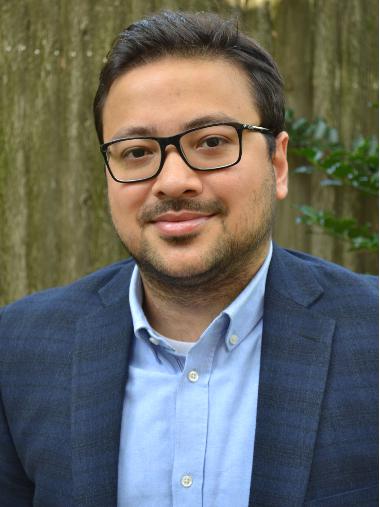
Director and Senior Fellow, South Asia Program
Milan Vaishnav is a senior fellow and director of the South Asia Program and the host of the Grand Tamasha podcast at the Carnegie Endowment for International Peace. His primary research focus is the political economy of India, and he examines issues such as corruption and governance, state capacity, federalism, and electoral behavior. He also conducts research on the Indian diaspora.
Recent Work
Christopher S. Chivvis, Rohan Mukherjee, Milan Vaishnav


Sophia Besch, Eric Ciaramella, Steve Feldstein, …
Carnegie does not take institutional positions on public policy issues; the views represented herein are those of the author(s) and do not necessarily reflect the views of Carnegie, its staff, or its trustees.

Rubio’s recent visit brought welcome attention, but more capital requires governance changes that may be a hard sell for regional governments.

Jennifer B. Murtazashvili

China has showcased its engineering prowess with small modular reactor demonstration projects. But turning these technological achievements into commercial success will be a greater challenge.

Tong Zhao

Despite public disputes over trade and immigration, the strategic partnership’s foundations remain sturdy.

Sameer Lalwani

With its public finances in shambles, the far right polling at 35 percent ahead of the 2027 presidential election, and a growing protest movement, is France’s crisis a threat to the EU’s geopolitical awakening?

Rym Momtaz, ed.

Russian strikes are weakening the economy sustaining Ukraine’s war effort. Closing the growing funding gap will require more European support and politically contentious reforms in Kyiv.

Balázs Jarábik