

Paper
Protests in Iran follow a similar pattern: Economic grievances turn into political protests that spread nationwide. But increased state repression has begun to shift the arrangement.
Eric Lob
{
  "authors": [],
  "type": "pressRelease",
  "centerAffiliationAll": "dc",
  "centers": [
    "Carnegie Endowment for International Peace",
    "Carnegie Europe"
  ],
  "collections": [],
  "englishNewsletterAll": "ctw",
  "nonEnglishNewsletterAll": "",
  "primaryCenter": "Carnegie Endowment for International Peace",
  "programAffiliation": "EP",
  "programs": [
    "Europe"
  ],
  "projects": [],
  "regions": [
    "Iran"
  ],
  "topics": []
}
REQUIRED IMAGE
Sinan Ülgen, visiting scholar at Carnegie Europe, has been invited by NATO Secretary General Anders Fogh Rasmussen to participate in a policy experts group.
BRUSSELS—Sinan Ülgen, visiting scholar at Carnegie Europe, has been invited by NATO Secretary General Anders Fogh Rasmussen to participate in a policy experts group tasked with providing new ideas on how to strengthen the alliance’s transatlantic ties.
Ülgen, a former Turkish diplomat whose research focuses on the implications of Turkish foreign policy for Europe and the United States, is director of the Istanbul-based Center for Economics and Foreign Policy Studies (EDAM.) He and nine other think tank heads from across Europe and North America will join the NATO Parliamentary Assembly and a group of young leaders to find ways to strengthen the transatlantic bond.
The groups’ recommendations will be reviewed at a conference in Brussels in June and will feed into the September NATO Summit in Wales.
“I am honored to have been invited to join this expert group, which is meeting at a critical juncture in the history of the alliance,” Ülgen said. “We shall endeavor to identify a set of concrete proposals that can be taken on board by NATO leaders.”
Press Contact: Christine Lynch | +32 2 209 29 93 | clynch@ceip.org
Carnegie Europe is the Brussels-based center of the Carnegie Endowment for International Peace. Through publications, articles, seminars, and private consultations, Carnegie Europe aims to foster new thinking on the daunting international challenges shaping Europe’s role in the world.
Carnegie does not take institutional positions on public policy issues; the views represented herein are those of the author(s) and do not necessarily reflect the views of Carnegie, its staff, or its trustees.
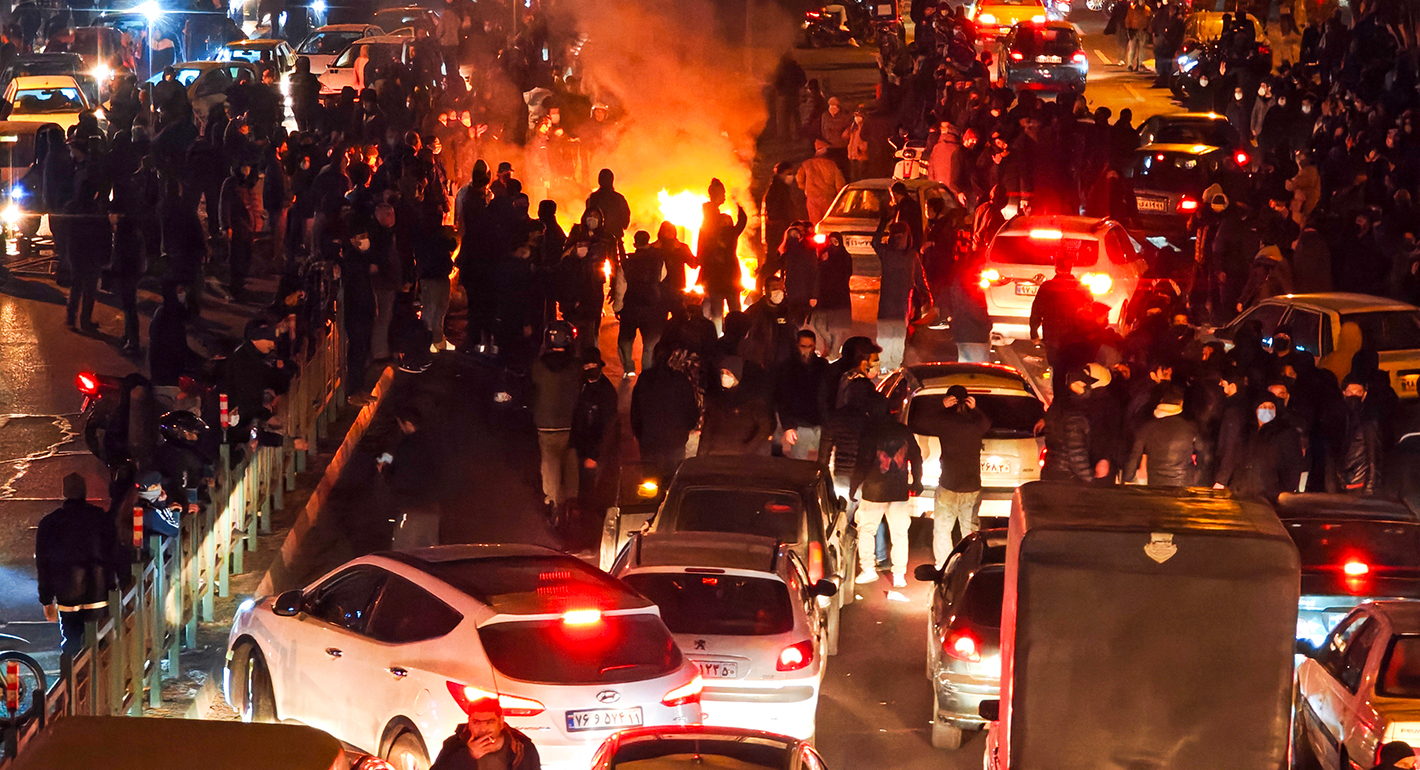
Protests in Iran follow a similar pattern: Economic grievances turn into political protests that spread nationwide. But increased state repression has begun to shift the arrangement.

Eric Lob
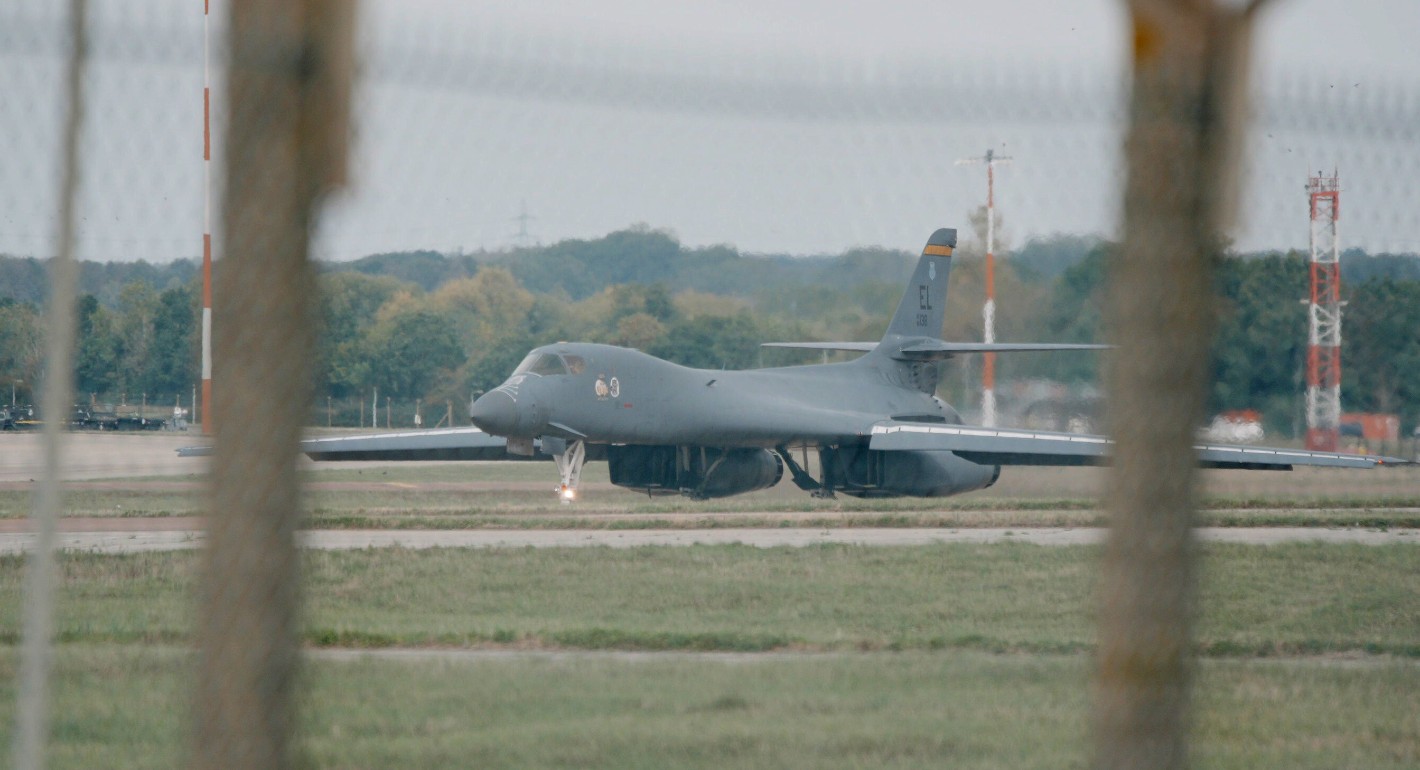
It signals a new era of tech diffusion and warfare.

Steve Feldstein

As the U.S. stumbles in its war with Iran, we are likely to see an acceleration of its disengagement from the region.

Michael Young

Understanding the climatic pain points is necessary for policymakers hoping to minimize the war’s negative environmental consequences.



Alejandro Martin Rodriguez, Joy Arkeh, Sarah Yerkes

Middle Eastern states should welcome an accelerated U.S. disengagement from their region.
Michael Young