

Paper
Douglas H. Paal
{
  "authors": [
    "Douglas H. Paal"
  ],
  "type": "legacyinthemedia",
  "centerAffiliationAll": "dc",
  "centers": [
    "Carnegie Endowment for International Peace",
    "Carnegie China"
  ],
  "collections": [
    "China’s Foreign Relations"
  ],
  "englishNewsletterAll": "asia",
  "nonEnglishNewsletterAll": "",
  "primaryCenter": "Carnegie Endowment for International Peace",
  "programAffiliation": "AP",
  "programs": [
    "Asia"
  ],
  "projects": [],
  "regions": [
    "North America",
    "United States",
    "East Asia"
  ],
  "topics": [
    "Security",
    "Military",
    "Foreign Policy"
  ]
}
Source: Getty
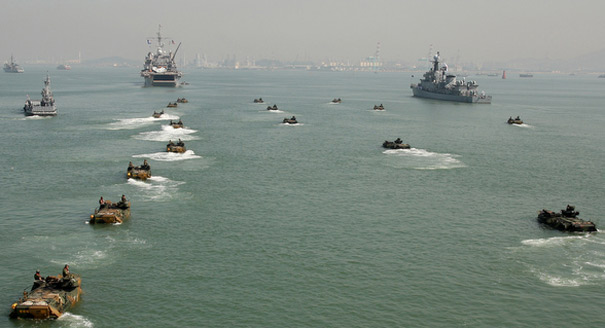
The Obama administration’s pivot to Asia has not emboldened America’s regional partners, nor has U.S. reluctance to directly intervene in territorial disputes signaled waning support for U.S. allies.
Source: CCTV America
Douglas Paal appeared on CCTV America to dismiss the myth that the Obama administration’s “pivot to Asia” has emboldened countries in the region. He asserted that such claims get the chronology wrong and that tensions in the region began to heat up following the 2008 Beijing Olympics, which led U.S. partners in the region to call for the pivot, which began in 2011. Similarly, he rejected the idea that the administration’s reluctance to intervene in the territorial disputes indicates an unwillingness to support American partners in the region, pointing out that the United States seems to be increasingly willing to transfer military equipment to Hanoi and Manila, to step up military-to-military cooperation, and to strengthen their technical capabilities.
Distinguished Fellow, Asia Program
Paal previously served as vice chairman of JPMorgan Chase International and as unofficial U.S. representative to Taiwan as director of the American Institute in Taiwan.
Recent Work
Douglas H. Paal

Douglas H. Paal, Tong Zhao, Chen Qi, …
Carnegie does not take institutional positions on public policy issues; the views represented herein are those of the author(s) and do not necessarily reflect the views of Carnegie, its staff, or its trustees.

In an interview, Naysan Rafati assesses the first week that followed the U.S. and Israeli attack on Iran.

Michael Young
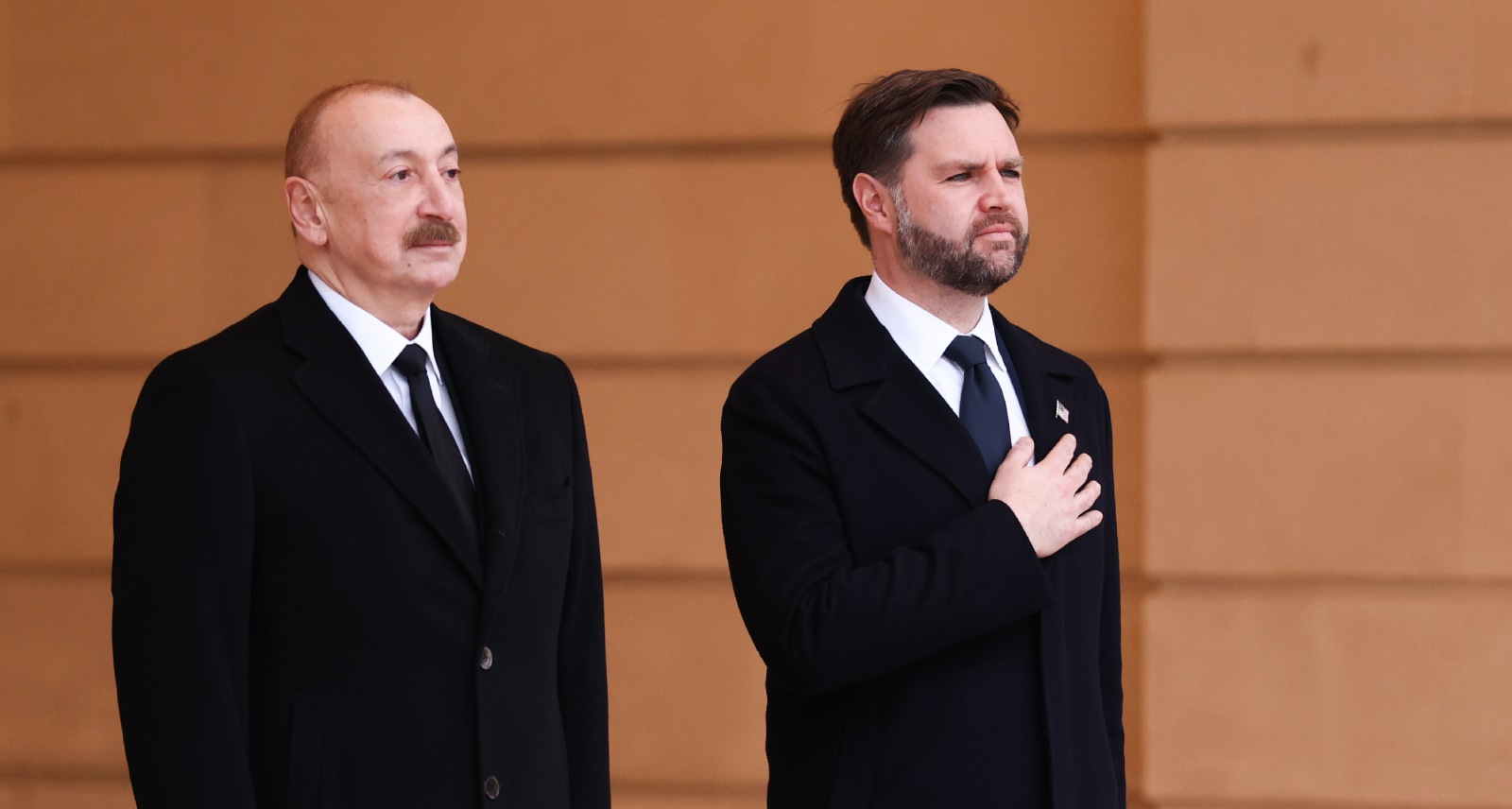
With the White House only interested in economic dealmaking, Georgia finds itself eclipsed by what Armenia and Azerbaijan can offer.

Bashir Kitachaev
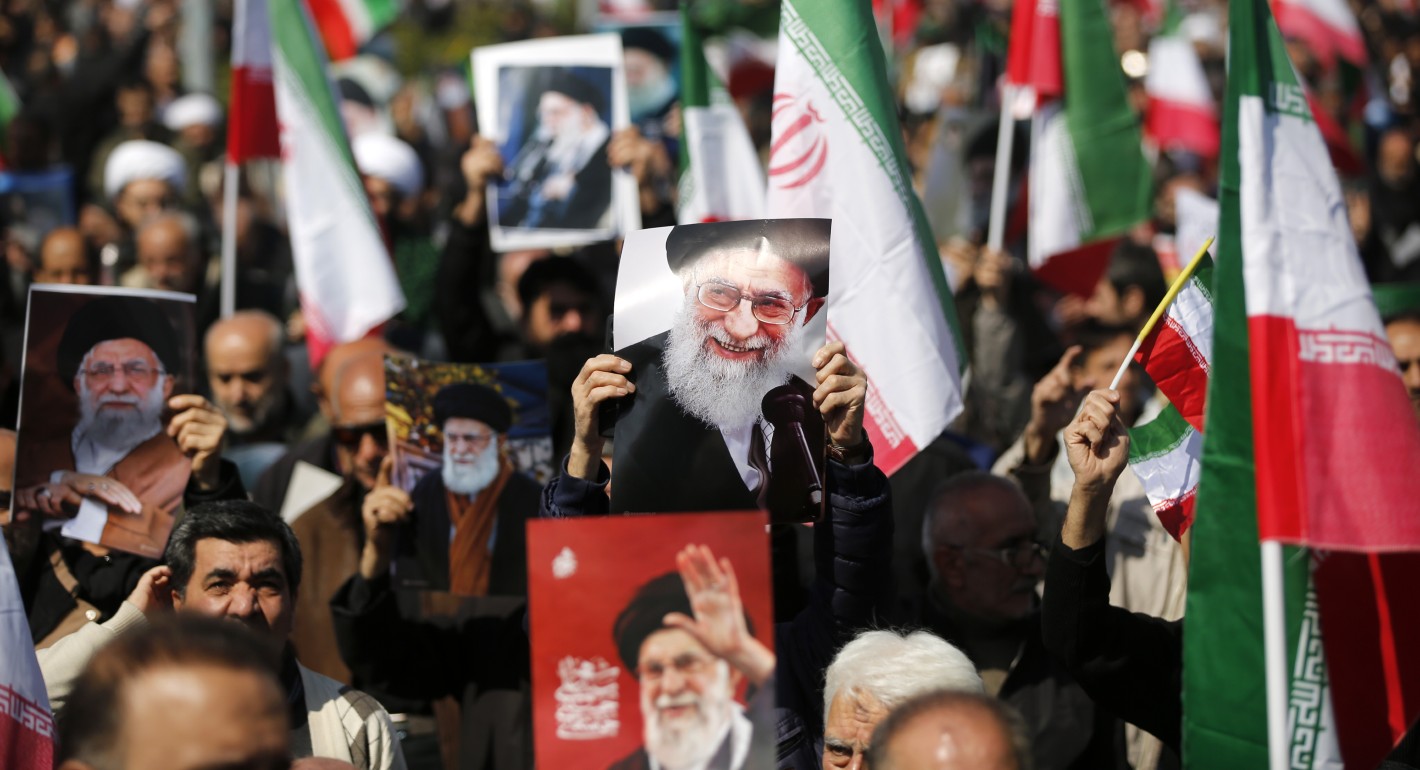
If the succession process can be carried out as Khamenei intended, it will likely bring a hardliner into power.

Eric Lob
But to achieve either, it needs to retain Washington’s ear.

Alper Coşkun
At heart, to impose unconditional surrender on Hezbollah and uproot the party among its coreligionists.

Yezid Sayigh