

In The Media
Lina Khatib
{
  "authors": [
    "Lina Khatib"
  ],
  "type": "legacyinthemedia",
  "centerAffiliationAll": "dc",
  "centers": [
    "Carnegie Endowment for International Peace",
    "Malcolm H. Kerr Carnegie Middle East Center"
  ],
  "collections": [],
  "englishNewsletterAll": "menaTransitions",
  "nonEnglishNewsletterAll": "",
  "primaryCenter": "Malcolm H. Kerr Carnegie Middle East Center",
  "programAffiliation": "MEP",
  "programs": [
    "Middle East"
  ],
  "projects": [],
  "regions": [
    "Levant",
    "Syria",
    "Middle East"
  ],
  "topics": [
    "Political Reform",
    "Democracy"
  ]
}
Source: Getty
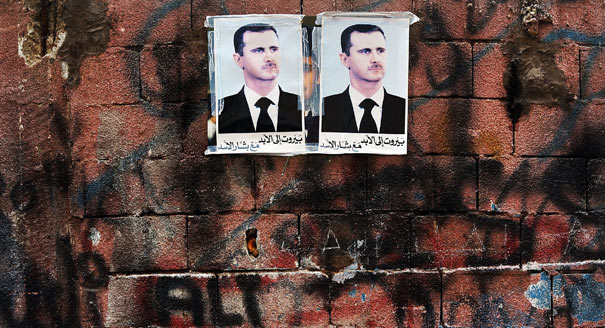
The Syrian presidential election is not free or fair. It is Bashar al-Assad’s attempt to legitimize his presidency.
Source: Associated Press
Lina Khatib, the director of the Carnegie Middle East Center in Beirut, called Tuesday’s presidential vote in Syria a “non-election” and said they were an attempt by Assad to find some legitimacy.
“We all know that what is happening is not free or fair,” said Khatib.
“The two candidates who are supposedly running against Assad are unknown, they have been handpicked by the regime just to pretend that this is a free election, they do not have a political programme, no one is actually going to vote for them, even though the results may be skewed by the regime to make it look like some people at least voted for them.”
Khatib, who follows the Syrian refugee community in Lebanon, said the high turnout numbers that have been reported among Syrian refugee communities abroad are the result of the government loyalists’ tactics and attempts at coercion.
Former Director, Middle East Center
Khatib was director of the Carnegie Middle East Center in Beirut. Previously, she was the co-founding head of the Program on Arab Reform and Democracy at Stanford University’s Center on Democracy, Development, and the Rule of Law.
Recent Work
Lina Khatib
Lina Khatib
Carnegie does not take institutional positions on public policy issues; the views represented herein are those of the author(s) and do not necessarily reflect the views of Carnegie, its staff, or its trustees.
In the discussions made possible by the State Duma election campaign, one question is being asked more and more loudly. “What next?”

Andrey Pertsev
Saied’s main accomplishment has been to destroy a decade’s worth of democratic progress.

Sarah Yerkes
The targeting of Damietta Port appears to be more than a mere security message.

Amr Hamzawy
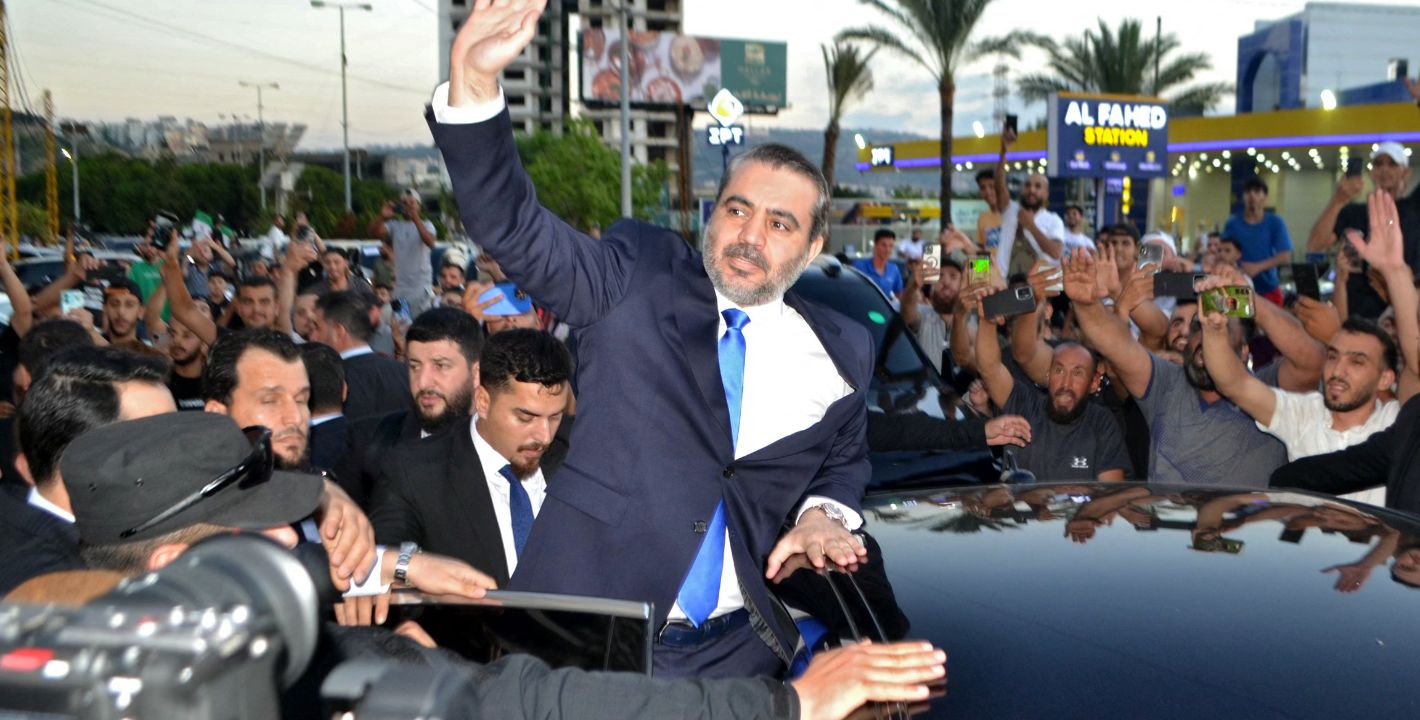
In an interview, Sohaib Jawhar analyzes the profound changes in the ties between the neighboring countries.

Michael Young
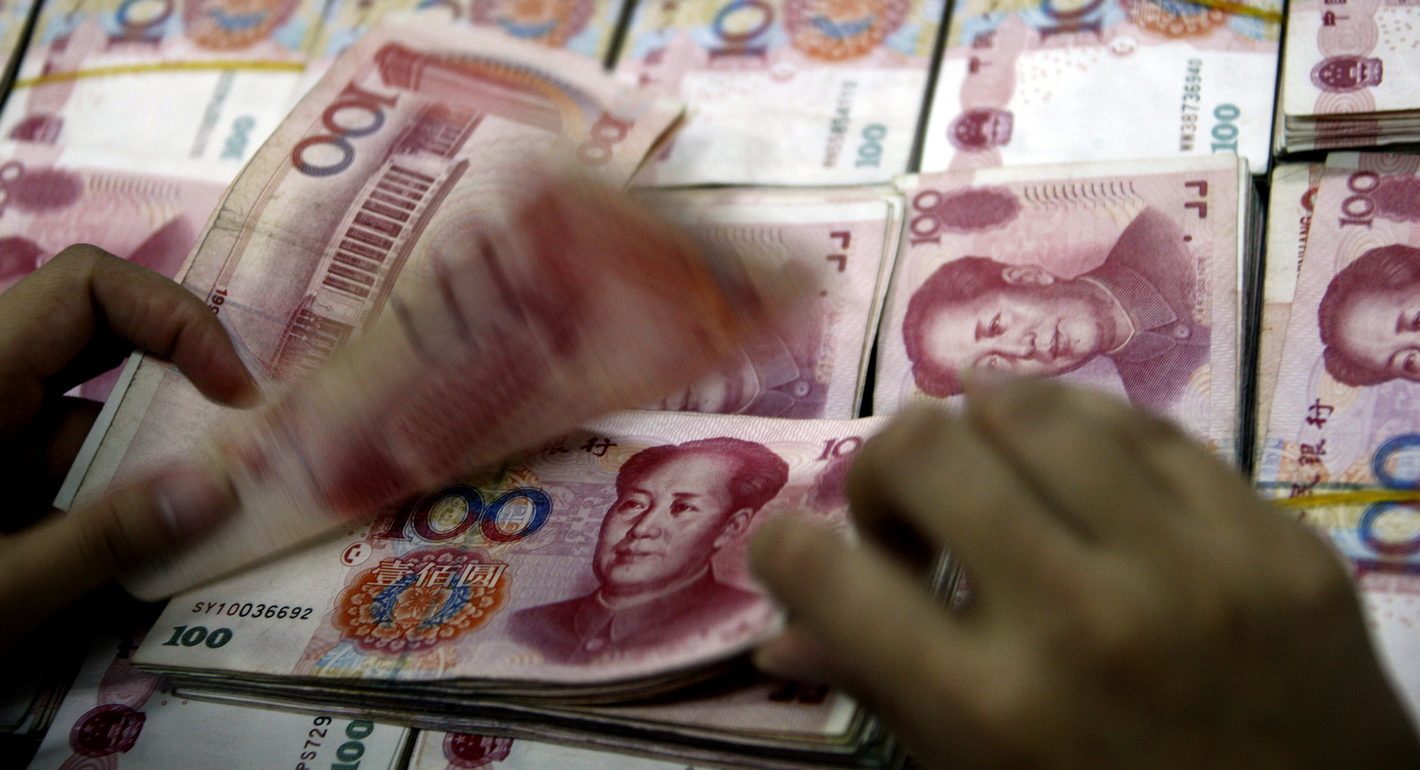
Is the Gulf moving beyond the dollar? This article examines how China is expanding the renminbi's role across Gulf markets, what that means for regional finance, and why the future of global currencies is more complex than the de-dollarization debate suggests.
Andrew Bonney