

In The Media
Lina Khatib
{
  "authors": [
    "Lina Khatib"
  ],
  "type": "other",
  "centerAffiliationAll": "",
  "centers": [
    "Carnegie Endowment for International Peace",
    "Malcolm H. Kerr Carnegie Middle East Center"
  ],
  "collections": [],
  "englishNewsletterAll": "",
  "nonEnglishNewsletterAll": "",
  "primaryCenter": "Malcolm H. Kerr Carnegie Middle East Center",
  "programAffiliation": "",
  "programs": [],
  "projects": [],
  "regions": [
    "Gulf",
    "Levant"
  ],
  "topics": [
    "Political Reform"
  ]
}
Source: Getty
National conflicts are no longer purely national. As in Iraq and Syria, each country’s conflicts are linked to dynamics that go beyond the domestic context.
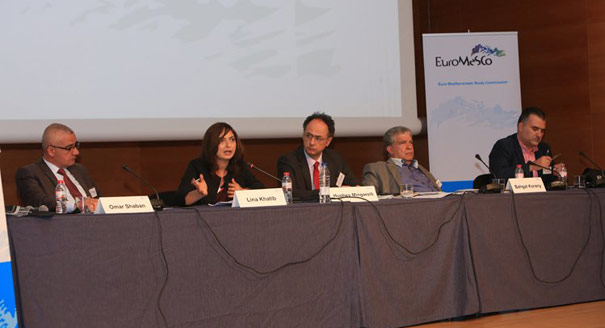
Source: IEMed Barcelona
Tarragona, October 2, 2014—The director of the Carnegie Middle East Center explained the role of the West and the European Union in the region in the session “The Ever More Complex Mediterranean: National Conflicts and Democratic Transitions” that opened the EuroMeSCo Annual Conference 2014.
The conference, held in Tarragona on October 2-3 2014, analyzed the increasing diversity and complexity of the region from different angles: the national conflicts and rivalries, the geopolitical transformations and the role of external actors, the scenarios for democratic consolidation, and the patterns of political continuity. It also focused on the challenges posed by regional fragmentation to Euro-Mediterranean politics.
This event was originally recorded and published by IEMed Barcelona. The entire program schedule may be found here.
Former Director, Middle East Center
Khatib was director of the Carnegie Middle East Center in Beirut. Previously, she was the co-founding head of the Program on Arab Reform and Democracy at Stanford University’s Center on Democracy, Development, and the Rule of Law.
Recent Work
Lina Khatib
Lina Khatib
Carnegie does not take institutional positions on public policy issues; the views represented herein are those of the author(s) and do not necessarily reflect the views of Carnegie, its staff, or its trustees.
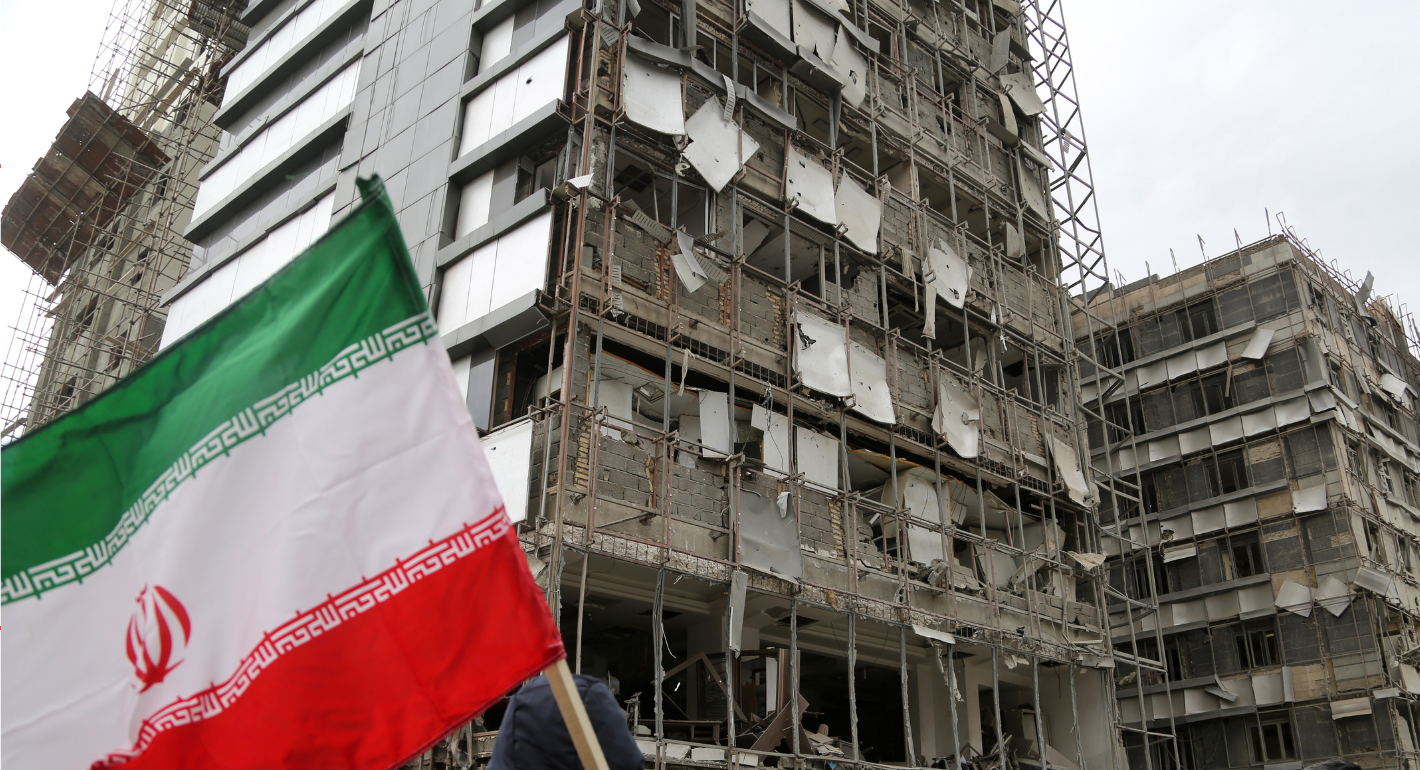
Europe’s reaction to the war in Iran has been disunited and meek, a far cry from its previously leading role in diplomacy with Tehran. To avoid being condemned to the sidelines while escalation continues, Brussels needs to stand up for international law.

Pierre Vimont
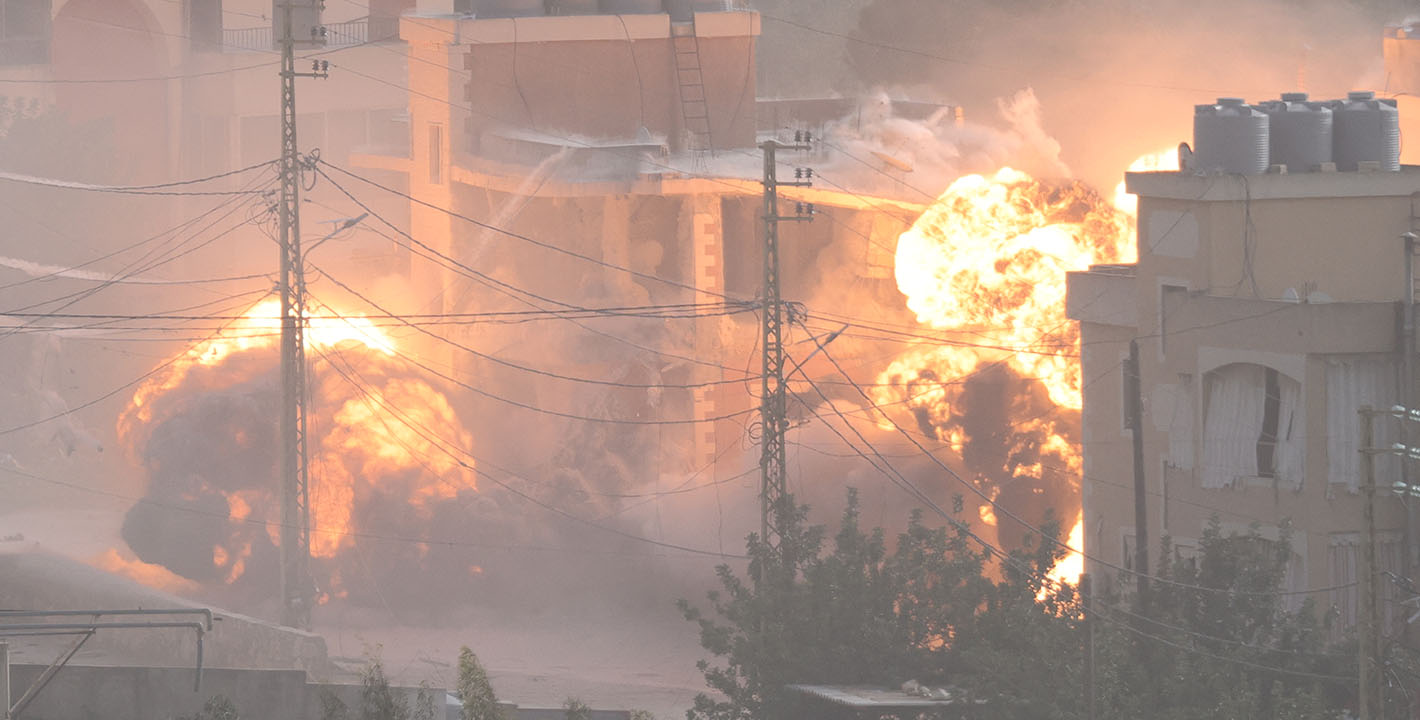
As Iran defends its interests in the region and its regime’s survival, it may push Hezbollah into the abyss.

Michael Young
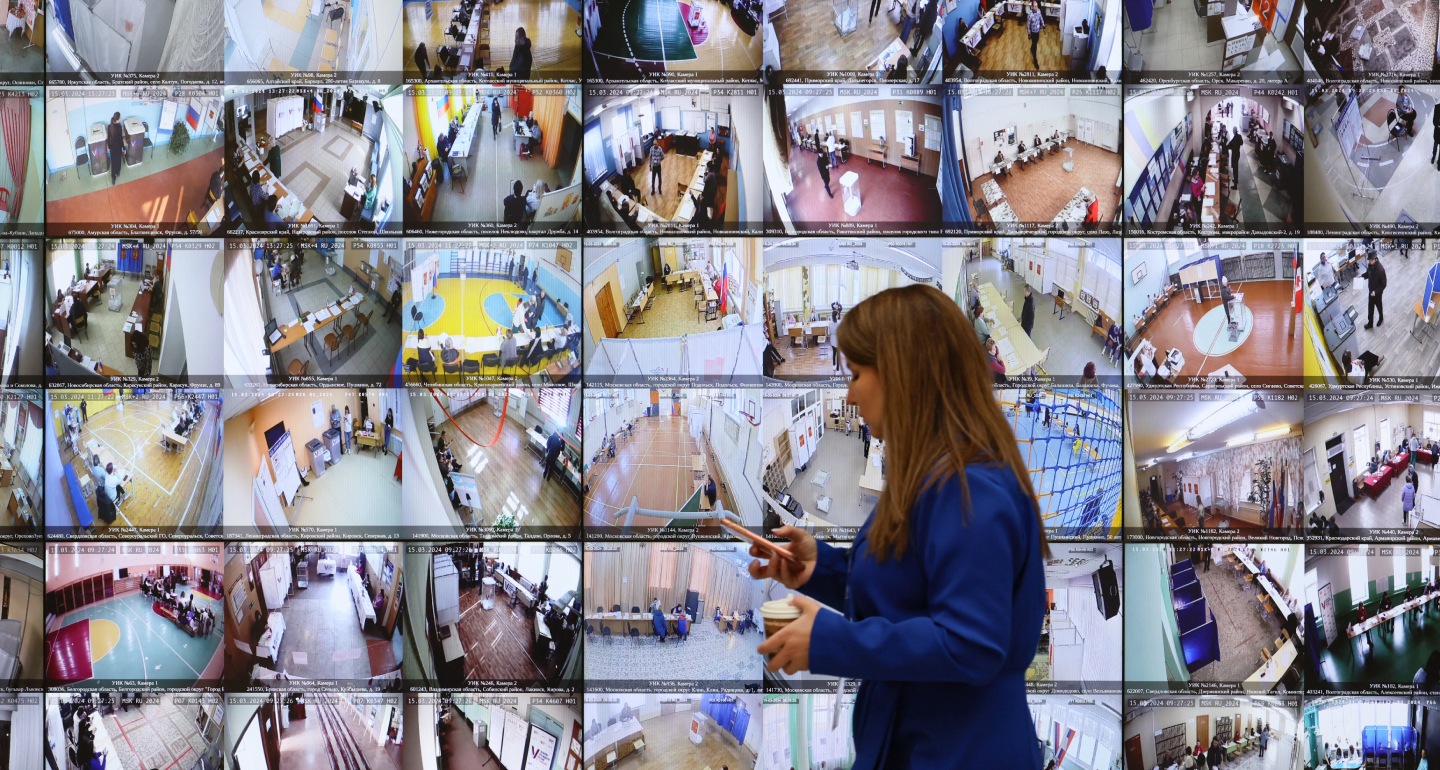
The use of technology to mobilize Russians to vote—a system tied to the relative material well-being of the electorate, its high dependence on the state, and a far-reaching system of digital control—is breaking down.

Andrey Pertsev
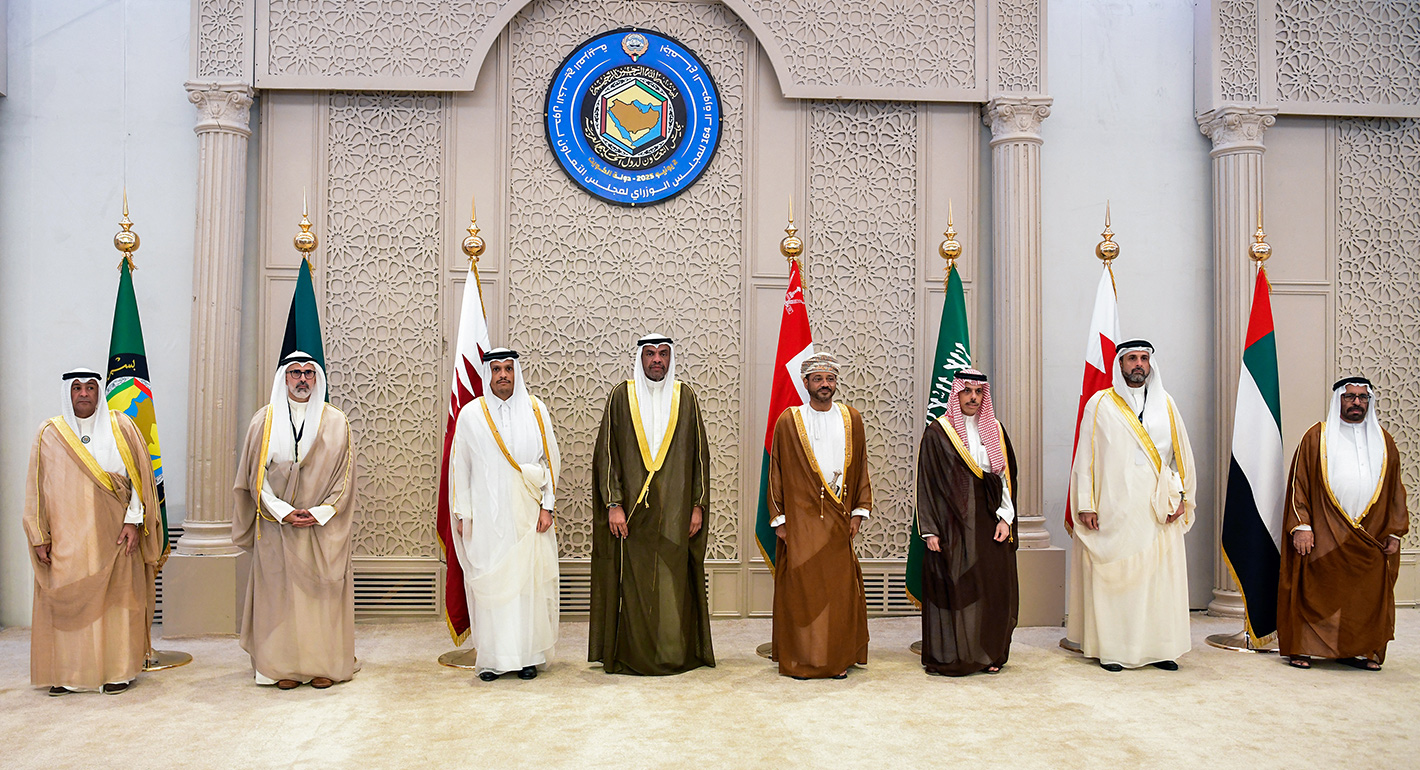
Without structural reform, the organization, which is racked by internal rivalries, risks sliding into irrelevance.

Hesham Alghannam
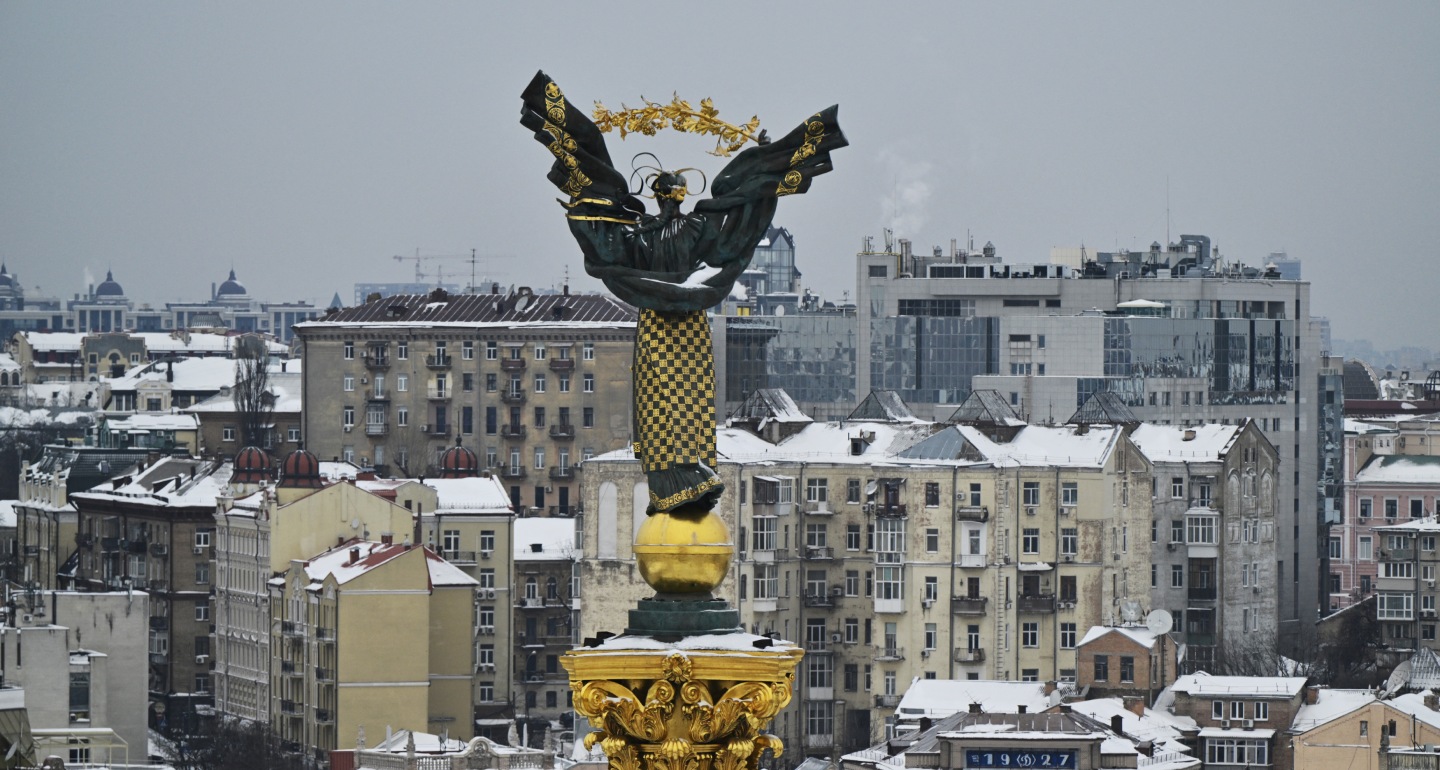
As discussions about settlement and elections move from speculation to preparation, Kyiv will have to manage not only the battlefield, but also the terms of political transition. The thaw will not resolve underlying tensions; it will only expose them more clearly.

Balázs Jarábik