

In The Media
David Rothkopf
{
  "authors": [
    "David Rothkopf"
  ],
  "type": "legacyinthemedia",
  "centerAffiliationAll": "",
  "centers": [
    "Carnegie Endowment for International Peace"
  ],
  "collections": [],
  "englishNewsletterAll": "",
  "nonEnglishNewsletterAll": "",
  "primaryCenter": "Carnegie Endowment for International Peace",
  "programAffiliation": "",
  "programs": [],
  "projects": [],
  "regions": [
    "North America",
    "United States"
  ],
  "topics": [
    "Political Reform"
  ]
}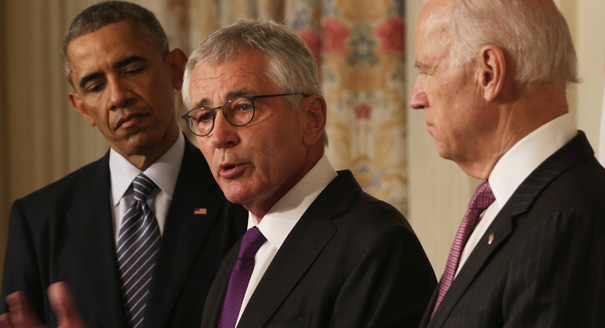
Source: Getty
If President Obama is unwilling to ask himself how he must change in order to avoid and undo mistakes like those of the past two years, it doesn't matter how many cabinet secretaries come or go.
Source: Foreign Policy
The knives were out for Chuck Hagel as soon as he was appointed secretary of defense. At first, however, those blades belonged to the snarky and dubious members of the press corps assigned to him. The Washington buzz was that Hagel, despite his years in the Senate and accomplishments in business and the military, was not up to the job. But today, with word of Hagel being ousted from the Obama cabinet, many of those who doubted him feel he was wronged.
With the Obama administration coming off an extremely rocky first two years of its second term on the national security front, many, including myself, urged the president to take a page out of the book of his predecessors and shake up a team that was clearly not serving him well.
As early as two months ago, the buzz coming from administration insiders was that Hagel might become a sacrificial lamb on that front. His relations with the White House were not great. He was not seen as a strong secretary of defense. And he was seen, in the words of one former senior Obama aide, as having "gone native." This meant he was becoming a conduit for the growing frustrations of the military leadership in the Department of Defense toward the reactive, strategically incoherent responses of the president and his White House team, particularly regarding the growing threat posed by the Islamic State spreading chaos in Iraq and Syria.Hagel's appointment may have been a sign of the president's and his closest advisors' bad judgment when Hagel was hired. Hagel lacked the national security bureaucratic know-how and leadership of either Bob Gates or Leon Panetta, the much stronger pair who served the president in the Pentagon during his first term in office. Hagel was a sign of how small the president's circle of acquaintances in the defense area were -- drawn from the one pool Obama knew from his four years in Washington, D.C., prior to becoming president: the Senate. Hagel may have been a brand name but not a great choice. But he was comfortable, it was thought, with Obama, Joe Biden, and John Kerry, four former members -- with Hagel -- of the Senate Foreign Relations Committee.
But Hagel is not the problem. Sure he has been distant, spending much time on the road. But largely that was due to the fact that this administration has alienated its own cabinet members more than any other in memory. To illustrate this, one need only recall Mark Landler's line in the New York Times about Secretary of State John Kerry being so disconnected from the White House that he resembles Sandra Bullock's astronaut character from the movie Gravity, untethered and adrift. (My book, National Insecurity, in addition to covering much of the dysfunction that led to the current problems, also details similar issues -- as do the books by Panetta, Gates, Vali Nasr, and, to a degree, Hillary Clinton.)
No, Hagel's alienation, the tension between him and the White House, and the military leadership's burgeoning frustration with the false starts, half-measures, and micromanagement that have marked the administration's Iraq and Syria campaigns are signs of much deeper problems that lie within the way the president himself operates and, from a process perspective, from the way that his National Security Council (NSC) operates.
At a moment when most second-term presidents have long since bid adieu to their campaign staffers and have focused on governing, Obama is drawing his closer, providing him more of a security blanket than an effective national security team. Susan Rice, his national security advisor, was passenger No. 1 on the Obama campaign's national security team, leading its efforts and working closely throughout with Denis McDonough, now Obama's chief of staff. They have fostered throughout Obama's time in office an "us vs. them" environment with their own colleagues in the administration, beginning but hardly ending with the remnants of the Hillary Clinton for President team. They have stayed tactical as campaign teams do, viewing many of the international options they have considered primarily through a domestic political lens, and thus have been at the heart of the errors that have plagued the Obama team -- from divisions between the White House and Defense or State, to the play fake on attacking Syria last year, to mishandling the NSA scandal, to the underwhelming response to Russian President Vladimir Putin's invasion of Crimea, and to the current situation in Iraq.
Obama has a number of excellent choices he is likely to consider for the top job at the Pentagon. Michèle Flournoy, the former undersecretary of defense, would have been a better choice back when Hagel was first picked and remains a great choice now. So too would be the former deputy secretary of defense, the brilliant Ash Carter, or another to hold that post, John Hamre.
Bringing in one of these folks will not fix the deeper problems within the administration. And, candidly, anyone offered the job ought to think long and hard about accepting it without assurances that the White House will give him or her (and the top military brass) the latitude needed to fulfill the missions being assigned. And frankly, the appointee ought to ask what changes will be made within the NSC process to ensure that the overconcentration of power within that bloated staff will be reversed and whether this administration that talks so much about "whole-of-government solutions" will start actually seeking them.
Once again, of course, a greater challenge and a greater concern hang over all of this.
The challenge is that the NSC and the national security team are always just a reflection of what the president wants. If President Obama is unwilling to ask himself how he must change in order to avoid and undo mistakes like those of the past two years, it doesn't matter how many cabinet secretaries come or go. If the move to swap out Chuck Hagel (apparently after a rather contentious tug of war about whether he should depart) is as it appears to be -- a gesture designed to avoid addressing the real problems within the Obama team -- then it is worse than empty. It is a further sign that this is a president resistant to growth or to finding a way to effectively advance the national security interests of the United States.
Former Visiting Scholar
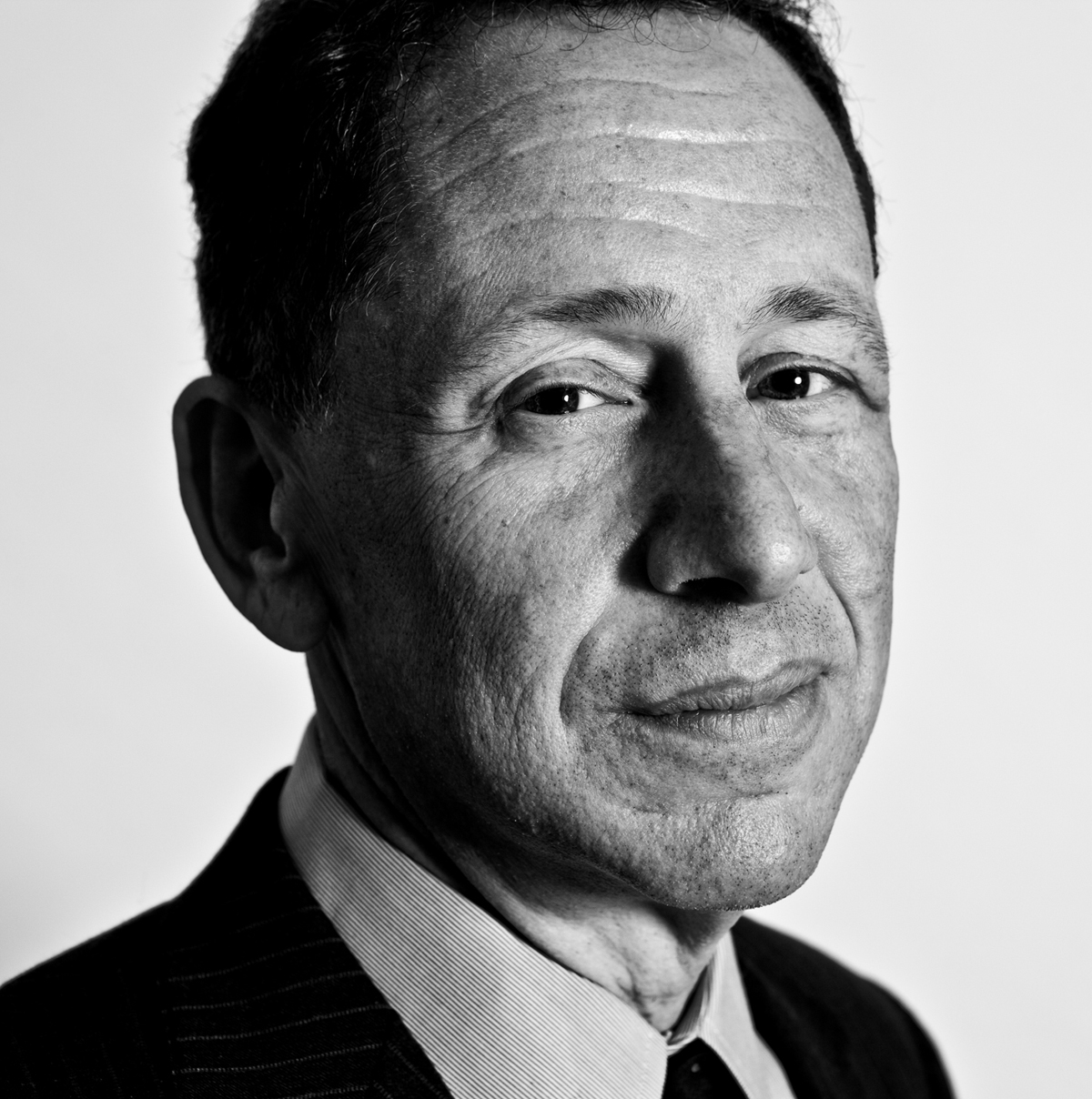
David Rothkopf was a visiting scholar at the Carnegie Endowment as well as the former CEO and editor in chief of the FP Group.
Recent Work
David Rothkopf
David Rothkopf
Carnegie does not take institutional positions on public policy issues; the views represented herein are those of the author(s) and do not necessarily reflect the views of Carnegie, its staff, or its trustees.

The acknowledgment has sparked fears of a new arms race with China and Russia.

Chris O’Meara

Smaller powers cannot go it alone, but Canadian history shows that integration with the United States will not always be benign.
Paul Samson
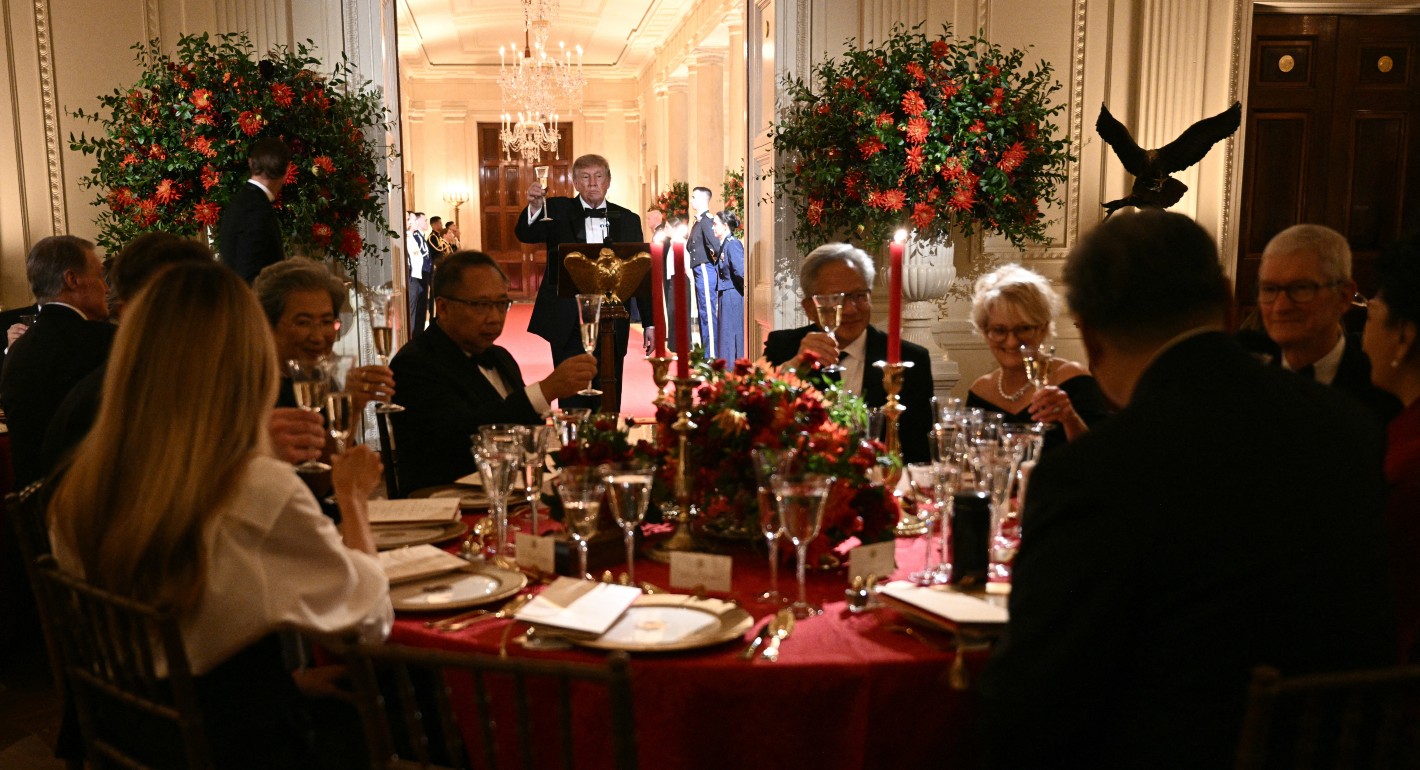
The summit may be remembered as a fatal blunder, when Washington, Beijing, and the AI industry collectively chose ceremony over action.
Jeffrey Prescott

European NATO countries are wrestling with the possibility of U.S. disengagement from the alliance. With the continent’s security increasingly uncertain, governments must restore the credibility of their collective defense.



Hans-Dieter Lucas, Adam Thomson, Pierre Vimont
Soft power on its own is insufficient to meet U.S. national security needs, but hard power also has its limits. Soft power allows for more effective and efficient use of hard power than hard power alone, as it encourages cooperation and compliance which deters the need for hard power.

Sarah Yerkes