

In The Media
John Judis
{
  "authors": [
    "John Judis"
  ],
  "type": "legacyinthemedia",
  "centerAffiliationAll": "",
  "centers": [
    "Carnegie Endowment for International Peace"
  ],
  "collections": [],
  "englishNewsletterAll": "",
  "nonEnglishNewsletterAll": "",
  "primaryCenter": "Carnegie Endowment for International Peace",
  "programAffiliation": "",
  "programs": [],
  "projects": [],
  "regions": [
    "North America",
    "United States"
  ],
  "topics": [
    "Political Reform"
  ]
}
Source: Getty
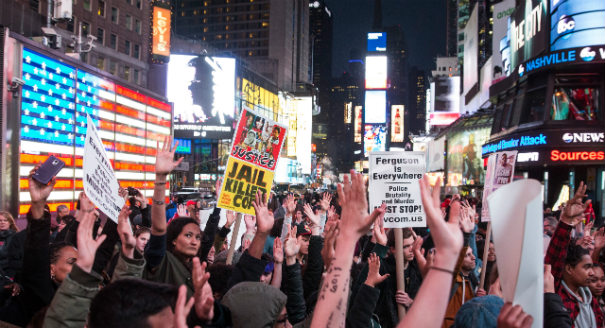
Liberals took the decision by the grand jury in the trial of Darren Wilson to symbolize, or stand in for, the greater injustice of the American criminal justice department. But in fact the reverse occurred.
Source: New Republic
Susan Sontag once famously commented that one could have learned much more about the Soviet Union from 1950 to 1970 from reading the Readers’ Digest than from reading The Nation. I think you might be able to say something similar, though not identical, about the grand jury decision not indicting Ferguson police officer Darren Wilson for killing suspect Michael Brown, namely that one could have had as much difficulty forming a fair and accurate opinion of the decision from watching Fox News as you would from watching MSNBC, which, at least when I was viewing it, devoted one interview after another to discrediting the prosecutors’ statement and the grand jury decision.
I certainly don’t think the St. Louis County prosecutor Robert McCulloch was blameless. Given his own past, he should have recused himself. And his statement announcing the decision was less than persuasive. But given that he didn’t recuse himself, I think he did the right thing in letting the grand jury decide whether or not to indict Wilson. If it were up to McCulloch, he probably would not have indicted Wilson. That would have created an even greater uproar and provided no grounds for easing concern that Wilson had murdered Brown without provocation, which his supporters were charging at “hands up for Michael Brown” rallies.As law UC Davis professor Gabriel Chin explained to my colleague Jonathan Cohn, McCulloch sent the decision to the grand jury because he wanted it “to at least share responsibility for the decision.” McCulloch may have steered the grand jury toward its conclusion, but the prosecutor also agreed to release the transcripts and findings on which the jury made its decision. That was unprecedented, but justified in the circumstances. By doing so, he has allowed for endless second-guessing of (a.k.a. democratic public debate over) the grand jury’s decision.
In McCulloch’s statement afterwards, he did make one telling point. While the grand jury and federal and local investigators received witness testimony that was contradictory (which is in line with what criminologists expect in these kind of cases), it received physical evidence from autopsy and DNA and hospital reports that wasn’t open to the same kind of questions. This evidence suggested that there were grounds for believing that Brown had scuffled with Wilson in the police car and had even grabbed the officer’s gun. That conformed roughly to Wilson’s own account of what had happened in the police car.
The physical evidence ruled out that Wilson had shot Brown in the back while running away, as Brown’s companion Dorian Johnson initially had claimed. And it was not conclusive one way or the other on whether Brown had, after he turned around to face Wilson, tried to surrender. In all, the forensic evidence did not prove Wilson innocent of killing Brown when he was trying to surrender, but it also did not give the grand Jury “probable cause” to indict him on that basis. Other evidence may surface, but from what the grand jury learned, I think it did the right thing, and that it’s also unlikely—given this evidence—that the federal government, which must meet an even higher evidentiary standard, will choose to indict Wilson.
By suggesting that the grand jury did the right thing, I am not exonerating the Ferguson police department, or other police departments. Many police departments are more likely to arrest without good cause or shoot without sufficient provocation a young black male than anyone of another sex or race or ethnic group. If Wilson himself had been better trained, he would not have killed Brown. As Yishai Schwartz has argued, there are a host of reforms that need to be made to police departments as well as changes in the law. And it is worth holding demonstrations to demand these. But I am suggesting that liberals are wrong to characterize the grand jury decision as a “grave miscarriage of justice” or to demand, as Moveon.org has done, that the federal government “arrest and prosecute Officer Darren Wilson.” These kind of charges and petitions only serve to exacerbate racial tensions and to cloud the underlying issues.
What liberals and the left are doing can be characterized by the term “synecdoche,” a figure of speech in which a part is used to represent a whole. America is termed “Washington” or William Jennings Bryan as “the great commoner.” Liberals took the decision by the grand jury to symbolize, or stand in for, the greater injustice of the Ferguson and of the American criminal justice department. But in fact the reverse occurred. They projected the larger injustice of the system onto the grand jury’s ruling. In doing so, they suggested that in evaluating the grand jury’s decision, one should ignore the gray, and focus only on the black and white.
Former Visiting Scholar
As a visiting scholar at Carnegie, Judis wrote The Folly of Empire: What George W. Bush Could Learn from Theodore Roosevelt and Woodrow Wilson.
Recent Work
John Judis
John Judis
Carnegie does not take institutional positions on public policy issues; the views represented herein are those of the author(s) and do not necessarily reflect the views of Carnegie, its staff, or its trustees.

In an interview, former ambassador Charles Freeman assesses the Trump administration’s war against Iran.

Michael Young
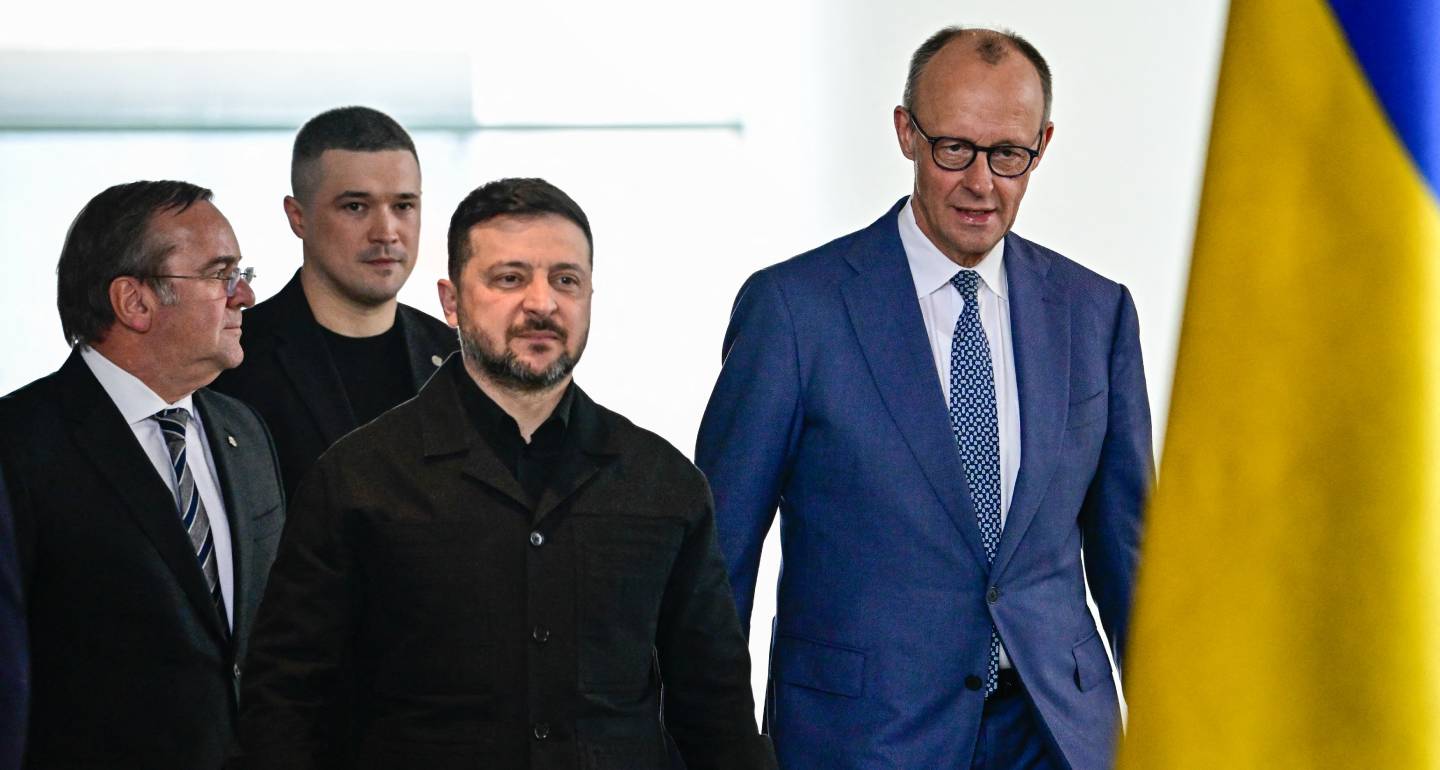
The greater threat to Zelensky comes not from Fedorov alone, but from the convergence between his political campaign and the anti-corruption investigations moving ever closer to the presidential administration.

Balázs Jarábik

European states control several Overseas Countries and Territories around the world that carry strategic, economic, and environmental weight. As great powers challenge the rules-based order, defending them is a geopolitical imperative for Europe.

Marc Pierini
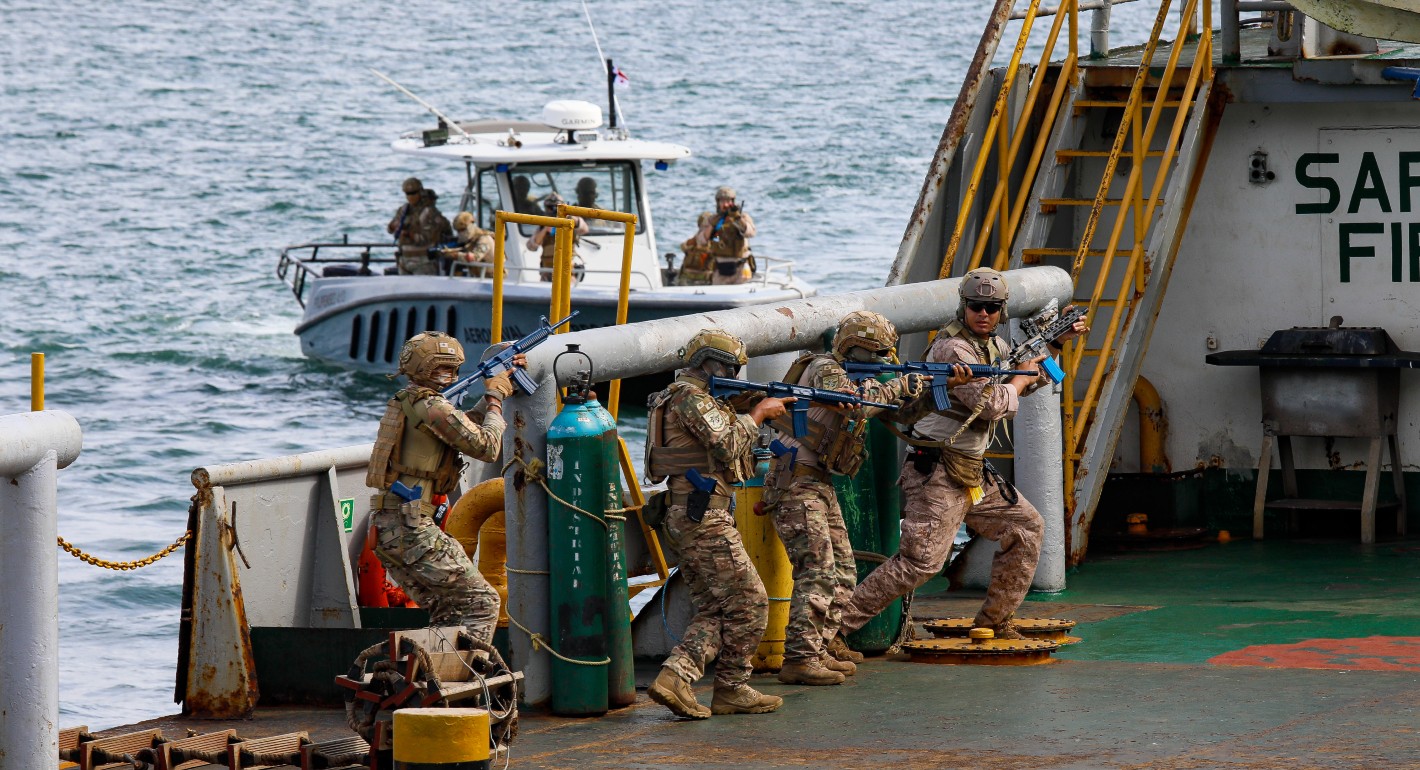
By focusing only on hard security, the Shield ignores the conditions that fuel cartel power.

Alejandro Martin Rodriguez, Kayly Ober
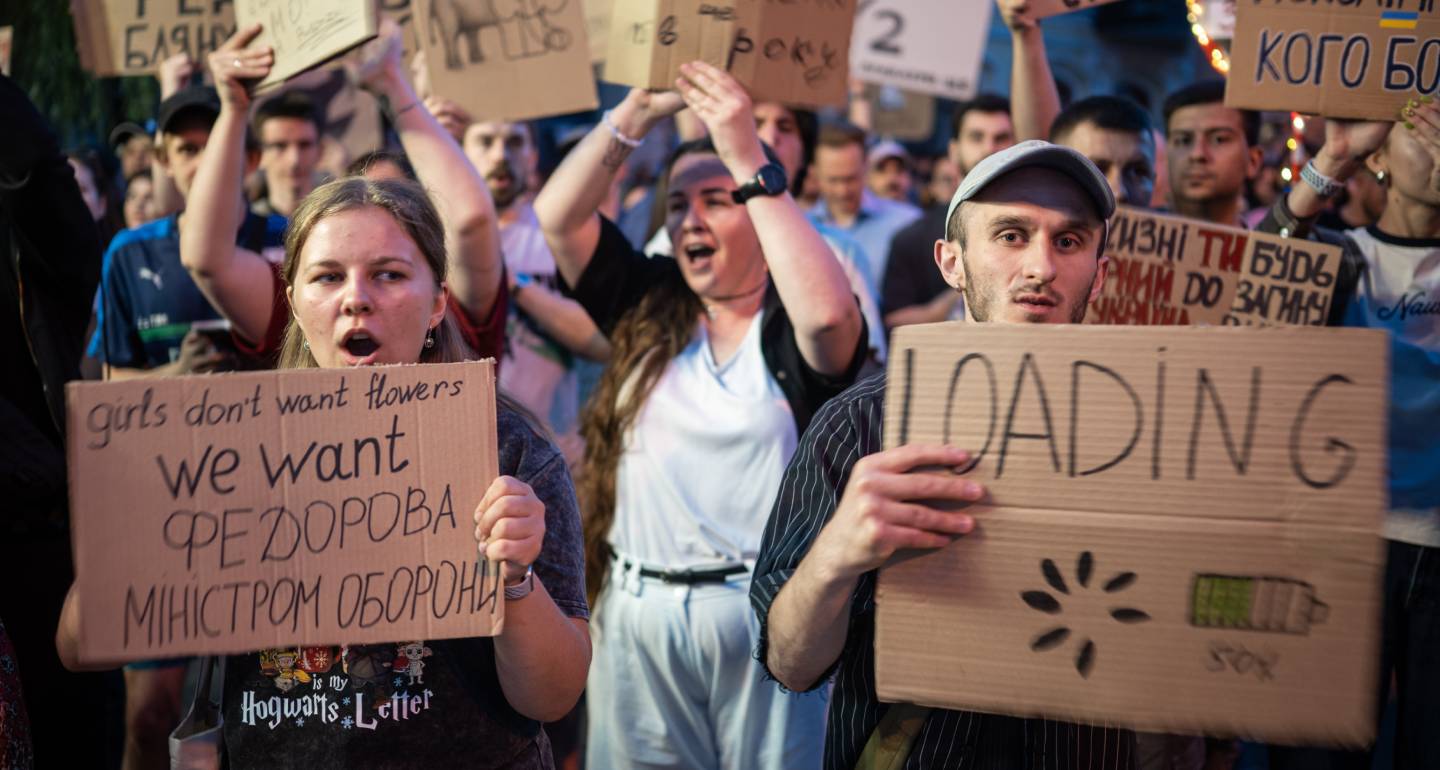
With his public call for new elections in Ukraine, ex-defense minister Mykhailo Fedorov has opened Pandora’s box.

Konstantin Skorkin