

Commentary
It signals a new era of tech diffusion and warfare.
Steve Feldstein
{
  "authors": [
    "Renad Mansour",
    "Gerard Russell",
    "Philip Luther"
  ],
  "type": "legacyinthemedia",
  "centerAffiliationAll": "dc",
  "centers": [
    "Carnegie Endowment for International Peace",
    "Malcolm H. Kerr Carnegie Middle East Center"
  ],
  "collections": [],
  "englishNewsletterAll": "menaTransitions",
  "nonEnglishNewsletterAll": "",
  "primaryCenter": "Malcolm H. Kerr Carnegie Middle East Center",
  "programAffiliation": "MEP",
  "programs": [
    "Middle East"
  ],
  "projects": [],
  "regions": [
    "Gulf",
    "Levant",
    "Syria",
    "Iraq",
    "Middle East"
  ],
  "topics": [
    "Political Reform",
    "Security"
  ]
}
Source: Getty
Abductions and killings by Islamic State fighters in Syria and Iraq threaten ancient minorities.
Source: Al Jazeera Inside Story
Last July, ISIL issued a decree to the dwindling population of Christians in eastern Syria and northern Iraq, ordering them to convert to Islam or pay a special religious levy.
And if they did not, “there is nothing to give them but the sword,” the group said.
Since then, ISIL has released a trademark video showing the apparent beheading of 21 Egyptian Christians in Libya.
At least 70 Christians have also been reported abducted in northeastern Syria. And they are not alone.
The unfolding conflict in the region is forcing thousands of Christians and other minority groups to leave their ancestral homelands, where they had co-existed with other religious communities for nearly 2,000 years.
It has moved one commentator to observe that “we are watching a living history and all that comprises disappear.”
Inside Story asks: Is a rich tapestry of history at risk of being lost in the cradle of civilization?
This interview was originally broadcast on Al Jazeera Inside Story.

Former El-Erian Fellow, Middle East Center
Mansour was an El-Erian fellow at the Carnegie Middle East Center, where his research focuses on Iraq, Iran, and Kurdish affairs.
Gerard Russell
Philip Luther
Carnegie does not take institutional positions on public policy issues; the views represented herein are those of the author(s) and do not necessarily reflect the views of Carnegie, its staff, or its trustees.

It signals a new era of tech diffusion and warfare.

Steve Feldstein

With its public finances in shambles, the far right polling at 35 percent ahead of the 2027 presidential election, and a growing protest movement, is France’s crisis a threat to the EU’s geopolitical awakening?

Rym Momtaz, ed.

Putin’s conservative staffing policies and search for ever greater control have cemented parliament’s transformation into a bureaucratic appendage of the executive branch.

Andrey Pertsev

Russia’s AI-driven propaganda campaigns operate in a fragmented, chaotic, and often illogical manner. That’s not necessarily a problem for the Kremlin, though: It’s much easier to mimic genuine public debate that way.

Ilya Klishin
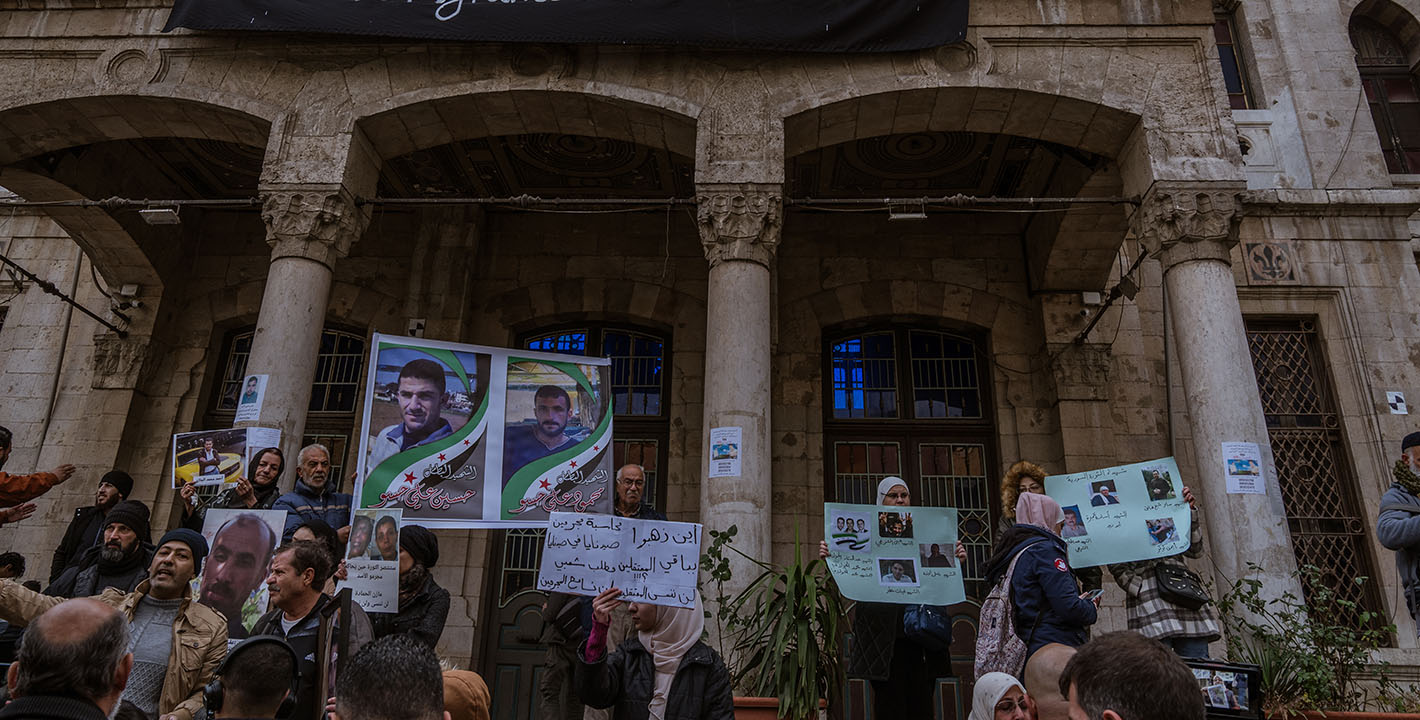
Reconciliation councils are emerging throughout the country to mediate in intracommunal disputes, many from the war years.
Natacha Danon