

Paper
James M. Acton, Ankit Panda
{
  "authors": [
    "James M. Acton"
  ],
  "type": "legacyinthemedia",
  "centerAffiliationAll": "dc",
  "centers": [
    "Carnegie Endowment for International Peace",
    "Malcolm H. Kerr Carnegie Middle East Center"
  ],
  "collections": [
    "Iranian Proliferation",
    "U.S. Nuclear Policy"
  ],
  "englishNewsletterAll": "ctw",
  "nonEnglishNewsletterAll": "",
  "primaryCenter": "Carnegie Endowment for International Peace",
  "programAffiliation": "NPP",
  "programs": [
    "Nuclear Policy"
  ],
  "projects": [],
  "regions": [
    "North America",
    "United States",
    "Middle East",
    "Iran"
  ],
  "topics": [
    "Political Reform",
    "Security",
    "Nuclear Policy",
    "Arms Control"
  ]
}
Source: Getty
The big unknown at this point in the negotiations is how much Iran is willing to concede in its enrichment program in order to get sanctions relief. While Iran wishes to remove all sanctions immediately, the United States and its allies would like to see the sanctions removed gradually.
Source: Bloomberg News
Carnegie’s James Acton discussed Iran’s nuclear talks and trade sanctions on Bloomberg News’ Bottom Line. Acton told Bloomberg News that the big unknown at this point is how much Iran is willing to concede in its enrichment program in order to get sanctions relief. While Iran wishes to remove all sanctions immediately, the United States and its allies would like to see the sanctions removed gradually.
“There are stories coming out of the negotiations that the number of centrifuges that Iran would be permitted to operate has been agreed,” Acton said. “It’s also been reported that one of the big undecideds is the pace at which Iran demands sanctions relief," he added.
Another component to the negotiations is that many members of Congress, along with Israel, do not trust the Iranians. “Trust but verify is exactly the policy that the Obama administration is adopting for this negotiation,” Acton told Bloomberg News. “In major parts of any agreement—should one be reached—would be intrusive inspections on Iran’s program that go above and beyond additional standards,” he added.
“The Obama administration firmly believes that Iran should not be allowed to get nuclear weapons. The question is how to prevent that from happening, and [Israeli Prime Minister] Netanyahu’s proposal is completely divorced from reality in terms of any likelihood it will work," Acton concluded.

Jessica T. Mathews Chair, Co-director, Nuclear Policy Program
Acton holds the Jessica T. Mathews Chair and is co-director of the Nuclear Policy Program at the Carnegie Endowment for International Peace.
Recent Work
James M. Acton, Ankit Panda
James M. Acton
Carnegie does not take institutional positions on public policy issues; the views represented herein are those of the author(s) and do not necessarily reflect the views of Carnegie, its staff, or its trustees.
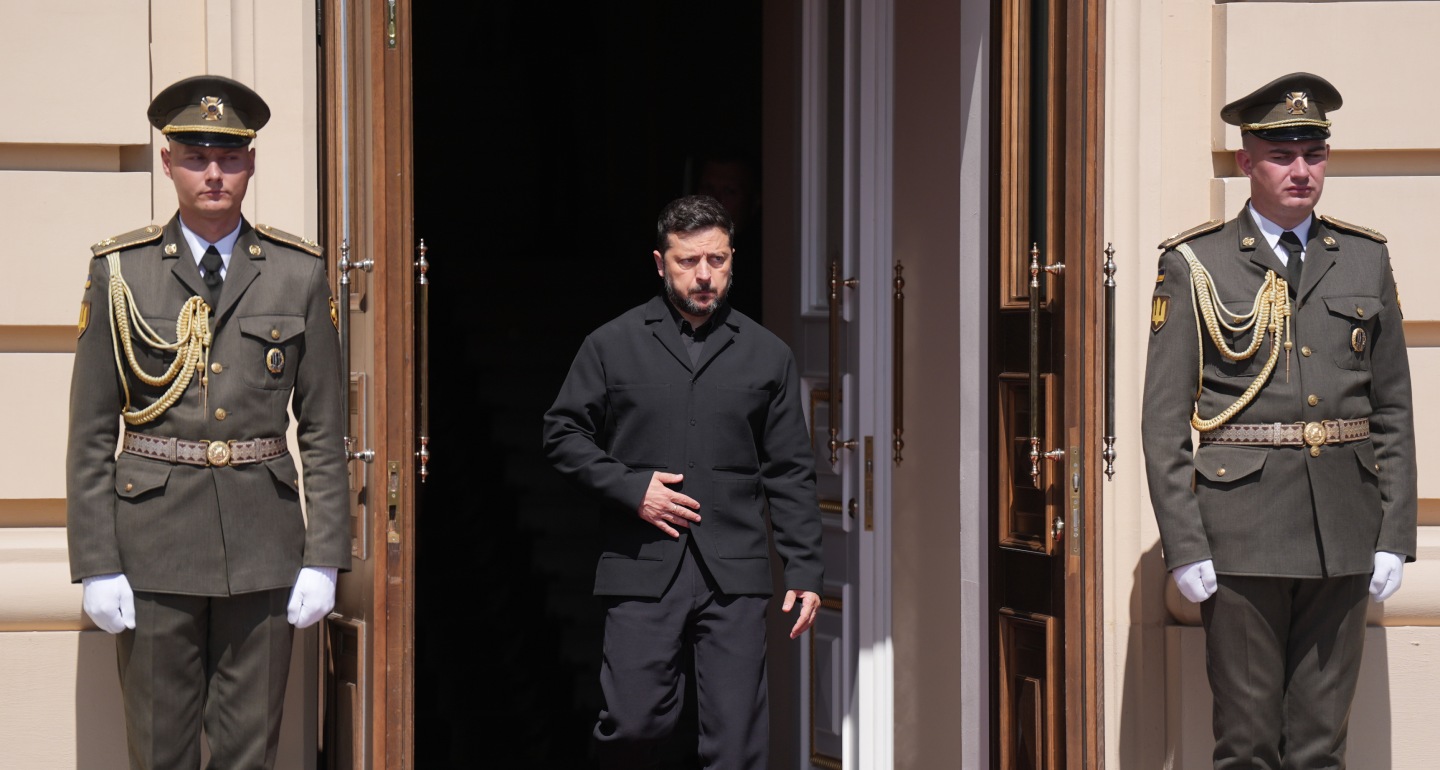
Ultimately, Zelensky sided neither with the reform camp nor with the military establishment as such, but with political control.

Balázs Jarábik
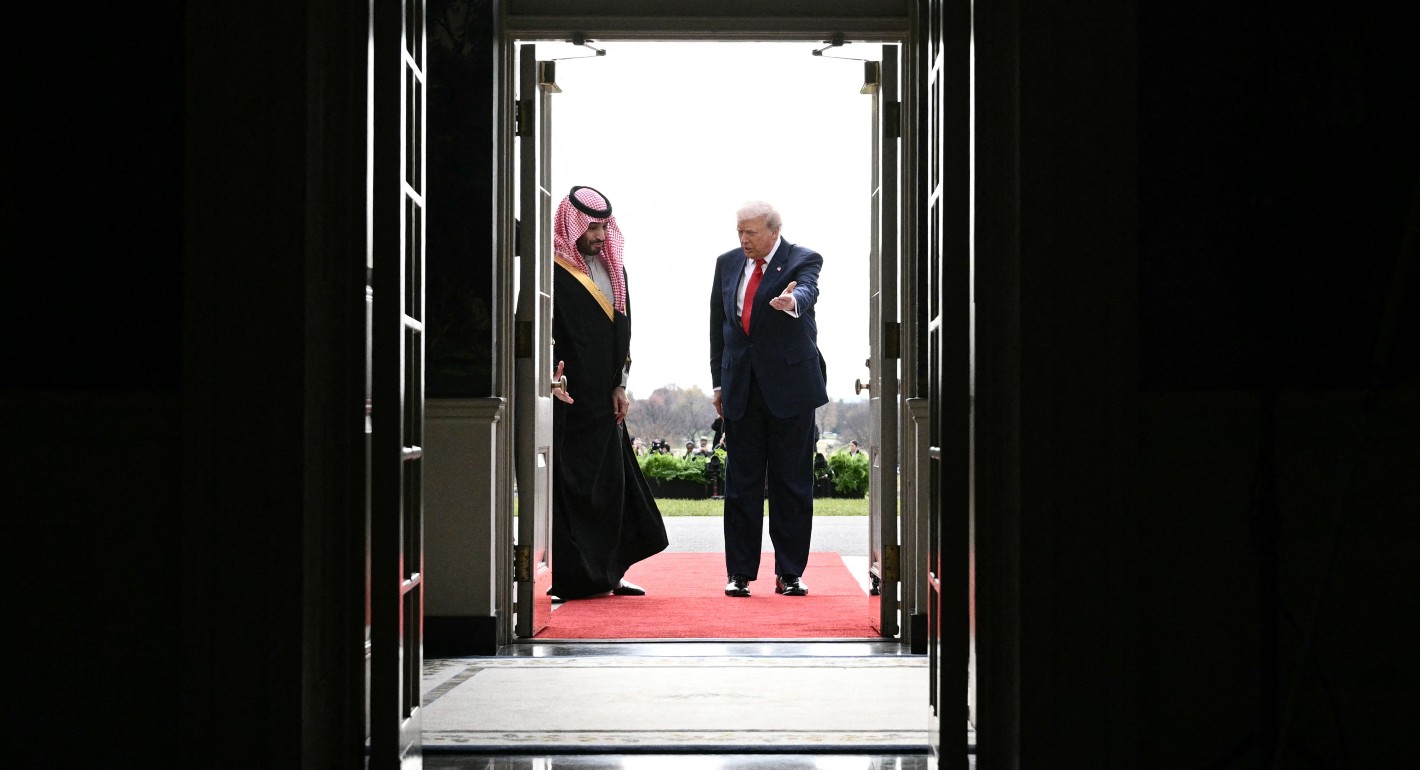
Despite the agreement’s uncertainty, it’s still a significant development in regional and nuclear policy.


Andrew Leber, Jane Darby Menton
“AI safety in parallel” is modest and pragmatic but vital.

Matt Sheehan

Trump is distracted and Ukraine wants Europe to step up. The continent’s leaders must find their voice and assert it in talks with Russia.

Alissa de Carbonnel
There is a deeply rooted assumption in post–Cold War American statecraft that overwhelming military and economic power translates directly into favorable political outcomes. But force alone is rarely enough. To meet the challenges of the mid-21st century, Washington needs a cultural shift toward a mindset that takes negotiation far more seriously.
Cecily Brewer