Commentary
Despite having the resources and expertise, the Russian space industry missed the opportunity to offer the United States or China a mutually rewarding partnership in the lunar race.
Georgy Trishkin
{
  "authors": [
    "Akio Kawato"
  ],
  "type": "commentary",
  "centerAffiliationAll": "",
  "centers": [
    "Carnegie Endowment for International Peace",
    "Carnegie Russia Eurasia Center"
  ],
  "collections": [
    "Inside Russia"
  ],
  "englishNewsletterAll": "",
  "nonEnglishNewsletterAll": "",
  "primaryCenter": "Carnegie Russia Eurasia Center",
  "programAffiliation": "",
  "programs": [],
  "projects": [],
  "regions": [
    "Russia"
  ],
  "topics": [
    "Economy"
  ]
}
Source: Getty
If Russia does not develop and produce technological innovation, it will not be able to keep pace with the outside world.
The endless fighting in Ukraine, the Islamic State’s brutal onslaught and Islamic terrorism in Europe, and the territorial disputes in the South China Sea—it is as if Armageddon were upon us. But amid all the turmoil, some very profound trends are quietly taking shape. That is the advent of a new Industrial Revolution, the impact of which is still difficult to determine; it may elevate human civilization to an unknown height or, on the contrary, destroy it.
Russia is working on some of these innovations, particularly in the nuclear, cosmonautical, and military spheres. However, most next-generation products are being developed and manufactured in the Pacific basin by ASEAN countries, China, India, Japan, South Korea, Taiwan, and the United States. The gap between the area producing and benefitting from technological innovation and the area embroiled in turmoil is likely to widen even more. Which area will Russia belong to?
I regularly visit one business school in Russia, telling the students there about how the world economy outside Russia functions. But the majority of the students are intent on finding cushy jobs in large state enterprises, where they will not need knowledge of crucial aspects of modern business like marketing, research and development, outsourcing, quality control, personnel management, and finance. The students think they know everything about the world: “It is dominated by the wicked and greedy United States.”
As such, Russia will not be able to keep pace with the outside world. If Russia does not possess sufficient economic strength (I do not mean simply hard currency—I mean the capacity to create wealth by real production), surrounding countries will not willingly ally with it.
I know that some Russians are convinced of the unique status and mission of their nation in the world. But contrary to Leo Tolstoy’s famous aphorism, men (and women) do not live with ideas alone. We need bread, too. If only the Russian elite understood this.
Akio Kawato
Writer
Akio Kawato is a former Japanese diplomat and blogger.
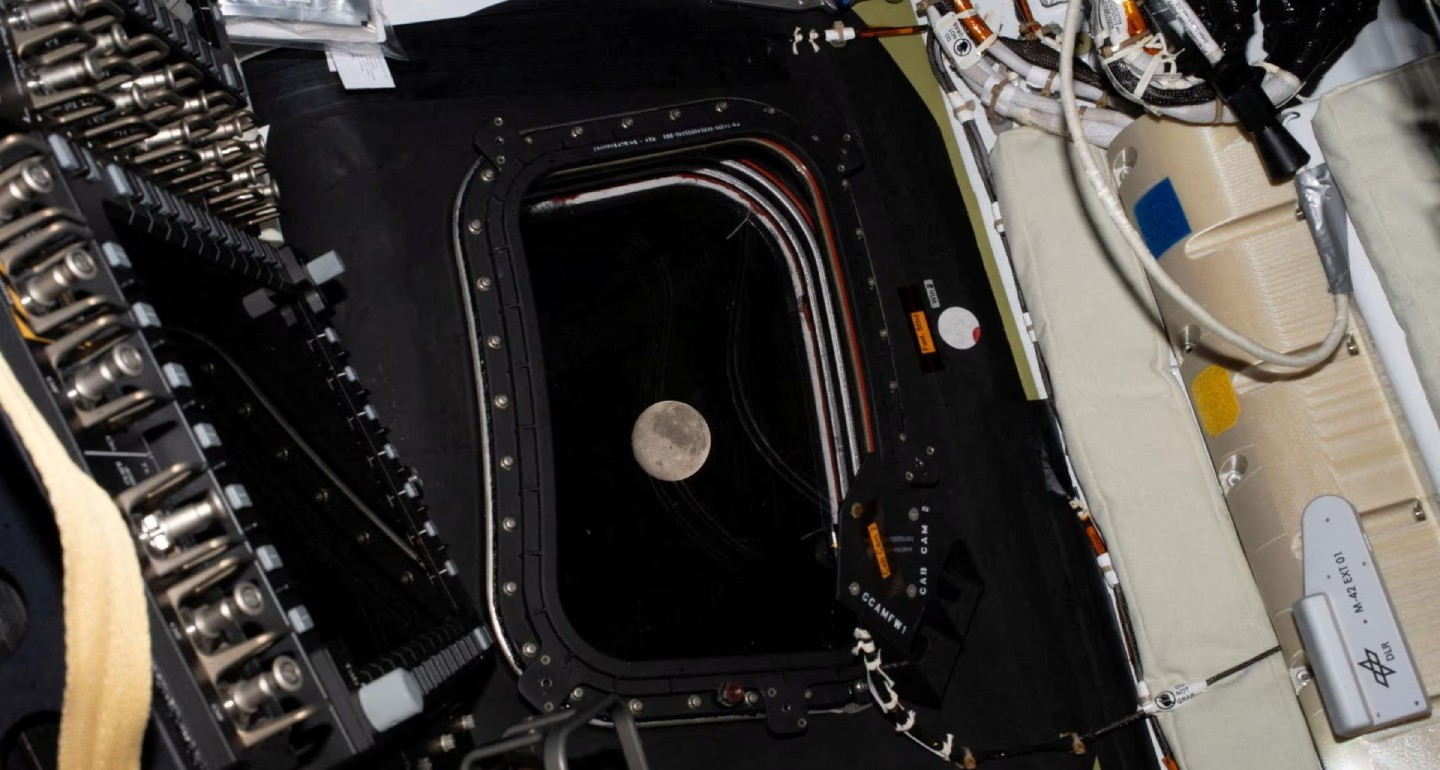
Despite having the resources and expertise, the Russian space industry missed the opportunity to offer the United States or China a mutually rewarding partnership in the lunar race.

Georgy Trishkin
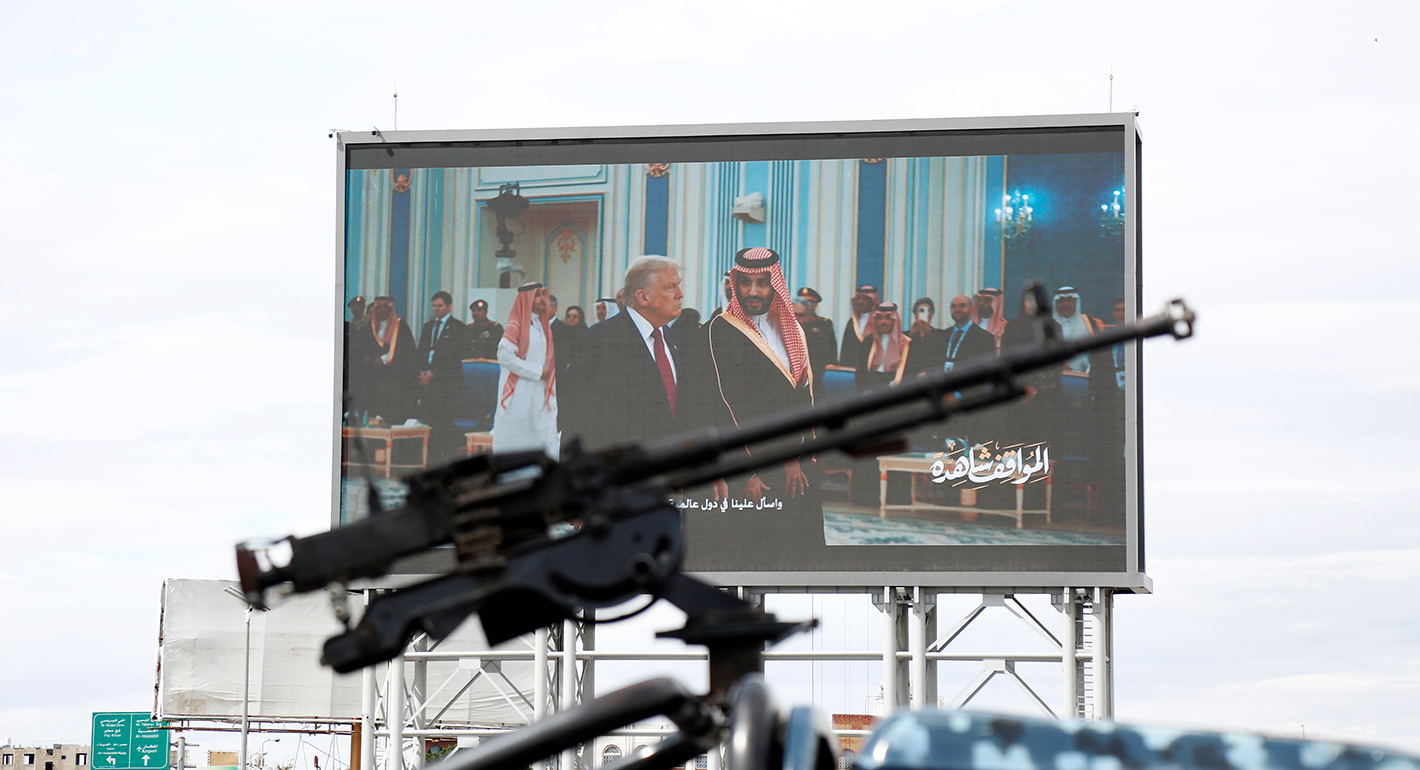
As the war between the United States, Israel, and Iran continues, Carnegie scholars contribute cutting-edge analysis on the events of the war and their wide-reaching implications. From the impact on Iran and its immediate neighbors to the responses from Gulf states to fuel and fertilizer shortages caused by the effective shutdown of the Strait of Hormuz, the war is reshaping Middle East alliances and creating shockwaves around the world. Carnegie experts analyze it all.
The internet is awash not only with instructions from digital security experts, but also with urban legends and conspiracy theories that divert attention away from the real dangers of Max.

David Frenkel
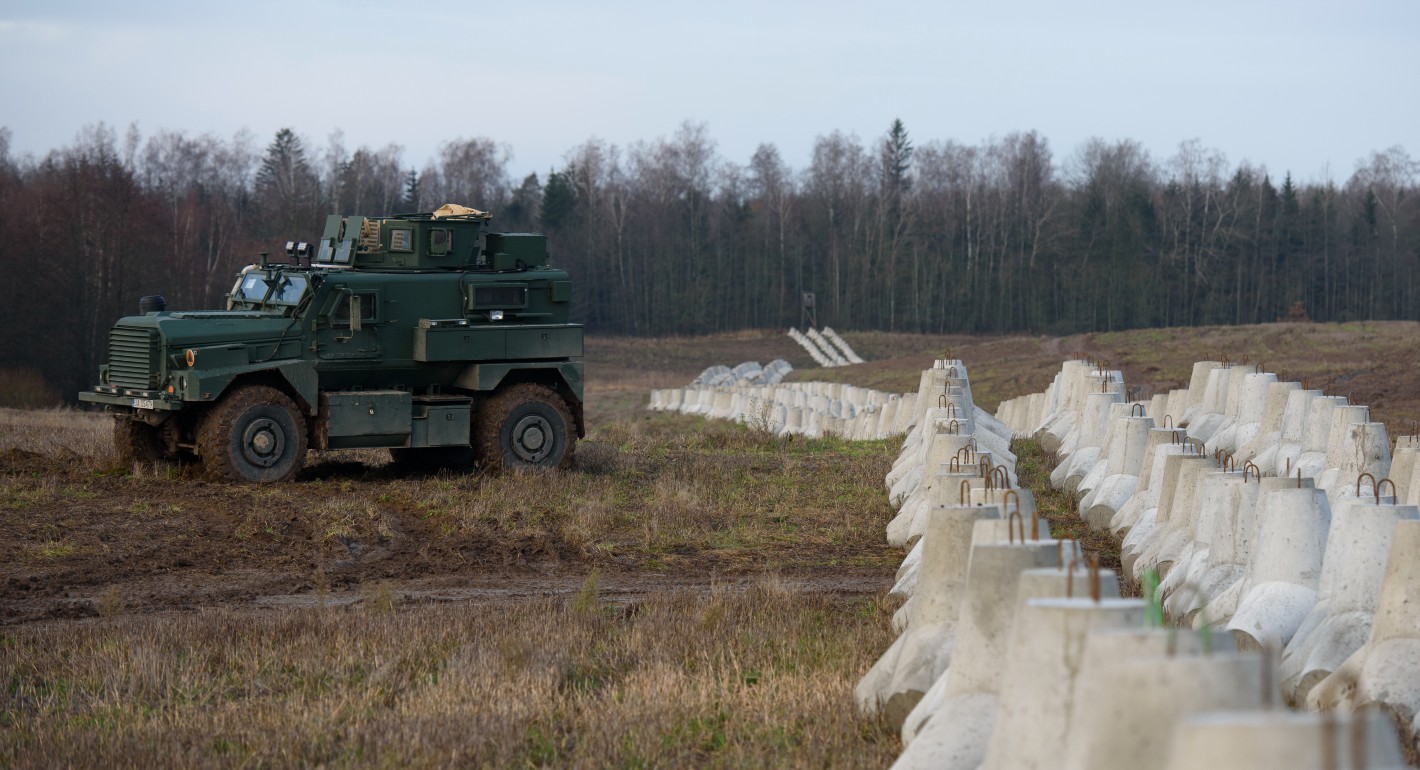
Putin’s blunder has created new and enduring security challenges for Russia and Europe.
Eugene Rumer
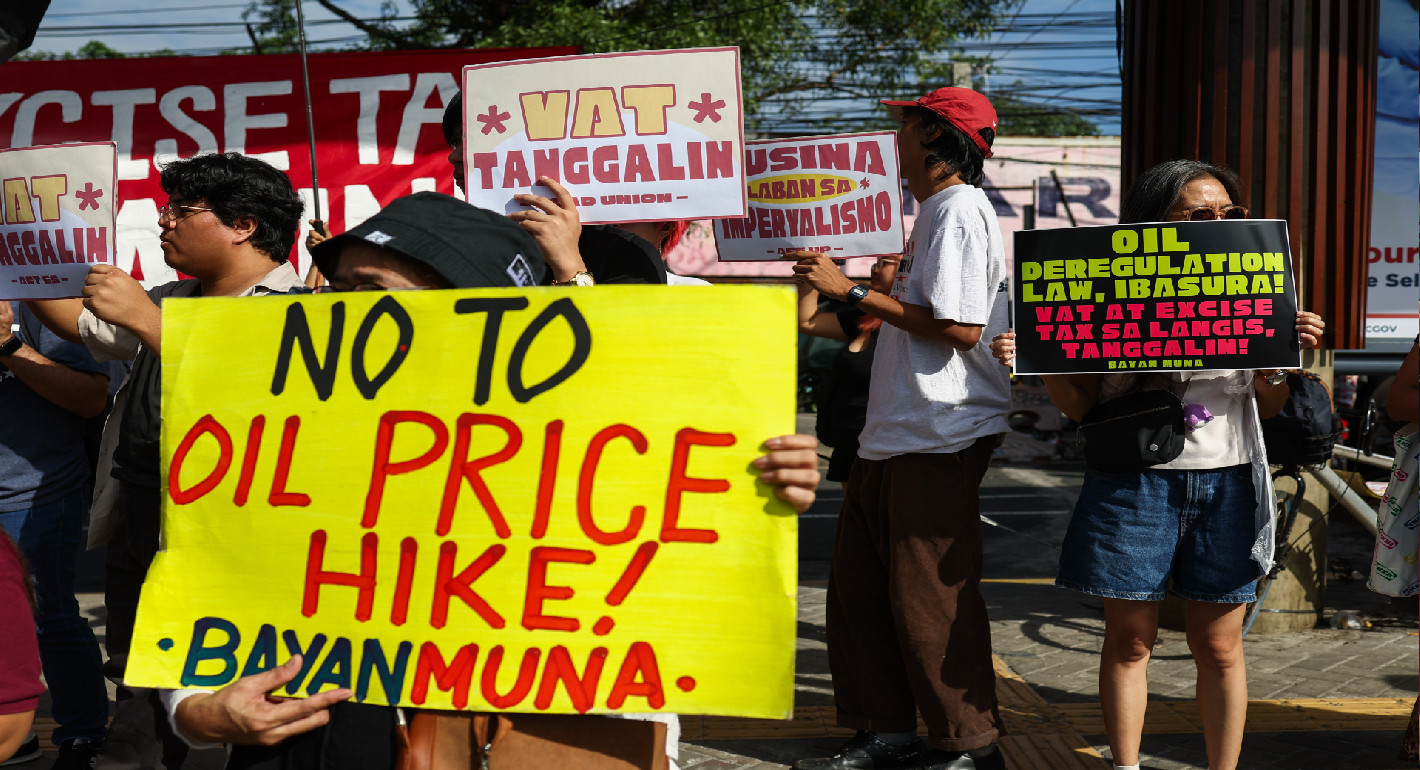
There is no better time for the countries of Southeast Asia to reconsider their energy security than during this latest crisis.
Gita Wirjawan