

Commentary
Sarah Chayes
{
  "authors": [
    "Sarah Chayes"
  ],
  "type": "legacyinthemedia",
  "centerAffiliationAll": "dc",
  "centers": [
    "Carnegie Endowment for International Peace"
  ],
  "collections": [
    "Anti-Corruption"
  ],
  "englishNewsletterAll": "democracy",
  "nonEnglishNewsletterAll": "",
  "primaryCenter": "Carnegie Endowment for International Peace",
  "programAffiliation": "DCG",
  "programs": [
    "Democracy, Conflict, and Governance"
  ],
  "projects": [],
  "regions": [
    "North America",
    "Middle East",
    "South Asia"
  ],
  "topics": [
    "Democracy"
  ]
}
Source: Getty
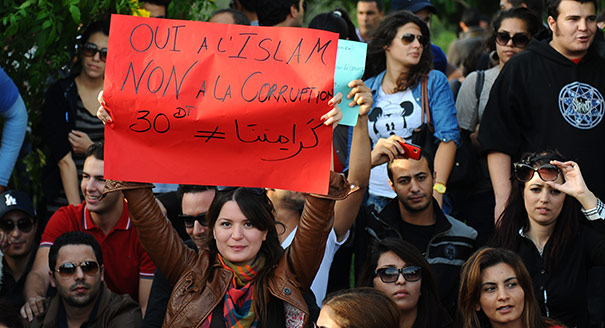
Militant extremist groups are rising from the wreckage of poor governance around the world.
Source: WAMU Interfaith Voices
Militant extremist groups are rising from the wreckage of poor governance around the world. Speaking on WAMU Interfaith Voices, Carnegie’s Sarah Chayes explained how acute governmental corruption and the rise of violent religious extremism are linked. After years of putting up with government officials who demand bribes, sex, and cash for routine business, she said many citizens of the Middle East have turned to the moralistic “God’s law” offered by groups like the Islamic State.
This interview was originally broadcast on WAMU Interfaith Voices.
Former Senior Fellow, Democracy, Conflict, and Governance Program
Sarah Chayes is internationally recognized for her innovative thinking on corruption and its implications. Her work explores how severe corruption can help prompt such crises as terrorism, revolutions and their violent aftermaths, and environmental degradation.
Recent Work
Sarah Chayes
Carnegie does not take institutional positions on public policy issues; the views represented herein are those of the author(s) and do not necessarily reflect the views of Carnegie, its staff, or its trustees.
Saied’s main accomplishment has been to destroy a decade’s worth of democratic progress.

Sarah Yerkes
The targeting of Damietta Port appears to be more than a mere security message.

Amr Hamzawy
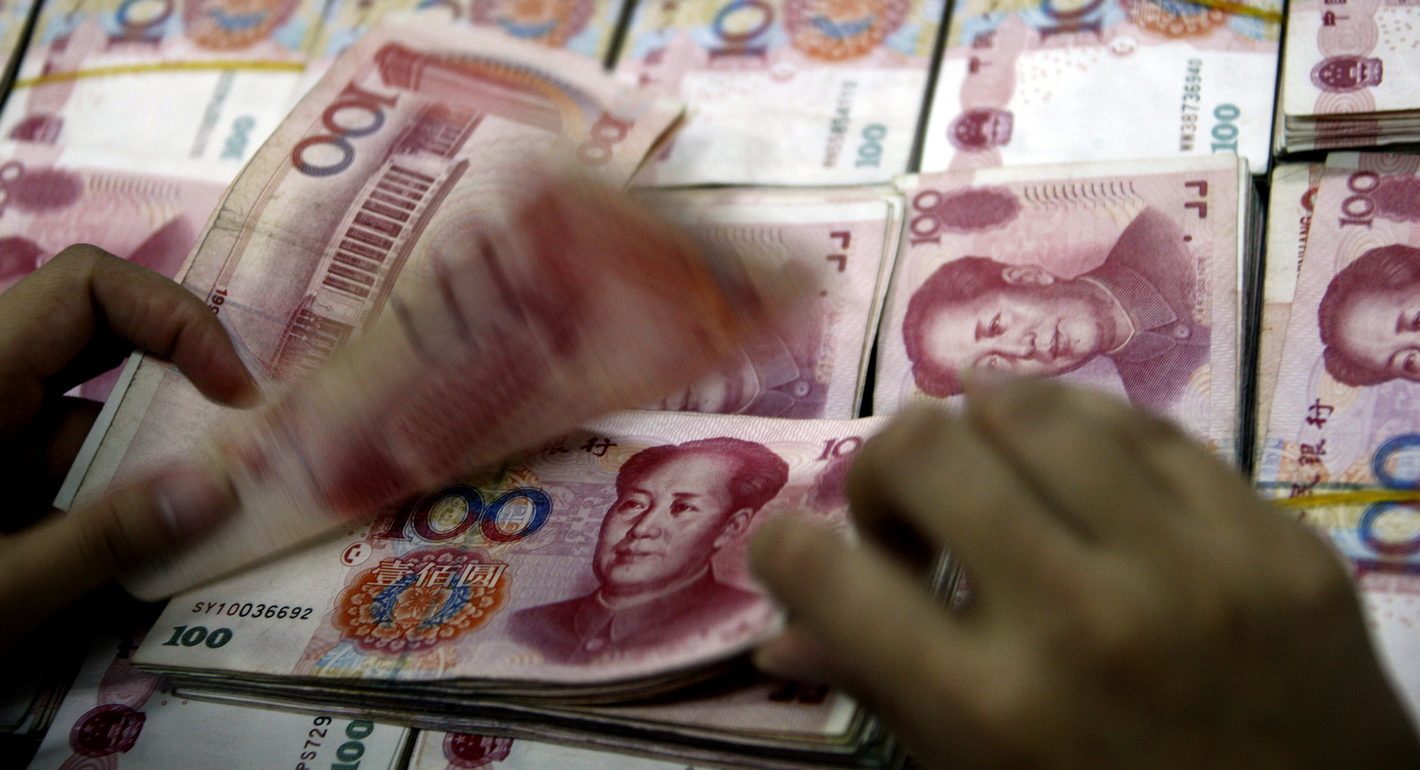
Is the Gulf moving beyond the dollar? This article examines how China is expanding the renminbi's role across Gulf markets, what that means for regional finance, and why the future of global currencies is more complex than the de-dollarization debate suggests.
Andrew Bonney
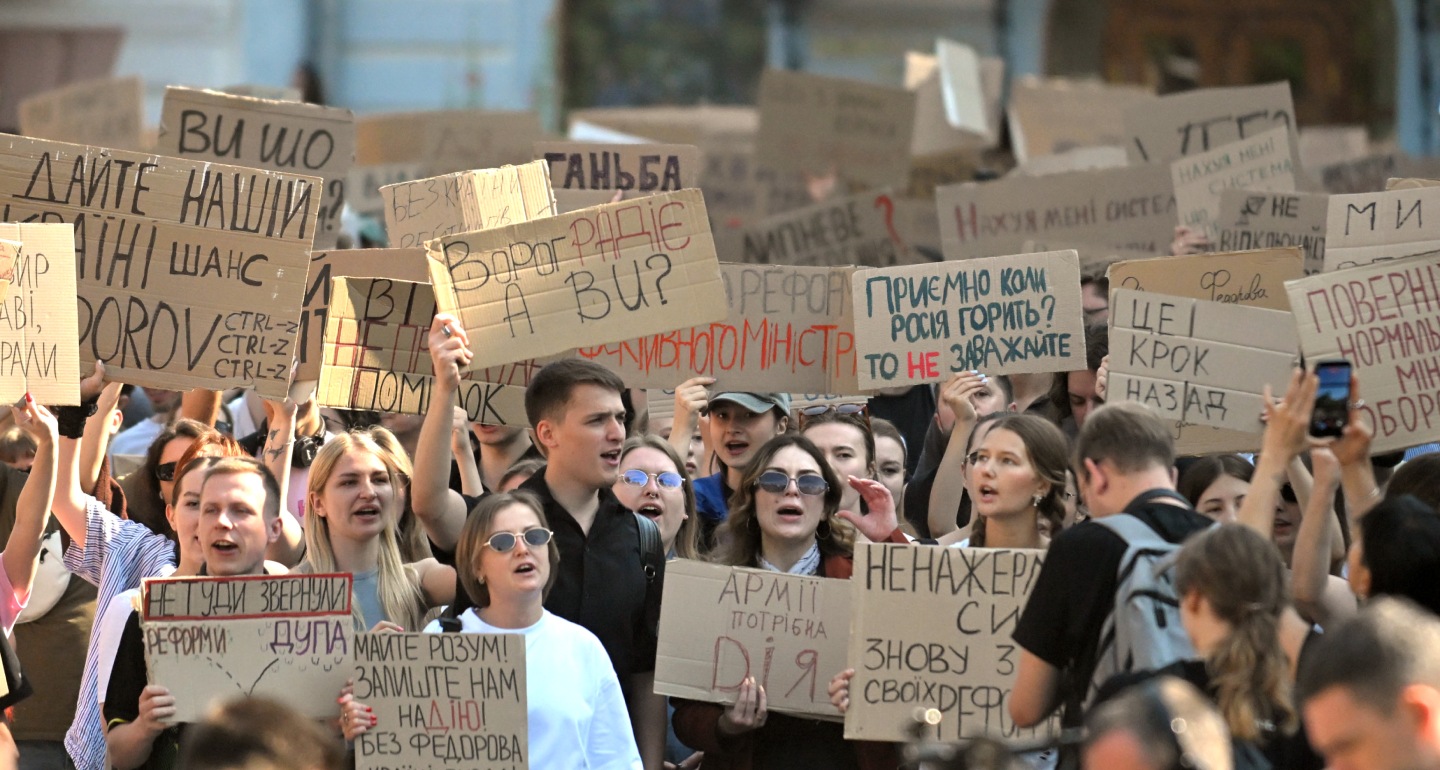
Even if the terms of a ceasefire or peace settlement are satisfactory to most Ukrainians, the country’s democracy will face its fair share of challenges.
Petro Burkovskyi, Olexiy Haran
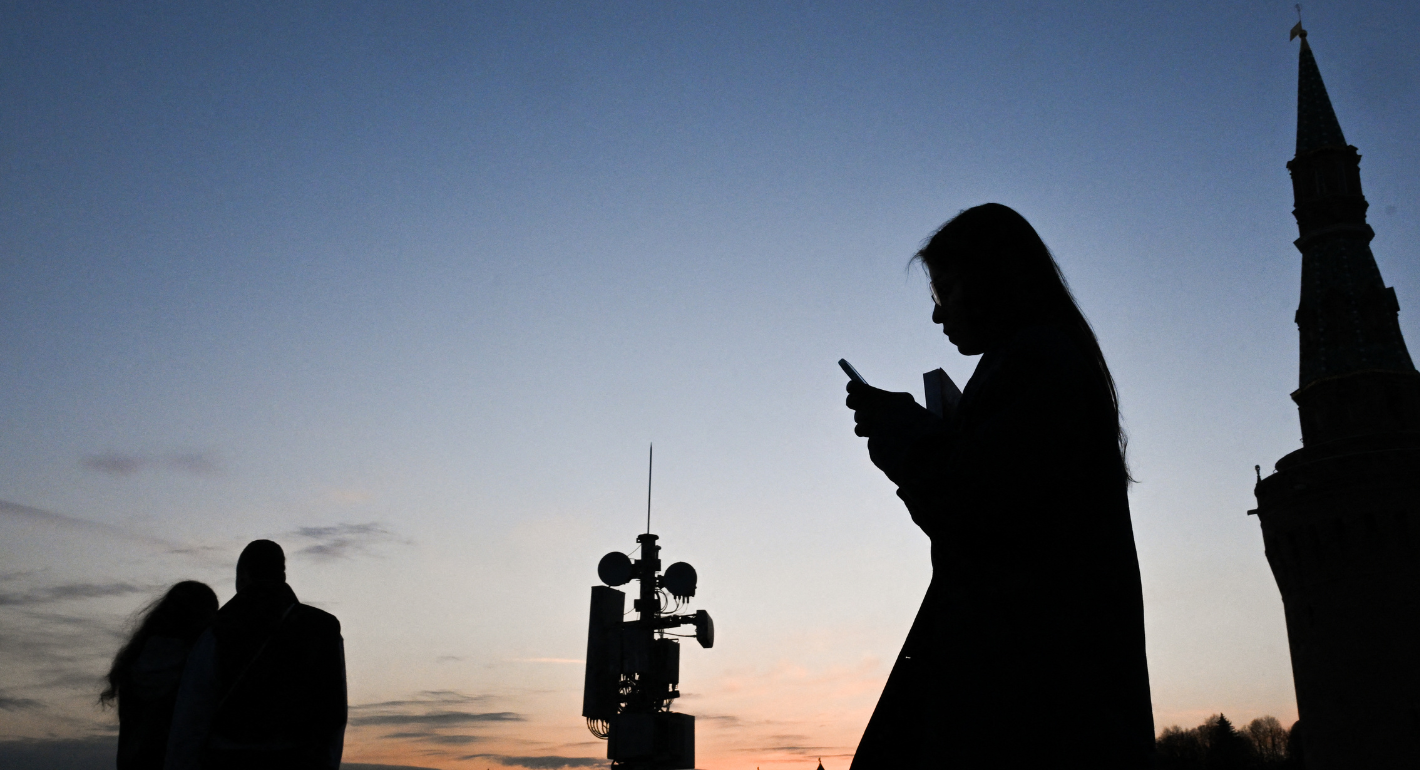
The hybrid warfare landscape is evolving rapidly, leaving policymakers without clear strategies. To better inform their work in addressing emerging challenges, governments must dig deeper into the underlying dynamics at play.


Raluca Csernatoni, Alicia Wanless