

Research
- +8
William J. Burns, Michael Chertoff, Catherine Ashton, …
{
  "authors": [
    "William J. Burns"
  ],
  "type": "legacyinthemedia",
  "centerAffiliationAll": "",
  "centers": [
    "Carnegie Endowment for International Peace",
    "Malcolm H. Kerr Carnegie Middle East Center"
  ],
  "collections": [
    "Iranian Proliferation"
  ],
  "englishNewsletterAll": "",
  "nonEnglishNewsletterAll": "",
  "primaryCenter": "Carnegie Endowment for International Peace",
  "programAffiliation": "",
  "programs": [],
  "projects": [],
  "regions": [
    "North America",
    "United States",
    "Iran"
  ],
  "topics": [
    "Political Reform",
    "Foreign Policy",
    "Nuclear Policy"
  ]
}
Source: Getty
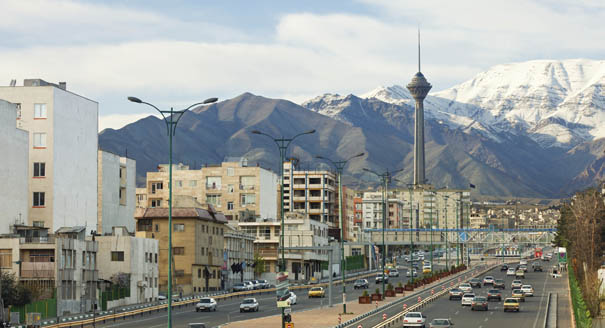
An Iranian nuclear framework can be an important part of a wider strategy in the Middle East.
Source: NPR’s Morning Edition
Iran and six world powers have a framework on Iran’s nuclear program. Steve Inskeep talked to Carnegie President Williams Burns, who led an early round of negotiations with Iran during the Obama administration. Burns outlined how the nuclear framework can be a part of a wider regional policy for the Middle East and how Iran might react to a successful negotiation.
This broadcast originally appeared on NPR’s Morning Edition.
Former Carnegie President (2015-2021)
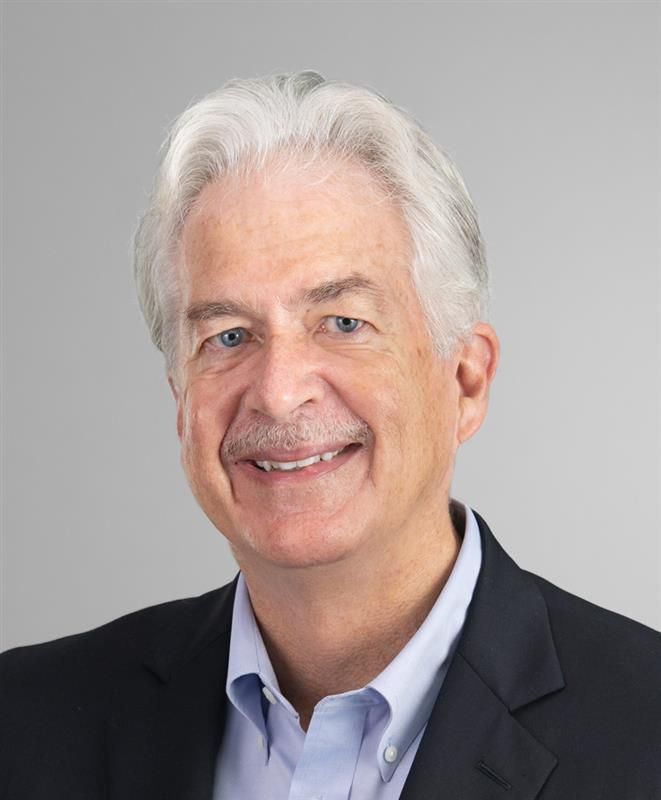
A former career diplomat, William J. Burns served as director of the CIA, deputy secretary of State, and ambassador to Russia and Jordan. Burns was also president of the Carnegie Endowment for International Peace from 2015 to 2021.
Recent Work
William J. Burns, Michael Chertoff, Catherine Ashton, …
William J. Burns
Carnegie does not take institutional positions on public policy issues; the views represented herein are those of the author(s) and do not necessarily reflect the views of Carnegie, its staff, or its trustees.
Congress should ask tough questions about the agreement’s more unique features and whether they advance U.S. interests or compromise them.

Jane Darby Menton

To remain effective, organizations need to master new media and legitimacy markers to make a once-in-a-century shift.
Renée DiResta, Rachel Kleinfeld, Margot Treadwell
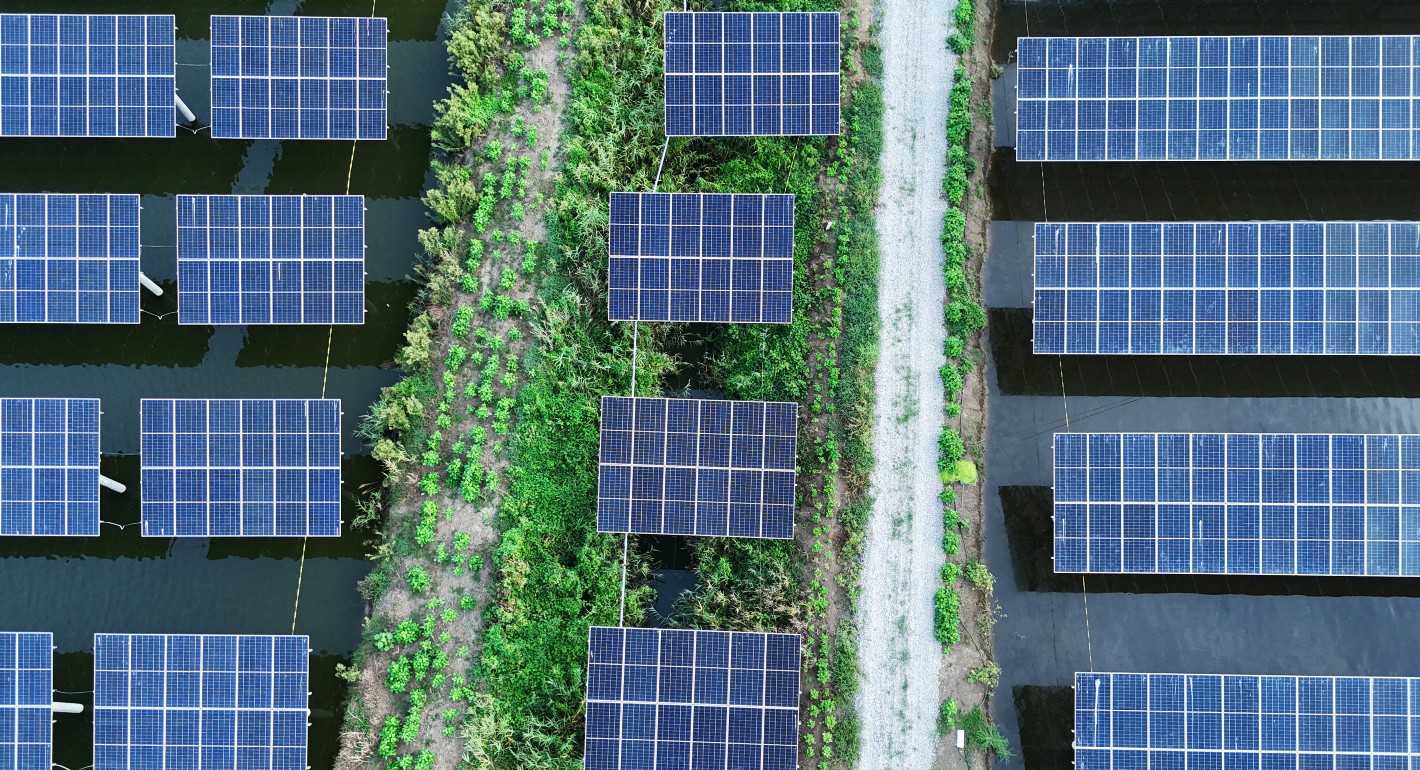
Congress needs to step up and make EXIM a low-carbon financing powerhouse.
Jesse Young
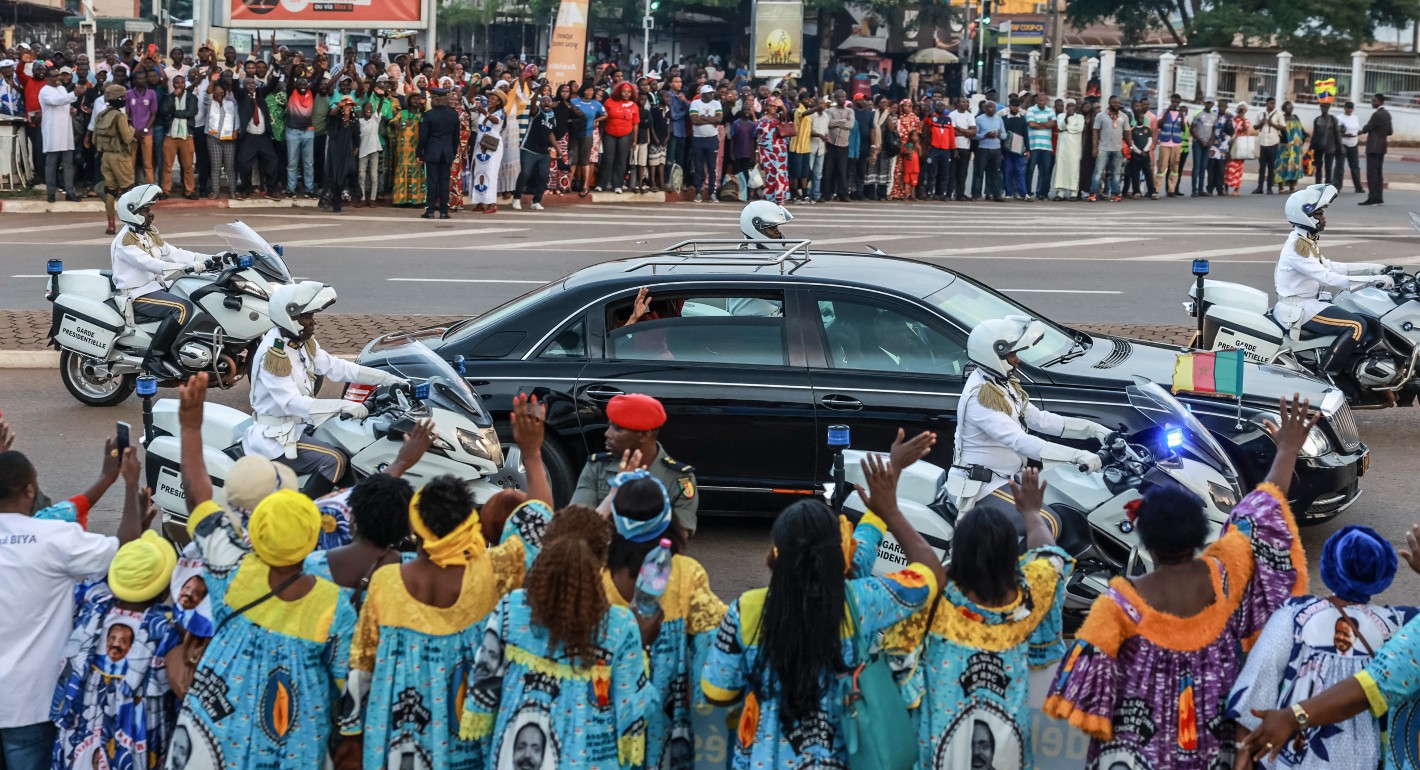
The ninety-three-year-old Biya’s absence and refusal to name a vice president threaten to upend domestic and regional stability.

Lesley Anne Warner

With the growth in points of friction between the great powers, organizations like the SCO will continue to play a role in the strategic adaptation of the smaller powers caught between them.

Temur Umarov