

Article
C. Raja Mohan, Darshana M. Baruah
{
  "authors": [
    "C. Raja Mohan"
  ],
  "type": "legacyinthemedia",
  "centerAffiliationAll": "dc",
  "centers": [
    "Carnegie Endowment for International Peace",
    "Carnegie India"
  ],
  "collections": [],
  "englishNewsletterAll": "ctw",
  "nonEnglishNewsletterAll": "",
  "primaryCenter": "Carnegie India",
  "programAffiliation": "SAP",
  "programs": [
    "South Asia"
  ],
  "projects": [],
  "regions": [
    "Asia",
    "South Asia",
    "India",
    "East Asia",
    "China"
  ],
  "topics": [
    "Foreign Policy",
    "Security"
  ]
}
Source: Getty
The tone of disinterest in Asian defense diplomacy, set by former Indian Defense Minister A.K. Antony during the UPA years, appears to continue under the Narendra Modi government.
Source: Indian Express
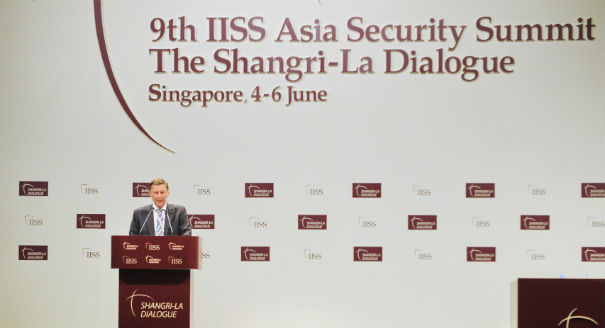
As top defence leaders from across the Indo-Pacific meet this week at the annual Shangri La Dialogue in Singapore, the Indian defence minister will once again be conspicuous by his absence. Rising China’s growing assertiveness and the uncertainties surrounding the American pivot to Asia have triggered an intensive interest in the region to expand defence engagement with New Delhi.
But the ministry of defence (MoD) seems as reluctant as ever to raise its regional security profile. Governments might come and go, but some things obviously don’t change at the MoD. The tone of disinterest in Asian defence diplomacy, set by A.K. Antony during the UPA years, appears to continue under the Narendra Modi government.
South Block’s reluctance to participate effectively in the Shangri La Dialogue stands in contrast to the growing importance of the forum. The deterioration of China’s relations with the US and Japan and the mounting military tensions between China and its Southeast Asian neighbours, especially Vietnam and the Philippines, have resulted in an intensification of regional defence diplomacy. With few formal mechanisms for addressing security challenges in Asia, the Shangri La Dialogue has become a valuable forum for the exchange of ideas and informal interaction between senior defence policymakers.During his eight long years at the MoD, Antony chose to speak at the Shangri La conference just once. Nor was there much certainty about who represents India. One year, it is the MoS for defence; it is the NSA or the chief of naval staff in others. In any case, the MoD does not decide until the very last minute on who might speak.
Last year, amid the regime change in Delhi, no one from the MoD showed up at the Shangri La Dialogue. For whatever reason, Defence Minister Manohar Parrikar has chosen to skip the forum. One wonders if the tall talk of “acting east” by PM Modi and External Affairs Minister Sushma Swaraj travels to the other end of South Block.
Expanding defence partnerships has become a dominant theme of foreign policy articulation by Modi and Swaraj. This has seen the renewal of the 10-year defence framework with the US, expanding the security partnerships in Asia with Japan, Mongolia, South Korea, Vietnam, Fiji and Australia. Modi and Swaraj have been more willing than the UPA to speak up on issues that animate Asia, especially the South China Sea, where Beijing, Hanoi and Manila are scrambling to secure their competing claims through land reclamation and expansion of military facilities. Last week, the Chinese navy challenged a US surveillance aircraft near the disputed Spratly Islands. A war of words between Beijing and Washington has ensued.
Modi has been forthright in affirming India’s strategic stakes in the South China Sea. He has underlined the importance of China respecting the freedom of navigation in the disputed waters. The NDA government has also set a valuable example to Beijing by settling India’s maritime territorial disputes with Bangladesh peacefully, in accordance with the principles of the UN Convention on the Law of the Seas.
Growing expectations in the region that the Modi government is ready to play a leadership role in securing a stable balance of power in Asia have also been reinforced by India’s impressive evacuation of civilians from Yemen and its quick response to the Nepal earthquake. If India has a great story to offer Asia on security issues, Parrikar will not be there to tell it in Singapore.
In normal circumstances, the Shangri La Dialogue would be a standard date on the defence minister’s annual calendar. He would be travelling there with senior officials for an intensive round of exchanges with key Asian states. But there is a big problem: the MoD has neither a policy commitment nor the institutional capability for defence diplomacy. If Modi does not change this, the shadow between Delhi’s diplomatic talk and defence action will continue to grow darker.
This article was originally published by the Indian Express.
Former Nonresident Senior Fellow, Carnegie India
A leading analyst of India’s foreign policy, Mohan is also an expert on South Asian security, great-power relations in Asia, and arms control.
Recent Work

C. Raja Mohan, Darshana M. Baruah


Alexander Gabuev, Paul Haenle, C. Raja Mohan, …
Carnegie does not take institutional positions on public policy issues; the views represented herein are those of the author(s) and do not necessarily reflect the views of Carnegie, its staff, or its trustees.
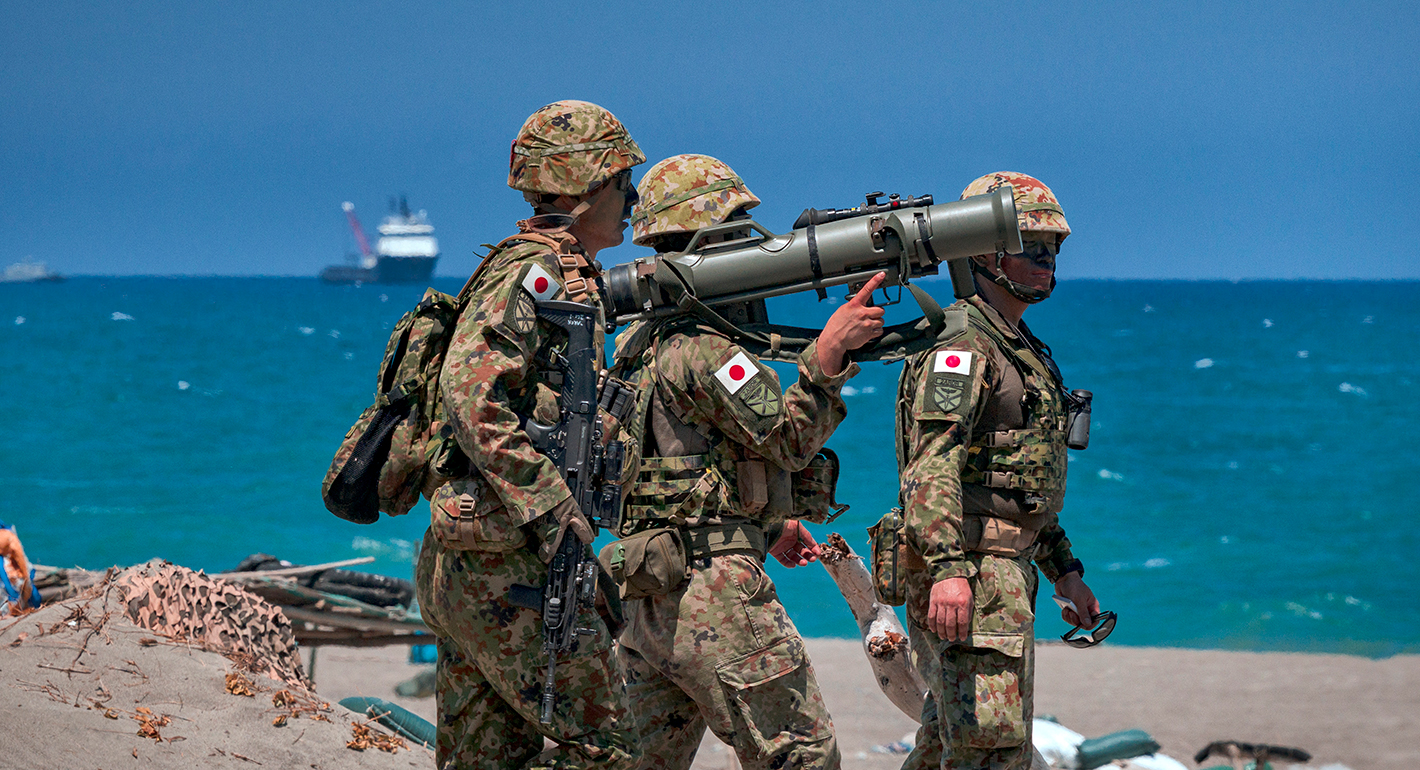
Japan’s revision of its three strategic documents reflects an intention to keep the United States engaged in the region while Japan fills any vacuums of U.S. power to preserve the Indo-Pacific order.
Ryo Sahashi

Chinese biotech companies have been on the receiving end of U.S. economic coercion. Yet their responses have differed significantly because firm and state interests are not uniformly aligned. For Washington, treating all Chinese tech firms the same, irrespective of their actual interests, risks pushing them farther into Beijing’s corner.

Xue Gong
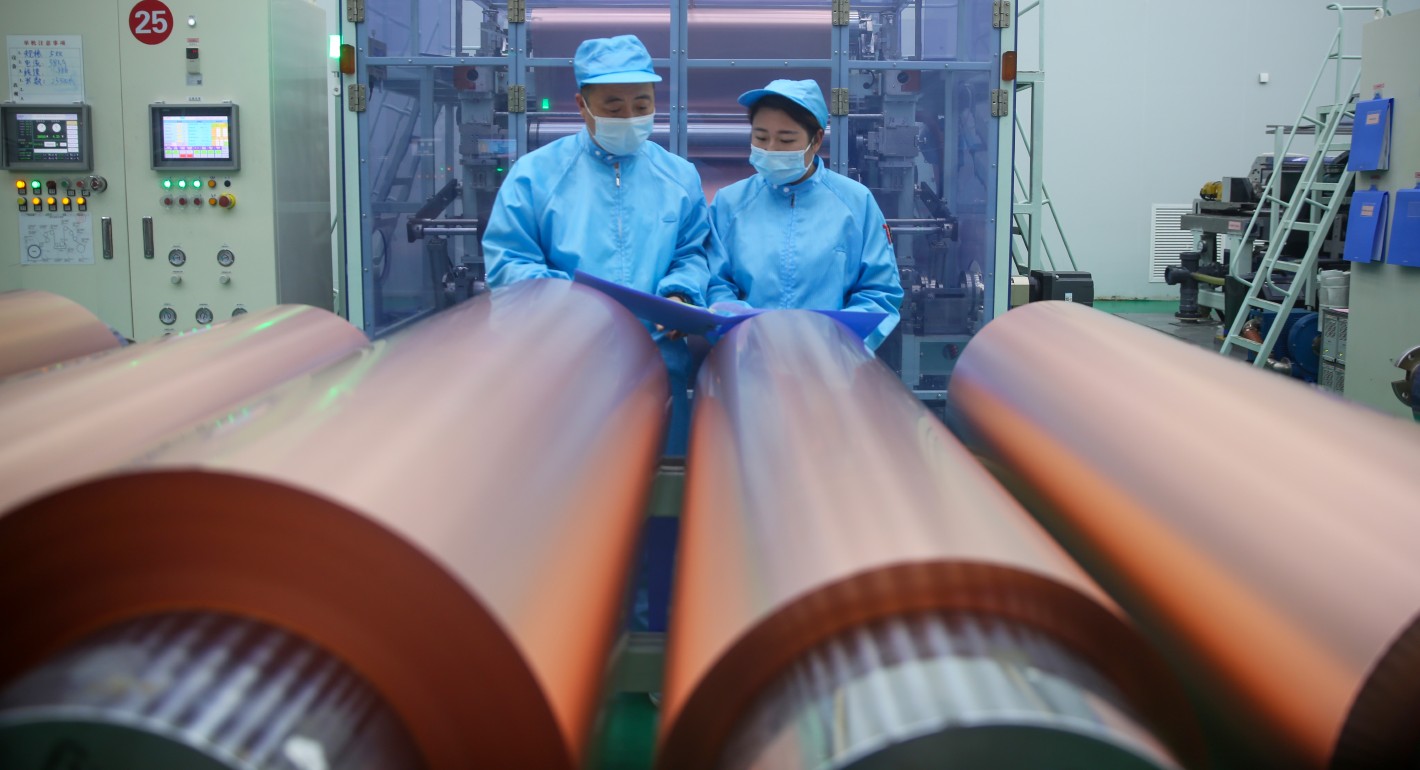
Over the past decade, China has moved from marginal player to major producer of all things batteries. The United States, Europe, and others are aiming to balance the market.

Milo McBride
Lee’s tour shows how Seoul is reorganizing its diplomacy away from Pyongyang and toward industrial networks and the geography of the compute economy.

Darcie Draudt-Véjares
Most migrants may have left Ceuta, but the effects may linger.


Alejandro Martin Rodriguez, Sarah Yerkes