

Commentary
Even if the administration maintains its broader trade policy, it should use tariffs more strategically and work with U.S. partners, not against them.
Barbara Weisel
{
  "authors": [],
  "type": "other",
  "centerAffiliationAll": "dc",
  "centers": [
    "Carnegie Endowment for International Peace"
  ],
  "collections": [],
  "englishNewsletterAll": "menaTransitions",
  "nonEnglishNewsletterAll": "",
  "primaryCenter": "Carnegie Endowment for International Peace",
  "programAffiliation": "MEP",
  "programs": [
    "Middle East"
  ],
  "projects": [],
  "regions": [
    "North Africa",
    "Egypt"
  ],
  "topics": [
    "Foreign Policy"
  ]
}
REQUIRED IMAGE
In the upcoming Strategic Dialogue, Secretary Kerry should urge President Al-Sisi to end his repression of critics in order to advance a more effective strategy for countering violent extremism.
The Honorable John Kerry
Secretary of State
U.S. Department of State
2201 C Street NW
Washington, DC 20520
Dear Secretary Kerry,
We write to urge you to seize the upcoming U.S.–Egypt Strategic Dialogue as an opportunity to press the Government of Egypt to end its campaign of indiscriminate repression in order to advance a more effective strategy for countering violent extremism.
The trends in Egypt are alarming. Since President Abdel Fattah al-Sisi took control in 2013, the frequency and lethality of militant jihadi attacks in Sinai and elsewhere in Egypt have increased dramatically. Violence in Egypt today comes in three main forms, all of which have been increasing in frequency and severity: sophisticated large-scale attacks carried out by well-organized militant groups, mostly based in Sinai; cruder small-scale attacks carried out by angry individuals or small groups; and violence carried out by government security forces, directed not only at violent extremists but also toward political opponents or critics of Sisi and his government.
State violence—several thousand killed during street demonstrations, tens of thousands of political prisoners, hundreds of documented cases of torture or forced disappearance, sexual assault of detainees or family members, reported collective punishment of Sinai communities possibly with weapons provided through U.S. military aid—is creating more incentives for Egyptians to join militant groups. The government crackdown on the press and civil society, as well as recent and proposed presidential decrees criminalizing peaceful protest and free expression, are closing off the political space necessary to counter violent extremists effectively. President Al-Sisi’s pledge to accelerate death sentences handed down against individuals in highly politicized trials that fell short of internationally recognized fair trial standards could further inflame the situation. By carrying out a campaign of repression and human rights abuses that is unprecedented in the country’s modern history, and by closing off all avenues of peaceful expression of dissent through politics, civil society, or media, Al-Sisi is stoking the very fires he says he wants to extinguish.
The United States should support the Egyptian people in efforts to eliminate threats posed by terrorist groups—as it is doing in other countries around the world. But the approach used by the Government of Egypt in recent months has been counterproductive and risks further inflaming a volatile environment.
As a bipartisan group of foreign policy experts formed in 2010 to garner greater U.S. policy attention to Egypt, we have serious concerns that the Government of Egypt will try to use the Strategic Dialogue as a sign of U.S. endorsement of its current repressive policies. Nonetheless, we do believe that the Strategic Dialogue could be a useful forum for raising deep concerns about the alarming situation in the country. We urge you to seize this opportunity to stress the need for a course correction in which Egypt would fight militants with effective military and law enforcement means, while ending repression of political rivals and critics, including in civil society and media. Repression produces the grievances on which violent extremism feeds and therefore moves Egypt further away from the stability and security it desperately needs.
To that end, we hope that you will urge the Egyptian government to take the following steps immediately in order to break the destructive wave of violence:
Furthermore, we ask respectfully that you resist the urge to give any public praise to the Egyptian government beyond what is precisely accurate and warranted. This is especially important regarding democratic reforms, rule of law, and human rights. We should learn from past experience that unwarranted praise in public can severely undermine the effectiveness of stern messages delivered in private, as well as the efforts of Egyptians who, at considerable personal risk, are trying to fight radicalization with a more enlightened message based on the rights of citizens.
Sincerely,
The Working Group on Egypt
Robert Kagan (co-chair)
Brookings Institution
Michele Dunne (co-chair)
Carnegie Endowment for International Peace
Elliott Abrams
Council on Foreign Relations
Ellen Bork
Foreign Policy Initiative
Daniel Calingaert
Freedom House
Reuel Gerecht
Foundation for Defense of Democracies
Amy Hawthorne
Atlantic Council
Neil Hicks
Human Rights First
Brian Katulis
Center for American Progress
Stephen McInerney
Project on Middle East Democracy
Tamara Wittes
Brookings Institution
This letter reflects the views of the individual signatories; institutional affiliations are listed for the purpose of identification only.
Carnegie does not take institutional positions on public policy issues; the views represented herein are those of the author(s) and do not necessarily reflect the views of Carnegie, its staff, or its trustees.
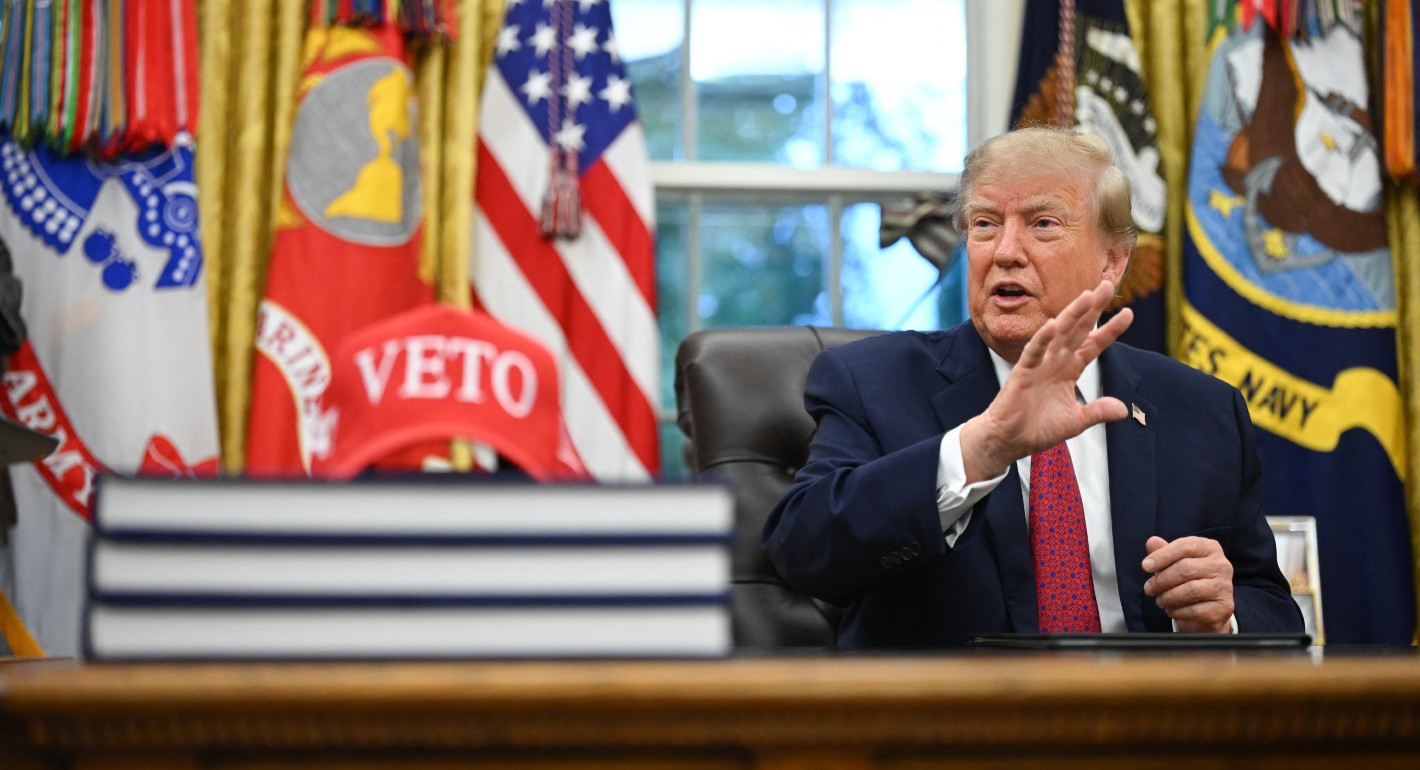
Even if the administration maintains its broader trade policy, it should use tariffs more strategically and work with U.S. partners, not against them.
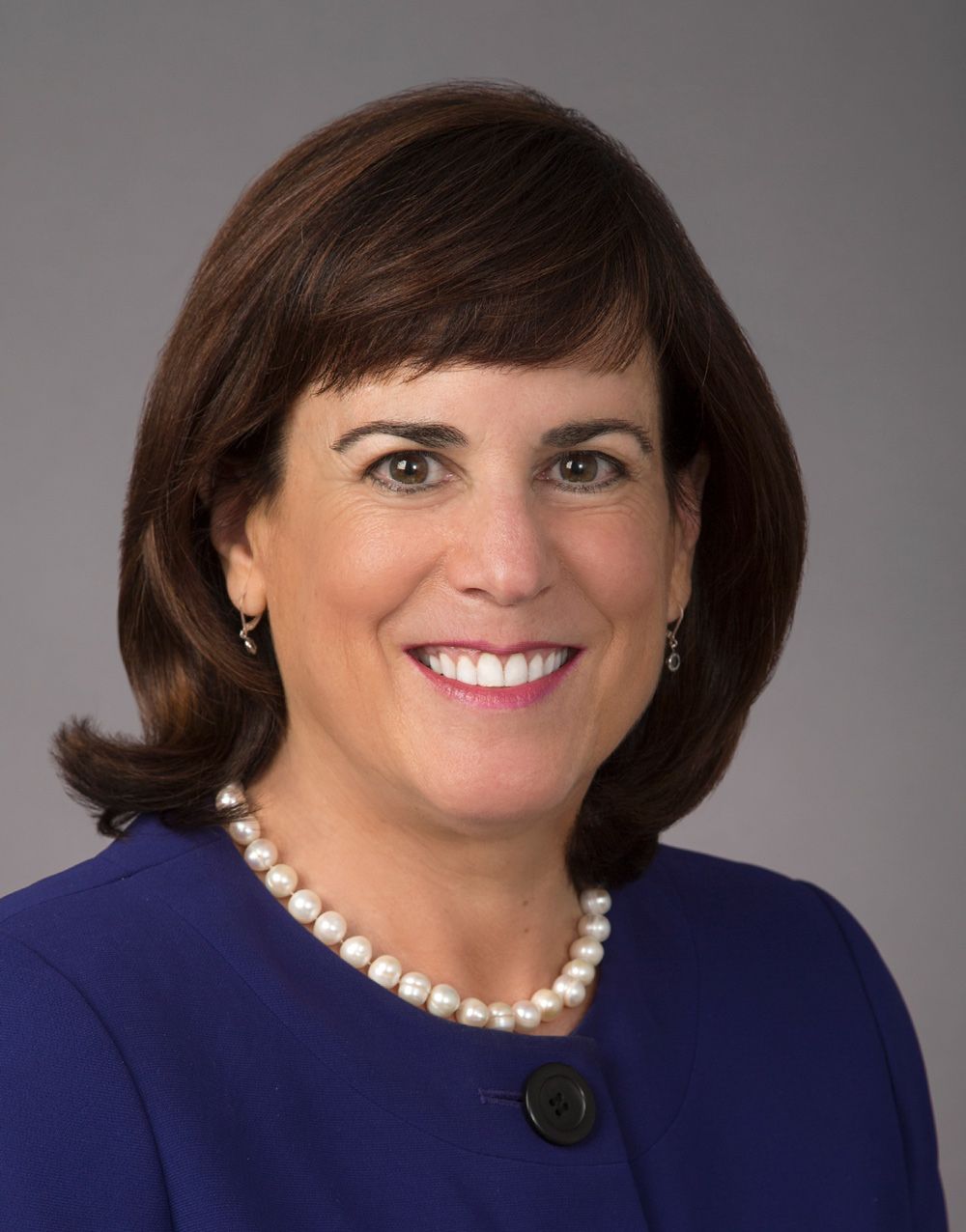
Barbara Weisel

The war does threaten Putin’s existence. That is why he does not negotiate.
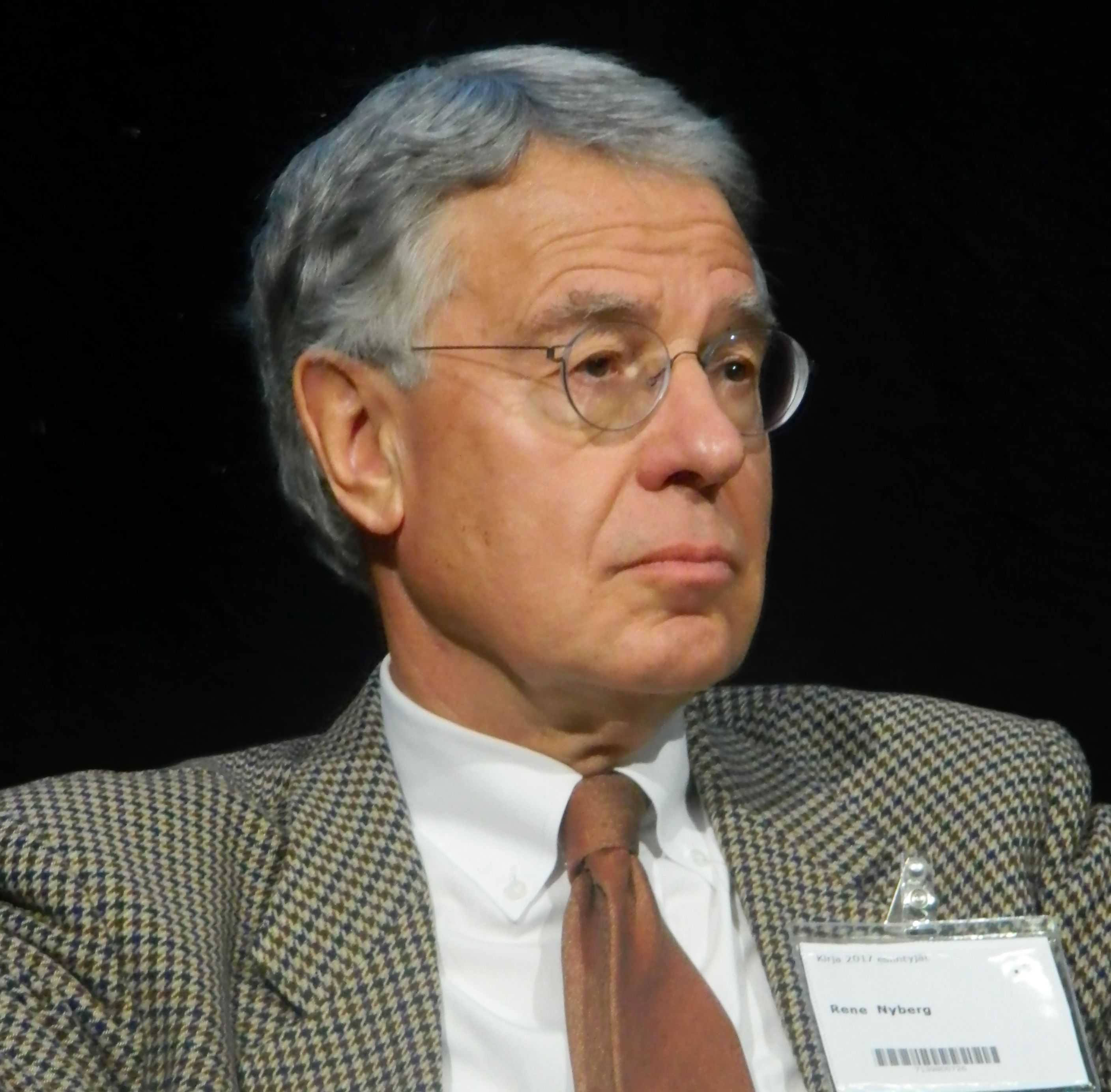
René Nyberg
Democrats now have the gavel and the purse, but the executive branch still pulls the levers on the U.S. role in the world.

James M. Acton, Dan Baer, Mark Baldassare, …
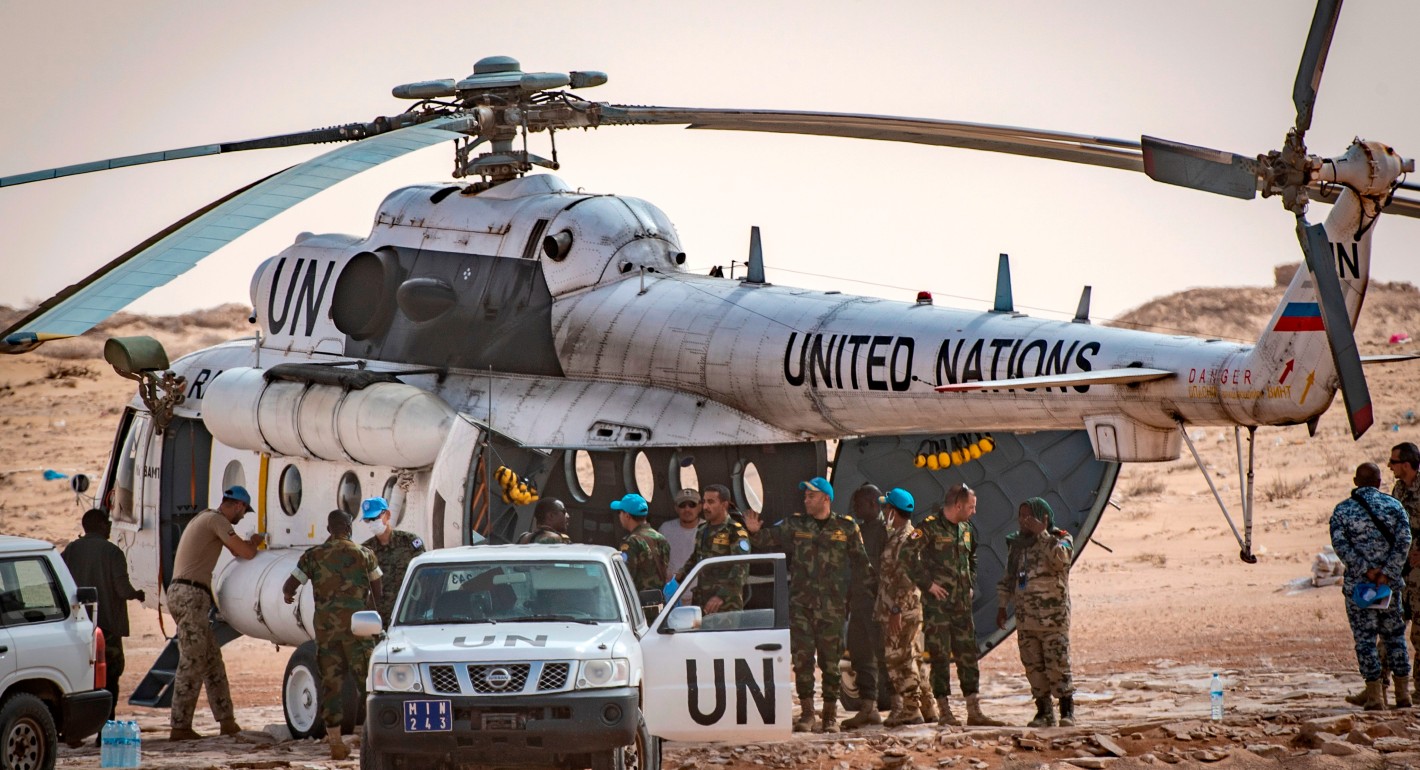
MINURSO’s renewal by the Security Council became highly politicized. Its expiration brings concerns about renewed violence and the future of demining efforts.
Sarah Yerkes

As the United States exits UN climate efforts, these smaller and less formal groupings will take on greater significance in global climate governance.
Theodore Zaritsky, Stewart Patrick