

Q&A
Matt Ferchen
{
  "authors": [
    "Matt Ferchen"
  ],
  "type": "legacyinthemedia",
  "centerAffiliationAll": "",
  "centers": [
    "Carnegie Endowment for International Peace",
    "Carnegie China"
  ],
  "collections": [
    "China and the Developing World",
    "China’s Foreign Relations"
  ],
  "englishNewsletterAll": "",
  "nonEnglishNewsletterAll": "",
  "primaryCenter": "Carnegie China",
  "programAffiliation": "",
  "programs": [],
  "projects": [],
  "regions": [
    "North America",
    "South America",
    "East Asia",
    "China"
  ],
  "topics": [
    "Economy"
  ]
}
Source: Getty
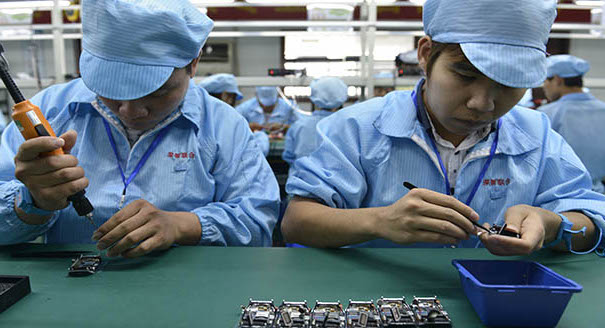
China’s economic slowdown has prompted Latin American and Chinese officials to seek new areas of cooperation, notably in agricultural technology and infrastructure.
Source: Latin America Advisor
Inter-American Dialogue: China’s experience in developing technology could make the country an important partner in helping Latin American countries diversify their economies, according to an October 20 report by the Economic Commission for Latin America and the Caribbean (ECLAC). How willing is China to share its expertise? Which countries in Latin America would benefit the most? To which sectors of Latin America’s economies should China provide targeted assistance? What economic lessons—and warnings—should Latin American countries learn from China?
Matt Ferchen: First, it’s important to note that ECLAC’s new report is about the region’s trade crisis. This crisis is directly linked to China’s own economic slowdown and changing growth model, both of which have affected the volume and price of some key Latin American commodity exports to China. This is in stark contrast to earlier ECLAC reports that emphasized the positive role that Chinese demand played in minimizing the impact of the global financial crisis on the region. The commodity boom, and what I’ve been calling the "easy phase" of China-Latin America relations (although they were clearly never that easy), is now obviously over and Latin America is dealing with the hangover. The end of the commodity boom provides the background and an explanation for why Latin American and Chinese officials and businesspeople are now more actively discussing ways to cooperate on new forms of trade and investment, including infrastructure and more high-tech trade. However, the likelihood that China will transfer any of its key manufacturing technologies to Latin America is very limited since this would undercut China’s own competitiveness. That said, technological upgrading in agricultural and food-based export industries is one area where cooperation is possible since Chinese demand for imports in this sector will likely remain strong. The ECLAC report argues that Latin America can learn from Chinese "long-term visions" and state support for technological upgrading, yet Chinese concerns about insufficient "innovation" and inefficient state-owned enterprises should lead to more careful evaluations of the real sources of China’s economic dynamism past and present.

Former Nonresident Scholar, Carnegie-Tsinghua Center for Global Policy
Ferchen specializes in China’s political-economic relations with emerging economies. At the Carnegie–Tsinghua Center for Global Policy, he ran a program on China’s economic and political relations with the developing world, including Latin America.
Recent Work
Matt Ferchen
Matt Ferchen, Anarkalee Perera
Carnegie does not take institutional positions on public policy issues; the views represented herein are those of the author(s) and do not necessarily reflect the views of Carnegie, its staff, or its trustees.

The Plaza Accord was not an externally imposed punishment of Japan but part of a broader restructuring that Japanese economists and policymakers themselves recognized was necessary. Its effects were undermined, however, when Tokyo responded to the resulting slowdown with policies that exacerbated investment, credit expansion, and the very imbalances the adjustment was intended to resolve.

Michael Pettis

The real test may come after the leaders leave the room.



Sheena Chestnut Greitens, Oriana Skylar Mastro, Yukon Huang, …

The nuclear relationship between China and the United States is increasingly shaped by widening perception gaps rather than deliberate strategic design.

Tong Zhao
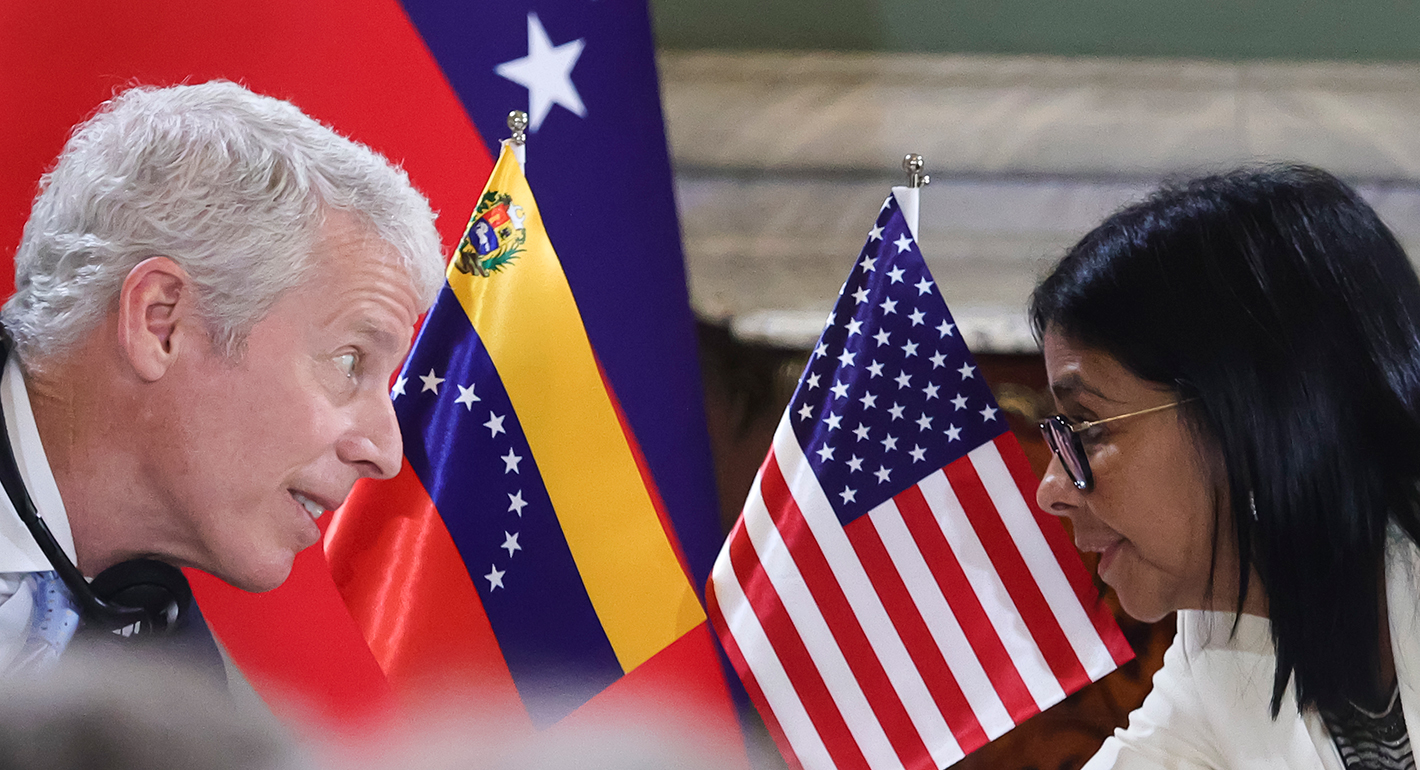
Washington needs to recognize that influence in the Western Hemisphere comes from presence, delivery, and reliability. It also must recognize that while the United States remains the key external actor, it no longer operates in a permissive environment and cannot presume deference from regional players who have other options, namely China.
Juan S. Gonzalez

A summer of escalation in the Black Sea has hurt Ukraine economically and is exacerbating world food security. A truce is needed—as is a broader reframing of Europe’s Ukraine strategy.

Thomas de Waal