
• Research
  • Emissary
  • About
  • Experts
Carnegie Global logoCarnegie lettermark logo
Democracy
  • Donate
{
  "authors": [
    "David Livingston",
    "Peter Hughes"
  ],
  "type": "other",
  "centerAffiliationAll": "",
  "centers": [
    "Carnegie Endowment for International Peace"
  ],
  "collections": [],
  "englishNewsletterAll": "",
  "nonEnglishNewsletterAll": "",
  "primaryCenter": "Carnegie Endowment for International Peace",
  "programAffiliation": "",
  "programs": [
    "Sustainability, Climate, and Geopolitics"
  ],
  "projects": [],
  "regions": [
    "North America"
  ],
  "topics": [
    "Climate Change"
  ]
}
Other

The UN Development Agenda: Paris COP 21

What are the implications of the COP21 outcomes for corporate stakeholders?

Link Copied
By David Livingston and Peter Hughes
Published on Dec 15, 2015
Program mobile hero image

Program

Sustainability, Climate, and Geopolitics

The Sustainability, Climate, and Geopolitics Program explores how climate change and the responses to it are changing international politics, global governance, and world security. Our work covers topics from the geopolitical implications of decarbonization and environmental breakdown to the challenge of building out clean energy supply chains, alternative protein options, and other challenges of a warming planet.

Learn More

Source: Institute for Corporate Responsibility and Sustainability

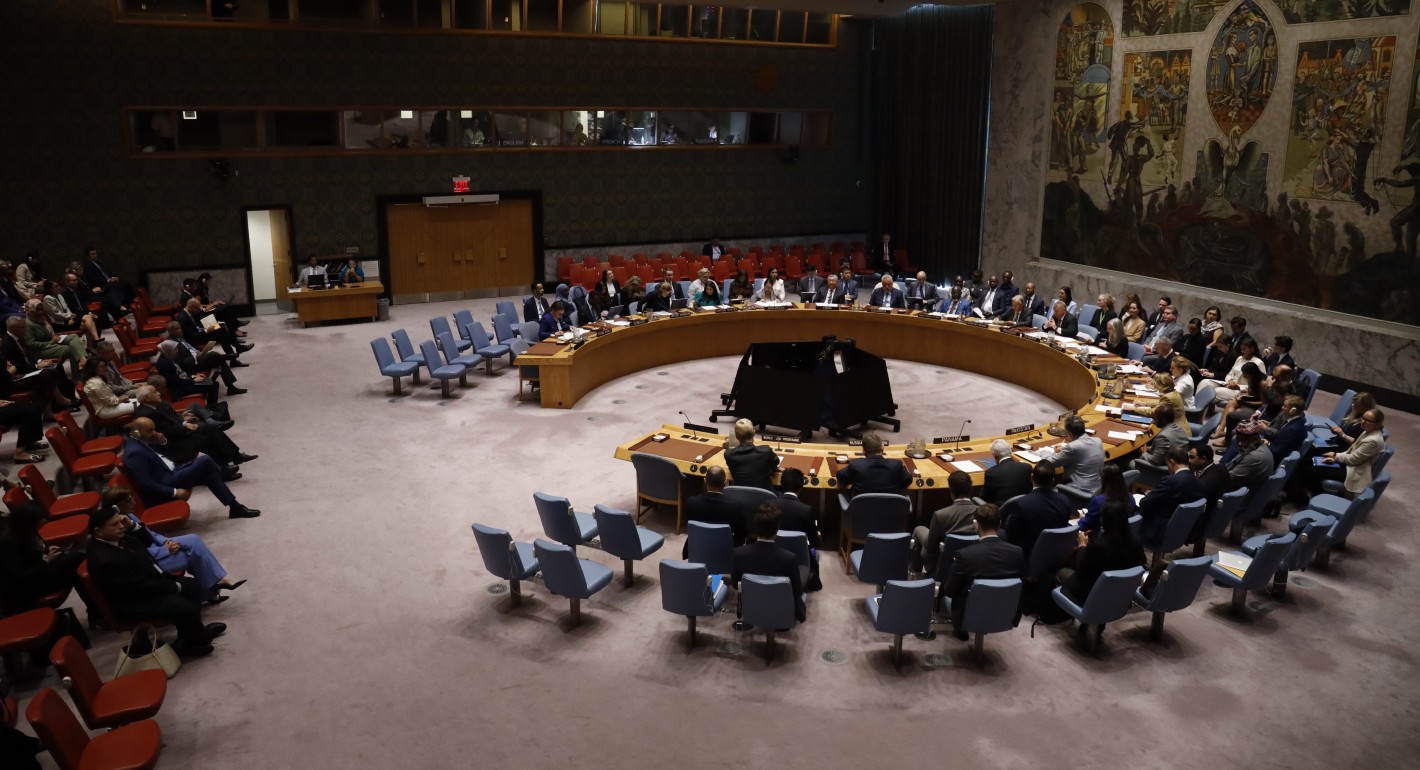
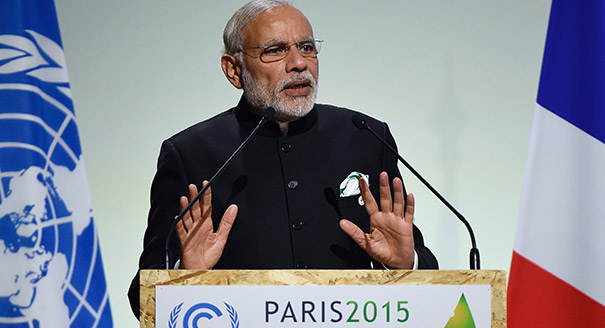
At the 2015 United Nations Climate Conference in Paris, world leaders, UN agencies, NGOs, and intergovernmental organisations gathered with the aim of achieving a legally binding and universal agreement on climate and a goal of keeping global warming below the threshold of 2°C.

This webinar will explore the outcomes of the Climate Conference, giving listeners:

  • An overview of what has been decided in Paris and what, if any, opportunities have been missed
  • Insight into how, post COP21, these decisions will be translated into national or international legislation and regulations
  • Understanding of the implications for business and other stakeholders

This webinar was hosted by the Institute of Corporate Responsibility and Sustainability.

This webinar is behind a paywall, but please contact ICRS at stephanie.attal-juncqua@carnstone.com for free access.

Authors

David Livingston
Former Associate Fellow, Energy and Climate Program
Peter Hughes
Pearson
Climate ChangeNorth America

Carnegie does not take institutional positions on public policy issues; the views represented herein are those of the author(s) and do not necessarily reflect the views of Carnegie, its staff, or its trustees.

More Work from Carnegie Endowment for International Peace

  • Colorful houses (pink, cobalt blue, bright orange, mint green) line a road curving to the right. Cars and electricity poles run on the side of the street
    Article
    How Caribbean States Became Climate Mobility Policy Innovators

    Regional free movement agreements, like that of the Organisation of Eastern Caribbean States, offer unique potential to address the human mobility challenges posed by the climate crisis.

      Liliana Gamboa, Debbra Goh

  • Commentary
    Carnegie Politika
    Venezuela Is No Oil Eldorado, Despite U.S. and Russian Claims

    Geological complexity and years of mismanagement mean the Venezuelan oil industry is not the big prize officials in Moscow and Washington appear to believe.

      • Sergey Vakulenko

      Sergey Vakulenko

  • Aerial view of a wildfire destroying a neighborhood on a hillside
    Commentary
    As Money Goes out for Climate-Related Loss and Damage, Displaced Communities Stand to Benefit

    With the Fund for Responding to Loss and Damage scheduled to make its first distribution in 2026, countries and members of the fund’s board have an opportunity to prioritize human mobility.

      • Shana Tabak headshot
      • Alejandro Rodriguez

      Shana Tabak, Alejandro Martin Rodriguez

  • open book in a bookstore
    Commentary
    Policy in Other Words 2025

    Understanding and shaping the links between the local and global is a matter of storytelling.

      Ian Klaus

  • Trump and Cabinet members in the Oval Office
    Commentary
    Emissary
    FEMA’s Turbulent Year and Uncertain Future

    Former agency officials discuss how reforms could reshape the agency and how states should prepare.

      • Sarah Labowitz

      Sarah Labowitz

Get more news and analysis from
Carnegie Endowment for International Peace
Carnegie global logo, stacked
1779 Massachusetts Avenue NWWashington, DC, 20036-2103Phone: 202 483 7600Fax: 202 483 1840
  • Research
  • Emissary
  • About
  • Experts
  • Donate
  • Programs
  • Events
  • Blogs
  • Podcasts
  • Contact
  • Annual Reports
  • Careers
  • Privacy
  • For Media
  • Government Resources
Get more news and analysis from
Carnegie Endowment for International Peace
© 2026 Carnegie Endowment for International Peace. All rights reserved.