

Commentary
The books, podcasts, and films that explain the world it made.
Andrew Leber
{
  "authors": [
    "Tim Maurer",
    "Jason Healey"
  ],
  "type": "other",
  "centerAffiliationAll": "dc",
  "centers": [
    "Carnegie Endowment for International Peace"
  ],
  "collections": [
    "Cyber and Digital Policy"
  ],
  "englishNewsletterAll": "ctw",
  "nonEnglishNewsletterAll": "",
  "primaryCenter": "Carnegie Endowment for International Peace",
  "programAffiliation": "TIA",
  "programs": [
    "Technology and International Affairs"
  ],
  "projects": [
    "International Cybersecurity Norms"
  ],
  "regions": [
    "Iran"
  ],
  "topics": [
    "Security",
    "Foreign Policy",
    "Technology"
  ]
}
Source: Getty
Even though the progress on cybernorms over 2015 was sudden, that success had in fact been built on the years of hard work by diplomats, cyberexperts, and many others.
Source: Global Digital Futures Policy Forum 2016
Only a few year s ago, there were almost no norms globally accepted by governments on cybersecurity or cyber conflict. Even the United States, which had long pushed such norms, had publicly announced very few. The United States and a few other allies confirmed that laws of armed conflict (otherwise known as International Humanitarian Law or the “Geneva Convention”) applied to cyberspace.
This has changed with tremendous progress recently, so much so that 2015 could be called was the Year of Global Cyber Norms....
This paper is part of the 2016 Global Digital Futures Policy Forum.

Former Senior Fellow, Technology and International Affairs Program
Dr. Tim Maurer was a senior fellow in Carnegie’s Technology and International Affairs program.
Jason Healey
Carnegie does not take institutional positions on public policy issues; the views represented herein are those of the author(s) and do not necessarily reflect the views of Carnegie, its staff, or its trustees.

The books, podcasts, and films that explain the world it made.

Andrew Leber

U.S. trading partners in Asia are closely watching the dispute for signs of how it may affect their own interests.

Barbara Weisel

The aftermath of the Ceuta crisis shows Europe has drawn the wrong lessons. Rather than doubling down on failed migration policies, the EU needs to address the underlying roots of such episodes.

Richard Youngs
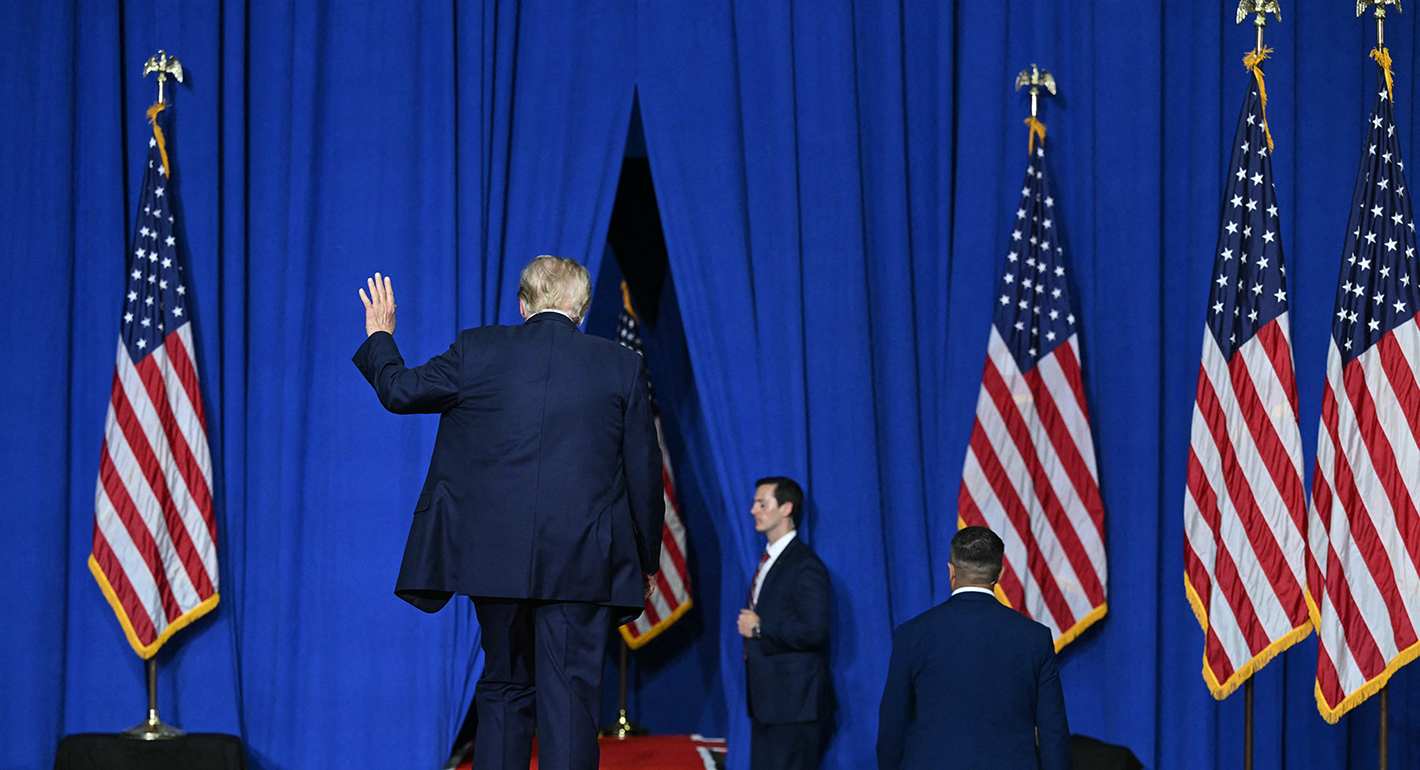
By abandoning past U.S. pro-democracy policies and adopting several lines of pro-autocratic action, the Trump administration has fundamentally repositioned the United States vis-à-vis democracy in the world.

Thomas Carothers
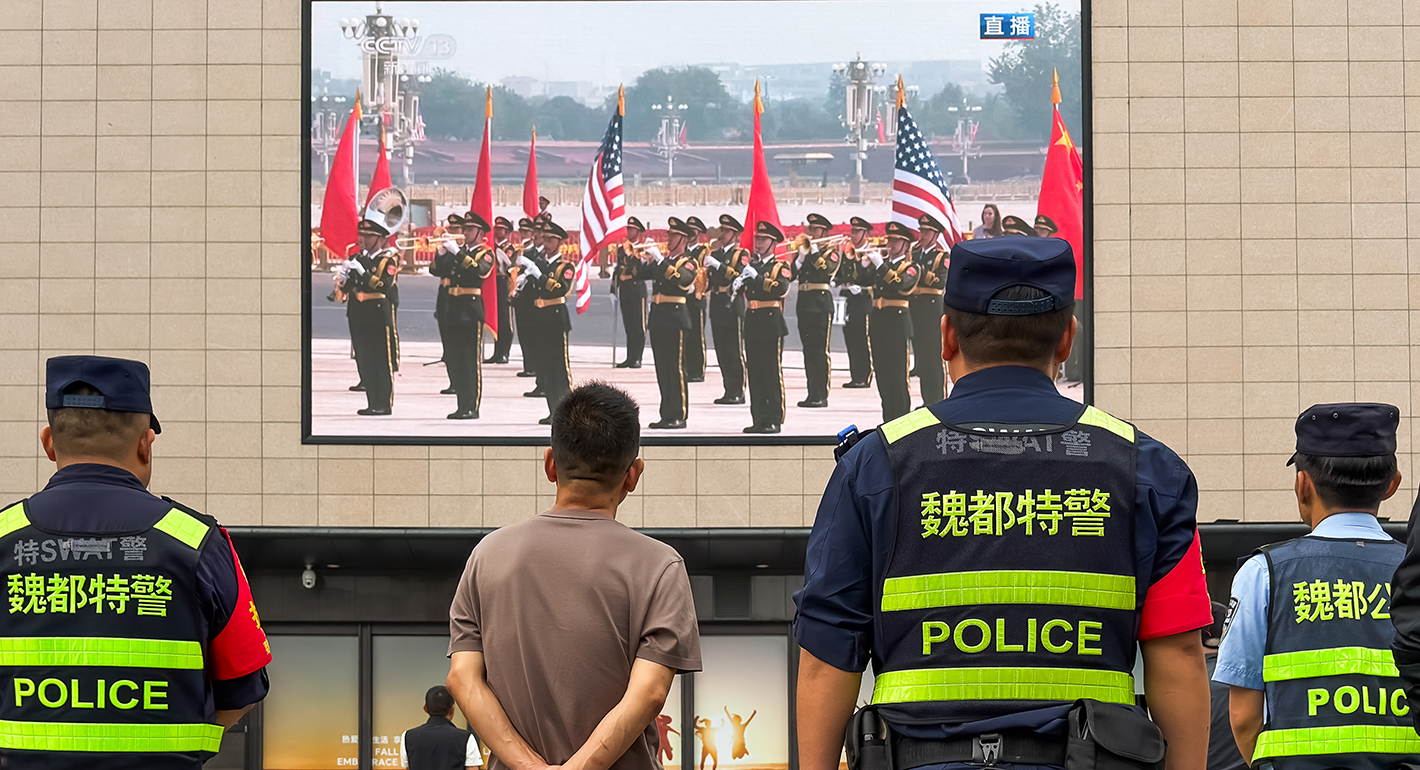
Chinese strategists are once again debating whether American power is declining and whether U.S. hegemony is experiencing irreversible decay.
Wu Xinbo