

Article
Deborah Gordon, Smriti Kumble, David Livingston
{
  "authors": [
    "David Livingston"
  ],
  "type": "legacyinthemedia",
  "centerAffiliationAll": "dc",
  "centers": [
    "Carnegie Endowment for International Peace"
  ],
  "collections": [],
  "englishNewsletterAll": "",
  "nonEnglishNewsletterAll": "",
  "primaryCenter": "Carnegie Endowment for International Peace",
  "programAffiliation": "SCP",
  "programs": [
    "Sustainability, Climate, and Geopolitics"
  ],
  "projects": [],
  "regions": [
    "North America",
    "Middle East",
    "Iran",
    "Saudi Arabia",
    "East Asia",
    "China"
  ],
  "topics": [
    "Climate Change"
  ]
}
Source: Getty
An examination of oil-price instability after a failure to freeze oil production.
Source: CCTV News
A meeting of major oil producers in Doha failed to reach a deal on capping production - a move intended to keep oil prices from sinking below January decade-low price dips. Saudi Arabia blamed the group’s only absentee: its neighbor and political foe, Iran; and said that it would only sign a deal if Tehran agrees on putting a ceiling on its oil production. Are Riyadh’s demands fair, considering the crippling impact of the recently-lifted sanctions on Tehran? What is driving price fluctuations, and how can the market be stabilized? How has the US' exploration of shale gas oil contributed to the dive in oil prices, and how might this competition between traditional and shale oil affect Saudi-US ties? Join CCTV News in panel discussion with Professor Liu Baocheng, Dean of the Center for International Business Ethics from the University of International Business and Economics; in Washington DC, Jean-François Seznec, Adjunct Professor of Georgetown University & Johns Hopkins University; and in London, David Livingston, associate at the Energy and Climate Program at the Carnegie Endowment for International Peace.
Former Associate Fellow, Energy and Climate Program
Livingston was an associate fellow in Carnegie’s Energy and Climate Program, where his research focuses on emerging markets, technologies, and risks.
Recent Work

Deborah Gordon, Smriti Kumble, David Livingston
Erik Brattberg, David Livingston
Carnegie does not take institutional positions on public policy issues; the views represented herein are those of the author(s) and do not necessarily reflect the views of Carnegie, its staff, or its trustees.
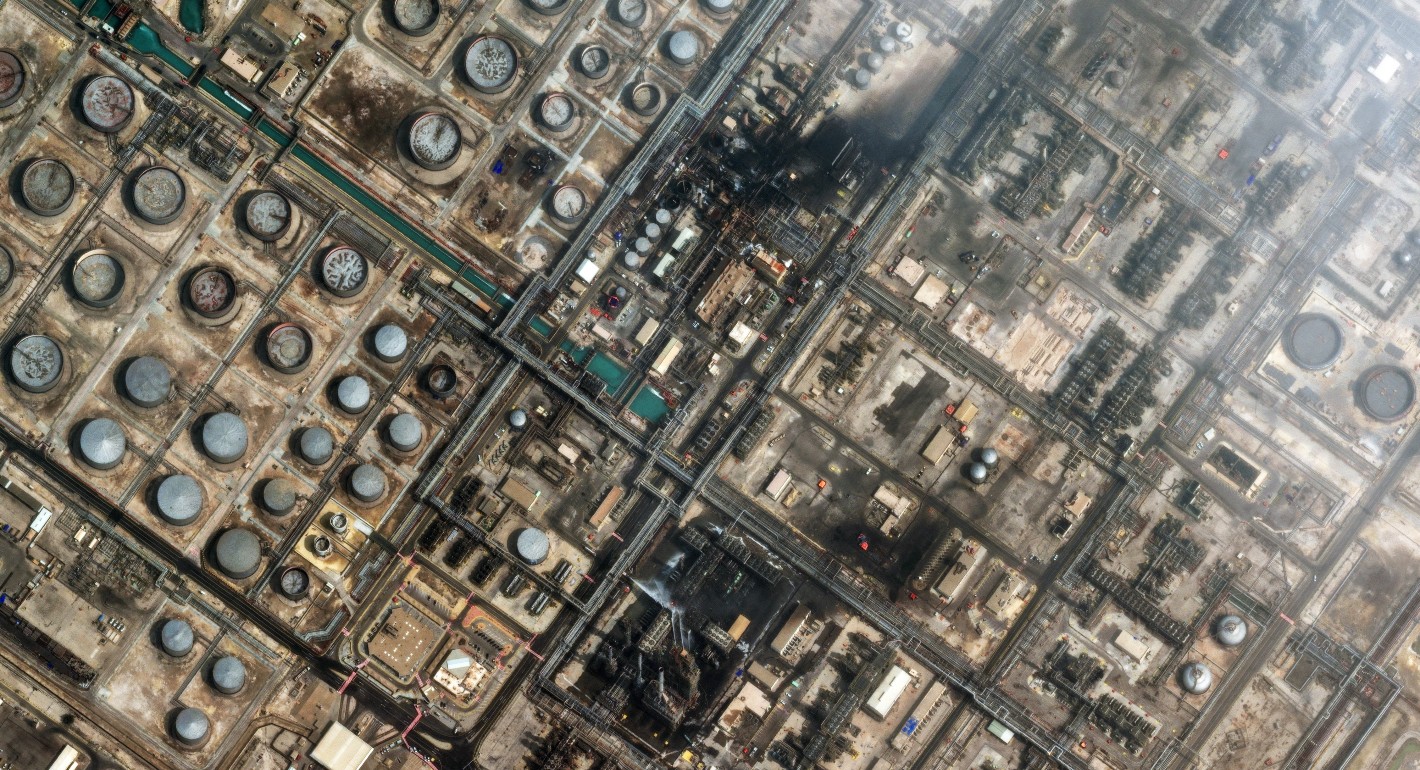
Tehran’s attacks are reshaping the security situation in the Middle East—and forcing the region’s clock to tick backward once again.

Amr Hamzawy
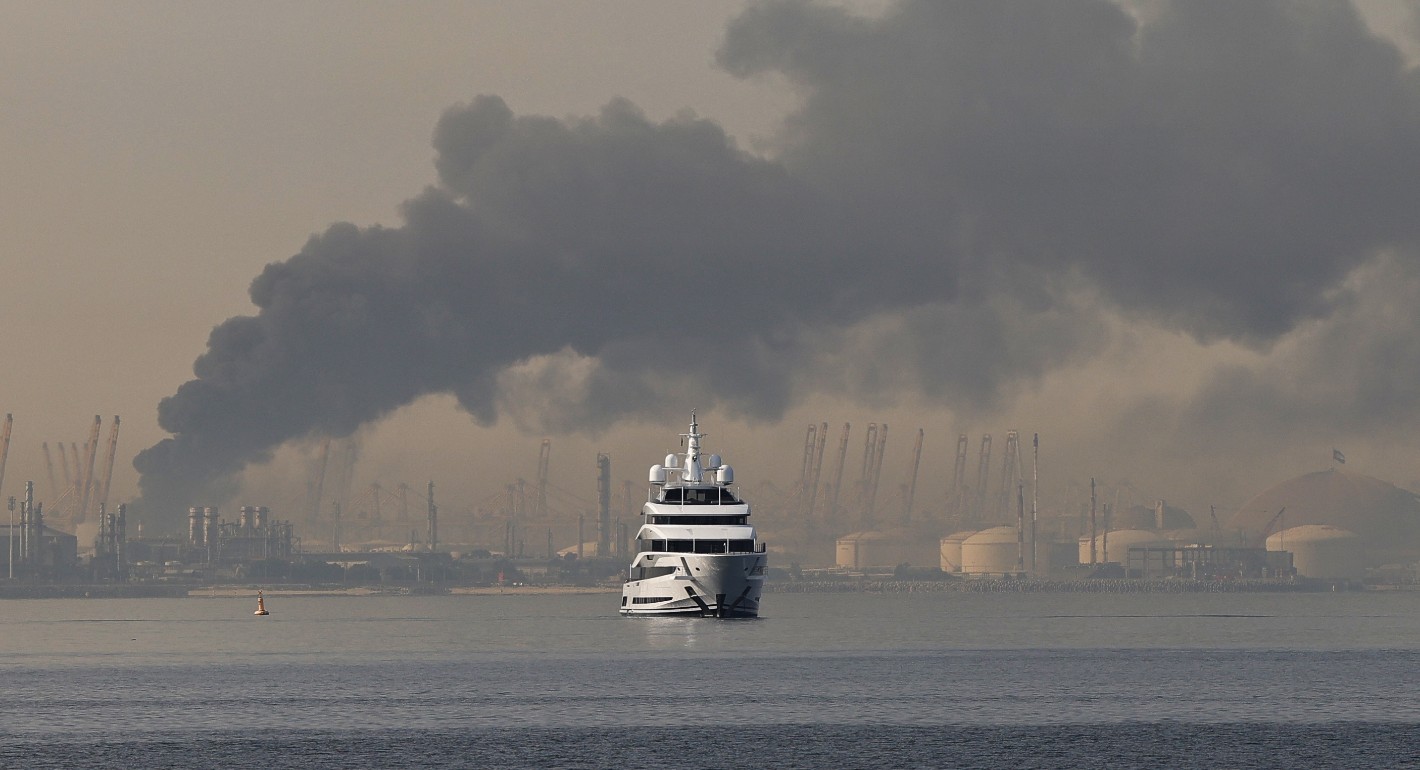
Only collective security can protect fragile economic models.

Andrew Leber
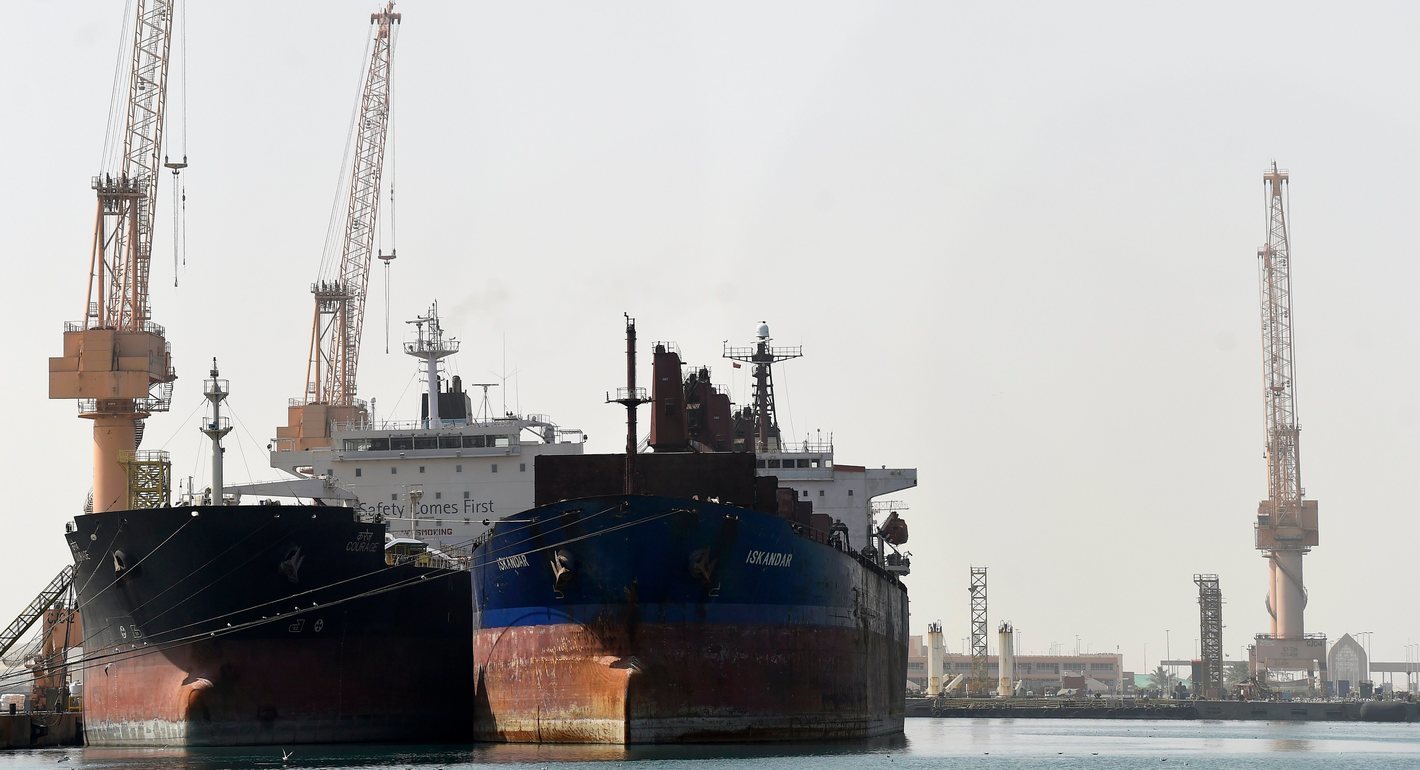
In a volatile Middle East, the Omani port of Duqm offers stability, neutrality, and opportunity. Could this hidden port become the ultimate safe harbor for global trade?
Giorgio Cafiero, Samuel Ramani
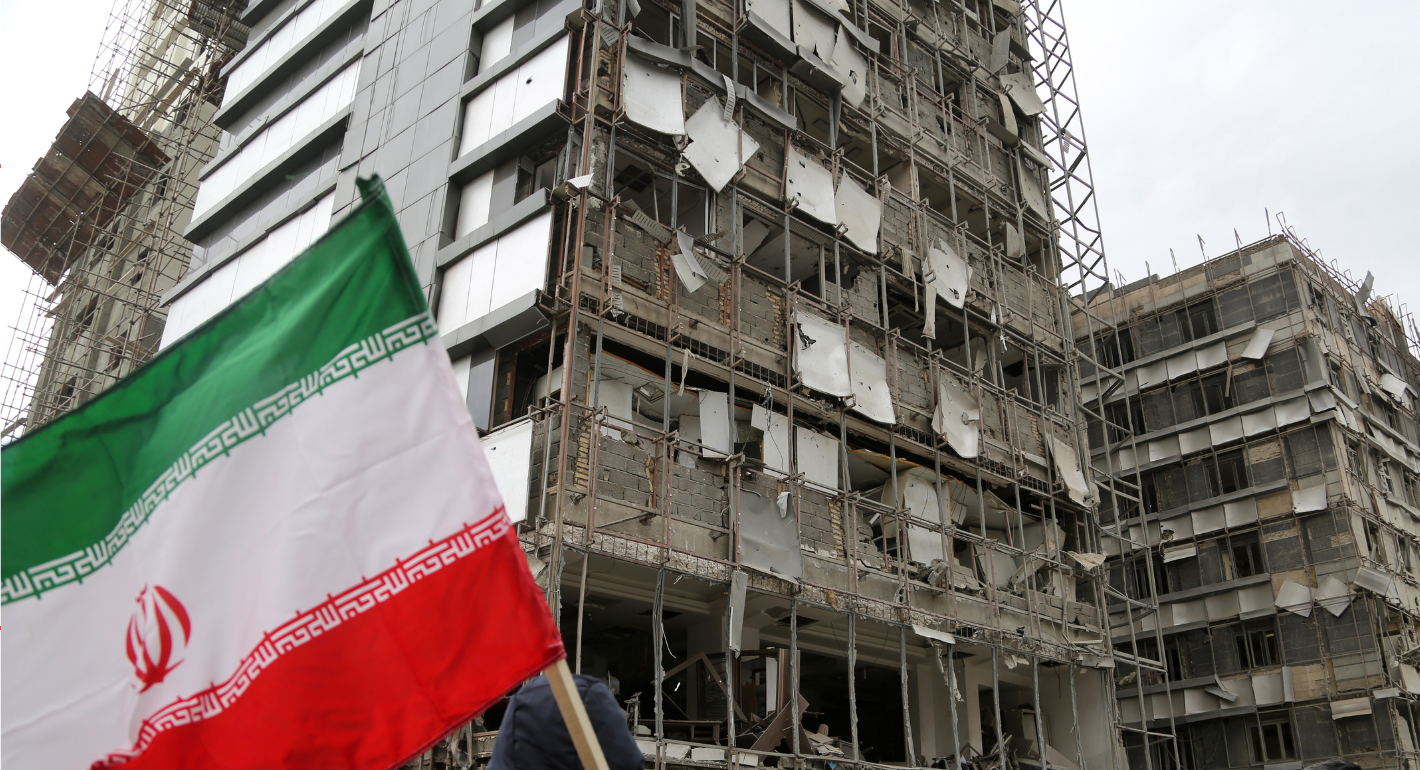
Europe’s reaction to the war in Iran has been disunited and meek, a far cry from its previously leading role in diplomacy with Tehran. To avoid being condemned to the sidelines while escalation continues, Brussels needs to stand up for international law.

Pierre Vimont

South Korea’s rapid demographic transition previews governance challenges many advanced and middle-income economies will face. This paper argues that aging is not only a care issue but a structural governance challenge—reshaping welfare, productivity, and fiscal sustainability, and reorganizing responsibilities across the state, private sector, and society.

Darcie Draudt-Véjares