

Commentary
Even if the Iran war stops, restarting production and transport for fertilizers and their components could take weeks—at a crucial moment for planting.
Noah Gordon, Lucy Corthell
{
  "authors": [
    "Alicia Phillips Mandaville"
  ],
  "type": "other",
  "centerAffiliationAll": "",
  "centers": [
    "Carnegie Endowment for International Peace"
  ],
  "collections": [],
  "englishNewsletterAll": "",
  "nonEnglishNewsletterAll": "",
  "primaryCenter": "Carnegie Endowment for International Peace",
  "programAffiliation": "",
  "programs": [],
  "projects": [],
  "regions": [
    "North America",
    "United States"
  ],
  "topics": [
    "Economy",
    "Foreign Policy"
  ]
}
Source: Getty
If fragility is defined as the absence or breakdown of the social contract between a state and its citizens, then any effort to address fragility must also consider fragility’s economic underpinnings.
Source: Fragility Study Group Policy Brief
Policymakers are increasingly attuned to the security implications of state fragility. Whether we worry that the state in question is unable to prevent localized conflict from spilling over borders, inadvertently providing a safe haven for violent actors through lack of territorial control, or increasing the risk of epidemics as a result of inadequate medical response, most of the policy community’s focus on fragile states begins with a security concern. However, if fragility is defined as the absence or breakdown of the social contract between a state and its citizens, then any effort to address fragility must also consider fragility’s economic underpinnings.
In looking for ways to make economic assistance effective in fragile states, the question arises of whether a major innovation of U.S. economic assis-tance of the past decade—the economic compact model pioneered by the Millennium Challenge Corporation (MCC)—might usefully be applied. The answer is yes, but not in all fragile states, and only if we learn the full lessons of what MCC’s experiment can teach us about the compact approach to eco-nomic development.
Alicia Phillips Mandaville is the vice president for Global Development at InterAction.
Alicia Phillips Mandaville
Carnegie does not take institutional positions on public policy issues; the views represented herein are those of the author(s) and do not necessarily reflect the views of Carnegie, its staff, or its trustees.
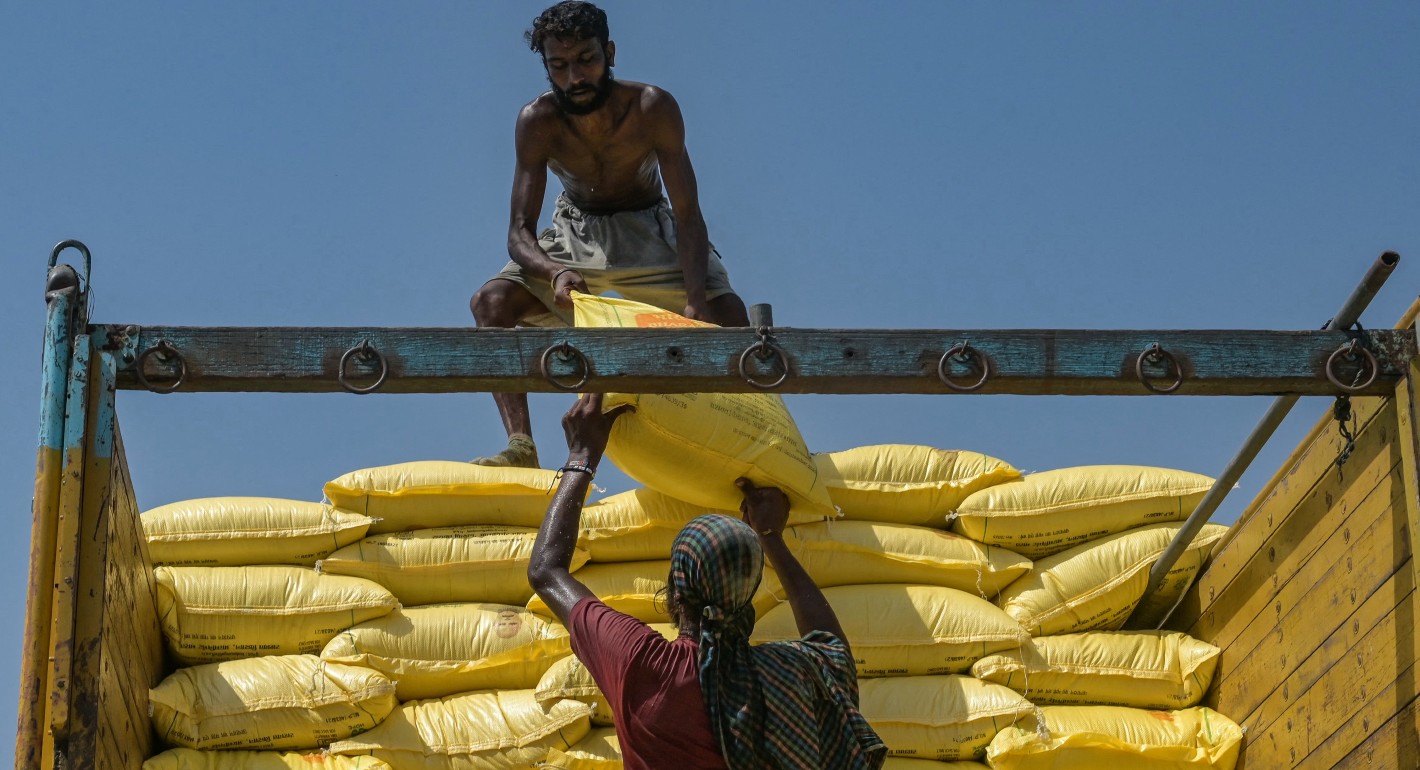
Even if the Iran war stops, restarting production and transport for fertilizers and their components could take weeks—at a crucial moment for planting.

Noah Gordon, Lucy Corthell
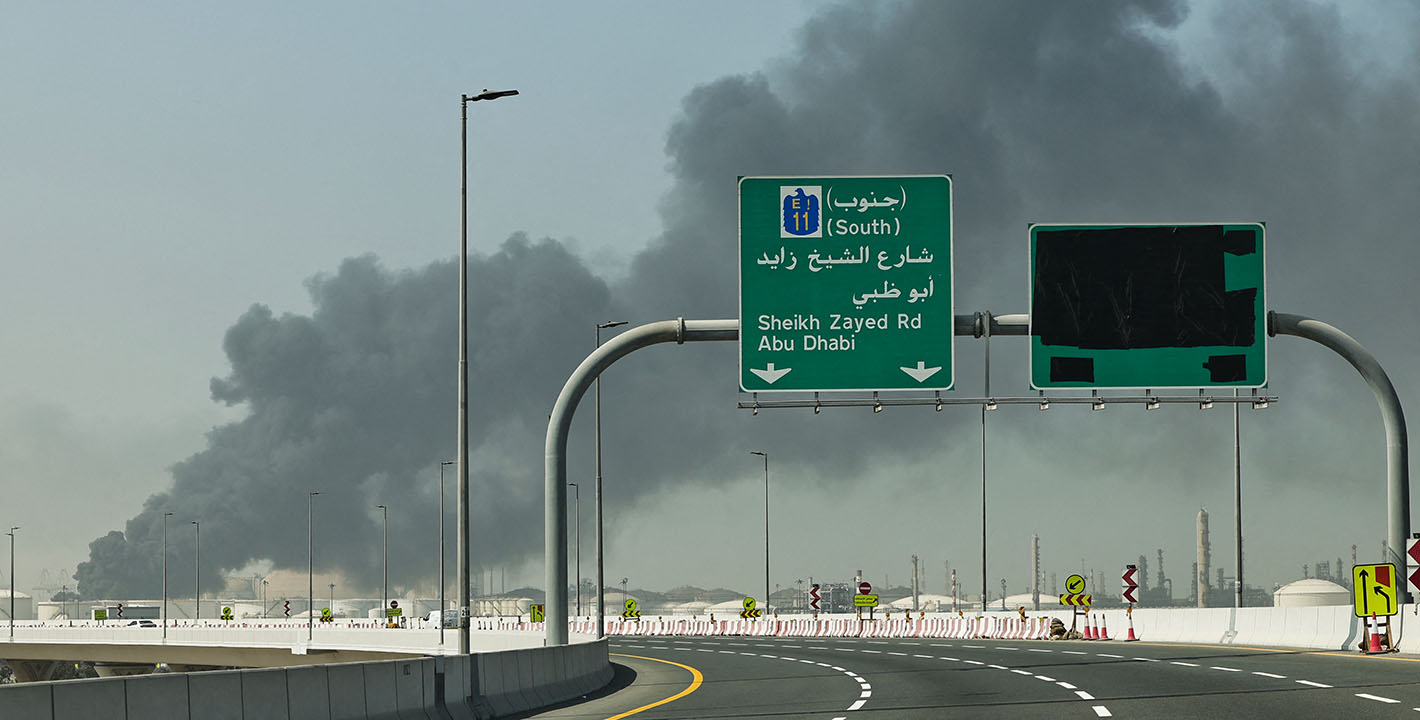
The countries in the region are managing the fallout from Iranian strikes in a paradoxical way.

Angie Omar
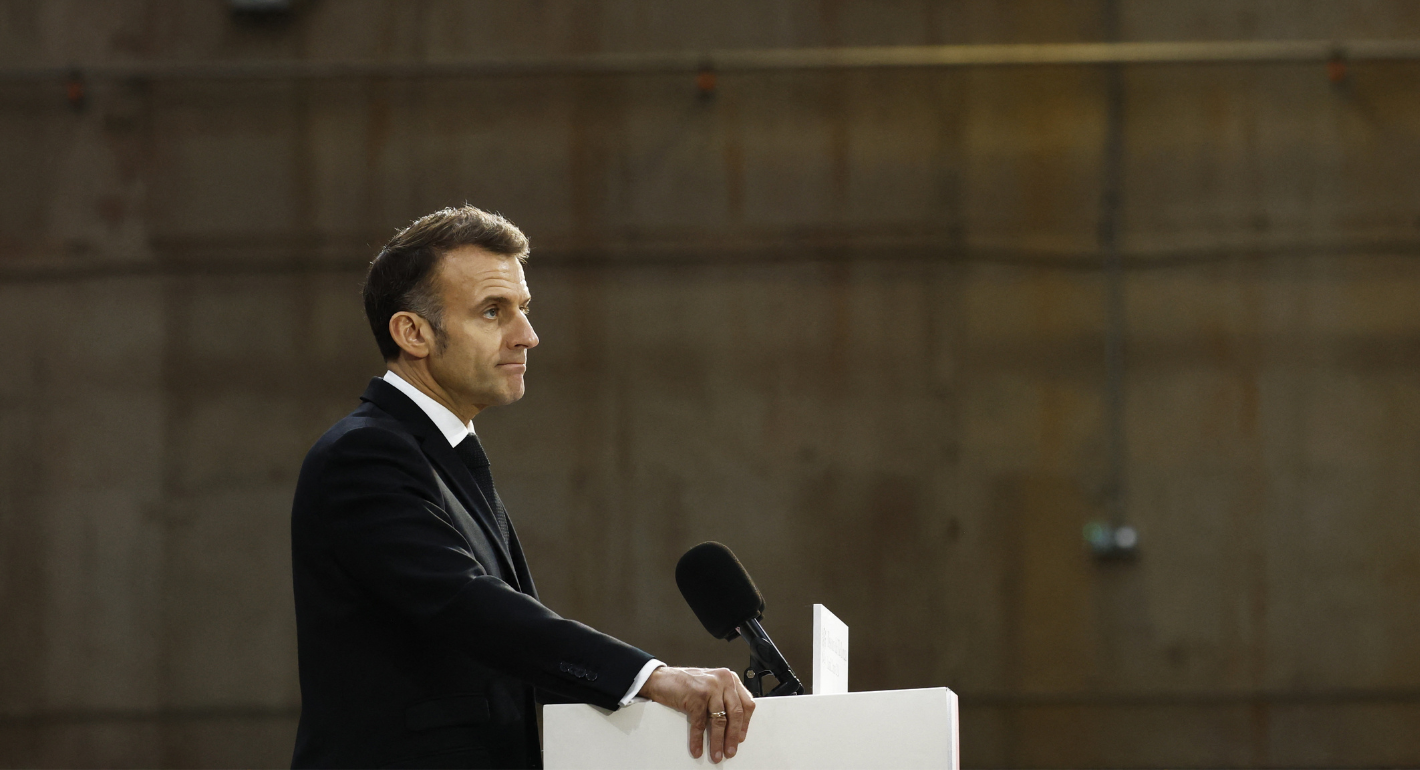
French President Emmanuel Macron has unveiled his country’s new nuclear doctrine. Are the changes he has made enough to reassure France’s European partners in the current geopolitical context?

Rym Momtaz, ed.
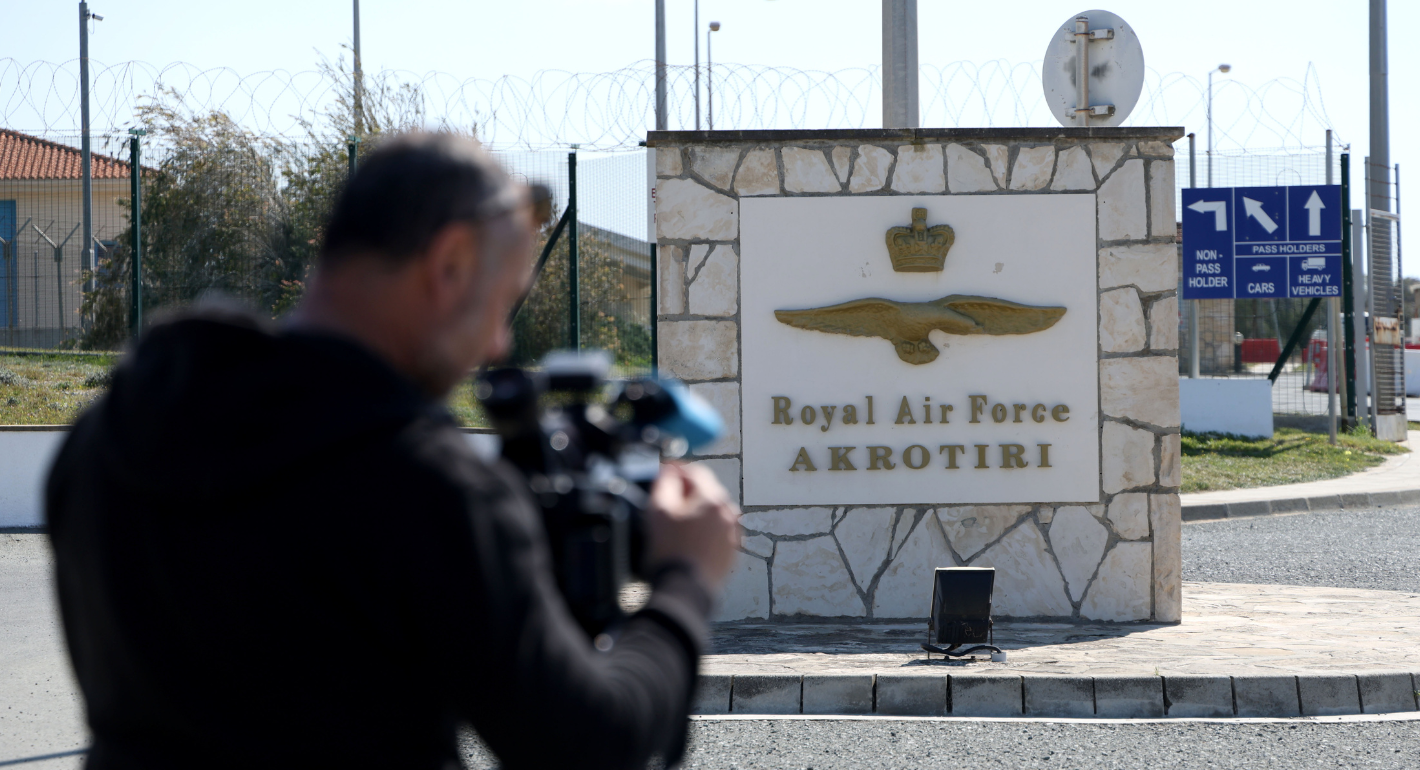
The drone strike on the British air base in Akrotiri brings Europe’s proximity to the conflict in Iran into sharp relief. In the fog of war, old tensions in the Eastern Mediterranean risk being reignited, and regional stakeholders must avoid escalation.

Marc Pierini

In an interview, Hassan Mneimneh discusses the ongoing conflict and the myriad miscalculations characterizing it.

Michael Young