

Q&A
- +1
Sheena Chestnut Greitens, Oriana Skylar Mastro, Yukon Huang, …
{
  "authors": [
    "Yukon Huang"
  ],
  "type": "legacyinthemedia",
  "centerAffiliationAll": "dc",
  "centers": [
    "Carnegie Endowment for International Peace"
  ],
  "collections": [],
  "englishNewsletterAll": "asia",
  "nonEnglishNewsletterAll": "",
  "primaryCenter": "Carnegie Endowment for International Peace",
  "programAffiliation": "AP",
  "programs": [
    "Asia"
  ],
  "projects": [],
  "regions": [
    "East Asia",
    "China"
  ],
  "topics": [
    "Economy"
  ]
}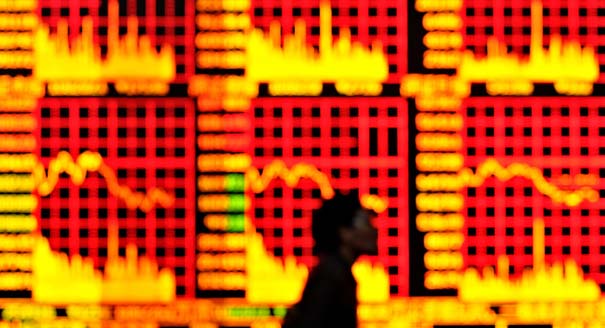
Source: Getty
Data suggests that the Chinese economy has stabilized in spite of a global economic slowdown, with increased investment and rising property values signalling a stable, though slower, growth.
Source: CCTV America
Speaking on a three-person panel discussion with CCTV America, Carnegie’s Yukon Huang discussed how China can move forward as its economy shows signs of stabilizing. The panel of experts agreed that recent data supports the view that China is rebounding despite facing global economic slowdown, with key indicators such as growing public investment and a small housing boom pointing to stabilization. In addressing how China can sustain stable growth amidst the global slowdown, Huang pointed to the importance of the Chinese government fostering domestic demand. Huang noted that the government is already involved in areas such as a new urbanization initiative, which will foster growth in housing and social service sectors, guiding the country’s economy to become more domestic and service-oriented. Additionally, Huang argued that China could benefit from a more open, liberal investment environment that provides domestic alternatives for investors, which could continue to help stabilize growth.

Senior Fellow, Asia Program
Huang is a senior fellow in the Carnegie Asia Program where his research focuses on China’s economy and its regional and global impact.
Recent Work


Sheena Chestnut Greitens, Oriana Skylar Mastro, Yukon Huang, …


Yukon Huang, Isaac B. Kardon, Matt Sheehan
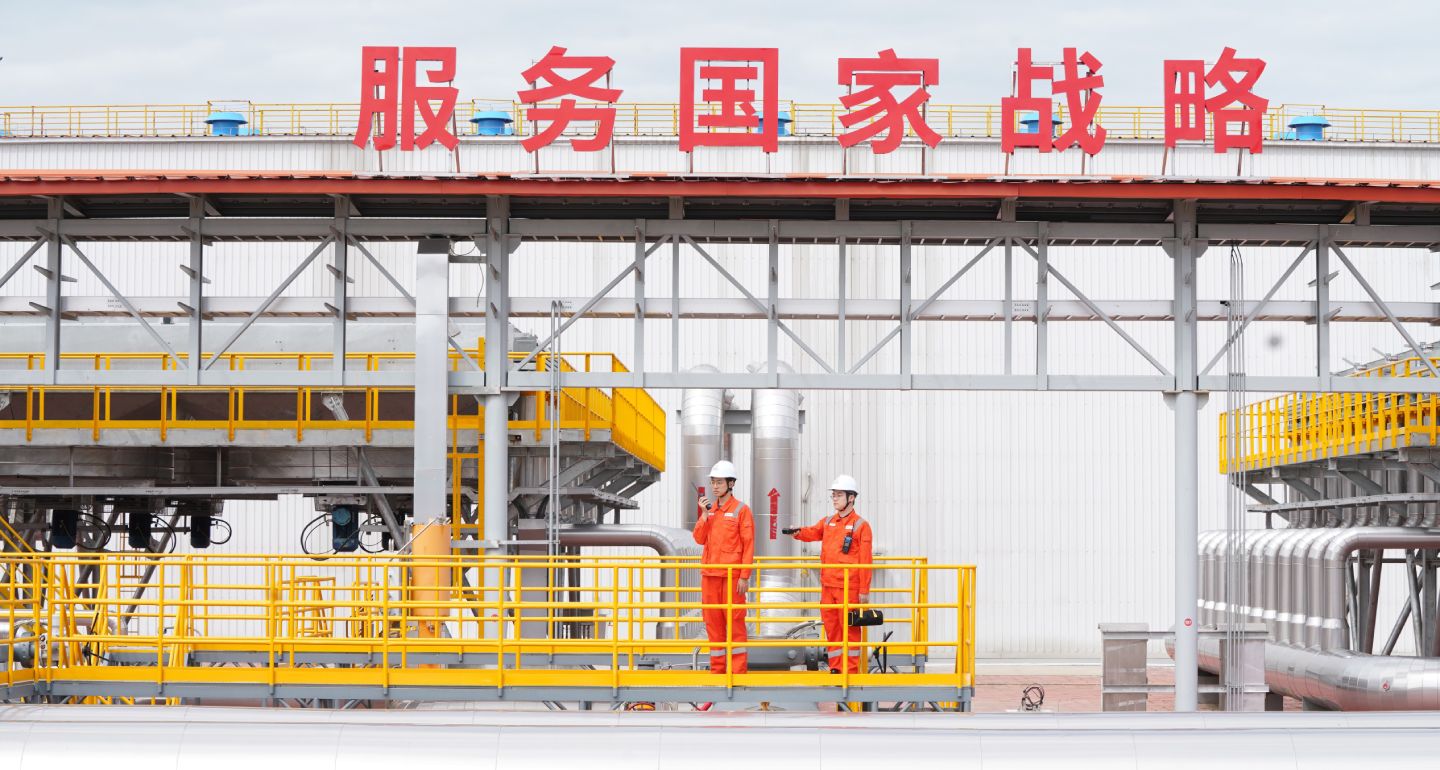
A leak of Russian gas price data helps establish that China is paying Russia far less than Central Asian countries and Gazprom’s former European customers.

Sergey Vakulenko

China’s political future will be shaped between now and next October. As the Communist Party enters its intense “campaign season” to prepare for a major political transition in 2027, reading Beijing's actions and responses may become more difficult as domestic politics weigh on its behavior more than usual.

Damien Ma

Rubio’s recent visit brought welcome attention, but more capital requires governance changes that may be a hard sell for regional governments.

Jennifer B. Murtazashvili

China has showcased its engineering prowess with small modular reactor demonstration projects. But turning these technological achievements into commercial success will be a greater challenge.

Tong Zhao

Despite public disputes over trade and immigration, the strategic partnership’s foundations remain sturdy.

Sameer Lalwani