

Paper
Renée DiResta, Rachel Kleinfeld, Margot Treadwell
{
  "authors": [
    "Rachel Kleinfeld"
  ],
  "type": "legacyinthemedia",
  "centerAffiliationAll": "dc",
  "centers": [
    "Carnegie Endowment for International Peace"
  ],
  "collections": [],
  "englishNewsletterAll": "democracy",
  "nonEnglishNewsletterAll": "",
  "primaryCenter": "Carnegie Endowment for International Peace",
  "programAffiliation": "DCG",
  "programs": [
    "Democracy, Conflict, and Governance"
  ],
  "projects": [],
  "regions": [
    "North America",
    "United States"
  ],
  "topics": [
    "Political Reform",
    "Democracy",
    "Security",
    "Military",
    "Foreign Policy"
  ]
}
Source: Getty
How will the military and intelligence bureaucracy deal with the new Commander-in-Chief?
Source: Background Briefing with Ian Masters
Speaking on Background Briefing with Ian Masters, Carnegie’s Rachel Kleinfeld explained that President-elect Trump seems not to share the opinions of most of the national security community on identifying American allies overseas. Radical and far-right leaders around the world favor a Trump presidency, believing his isolating approach to foreign policy will weaken the U.S. global position and the global positioning of traditional U.S. allies. President-elect Trump also brings with him an unprecidented number of conflicts of interests due to his vast personal business involvement in strategically sensitive countries, she added, concluding that people fighting for their rights or freedoms around the world may no longer be able to look to the United States for support.
This interview was oriinally broadcast on Background Briefing with Ian Masters.

Senior Fellow, Democracy, Conflict, and Governance Program
Rachel Kleinfeld is a senior fellow in Carnegie’s Democracy, Conflict, and Governance Program, where she focuses on issues of rule of law, security, and governance in democracies experiencing polarization, violence, and other governance problems.
Recent Work
Renée DiResta, Rachel Kleinfeld, Margot Treadwell
Political Violence Researchers, Rachel Kleinfeld, ed., Dalya Berkowitz, ed.
Carnegie does not take institutional positions on public policy issues; the views represented herein are those of the author(s) and do not necessarily reflect the views of Carnegie, its staff, or its trustees.

U.S. trading partners in Asia are closely watching the dispute for signs of how it may affect their own interests.

Barbara Weisel

The aftermath of the Ceuta crisis shows Europe has drawn the wrong lessons. Rather than doubling down on failed migration policies, the EU needs to address the underlying roots of such episodes.

Richard Youngs
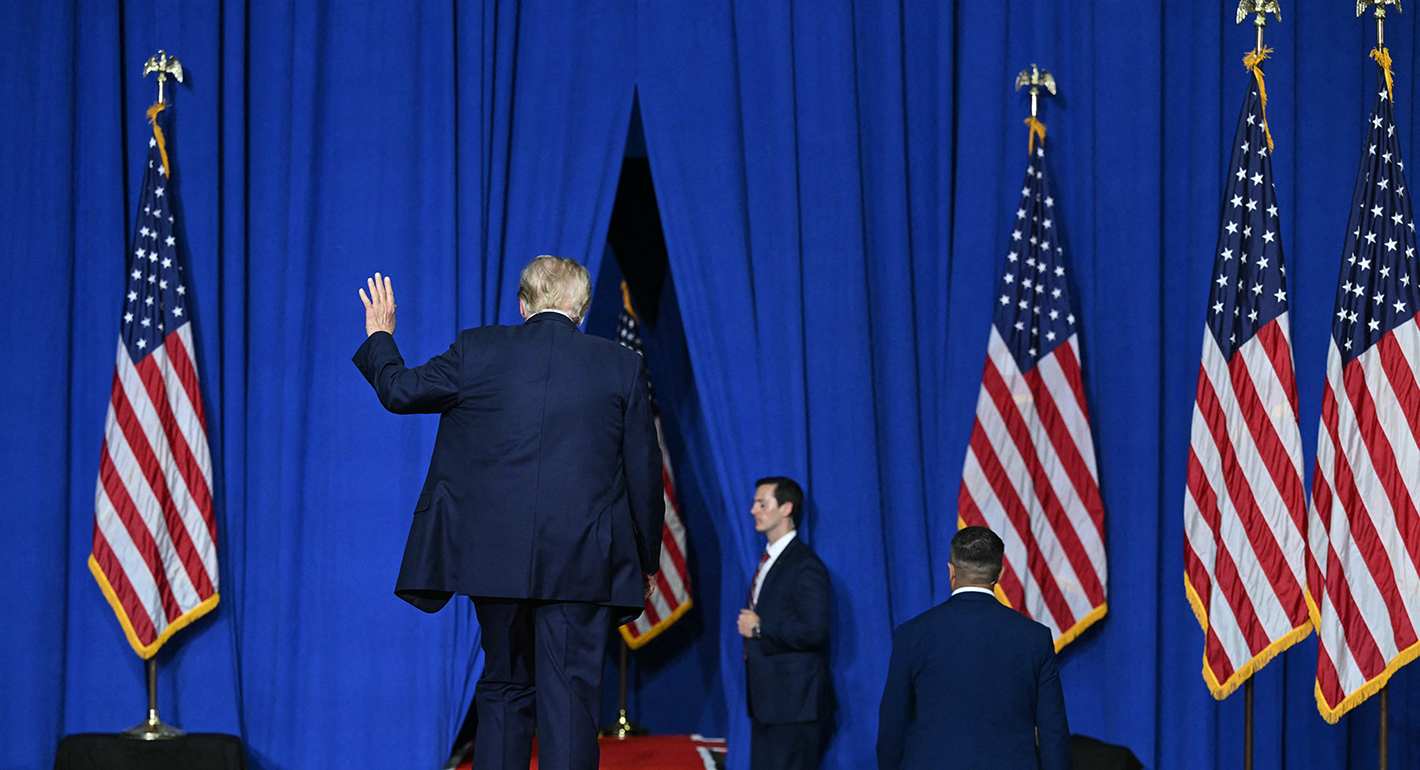
By abandoning past U.S. pro-democracy policies and adopting several lines of pro-autocratic action, the Trump administration has fundamentally repositioned the United States vis-à-vis democracy in the world.

Thomas Carothers
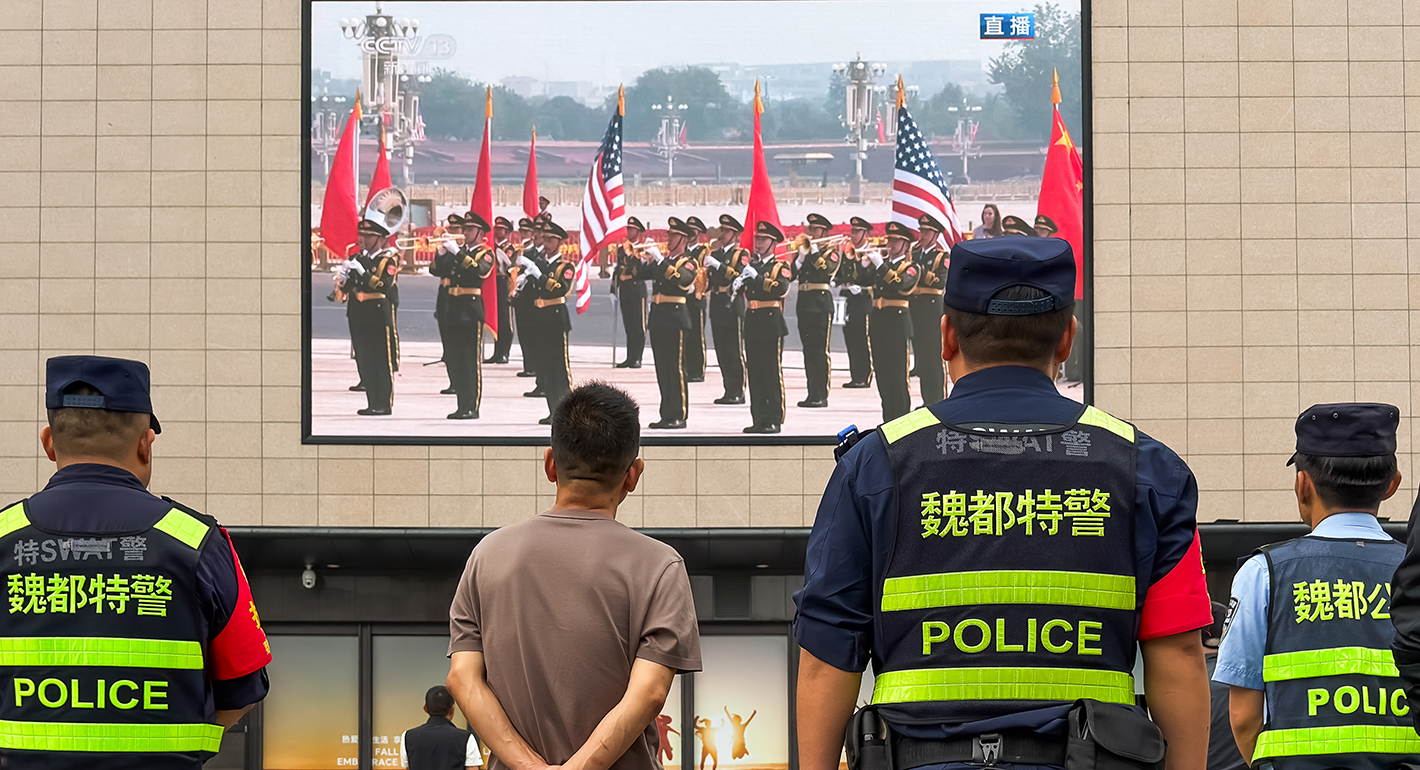
Chinese strategists are once again debating whether American power is declining and whether U.S. hegemony is experiencing irreversible decay.
Wu Xinbo

In the tenth year of his presidency, President Mirziyoyev’s system is becoming even more personalized than that of his predecessor Karimov.

Galiya Ibragimova