

Commentary
Aron Lund
{
  "authors": [
    "Aron Lund"
  ],
  "type": "legacyinthemedia",
  "centerAffiliationAll": "dc",
  "centers": [
    "Carnegie Endowment for International Peace",
    "Malcolm H. Kerr Carnegie Middle East Center"
  ],
  "collections": [
    "Arab Awakening"
  ],
  "englishNewsletterAll": "menaTransitions",
  "nonEnglishNewsletterAll": "",
  "primaryCenter": "Carnegie Endowment for International Peace",
  "programAffiliation": "MEP",
  "programs": [
    "Middle East"
  ],
  "projects": [],
  "regions": [
    "Middle East",
    "Syria",
    "Levant"
  ],
  "topics": [
    "Political Reform",
    "Democracy",
    "Security",
    "Military",
    "Foreign Policy"
  ]
}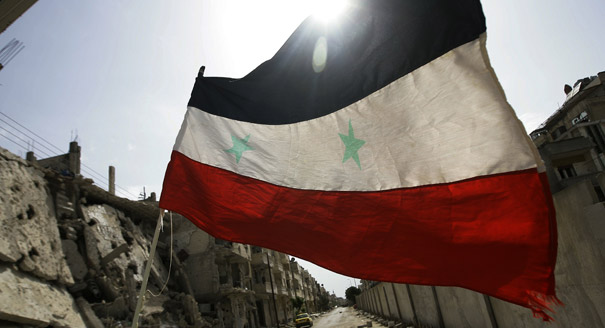
Source: Getty
The biggest developments in Syria in 2016.
Source: Century Foundation
Looking back at 2016, it is clear that the Syrian civil war is going President Bashar al-Assad’s way. His Damascus government has been boosted by the Russian military intervention that started in autumn 2015, a surge in Iranian support, the weakening of the Islamic State (ISIS, or IS) and of rival opposition forces trapped in a spiral of sectarian extremism and infighting.
A year ago, I published a fairly long and detailed list of what I felt were the most important events in 2015, with a view to their likely impact in 2016, at Joshua Landis’ Syria Comment blog (still worth reading in my view, and useful background to this commentary).
Back then, the conflict trend also seemed to be running in Assad’s favor, though there were exceptions like the continuing economic and institutional decay of the Syrian state. Huge uncertainties remained, particularly regarding the efficiency of the Russian intervention, the economic situation, and Assad’s ability to flexibly play politics and capitalize on his military gains. Some of those questions have since been resolved, mostly though not exclusively in Assad’s favor, but other uncertainties remain—and the Syrian war is proving very resistant to predictions.
With all that in mind, here is another list, in order from least to most important...
Former Nonresident Fellow, Middle East Program
Aron Lund was a nonresident fellow in the Middle East Program and the author of several reports and books on the Syrian opposition movement.
Recent Work
Aron Lund
Aron Lund
Carnegie does not take institutional positions on public policy issues; the views represented herein are those of the author(s) and do not necessarily reflect the views of Carnegie, its staff, or its trustees.
The Islamic Republic’s words and actions suggest that it has changed its approach to both diplomacy and war.
Mohammad Ayatollahi Tabaar
In an interview, Elizabeth Thompson recalls how the country formulated a liberal constitution in 1920, before being denied by France and Britain.

Michael Young
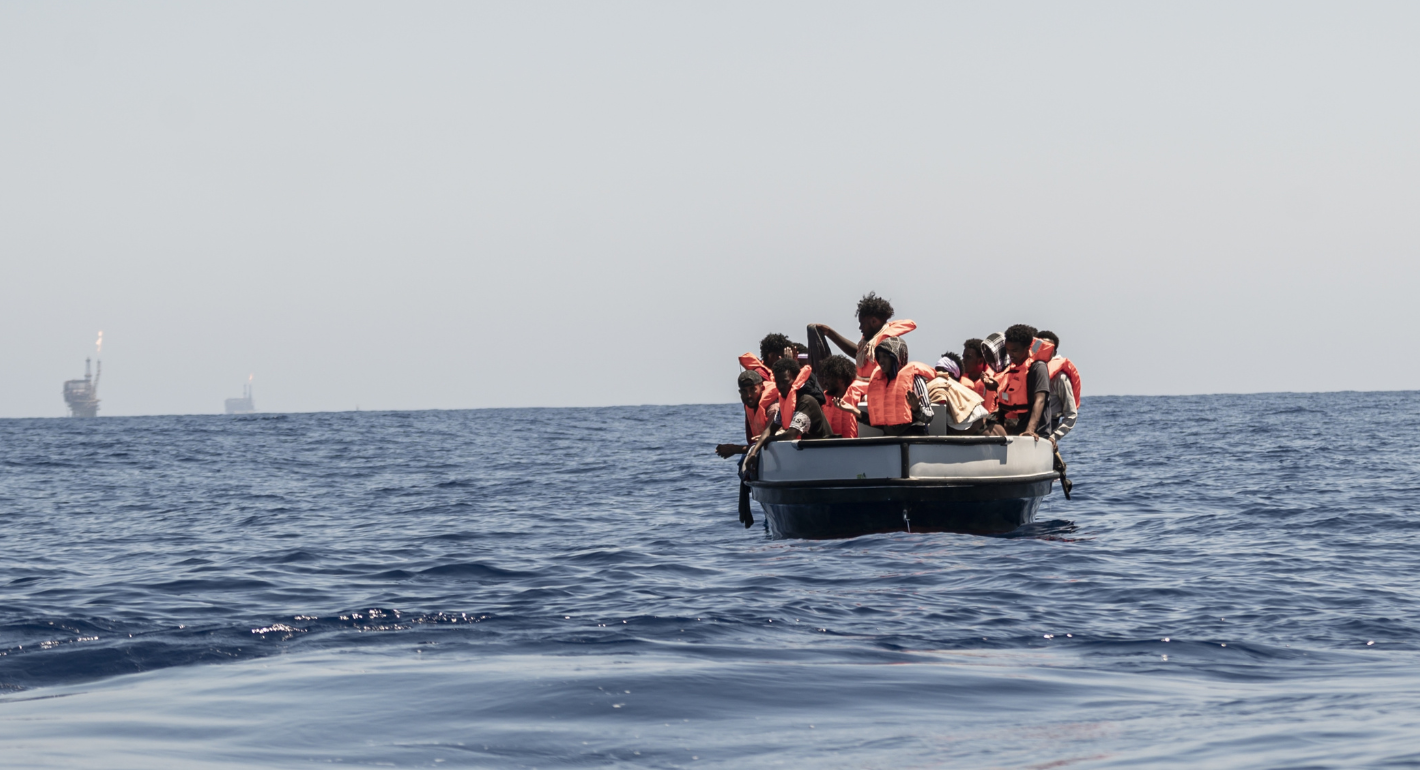
The EU’s new migration policy is not suited to today’s realities. With climate change increasingly becoming a driver of displacement, Europe needs to rethink its deterrence-focused approach.

Shana Tabak
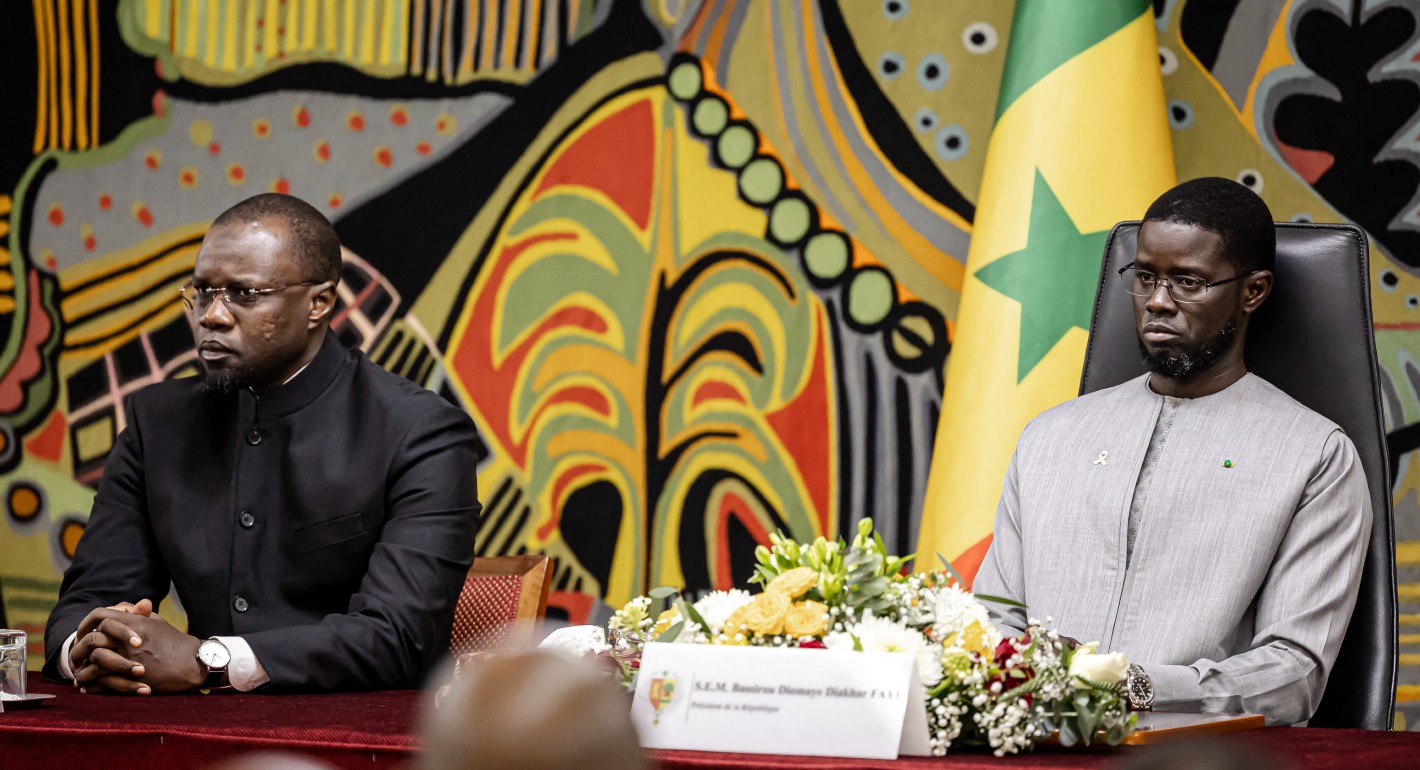
The impacts of the Faye-Sonko rupture could go well beyond the country’s borders.

Lesley Anne Warner
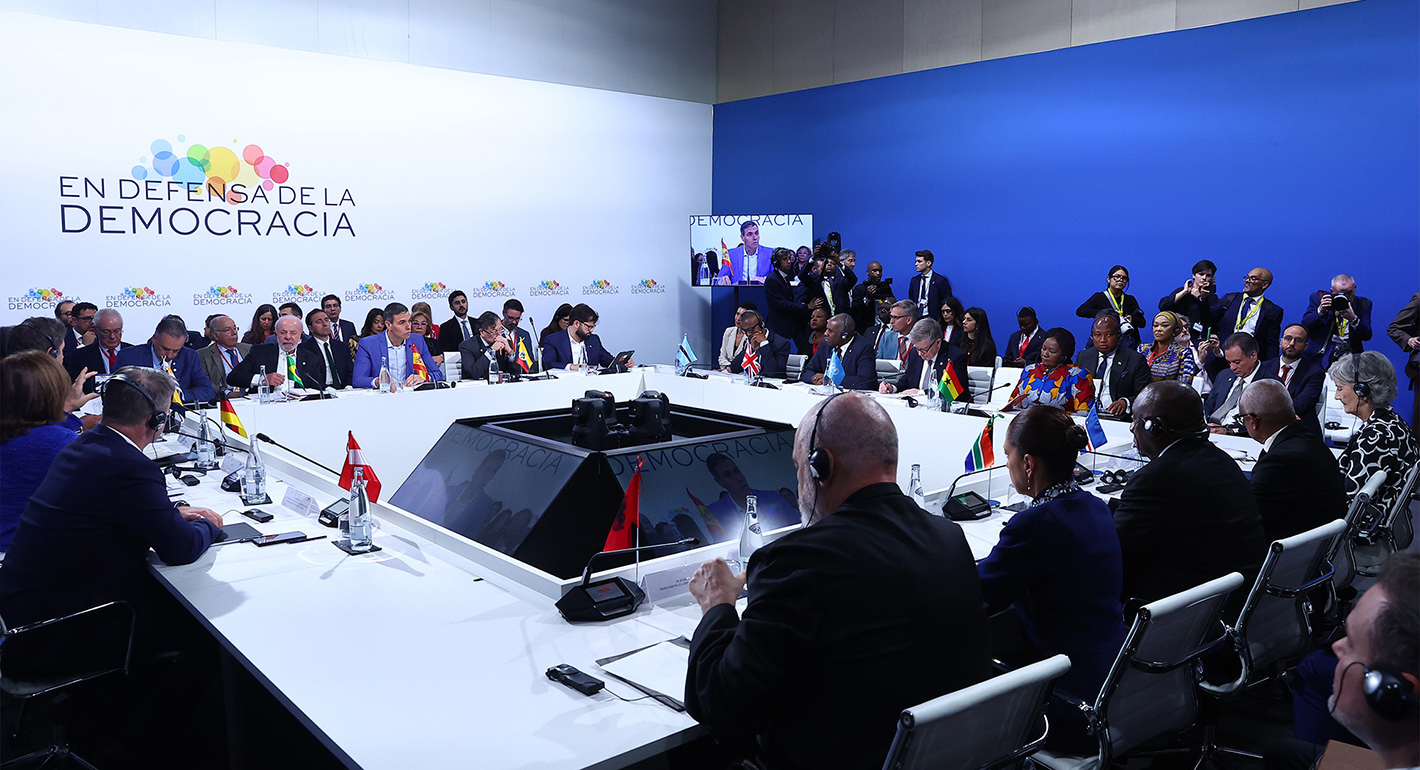
The reinvention of democracy support needs to be carried forward without the clear leadership of one dominant player.


Richard Youngs, Thomas Carothers