

Commentary
AI capabilities are moving fast. Most institutions—including governments—can’t keep up.
Anton Leicht, Scott Singer
{
  "authors": [
    "William J. Burns",
    "David Ignatius",
    "Kori Schake"
  ],
  "type": "legacyinthemedia",
  "centerAffiliationAll": "",
  "centers": [
    "Carnegie Endowment for International Peace",
    "Carnegie China"
  ],
  "collections": [],
  "englishNewsletterAll": "",
  "nonEnglishNewsletterAll": "",
  "primaryCenter": "Carnegie Endowment for International Peace",
  "programAffiliation": "",
  "programs": [],
  "projects": [],
  "regions": [
    "North America",
    "United States"
  ],
  "topics": [
    "Security",
    "Foreign Policy"
  ]
}
Source: Getty
While political transitions are always hard, the international landscape today is particularly unforgiving.
Source: NPR’s On Point
Carnegie’s William J. Burns joined NPR’s On Point’s Tom Ashbrook, the Washington Post’s David Ignatius, and the Hoover Institution’s Kori Schake for a discussion on national security in the Trump White House. Burns cautioned that while “transitions are always hard … but the international landscape today is particularly unforgiving.”

Former Carnegie President (2015-2021)
A former career diplomat, William J. Burns served as director of the CIA, deputy secretary of State, and ambassador to Russia and Jordan. Burns was also president of the Carnegie Endowment for International Peace from 2015 to 2021.
David Ignatius

Kori Schake
Senior Fellow and Director of Foreign and Defense Policy Studies, American Enterprise Institute (AEI)
Kori Schake leads the foreign and defense policy team at the American Enterprise Institute. She is the author of Safe Passage: the Transition from British to American Hegemony and a contributing writer at the Atlantic, War on the Rocks, and Bloomberg.
Carnegie does not take institutional positions on public policy issues; the views represented herein are those of the author(s) and do not necessarily reflect the views of Carnegie, its staff, or its trustees.

AI capabilities are moving fast. Most institutions—including governments—can’t keep up.


Anton Leicht, Scott Singer

The Bureau of Industry and Security needs to adjust its focus and practices to maintain its position as the U.S. government’s primary champion of international technological competition.

Geoffrey Irving
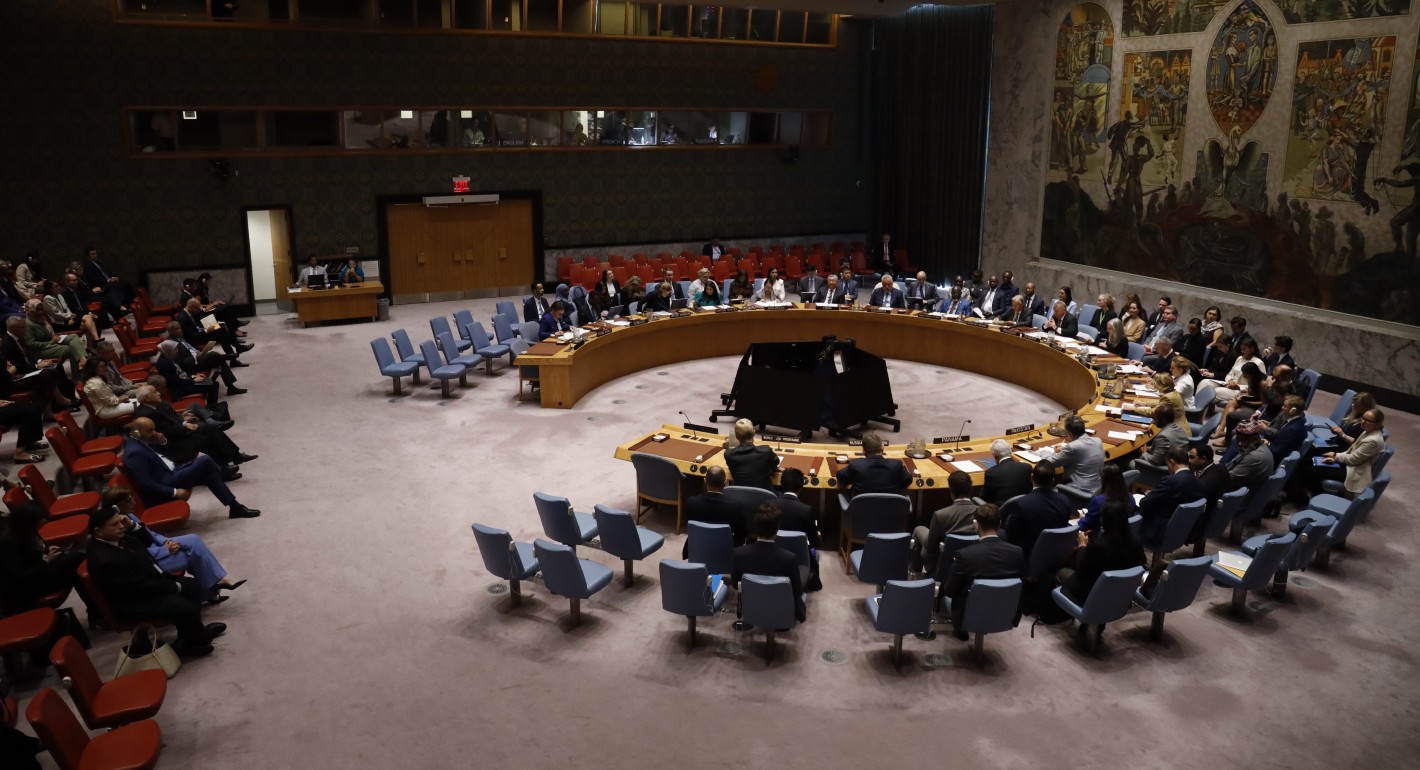
They face an uphill climb, but they could draw on a strategy that other diplomats have used in the past.


Shana Tabak, Alejandro Martin Rodriguez

European Commission President Ursula von der Leyen is about to give her annual address on the state of the EU. Here’s what she won’t—but should—say.

Rym Momtaz

Understanding the climatic pain points is necessary for policymakers hoping to minimize the war’s negative environmental consequences.


Alejandro Martin Rodriguez, Joy Arkeh, Sarah Yerkes