• Research
  • Emissary
  • About
  • Experts
Carnegie Global logoCarnegie lettermark logo
DemocracyIran
  • Donate
{
  "authors": [
    "James M. Acton"
  ],
  "type": "legacyinthemedia",
  "centerAffiliationAll": "dc",
  "centers": [
    "Carnegie Endowment for International Peace"
  ],
  "collections": [],
  "englishNewsletterAll": "ctw",
  "nonEnglishNewsletterAll": "",
  "primaryCenter": "Carnegie Endowment for International Peace",
  "programAffiliation": "NPP",
  "programs": [
    "Nuclear Policy"
  ],
  "projects": [],
  "regions": [],
  "topics": [
    "Nuclear Policy"
  ]
}
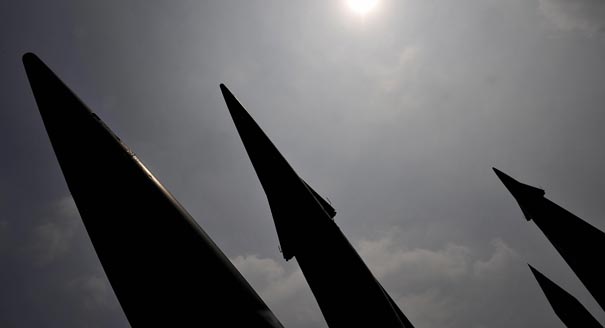
Source: Getty

In The Media

Spooks and Nukes: An Interview with Dr. James Acton

How can the use of intelligence deter the threat of nuclear confrontation?

Link Copied
By James M. Acton
Published on Feb 14, 2017
Program mobile hero image

Program

Nuclear Policy

The Nuclear Policy Program aims to reduce the risk of nuclear war. Our experts diagnose acute risks stemming from technical and geopolitical developments, generate pragmatic solutions, and use our global network to advance risk-reduction policies. Our work covers deterrence, disarmament, arms control, nonproliferation, and nuclear energy.

Learn More

Source: SpyCast

James Acton discusses international efforts to stem the spread of nuclear weapons, the contribution of intelligence, the influence of the International Atomic Energy Agency and the role of of the NPT.

Listen to the full interview here.

About the Author

James M. Acton

Jessica T. Mathews Chair, Co-director, Nuclear Policy Program

Acton holds the Jessica T. Mathews Chair and is co-director of the Nuclear Policy Program at the Carnegie Endowment for International Peace.

    Recent Work

  • Paper
    Nuclear Weapons and the Future of American Power

      James M. Acton, Ankit Panda

  • Commentary
    The Latest Iran Deal Ignores the Lessons of the Past

      James M. Acton

James M. Acton
Jessica T. Mathews Chair, Co-director, Nuclear Policy Program
James M. Acton
Nuclear Policy

Carnegie does not take institutional positions on public policy issues; the views represented herein are those of the author(s) and do not necessarily reflect the views of Carnegie, its staff, or its trustees.

More Work from Carnegie Endowment for International Peace

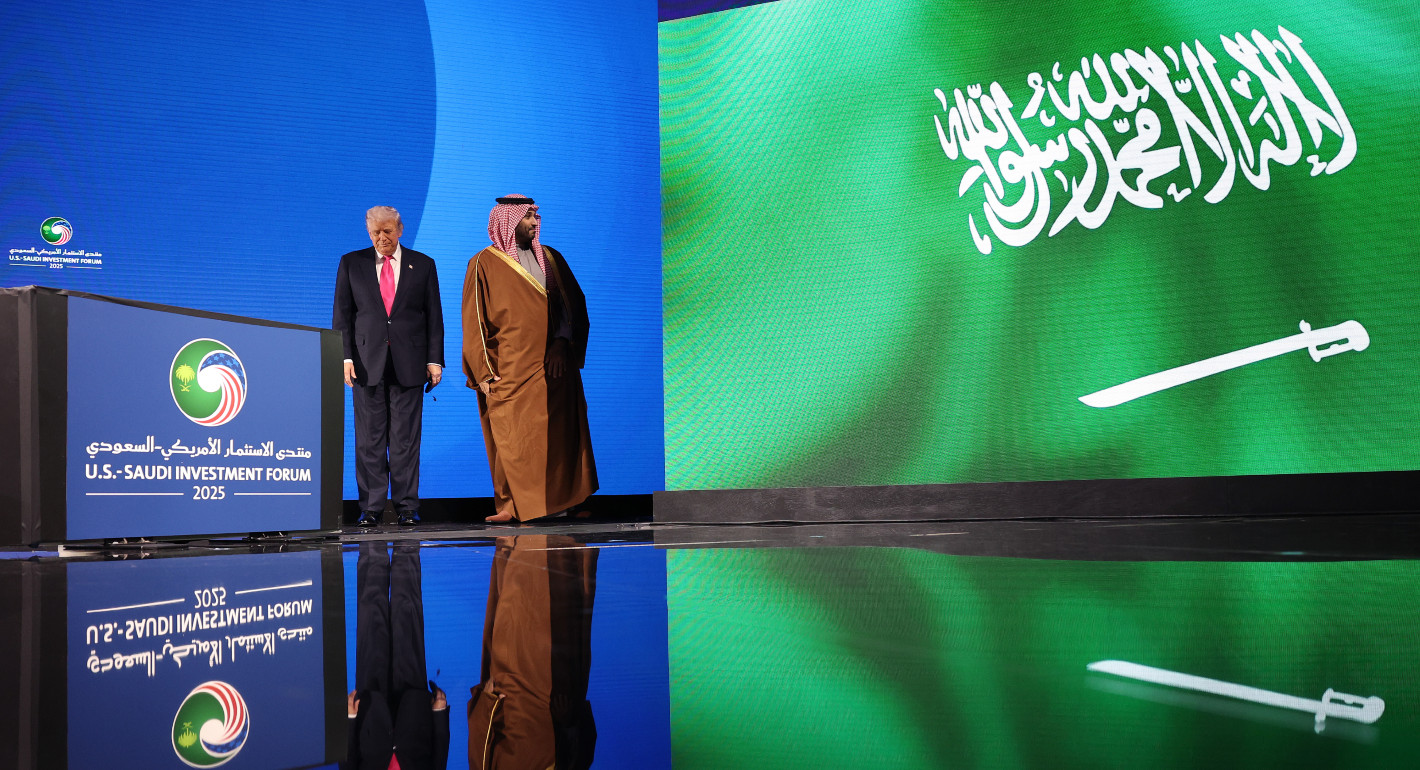
  • Trump and MBS walking through a doorway
    Commentary
    Emissary
    What We Know About the U.S.-Saudi Nuclear Deal

    Despite the agreement’s uncertainty, it’s still a significant development in regional and nuclear policy.

      • Andrew Leber
      • Jane Darby Menton

      Andrew Leber, Jane Darby Menton

  • Iranian President Mahmoud Ahmadinejad (C) visits the Natanz uranium enrichment facilities April 8, 2008
    Paper
    Demystifying the Nuclear Threshold

    The nuclear weapons threshold is increasingly important for proliferation strategy and policy. Policymakers should better understand the implications of the threshold phenomenon in the current international security environment and plausible strategies to deal with the growing challenge that it presents.

      Ariel (Eli) Levite, Toby Dalton

  • 1990s USS Pennsylvania United States Navy Nuclear Powered Ohio-Class Ballistic Missile Submarine Cruising On Ocean Surface
    Paper
    Nuclear Weapons and the Future of American Power

    It seems likely that, no matter what, the power of the U.S. nuclear arsenal will face erosion, not least in the credibility of its commitments to defend allies and the political durability of those alliances.

      James M. Acton, Ankit Panda

  • Commentary
    President Lee Jae Myung: A Year in Power

    President Lee marked his first year in office after one of the most tumultuous periods in South Korean politics. Though Lee has enjoyed a high approval rating, a large majority in the National Assembly, and foreign policy victories, Lee and his party’s political fortunes depend on generating economic growth, learning the right lessons from the recent local elections, and managing contentious factional strife within his political base.

      Chung Min Lee

  • Three people standing outside a fancy building
    Commentary
    Emissary
    The Latest Iran Deal Ignores the Lessons of the Past

    By burying disagreements in imprecision, the new deal risks same fate as its predecessors.

      James M. Acton

Get more news and analysis from
Carnegie Endowment for International Peace
Carnegie global logo, stacked
1779 Massachusetts Avenue NWWashington, DC, 20036-2103Phone: 202 483 7600
  • Research
  • Emissary
  • About
  • Experts
  • Donate
  • Programs
  • Events
  • Blogs
  • Podcasts
  • Contact
  • Annual Reports
  • Careers
  • Privacy
  • For Media
  • Government Resources
Get more news and analysis from
Carnegie Endowment for International Peace
© 2026 Carnegie Endowment for International Peace. All rights reserved.