

Report
- +2
George Perkovich, Jessica Tuchman Mathews, Joseph Cirincione, …
{
  "authors": [
    "Jon Wolfsthal"
  ],
  "type": "legacyinthemedia",
  "centerAffiliationAll": "dc",
  "centers": [
    "Carnegie Endowment for International Peace"
  ],
  "collections": [
    "Korean Peninsula"
  ],
  "englishNewsletterAll": "ctw",
  "nonEnglishNewsletterAll": "",
  "primaryCenter": "Carnegie Endowment for International Peace",
  "programAffiliation": "NPP",
  "programs": [
    "Nuclear Policy"
  ],
  "projects": [],
  "regions": [
    "East Asia",
    "North Korea"
  ],
  "topics": [
    "Nuclear Policy",
    "Arms Control"
  ]
}
Source: Getty
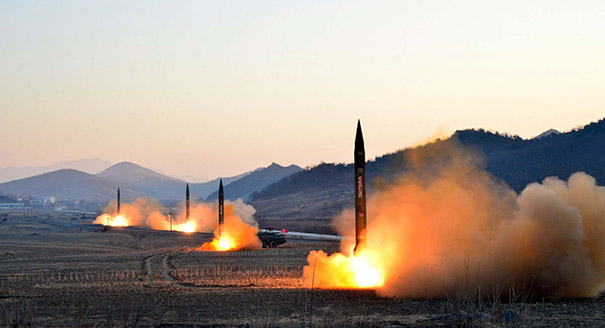
As North Korea makes steady progress in its nuclear program, the United States must continue to strive for stability in the Korean peninsula.
Source: WBUR
President Trump says the U.S. nuclear capabilities are “more powerful than ever before.” Today, he tweeted that his “first order as president was to renovate and modernize our nuclear arsenal” adding “hopefully we will never have to use this power.”
Carnegie Scholar Jon Wolfsthal encouraged both the Trump administration and North Korea to "take a deep breath," and underscored the importance of de-escalating fiery rhetoric for the purposes of maintaining regional stability in the Korea peninsula. The U.S. must reassure allies and establish a firm deterrent policy towards North Korea while simultaneously coaxing them back to the negotiating table, Wolfsthal says.
This interview originally aired on WBUR

Former Nonresident Scholar, Nuclear Policy Program
Jon Wolfsthal was a nonresident scholar with the Nuclear Policy Program.
Recent Work



George Perkovich, Jessica Tuchman Mathews, Joseph Cirincione, …
Jon Wolfsthal
Carnegie does not take institutional positions on public policy issues; the views represented herein are those of the author(s) and do not necessarily reflect the views of Carnegie, its staff, or its trustees.
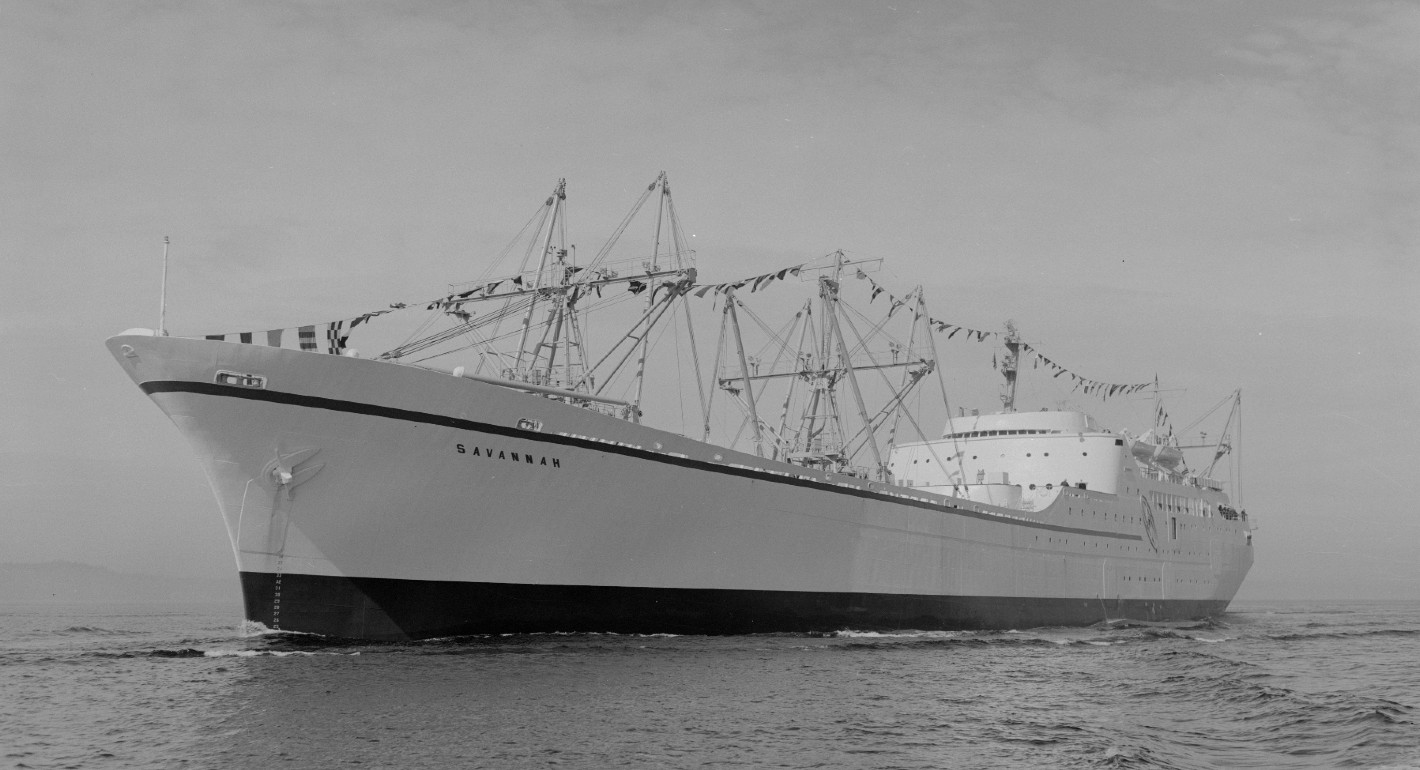
Nuclear and maritime communities face a long and challenging journey to deploy commercial nuclear applications at sea.


Jamie Kwong, Toby Dalton
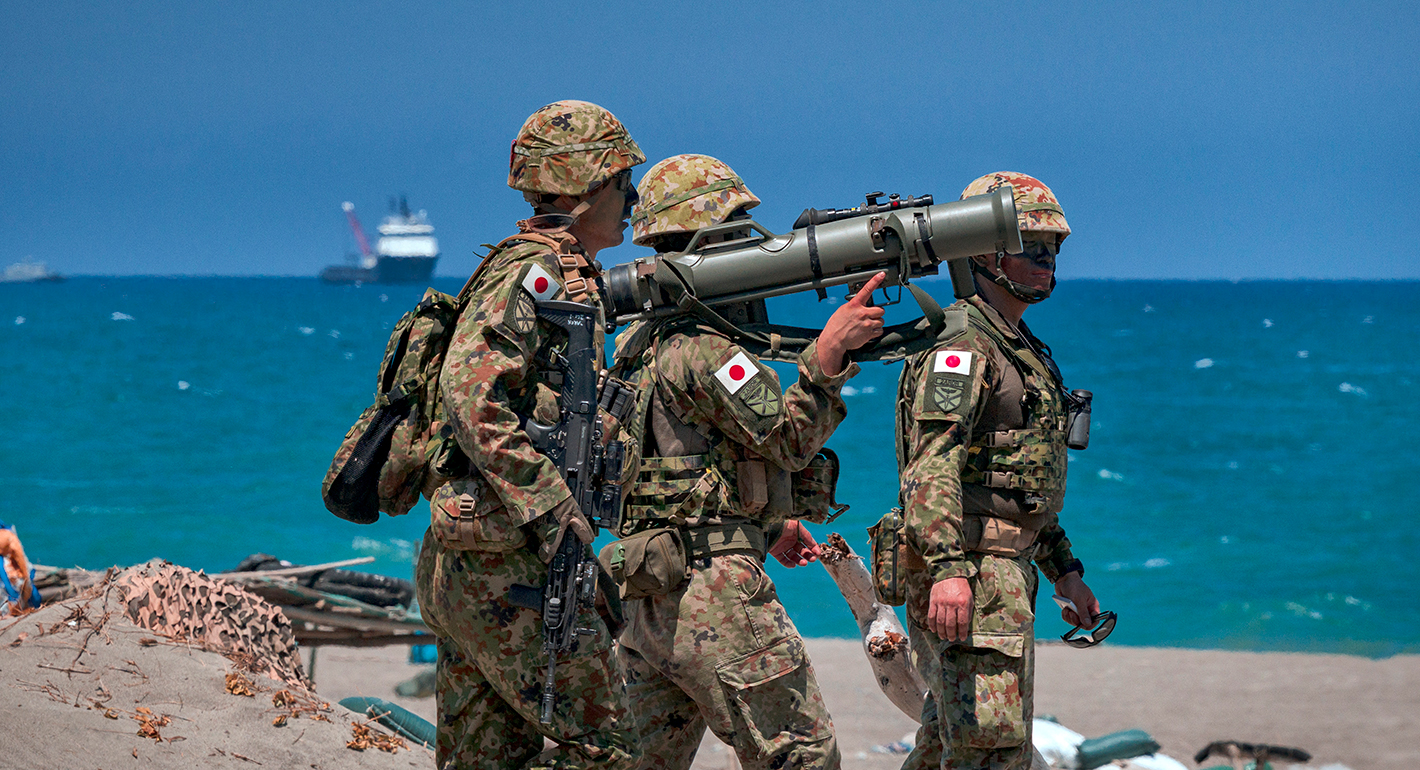
Japan’s revision of its three strategic documents reflects an intention to keep the United States engaged in the region while Japan fills any vacuums of U.S. power to preserve the Indo-Pacific order.
Ryo Sahashi

Chinese biotech companies have been on the receiving end of U.S. economic coercion. Yet their responses have differed significantly because firm and state interests are not uniformly aligned. For Washington, treating all Chinese tech firms the same, irrespective of their actual interests, risks pushing them farther into Beijing’s corner.

Xue Gong

A look at how public opinion influences the credibility of coercive nuclear threats,and how it enables and constrains strategies of nuclear coercion.

Lauren Sukin, Samuel Seitz
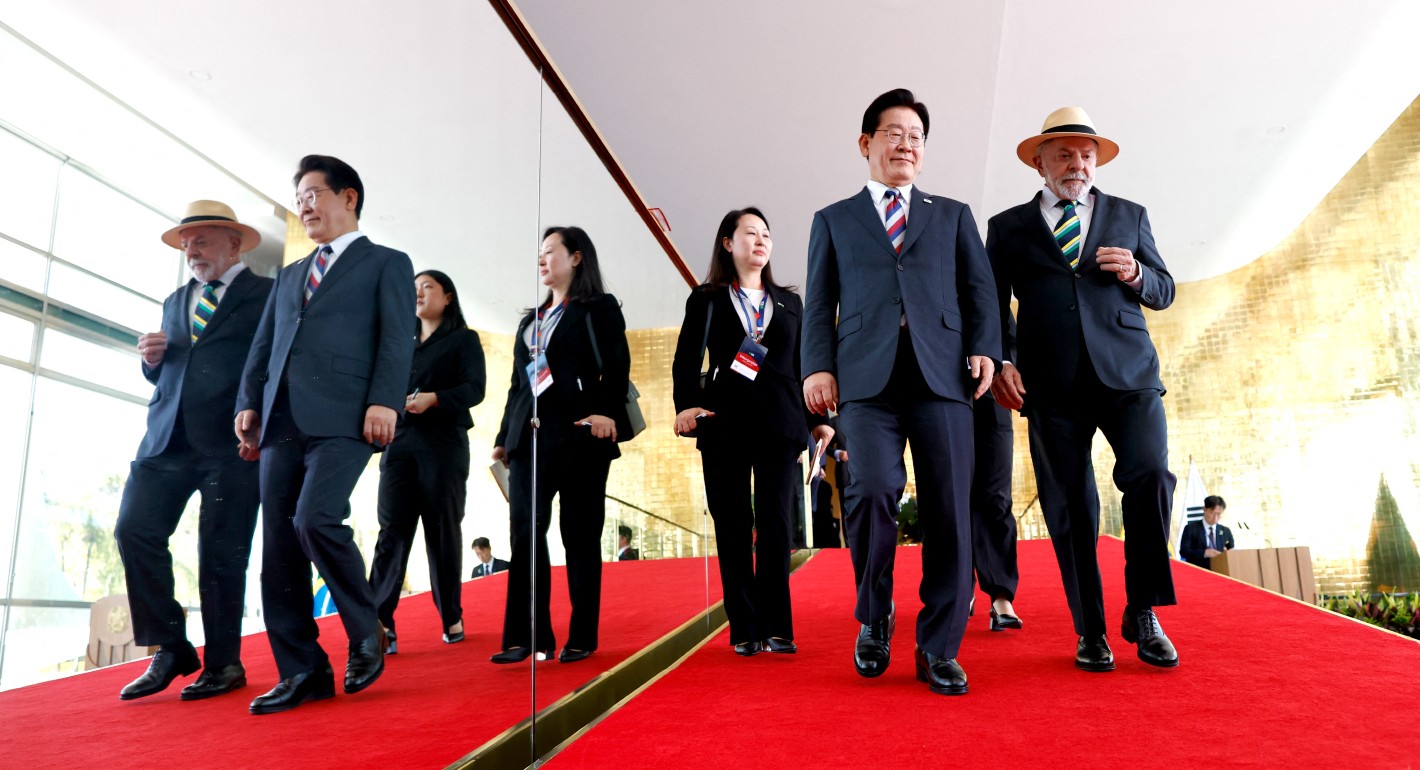
Lee’s tour shows how Seoul is reorganizing its diplomacy away from Pyongyang and toward industrial networks and the geography of the compute economy.

Darcie Draudt-Véjares