

Commentary
Even if the Iran war stops, restarting production and transport for fertilizers and their components could take weeks—at a crucial moment for planting.
Noah Gordon, Lucy Corthell
{
  "authors": [
    "Irina Busygina"
  ],
  "type": "commentary",
  "centerAffiliationAll": "",
  "centers": [
    "Carnegie Endowment for International Peace",
    "Carnegie Russia Eurasia Center"
  ],
  "collections": [],
  "englishNewsletterAll": "",
  "nonEnglishNewsletterAll": "",
  "primaryCenter": "Carnegie Russia Eurasia Center",
  "programAffiliation": "",
  "programs": [],
  "projects": [],
  "regions": [],
  "topics": [
    "Economy"
  ]
}
Source: Getty
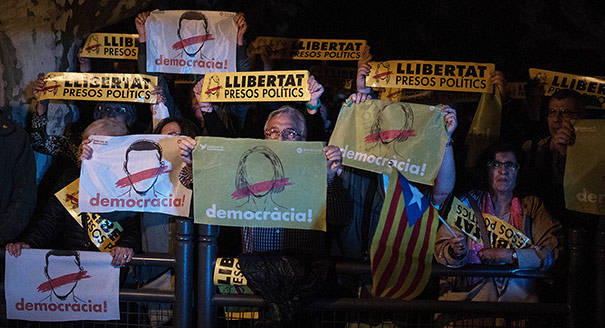
Russians are surprisingly interested in the developments in Catalonia. Oddly enough, the running theme here is related to democracy. “Incompetent” democracy results in instability, so Russians take pity on the Spaniards and Catalonians: they no longer have the kind of stability that Russians do. The price of stability, however, is not up for discussion. Among other things, this approach contributes to sustaining the negative trend in relations between Russia and the EU.
Russian society has been surprisingly concerned about the fate of Catalonia and Spain following the independence referendum held in Catalonia on October 1, 2017. Spain’s central government repeatedly warned Catalonia’s regional elites that the planned referendum was unconstitutional, actively obstructed the referendum, and does not recognize its results. Nevertheless, on October 27, the Catalan parliament voted to declare independence from Spain. Madrid responded by dismissing the regional government. A solution to the conflict has yet to be found; in the meantime, the conflict is escalating. And unlikely though it may sound, it seems like Russia cares more about what’s going on in Spain than the EU does.
One might wonder why Russians care about developments in Catalonia, other than the few who regularly vacation in the region or have business there. And yet Russians do care. It’s interesting that while the Russian government’s response has been very cautious, based on a position of respect for territorial integrity, Russian society—above all the media and bloggers—is far more agitated. The image of a brave minority fighting the tyranny of the majority is close to heart for many, not just in Spain. Browsing Russian blogs reveals that the Catalan pro-independence activists have many sympathizers in Russia.
Several arguments are popular. The first one, predictably, is that what’s bad for the EU is good for Russia. The general idea of this argument is very far-reaching: Barcelona’s success could have a domino effect, resulting in the collapse of national and supranational communities of Western civilization.
Less globally, the position is as follows: let the EU splinter into lots of different players, and this will be advantageous for Russia. If the EU becomes more fragmented, then perhaps one or more of its members will be more sympathetic toward Russia and will vote against the Russia sanctions. Furthermore, the situation in Catalonia could be a turning point after which the world will have a different view of other contended territories close to Russia’s heart such as Crimea, Abkhazia, South Ossetia, Transdniestria, and the Donbas.
Second, there exists a camp of supporters of direct democracy who believe in defending the interests of minorities at any price, even the price of trampling universal institutions. In this narrative, the courageous Catalonians weren’t afraid to follow their hearts when they voted, and the Spanish security services came down on them like a ton of bricks. It’s not just Russians in this camp, but the camp’s Russian contingent only discusses the value and authenticity of direct democracy abroad, not on the territory of its own country.
The final popular and very predictable argument is: “this is the democracy that the West tried to impose on us.” This is a criticism of the central government of Spain and, more precisely, of the repressions carried out by its representatives: the use of physical violence against the people. Essentially, the idea is that the Spanish democracy can’t manage its regions, that it can neither keep them under control nor reach compromises with them. This explains the heightened aggressiveness.
This argument insists that Russian security structures are far more humane, as is our version of democracy. Our democracy does not generate major conflicts, and it no longer generates political protests. We have the most important thing—stability—and that is the main achievement.
Naturally, this is a ruse, and a crude one at that. No political system is immune to conflicts, whether a democracy or an autocracy. Likewise, coercive measures are used by all kinds of regimes. The important differences between democracies and quasi-democracies are their sources of stability and their incentives for development. Furthermore, we know that there are major distinctions among different democratic regimes and that, yes, the actions of democratic governments aren’t always effective and rational. But the general public isn’t very interested in these details, even if they are crucial, particularly when they have some real-life examples right in front of them for comparing how things are in Russia and elsewhere.
Relations between Russia and the EU—political relations, at the very least—are on ice. Russia-EU summits haven’t been held since 2014. In the current situation, it would be foolish to expect a sudden improvement of the negative dynamics of recent years. Furthermore, it is obvious that the crisis in Catalonia is not a development of the kind of scale that could fundamentally change the dynamics of relations between the two largest players in Europe. It cannot result in fundamental changes, and yet the standoff between Madrid and Barcelona is doubtlessly having a certain impact on the relationship.
Formally, Moscow said back in late September 2017 that it viewed Catalonia’s attempts to win independence as exclusively Spain’s domestic matter, and that the Russian government had no intention of getting involved in the situation. Spanish Ambassador to Russia Ignacio Ibáñez responded that Russia’s position on the Catalan issue was “impeccable,” thanked Moscow for understanding the situation, and noted that the Spanish authorities did not find evidence to support rumors that Russia was behind the referendum in Catalonia.
It is notable that although the developments in Catalonia are bad news for the EU, Brussels holds exactly the same position as Russia: that the independence bid is a domestic issue for Spain. No matter how much self-exiled Catalan leader Carles Puigdemont appeals to the EU to act as an intermediary in talks with Madrid, Brussels maintains the position that it expressed immediately after the referendum: the situation in Catalonia is an internal matter that Spain must resolve on its own.
European Parliament President Antonio Tajani unambiguously voiced the position of EU member states on the issue, asserting that no country in Europe would recognize Catalonia’s independence. Among other things, this means that Catalonia would have no chance of joining the EU, since to join it would need unanimous recognition and acceptance by all EU member countries.
Russian Foreign Ministry spokeswoman Maria Zakharova wrote on Facebook: “I am watching and reading about what’s going on in Catalonia. And after this, Europe will lecture us on the referendum in Crimea and protecting human rights? All these European summits that extend sanctions against Russia: after the developments in Spain and the EU’s reaction to them, they will look like Bruegel the Elder’s The Blind Leading the Blind.”
The crisis in Catalonia is therefore becoming yet another item on a very long list of “evidence” of the EU’s incompetence, weakness, and impending demise. In this case, there are two perceived signs of incompetence: the events in the EU, and the EU’s “failure to act.” Naturally, this interpretation of developments in Catalonia does not have a decisive impact on the overall state of relations between Russia and the EU, but it does impart a certain irreversibility to the current dynamics of these relations, and contributes to sustaining the negative trend in relations.
Oddly enough, the running theme here is also related to democracy. “Incompetent” democracy results in instability, so Russians can take pity on the Catalonians (and on the Spaniards): they no longer have the kind of stability that Russians do. The price of stability, however, is not up for discussion.

Irina Busygina
Carnegie does not take institutional positions on public policy issues; the views represented herein are those of the author(s) and do not necessarily reflect the views of Carnegie, its staff, or its trustees.
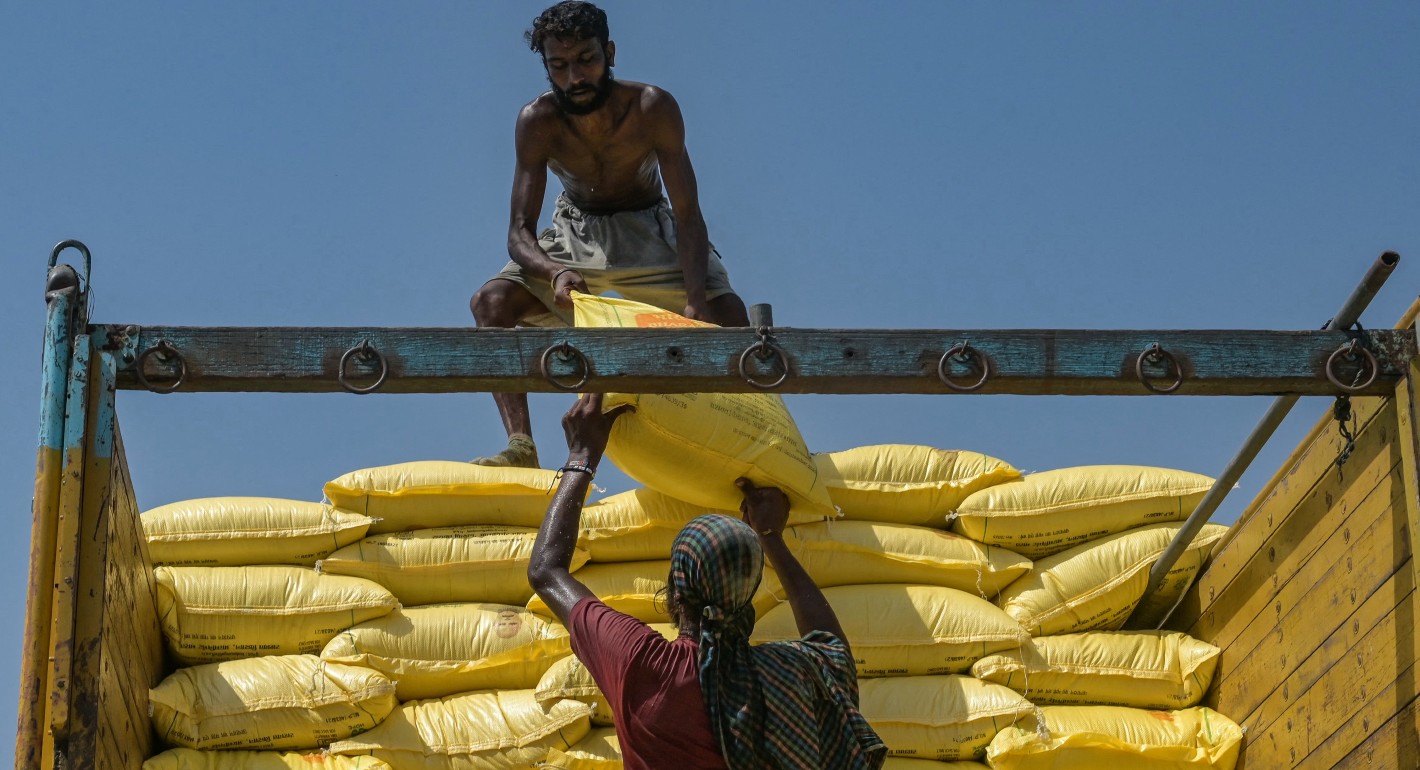
Even if the Iran war stops, restarting production and transport for fertilizers and their components could take weeks—at a crucial moment for planting.

Noah Gordon, Lucy Corthell
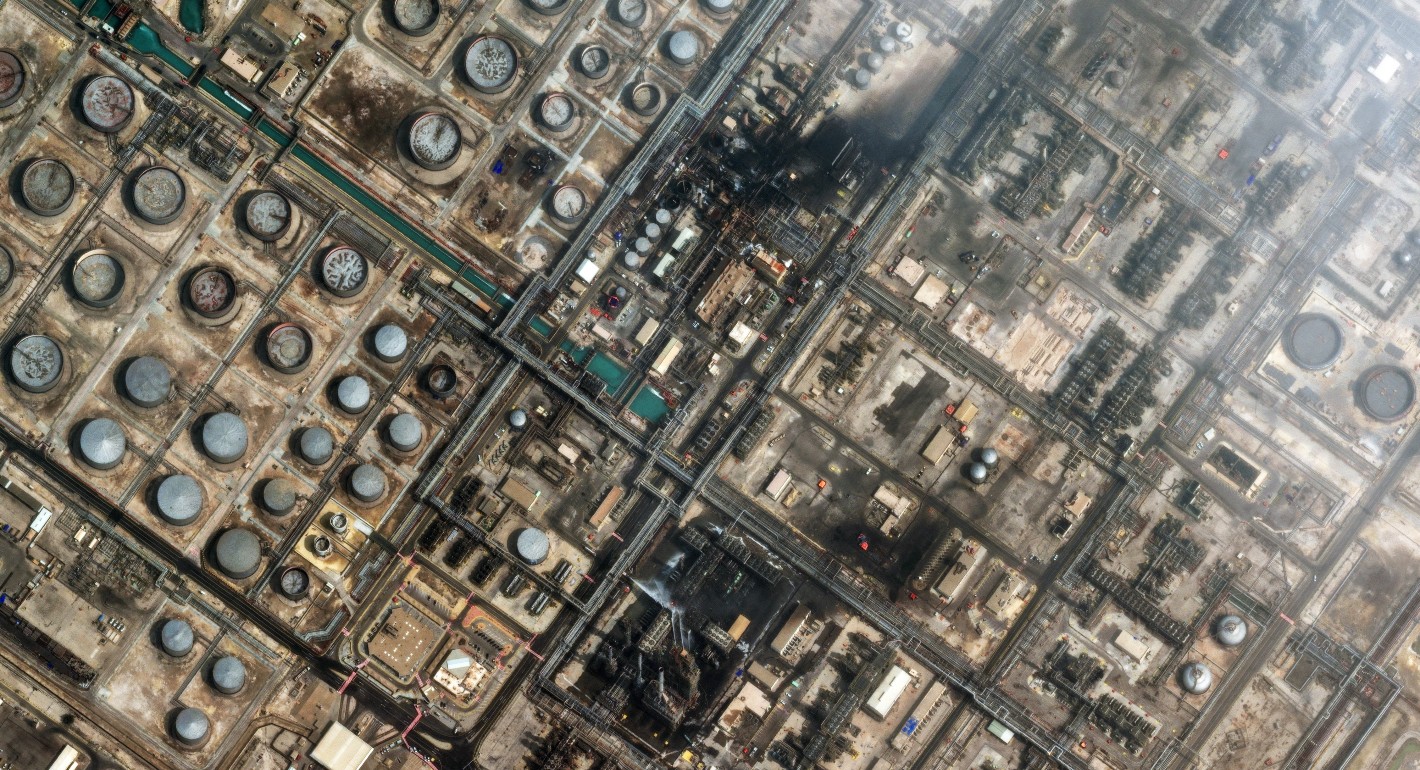
Tehran’s attacks are reshaping the security situation in the Middle East—and forcing the region’s clock to tick backward once again.

Amr Hamzawy
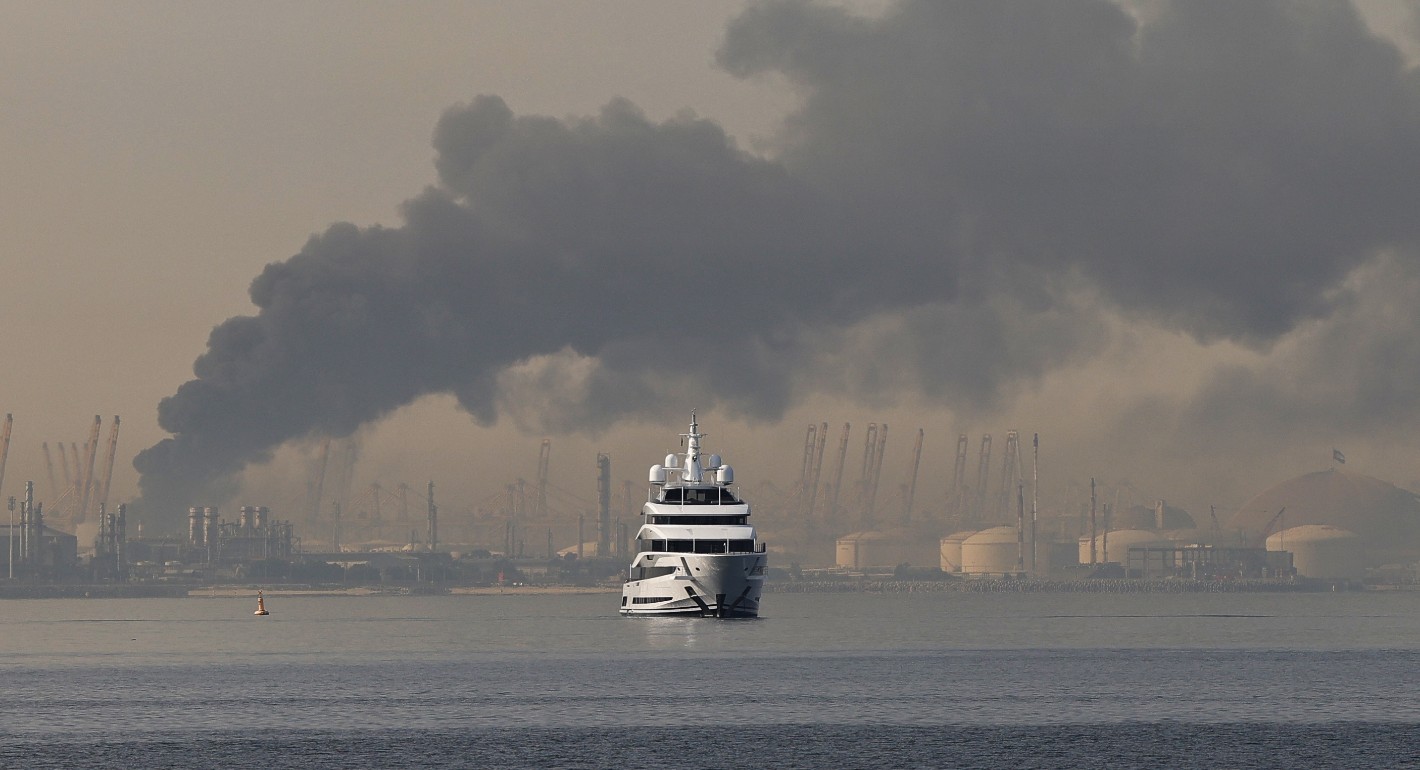
Only collective security can protect fragile economic models.

Andrew Leber
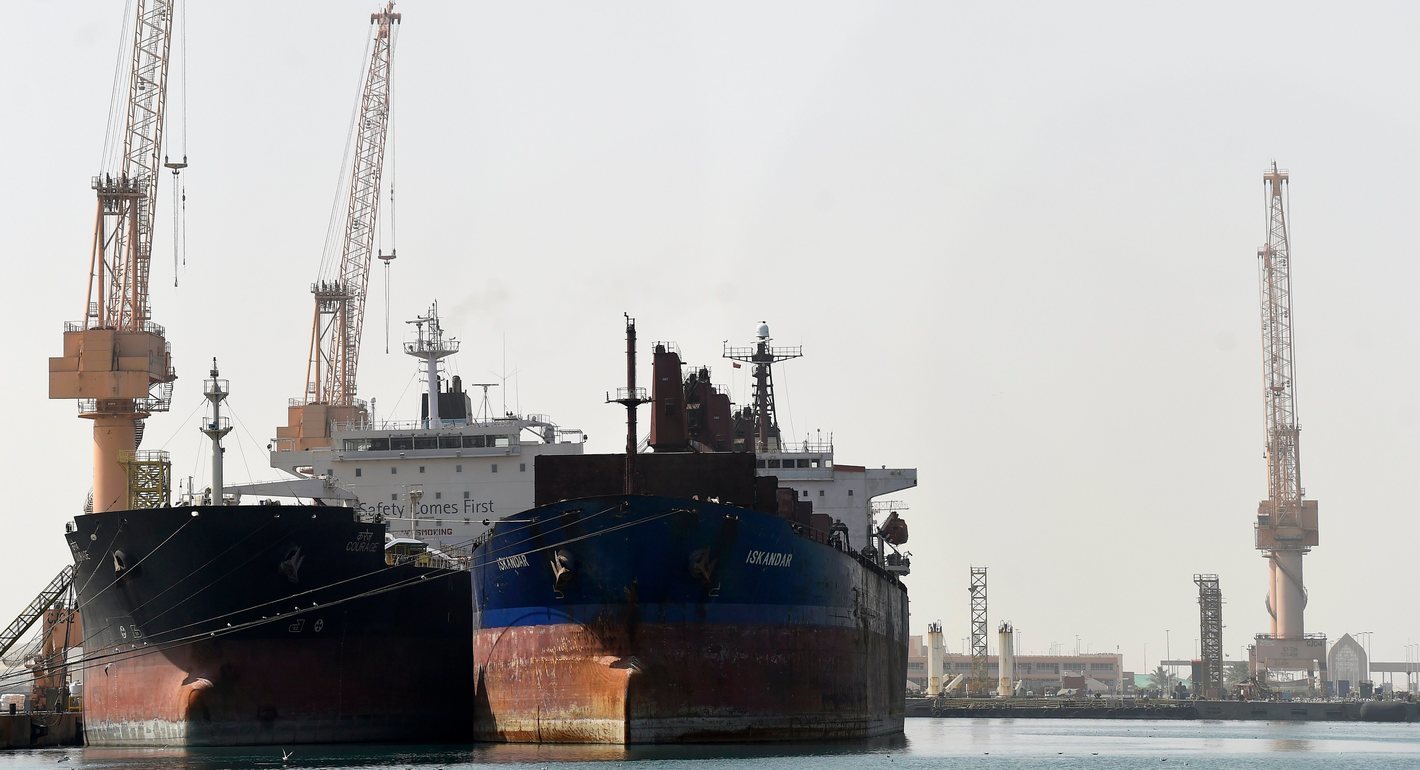
In a volatile Middle East, the Omani port of Duqm offers stability, neutrality, and opportunity. Could this hidden port become the ultimate safe harbor for global trade?
Giorgio Cafiero, Samuel Ramani
Arguing that Chinese policy is hung on alliances—with imputations of obligation—misses the point.

Evan A. Feigenbaum