

Commentary
Regardless of the outcome, there’s another path to ensuring that progress doesn’t stall.
Zaur Shiriyev
{
  "authors": [
    "Richard Sokolsky",
    "Aaron David Miller"
  ],
  "type": "legacyinthemedia",
  "centerAffiliationAll": "",
  "centers": [
    "Carnegie Endowment for International Peace"
  ],
  "collections": [],
  "englishNewsletterAll": "",
  "nonEnglishNewsletterAll": "",
  "primaryCenter": "Carnegie Endowment for International Peace",
  "programAffiliation": "",
  "programs": [],
  "projects": [],
  "regions": [
    "North America",
    "United States"
  ],
  "topics": [
    "Security",
    "Foreign Policy"
  ]
}
Source: Getty
National Security Strategies are typically less detailed foreign policy to do lists than broad principles and platitudes designed to persuade people that an administration has a compelling and effective strategy. A year in it’s not at all clear that the Trump administration has one.
Source: USA Today
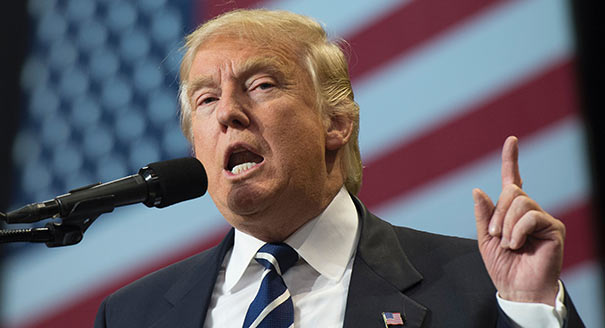
Who says Donald Trump doesn’t have a foreign policy? He does, but it wasn’t the one he rolled out in a speech Monday on his administration’s national security strategy.
Much of the speech contains language quite consistent with Trumpian values, particularly the focus on America first, homeland security, trade protectionism, America’s sovereignty, and withdrawal from Paris Climate and Trans-Pacific Partnership. But it’s also full of bromides, slogans and platitudes to persuade Congress, the media and the public that the administration has a coherent strategy to protect U.S. interests in a turbulent world.
Still, there is little in the speech that reflects much of what Trump has actually done in foreign policy or why. Here’s a more politically inconvenient guide to Trump’s foreign policy. And unlike the national security strategy, it may well provide clues as to how he’ll operate for the remainder of his presidency....

Nonresident Senior Fellow, Russia and Eurasia Program
Richard Sokolsky is a nonresident senior fellow in Carnegie’s Russia and Eurasia Program. His work focuses on U.S. policy toward Russia in the wake of the Ukraine crisis.

Senior Fellow, American Statecraft Program
Aaron David Miller is a senior fellow at the Carnegie Endowment for International Peace, focusing on U.S. foreign policy.
Carnegie does not take institutional positions on public policy issues; the views represented herein are those of the author(s) and do not necessarily reflect the views of Carnegie, its staff, or its trustees.

Regardless of the outcome, there’s another path to ensuring that progress doesn’t stall.

Zaur Shiriyev

But their "principal to principal" model will only be as effective as the political strength of each leader back home.

Damien Ma
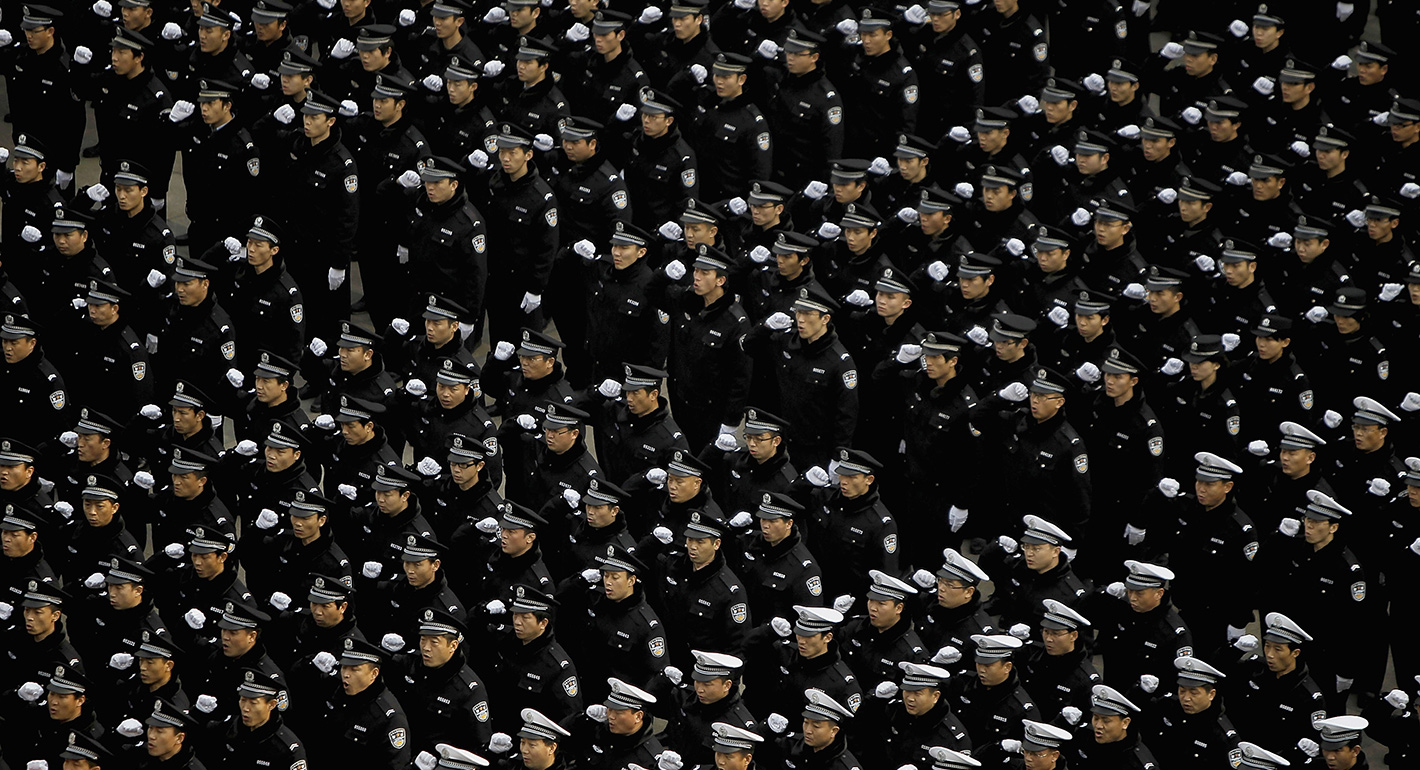
China’s Ministry of Public Security is often portrayed as a domestic law enforcement agency, but it is also a global security actor. This paper explores how MPS has used international law enforcement and security cooperation agreements—over 200 since 2006—to advance China’s vision of security in a changing global environment.


Sophie Zhuang, Sheena Chestnut Greitens, Cameron Waltz

The demands of the Kremlin’s war in Ukraine, demographic problems, and public hostility toward Central Asians mean Russia does not have enough workers.
Salavat Abylkalikov

Amid uncertainty caused by the Iran war, the global drive for nonproliferation has stalled. With Europe diplomatically marginalized and countries reassessing their nuclear options, efforts to curb the spread of nuclear weapons risk becoming irrelevant.

Jane Darby Menton