

Paper
Constantino Xavier
{
  "authors": [
    "Constantino Xavier"
  ],
  "type": "legacyinthemedia",
  "centerAffiliationAll": "",
  "centers": [
    "Carnegie Endowment for International Peace",
    "Carnegie India"
  ],
  "collections": [],
  "englishNewsletterAll": "",
  "nonEnglishNewsletterAll": "",
  "primaryCenter": "Carnegie India",
  "programAffiliation": "",
  "programs": [],
  "projects": [],
  "regions": [
    "Asia",
    "South Asia",
    "India"
  ],
  "topics": [
    "Foreign Policy"
  ]
}
Source: Getty
As Nepal concludes this week with its first parliamentary election since 1999, New Delhi faces a window of opportunity to deepen the bilateral relationship.
Source: Print
As Nepal concludes this week its first parliamentary election since 1999, New Delhi faces a window of opportunity to deepen the bilateral relationship. With China making unprecedented inroads into the northern neighbour, India must take bold steps on the economic, political and strategic fronts.
Former Fellow, Carnegie India
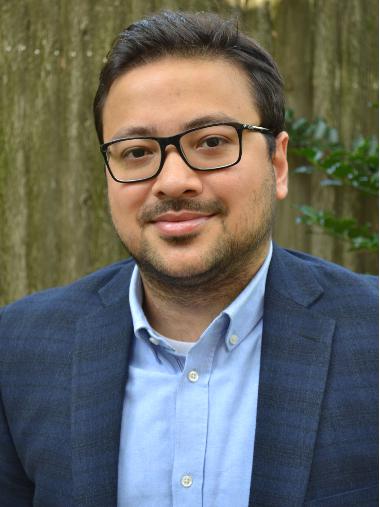
Constantino Xavier was a fellow at Carnegie India, based in New Delhi. His research focus is on India’s foreign policy, with emphasis on relations with its neighboring countries and South Asian regional security.
Recent Work
Constantino Xavier
Constantino Xavier
Carnegie does not take institutional positions on public policy issues; the views represented herein are those of the author(s) and do not necessarily reflect the views of Carnegie, its staff, or its trustees.
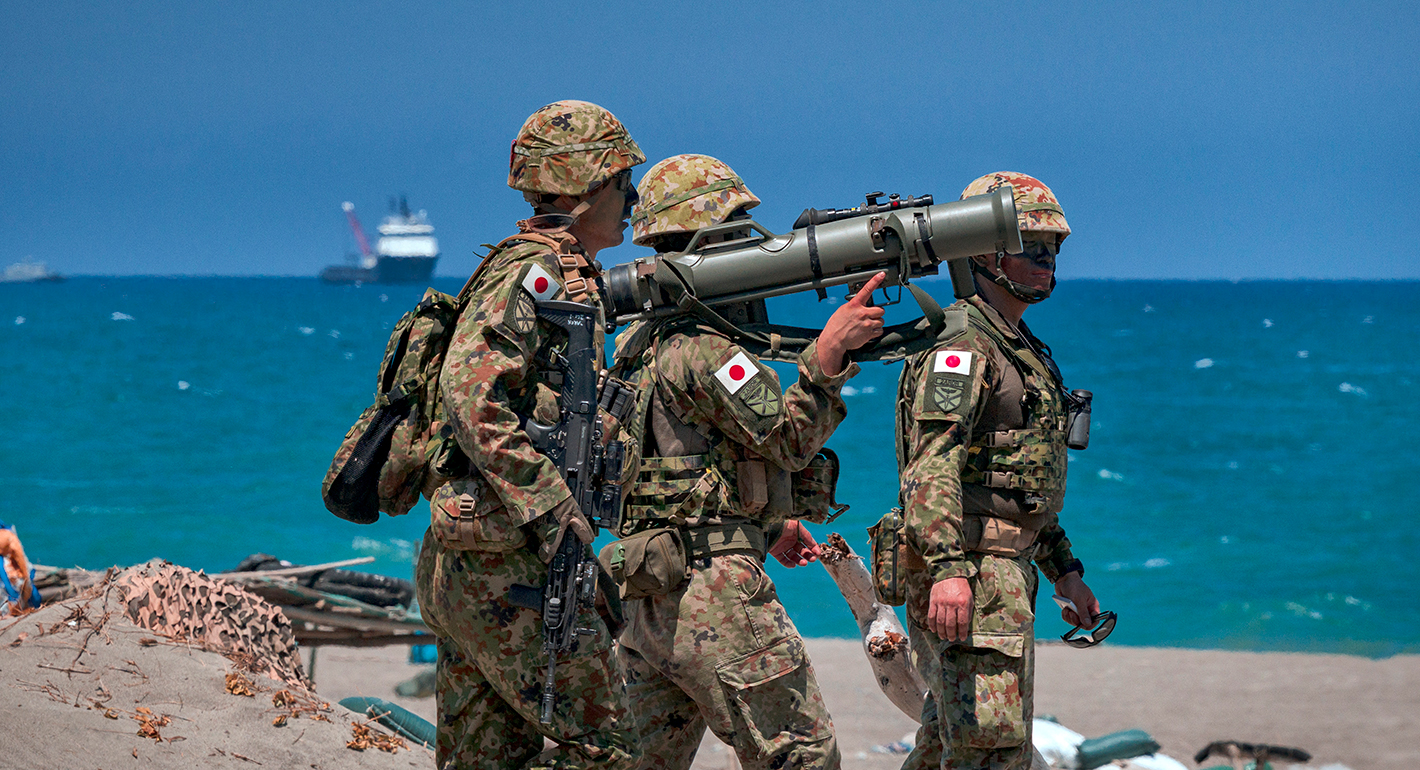
Japan’s revision of its three strategic documents reflects an intention to keep the United States engaged in the region while Japan fills any vacuums of U.S. power to preserve the Indo-Pacific order.
Ryo Sahashi

Chinese biotech companies have been on the receiving end of U.S. economic coercion. Yet their responses have differed significantly because firm and state interests are not uniformly aligned. For Washington, treating all Chinese tech firms the same, irrespective of their actual interests, risks pushing them farther into Beijing’s corner.

Xue Gong
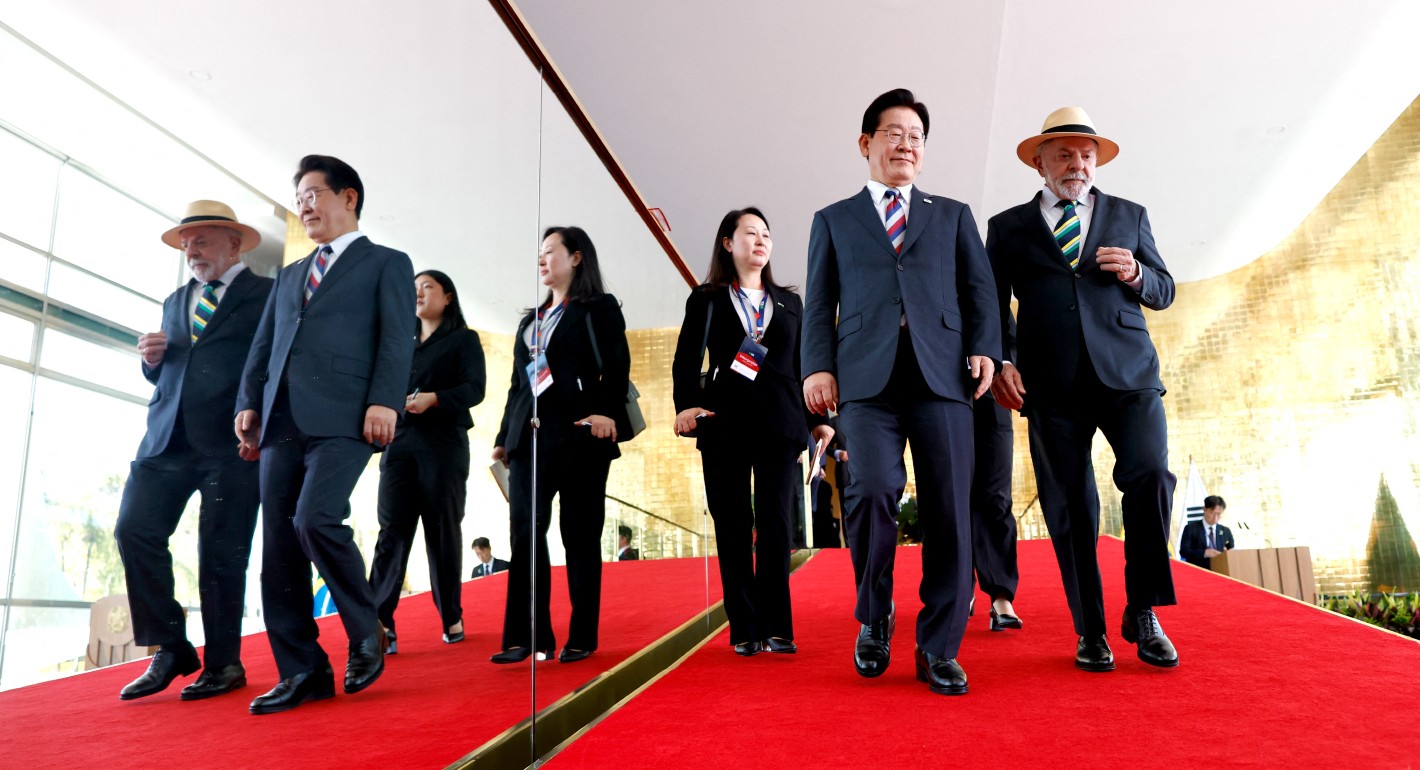
Lee’s tour shows how Seoul is reorganizing its diplomacy away from Pyongyang and toward industrial networks and the geography of the compute economy.

Darcie Draudt-Véjares

Most migrants may have left Ceuta, but the effects may linger.


Alejandro Martin Rodriguez, Sarah Yerkes

There is a transnational far-right populist movement that links middle powers in a global movement that extends well beyond Trump.


Christopher S. Chivvis, Rohan Mukherjee, Milan Vaishnav