

Commentary
There is no better time for the countries of Southeast Asia to reconsider their energy security than during this latest crisis.
Gita Wirjawan
{
  "authors": [
    "Neil Noronha"
  ],
  "type": "legacyinthemedia",
  "centerAffiliationAll": "",
  "centers": [
    "Carnegie Endowment for International Peace",
    "Carnegie India"
  ],
  "collections": [],
  "englishNewsletterAll": "",
  "nonEnglishNewsletterAll": "",
  "primaryCenter": "Carnegie India",
  "programAffiliation": "",
  "programs": [],
  "projects": [],
  "regions": [
    "India"
  ],
  "topics": [
    "Domestic Politics",
    "Economy"
  ]
}
Source: Getty
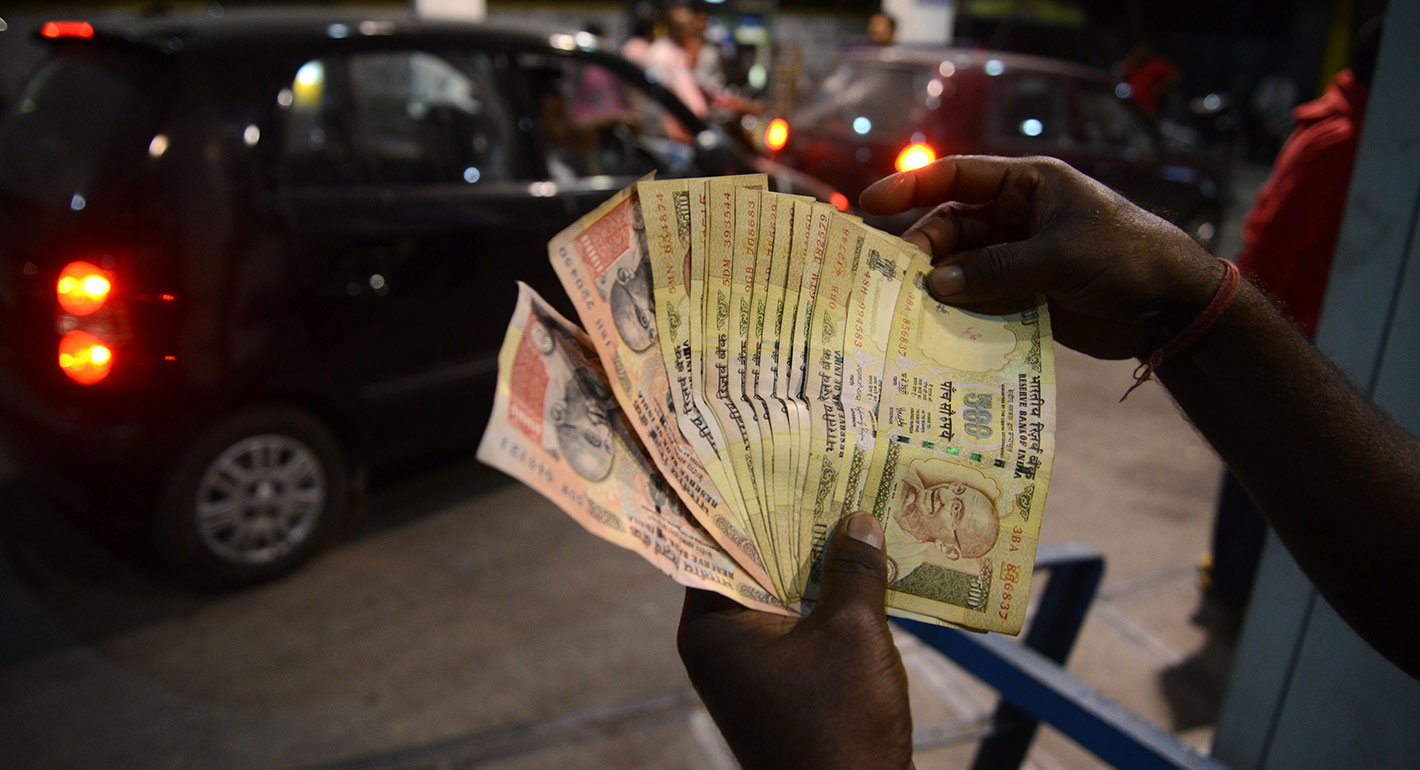
There is now an opportunity for India to take the lead on a global platform to combat money laundering and tax evasion–and for Modi to take his campaign promise forward.
Source: Print
Cracking down on black money has been the centerpiece of Prime Minister Narendra Modi’s campaign. There is now an opportunity for India to take the lead on a global platform to combat money laundering and tax evasion – and for Modi to take his campaign promise forward.
Neil Noronha
Neil Noronha is a Henry Luce scholar, and a visiting scholar with Carnegie India.
Carnegie does not take institutional positions on public policy issues; the views represented herein are those of the author(s) and do not necessarily reflect the views of Carnegie, its staff, or its trustees.
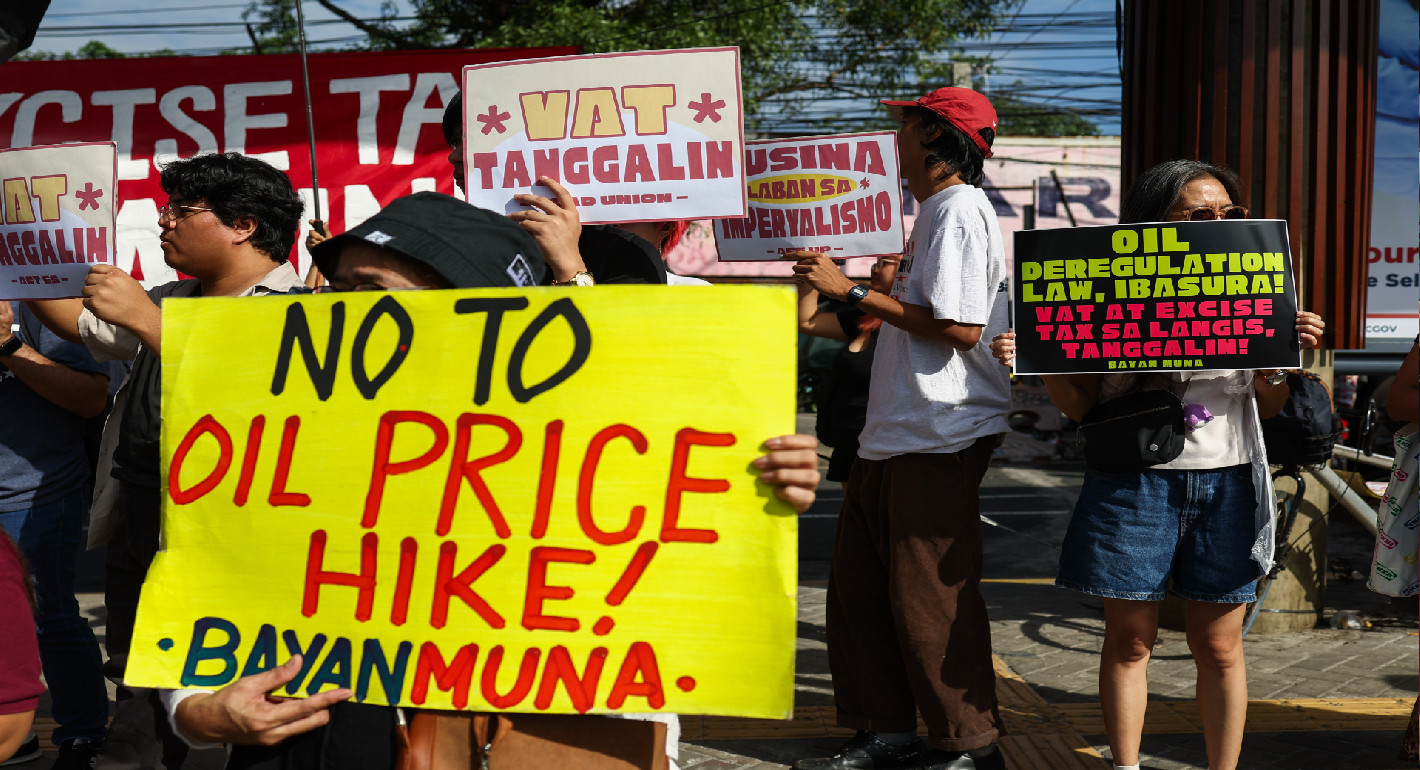
There is no better time for the countries of Southeast Asia to reconsider their energy security than during this latest crisis.
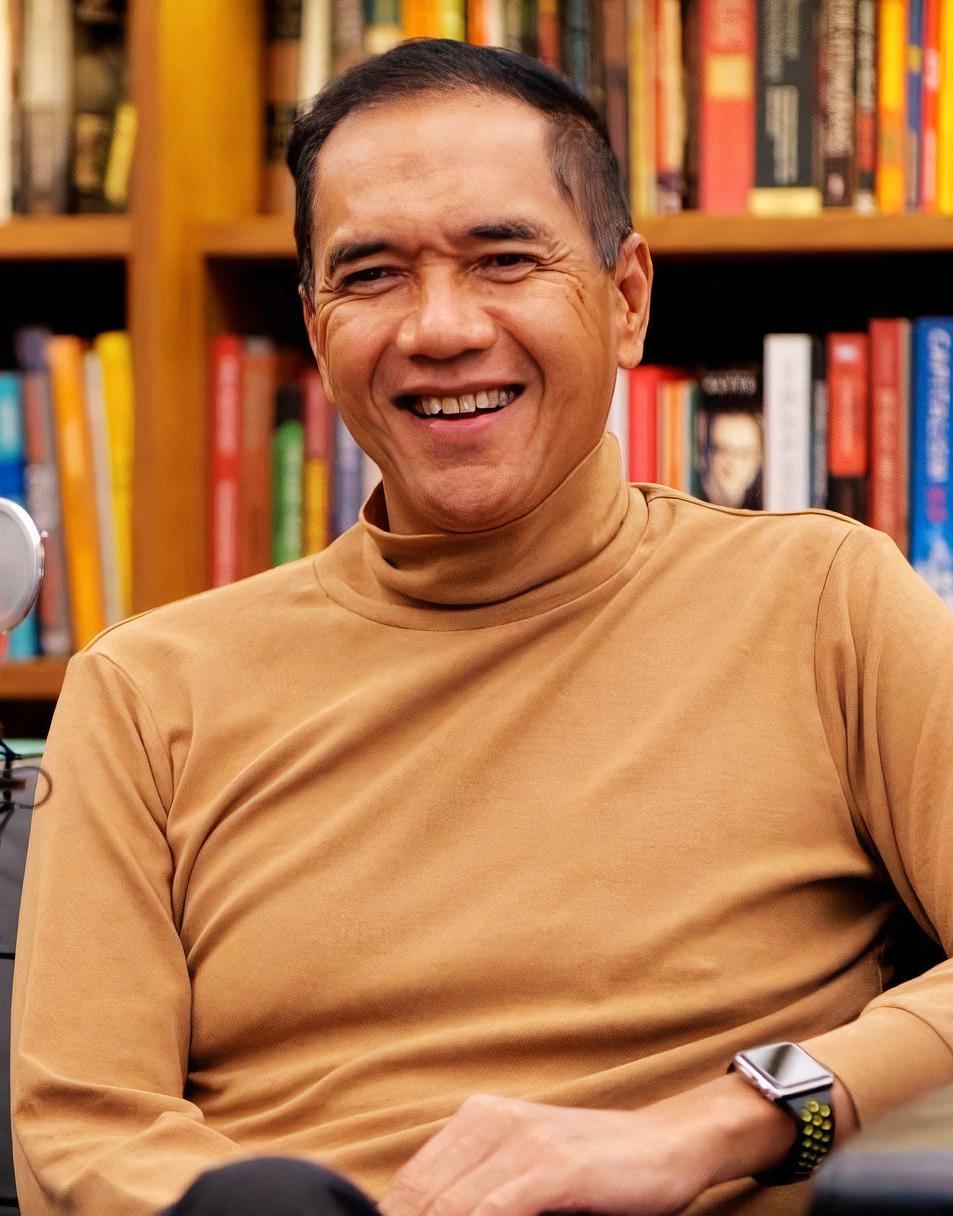
Gita Wirjawan
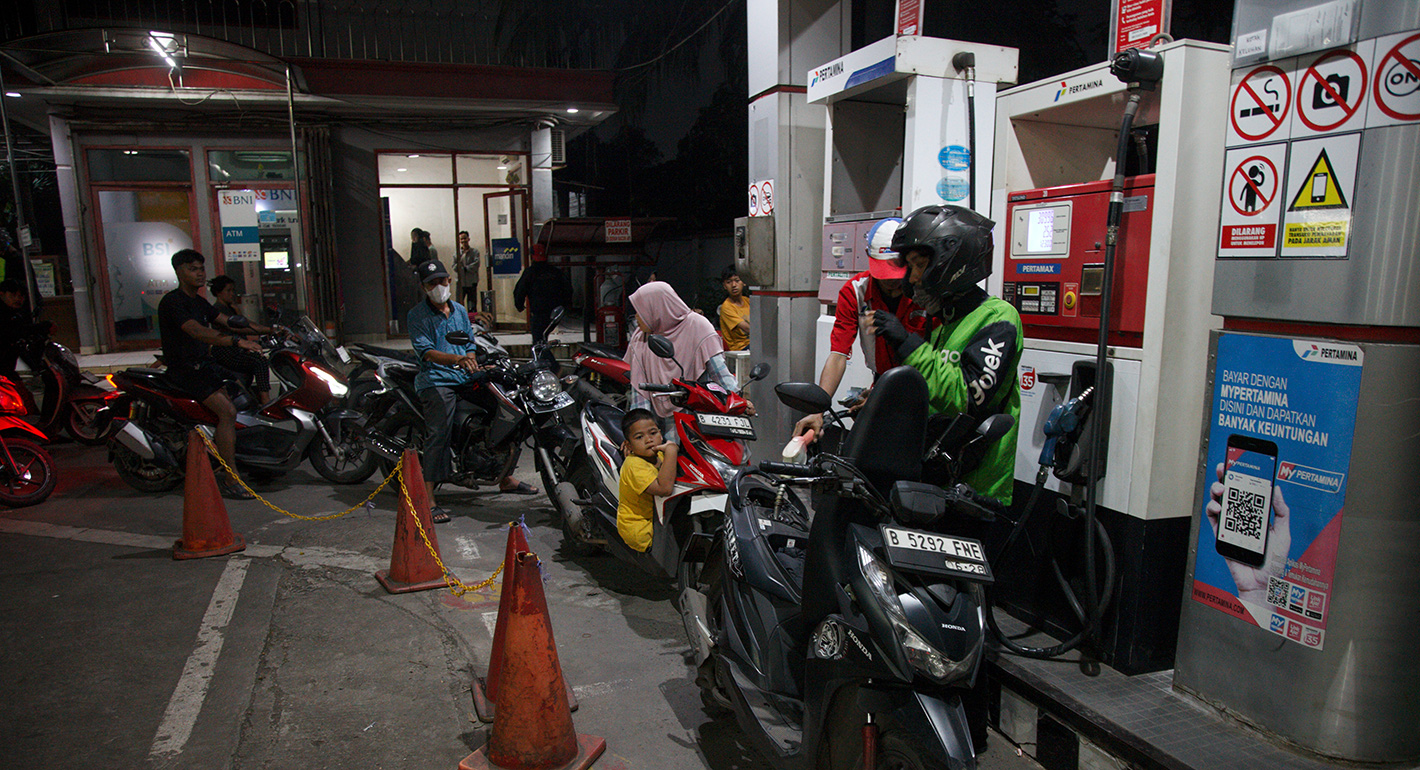
As conflict in the Middle East drives up fuel costs across Asia, Indonesia faces difficult policy trade-offs over subsidies, inflation, and fiscal credibility. President Prabowo’s personalized governance style may make these hard choices even harder to navigate.
Sana Jaffrey
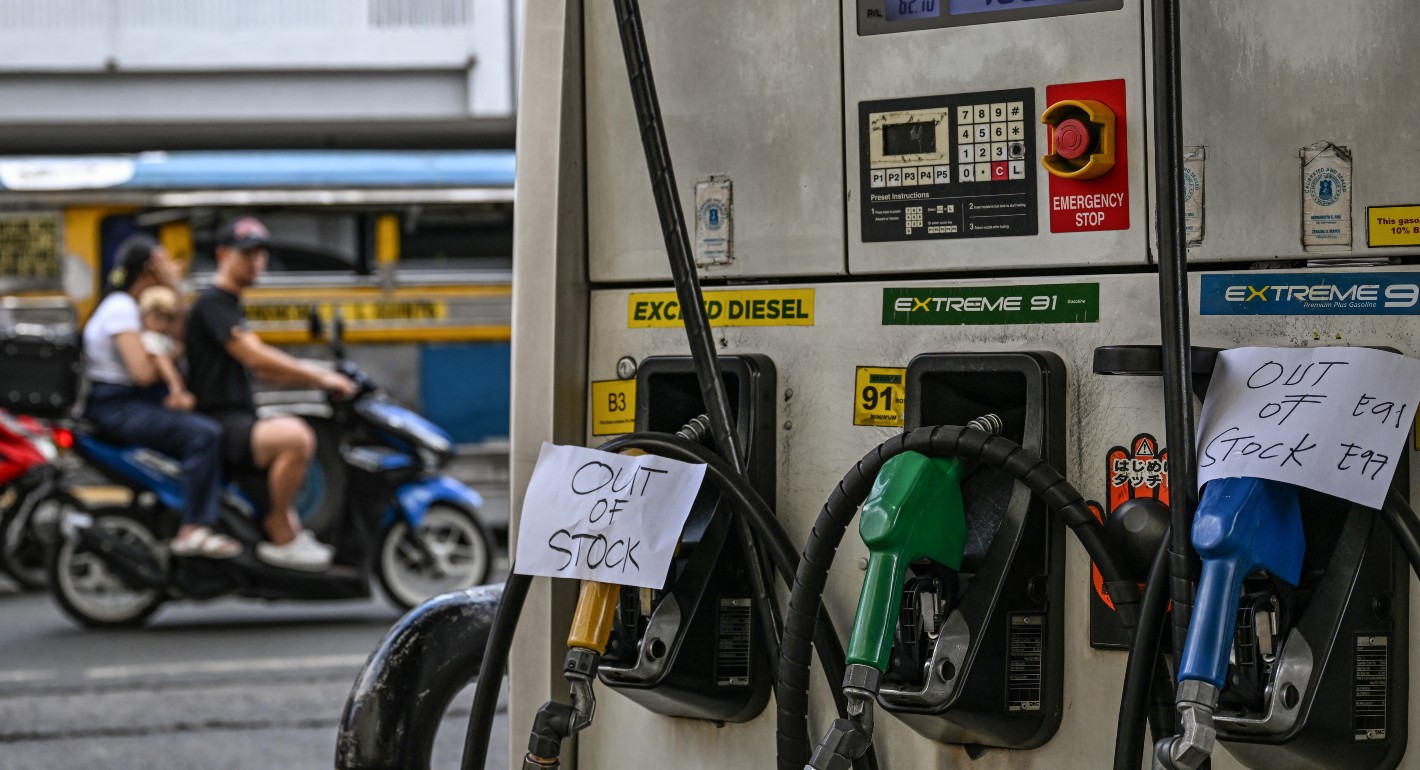
The United States ignores the region’s lived experience—and the tough political and social trade-offs the war has produced—at its peril.

Evan A. Feigenbaum

The prospect of a total block on Russia’s most popular messaging app has sparked disagreement between the regime’s political managers and its security agencies.

Andrey Pertsev

The GDP measure is an attempt to measure value creation in an economy. This measure, however, can vary greatly between economies that have disciplinary mechanisms that force them to recognize investment losses quickly and economies that don’t, and can postpone this recognition for many years.

Michael Pettis