

Research
- +11
Frances Z. Brown, Nate Reynolds, Priyal Singh, …
{
  "authors": [
    "Nate Reynolds"
  ],
  "type": "legacyinthemedia",
  "centerAffiliationAll": "",
  "centers": [
    "Carnegie Endowment for International Peace"
  ],
  "collections": [],
  "englishNewsletterAll": "",
  "nonEnglishNewsletterAll": "",
  "primaryCenter": "Carnegie Endowment for International Peace",
  "programAffiliation": "",
  "programs": [],
  "projects": [],
  "regions": [
    "Russia"
  ],
  "topics": [
    "Political Reform",
    "Security",
    "Foreign Policy"
  ]
}
Source: Getty
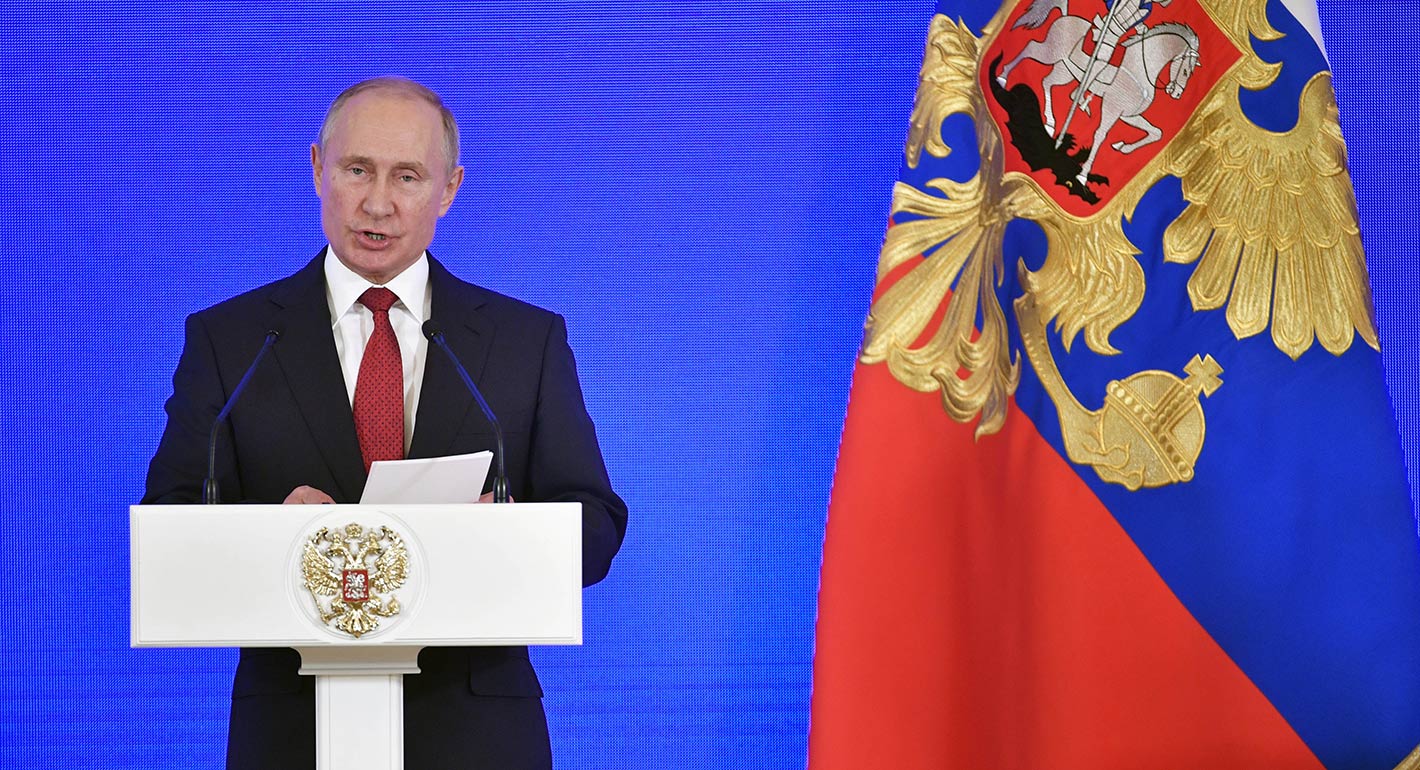
It’s likely that Putin’s dip in popularity will mostly prove that he is far more resilient than the West would like to think.
Source: Foreign Policy
Russia’s attack on three Ukrainian ships near the Sea of Azov over the weekend will renew debates over how much Putin’s approval rating drives Moscow’s foreign policy. Even before the latest incident, Western observers had seized on a recent drop in Putin’s popularity as a precursor to significant changes in Russian behavior abroad. Admittedly, they don’t agree on what sort of changes. Some voices fret that the slump might cause the Kremlin to seek a new foreign policy adventure to boost the regime as it did by seizing Crimea in 2014. Others suggest that pressure on Putin to moderate his foreign policy and ease a costly confrontation with the West is rising.
Both assessments, however, miss the mark. They exaggerate the short-term crisis facing the Kremlin and overlook the regime’s abundant tools for dealing with domestic political rumblings and foreign-policy battles. It’s likely that Putin’s dip in popularity will mostly prove that he is far more resilient than the West would like to think.
To be sure, Putin has hit a tough patch at home since his July meeting with U.S. President Donald Trump in Helsinki. The Kremlin made the unpopular decision to raise the pension age, which sank Putin’s approval rating to the mid-60s for the first time since the 2014 illegal seizure of Crimea. Regional elections in September delivered more bad news. Putin’s ruling United Russia party lost three governorships and is at risk of losing one more in an upcoming runoff. The vote reflected anger over pension reform but also a deeper shift in the popular mood. Three prominent Russian academics released a report in October that found a strong desire for change among Russians, who are dissatisfied with the Kremlin’s domestic policies and have little hope for improvement. A recent survey on consumer confidence reflects similar pessimism, as prices tick up and real incomes stagnate.
Russian politics have entered a new phase. The wave of national pride and patriotism that transformed Putin into an almost sacrosanct figure in 2014 has been slowly receding since at least 2016. The political landscape left behind is more challenging but also familiar for the Kremlin, bearing many of the hallmarks of the 2012 to 2013 period before Russia seized Crimea. Indeed, today’s approval ratings for Putin, the Duma, and the government are all within three points of their October 2013 levels. Sociological research in 2013 uncovered similar public dissatisfaction as exists today.
The Kremlin in 2013 was stable but lacked a clear direction. After Putin’s 2012 inauguration, marking his return to the presidency, the regime crushed the protest movement that rattled Russian politics in 2011 and 2012, turned the screws on civil society, and abandoned former President Dmitry Medvedev’s modernization agenda. No serious threat to the regime was apparent, but the economy was slowing down, domestic policy was adrift, and frustration with the authorities lingered. The seizure of Crimea resolved none of this. It merely pushed the problems into the background, from which they have now re-emerged.
An approval rating in the mid-60s is not ideal for Putin, but he is unlikely to overreact, especially since the other pillars of the regime appear solid. The political, economic, and security elites remain consolidated around the Kremlin. Oil prices are high enough to send cash into the state coffers. Selective repression and state control of the media ensure there is no visible viable alternative to Putin. The regime can handle atomized and amorphous dissatisfaction at current levels as long as there is no rival leader capable of channeling it into a political threat. Protests against pension reform that took place in Moscow and other cities over the summer and early fall have fizzled out.
Even if Putin feared for his domestic standing, foreign-policy adventures are inherently risky, and the political payoffs are uncertain. Moscow launched its 2014 military operation in Crimea because it feared a calamitous loss of control over Ukraine—not because of an imperative to boost Putin’s approval rating. Overwhelming popular support probably did shape Putin’s decision to illegally annex the territory, but that came only after the Russian military operation succeeded. Crimea struck an emotional chord with Russians that other options—an “Anschluss” with Belarus, for example—seem unable to match. The intervention in Syria certainly never had the same effect on Russian politics as Crimea did, for example, and polls indicate that Russians are not looking for new high-profile foreign-policy moves. Public support for Putin’s foreign policy remains high, but Russians do not want to bear high costs in lives or treasure and are anxious for the government to focus on domestic affairs. Should some foreign-policy opportunity present itself naturally, the Kremlin would exploit it and spin it on state TV for domestic purposes. But Putin is unlikely to fabricate such a crisis based on approval ratings alone.
Any optimism that Putin will reduce tensions with the West in search of sanctions relief to mitigate domestic troubles is also misplaced. Putin shows no signs that he feels pressure to change course, apparently betting that he can exacerbate growing divisions in the West and improve Moscow’s position over time. His comments to foreign experts at the Valdai International Discussion Club contained no hint of a thaw; they were notable only because of his boredom and flippant comments on the consequences of nuclear Armageddon. The Kremlin is stashing away money in its rainy day funds, which now total nearly a half-trillion dollars. With that kind of cushion, Putin is unlikely to beg for relief. Rather than seeking a way out of sanctions, Moscow has accepted they will exist in the long term—at least on the U.S. side—and is preparing for additional economic blows that Washington might deliver.
Putin has few means to resolve Russia’s long-term problems but many to preserve power, which is his ultimate goal. The economic “breakthrough” that Putin promised in May, with higher growth and better living standards, seems unlikely to materialize, but he is girding his regime to weather a period of stagnation. Pension reform and a value-added tax increase are aimed at shoring up the budget, which is a feeding trough to keep elites loyal. Some of that money will go toward yet another state-driven economic program with outlays in infrastructure and other national projects.
Putin is betting that he will be around for a prolonged confrontation with the West. Washington should probably bet on that, too.

Senior Fellow, Russia and Eurasia Program
Nate Reynolds is a senior fellow in the Russia and Eurasia Program at the Carnegie Endowment for International Peace.
Recent Work

Frances Z. Brown, Nate Reynolds, Priyal Singh, …
Nate Reynolds
Carnegie does not take institutional positions on public policy issues; the views represented herein are those of the author(s) and do not necessarily reflect the views of Carnegie, its staff, or its trustees.
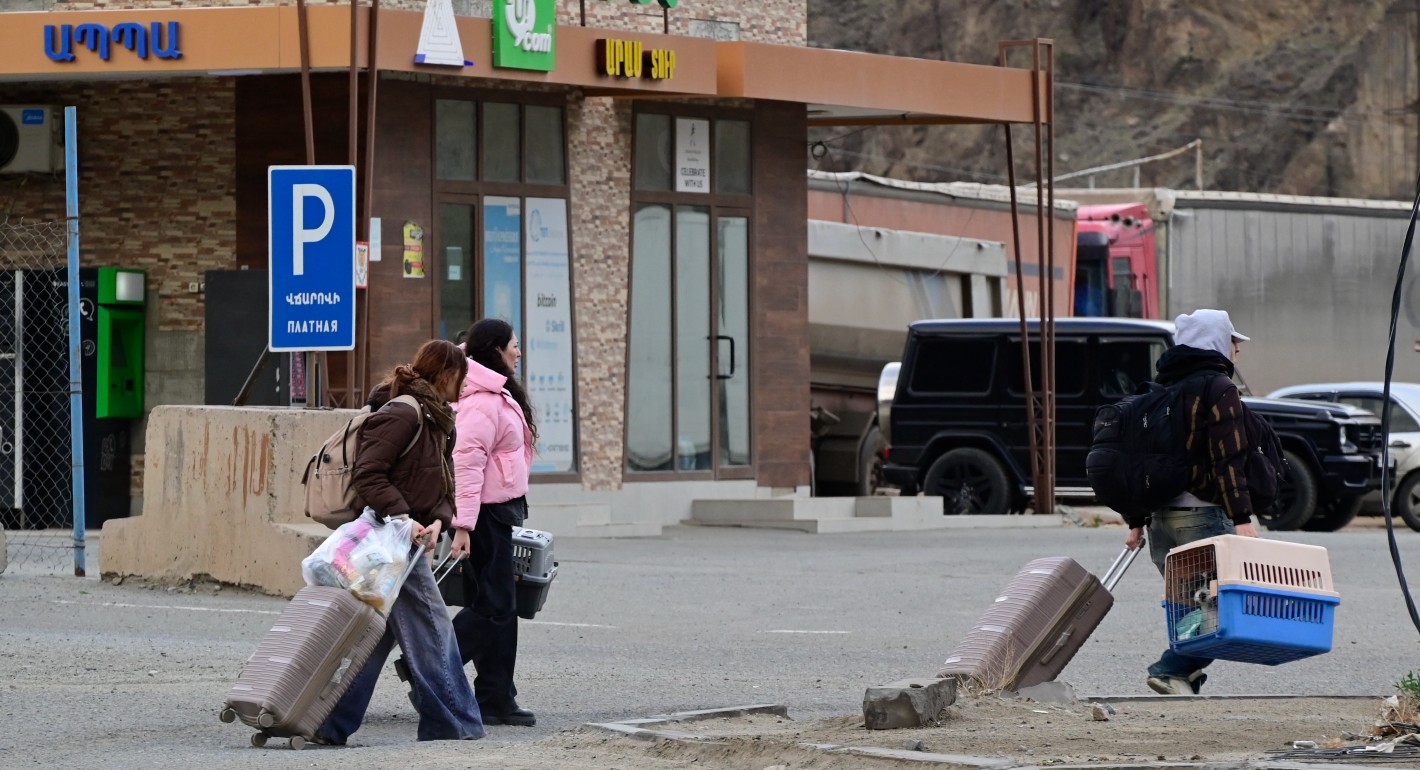
The conflict is threatening stability in Armenia and Azerbaijan.

Zaur Shiriyev
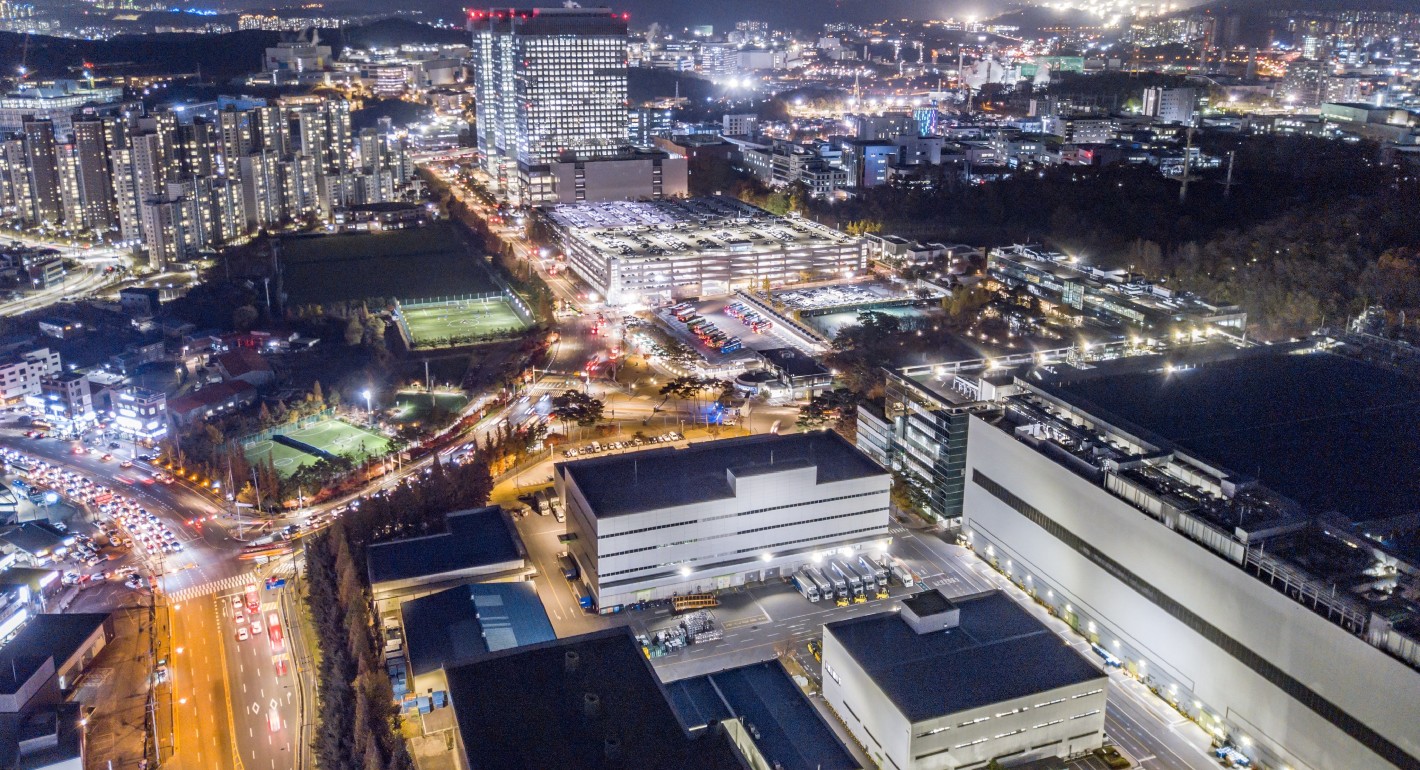
The conflict is exposing the deep energy vulnerabilities of Korea’s chip industry.


Darcie Draudt-Véjares, Tim Sahay
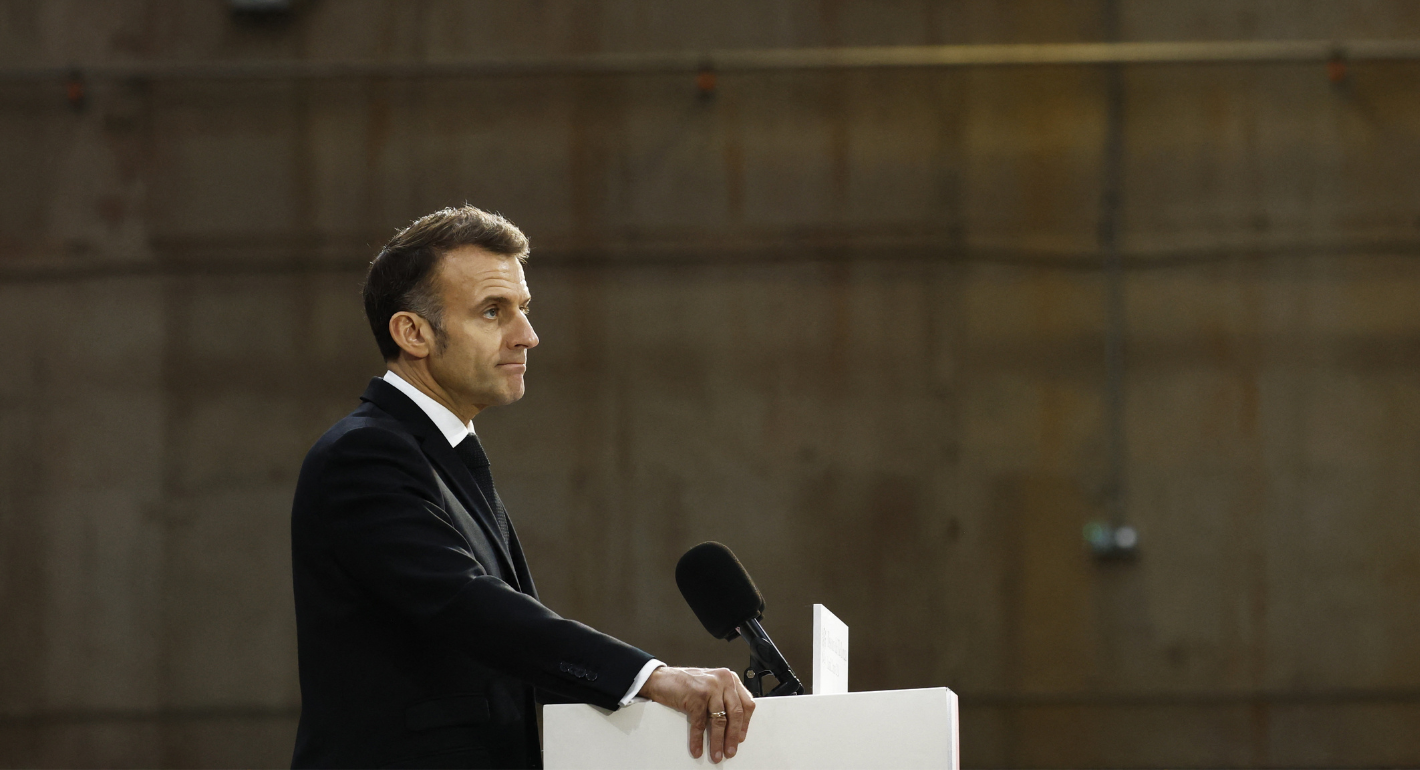
French President Emmanuel Macron has unveiled his country’s new nuclear doctrine. Are the changes he has made enough to reassure France’s European partners in the current geopolitical context?

Rym Momtaz, ed.
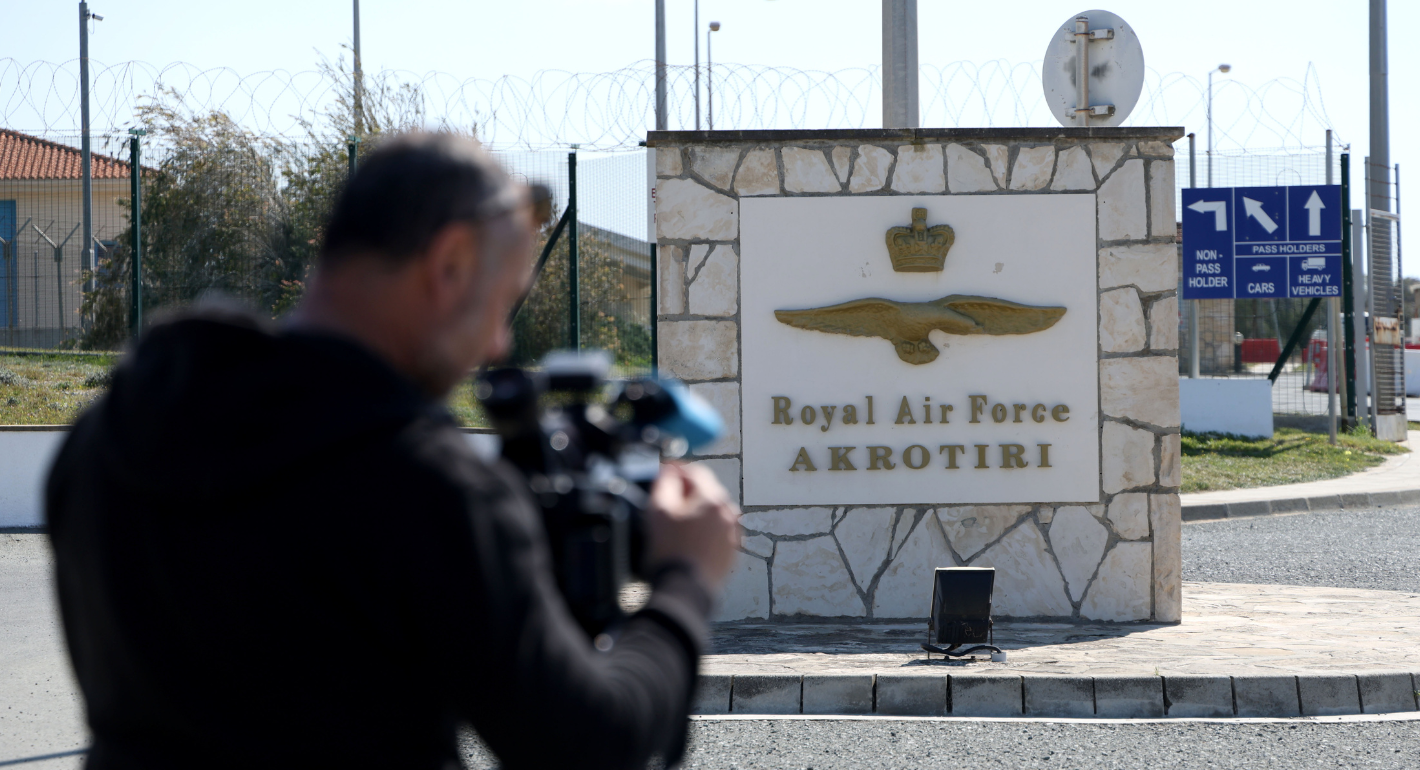
The drone strike on the British air base in Akrotiri brings Europe’s proximity to the conflict in Iran into sharp relief. In the fog of war, old tensions in the Eastern Mediterranean risk being reignited, and regional stakeholders must avoid escalation.

Marc Pierini
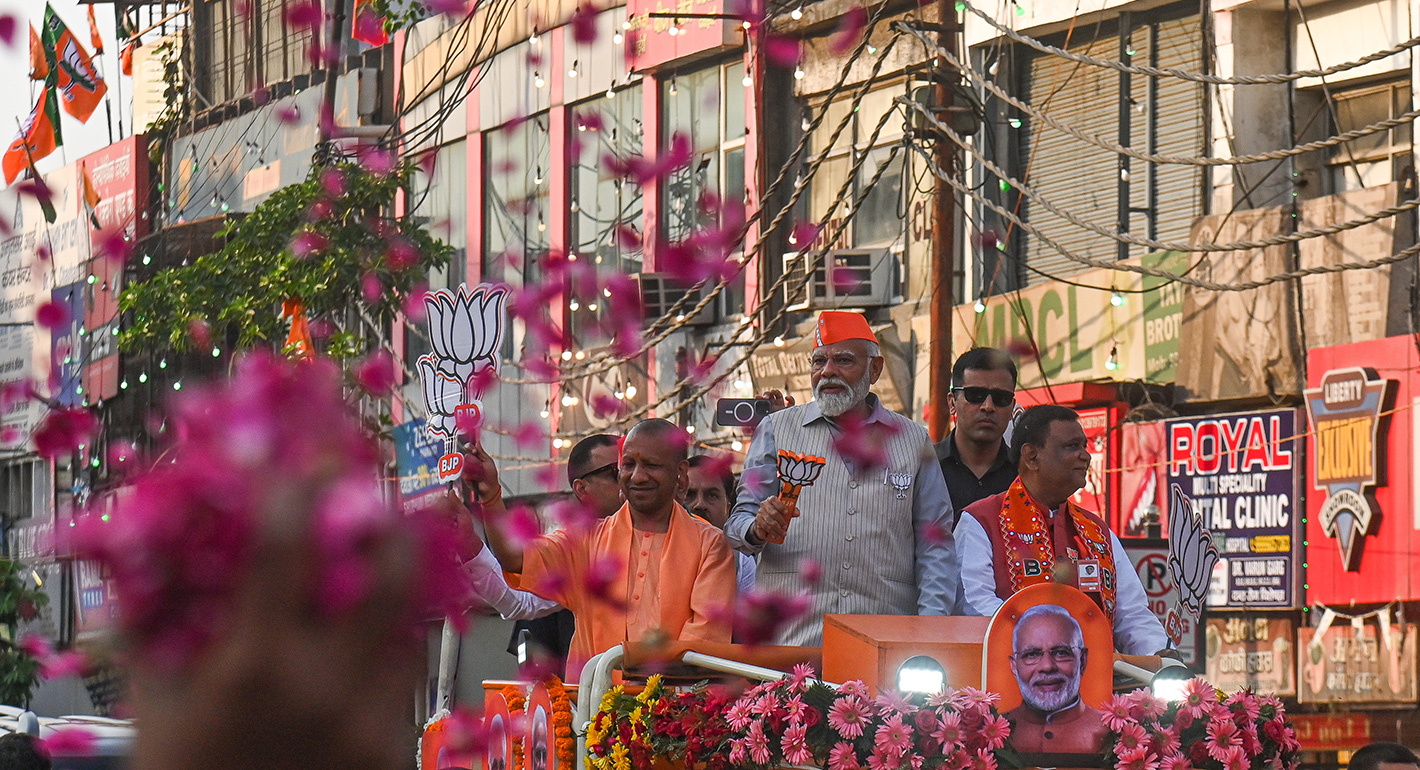
Domestic mobilization, personalized leadership, and nationalism have reshaped India’s global behavior.

Sandra Destradi