

Research
- +8
William J. Burns, Michael Chertoff, Catherine Ashton, …
{
  "authors": [
    "William J. Burns"
  ],
  "type": "legacyinthemedia",
  "centerAffiliationAll": "",
  "centers": [
    "Carnegie Endowment for International Peace"
  ],
  "collections": [],
  "englishNewsletterAll": "",
  "nonEnglishNewsletterAll": "",
  "primaryCenter": "Carnegie Endowment for International Peace",
  "programAffiliation": "",
  "programs": [],
  "projects": [],
  "regions": [],
  "topics": [
    "Foreign Policy"
  ]
}
Source: Getty
A conversation about diplomacy in a very undiplomatic age.
In his new book, “The Back Channel,” William J. Burns, a career diplomat and foreign-service officer, makes the case for American diplomacy in a very undiplomatic age. Burns, who served in both Republican and Democratic administrations for three decades, notably as President George W. Bush’s Ambassador to Russia between 2005 and 2008, narrates America’s post-Cold War foreign policy through the lens of his dealings with dictators, Secretaries of State, and Presidents, from George H. W. Bush to Barack Obama. The spectre of the current President looms over the book: Burns sees Donald Trump as a force that is destroying American credibility, and diminishing the country’s ability to function effectively in the world...
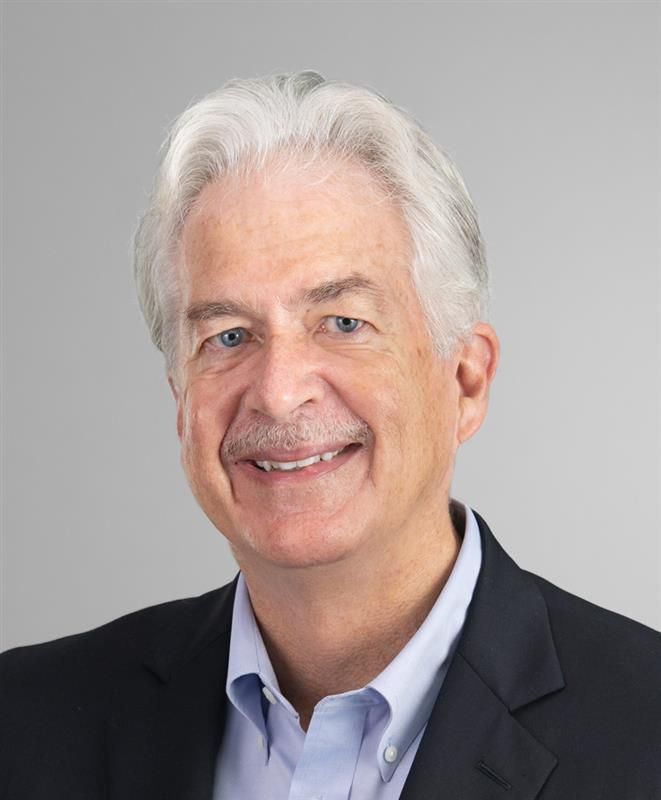
Former Carnegie President (2015-2021)
A former career diplomat, William J. Burns served as director of the CIA, deputy secretary of State, and ambassador to Russia and Jordan. Burns was also president of the Carnegie Endowment for International Peace from 2015 to 2021.
Recent Work
William J. Burns, Michael Chertoff, Catherine Ashton, …
William J. Burns
Carnegie does not take institutional positions on public policy issues; the views represented herein are those of the author(s) and do not necessarily reflect the views of Carnegie, its staff, or its trustees.

With its public finances in shambles, the far right polling at 35 percent ahead of the 2027 presidential election, and a growing protest movement, is France’s crisis a threat to the EU’s geopolitical awakening?

Rym Momtaz, ed.

Ahead of a tough winter for Ukraine, Donald Trump’s swing back toward Russia bodes ill. But instead of panicking, Kyiv’s European allies are focusing on action.
Rym Momtaz

Without a ceasefire with Ukraine on attacking each other’s energy infrastructure—to which the Kremlin is unlikely to agree—the diesel agreement between Putin and Trump is largely for show, rather than representing a genuine increase in the volumes of Russian diesel on the global market.

Sergey Vakulenko

Funding Ukraine remains a priority for European leaders. As Russia’s war of aggression heads into another winter, two feasible options to mobilize support for Kyiv should be fast-tracked.


Vladyslav Rashkovan, Gregory P. Wilson

While the EU and European governments are embracing the much-lauded middle-power moment, this entails three difficult conundrums.

Richard Youngs